1909–1985
Profile
- Forenames
- Piet
- Surname
- te Lintum
- Born
- Aalten, 13 January 1909
- Died
- Winterswijk, 1 May 1985
- Occupation / role
- Artist (painter), Columnist, Draughtsman, Illustrator
- 13 January 1909
Born
Aalten
- 1 May 1985
Died
Winterswijk
Sources
Piet te Lintum was een veelzijdig kunstenaar uit de Achterhoek. Hij werkte als columnist, illustrator, tekenaar en kunstschilder, en schilderde een groot aantal landschappen en dorpstaferelen van zijn geboortestreek. Hij wordt daarom ook wel de “schilderende ambassadeur van de Achterhoek” genoemd.
Pieter (Piet) te Lintum werd op 13 januari 1909 geboren in Aalten, als zoon van Jan te Lintum, kruidenier, en Johanna Christina Adolphina te Giffel. Het gezin woonde aan de Dijkstraat 4, het pand waar tot 2022 bakker Van den Dobbelsteen gevestigd was. Op 15 augustus 1942 trad hij in het huwelijk met Elisabeth Maria Schenk, met wie hij twee kinderen kreeg.
Talent
From an early age, Te Lintum demonstrated an exceptional talent for drawing. By the age of eleven, he was already producing accurate, lifelike portraits. He received his first lessons from an artist who had just graduated from art academy. He also spent a year taking correspondence courses from an institute in Paris.
At eighteen, he attended classes at the Kunstnijverheidsschool (School of Arts and Crafts) in Arnhem, where he was taught by Hendrik Valk and Gerard van Lerven. Following this, he studied for three years at the Rotterdam Art Academy under David Bautz and Herman Mees. His most influential master, however, was Professor Johannes Hendricus Jurres at the Rijksschool voor Kunstnijverheid (State School of Arts and Crafts) in Amsterdam.
Career
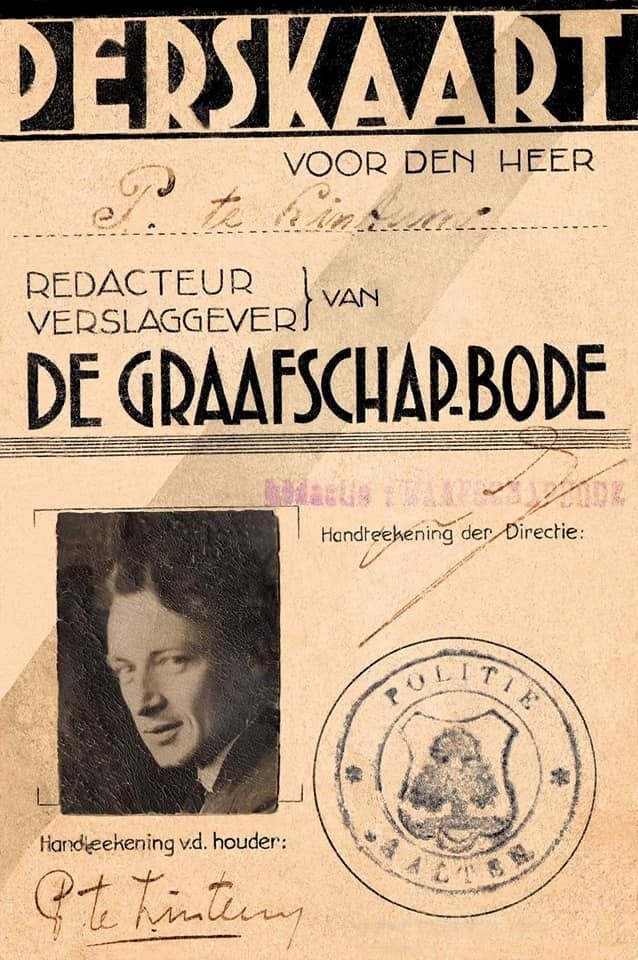
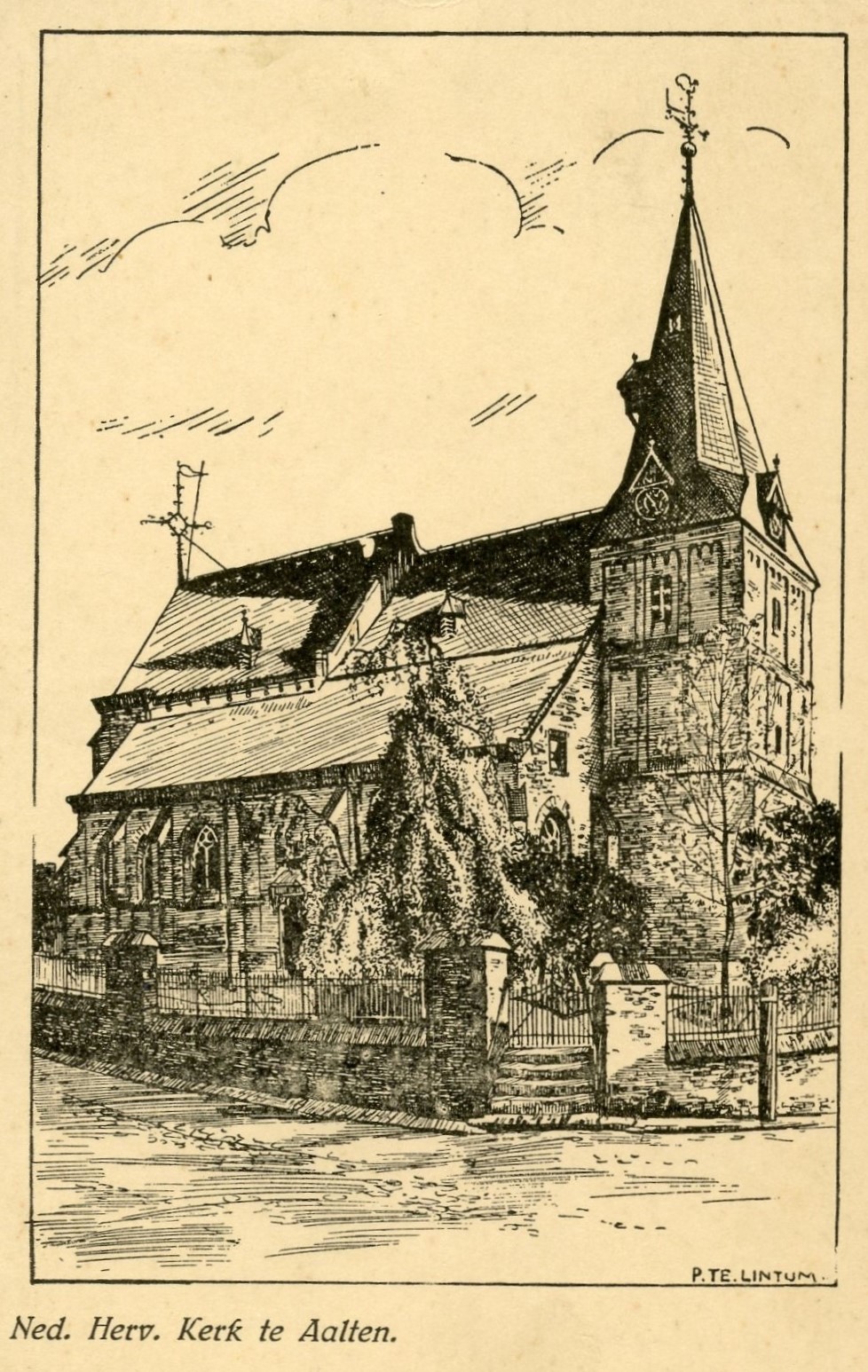
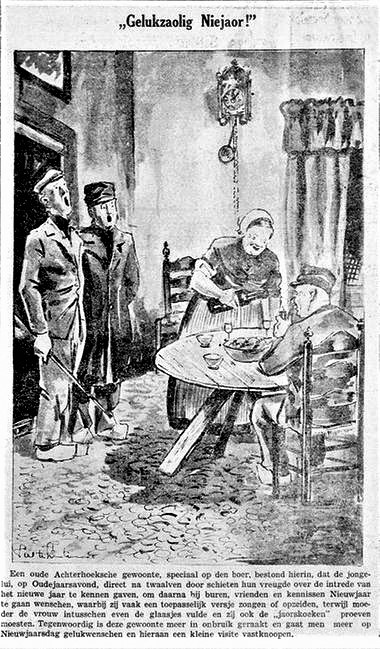
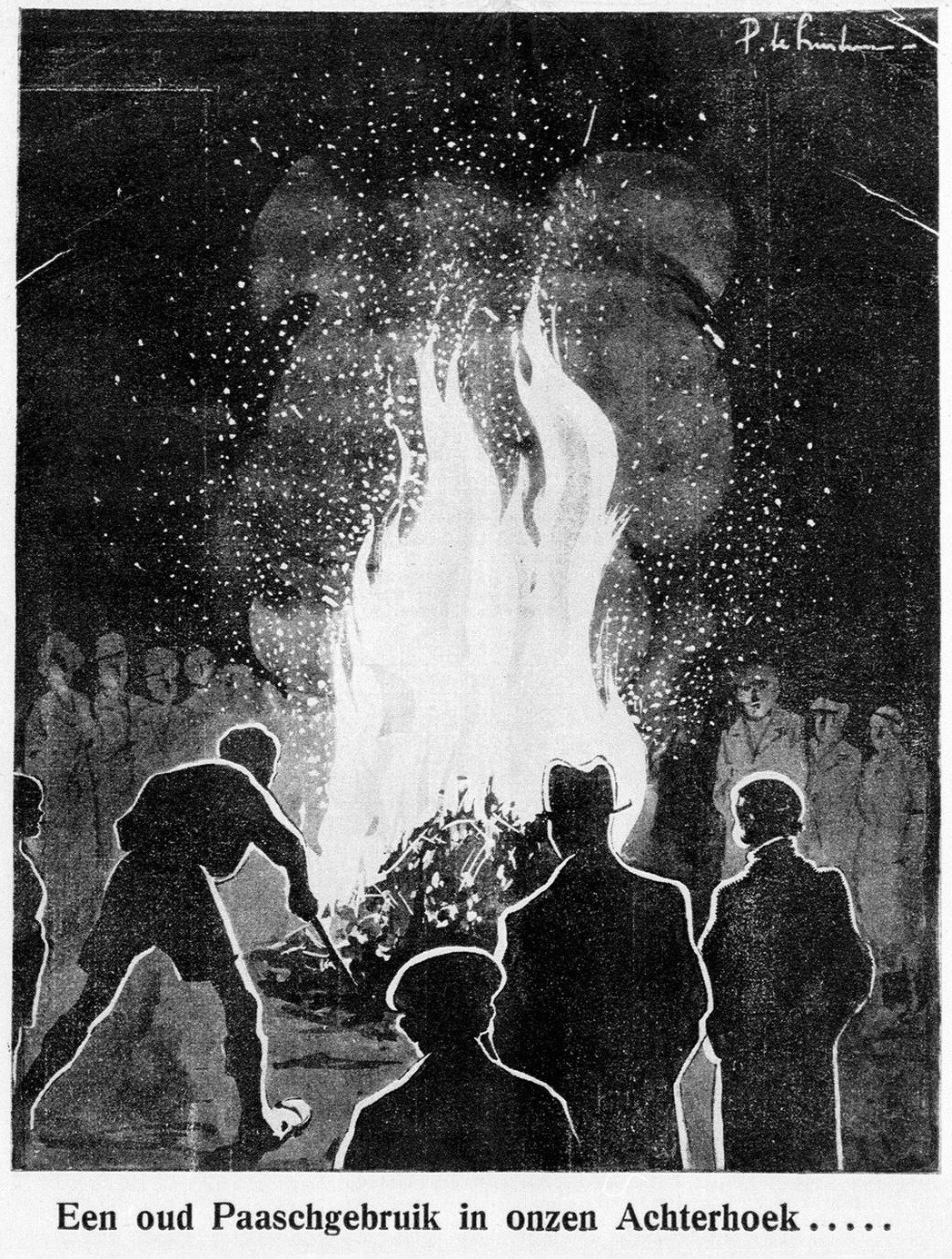
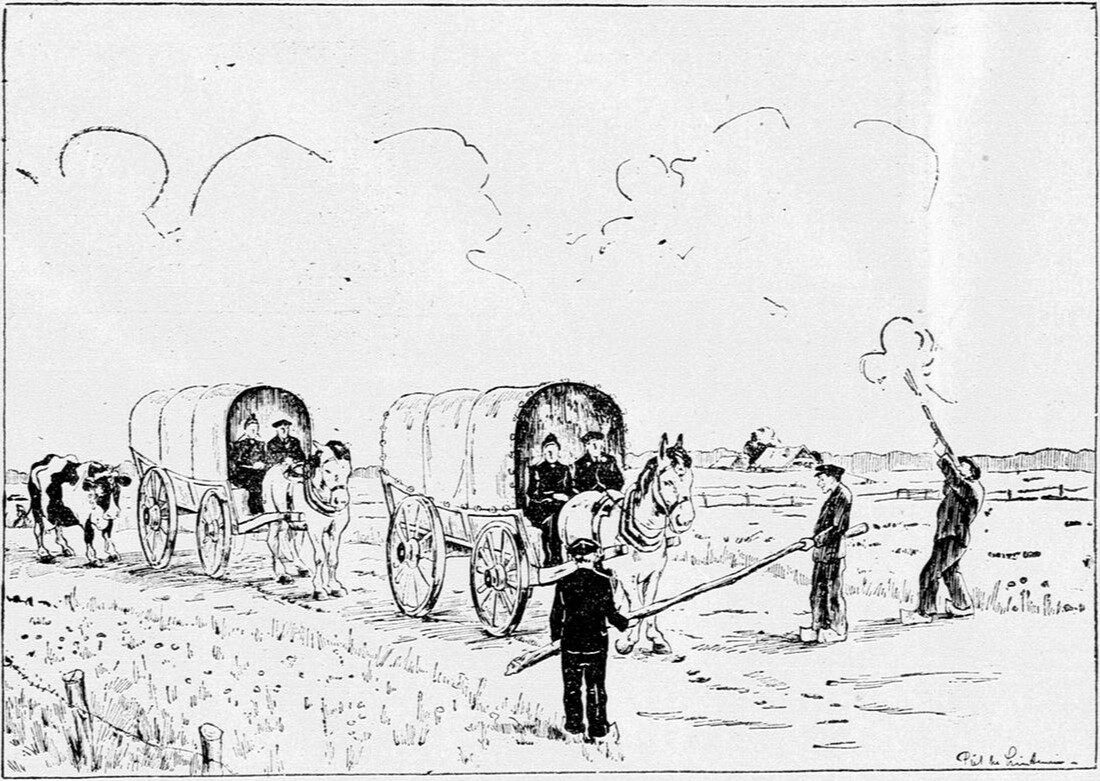
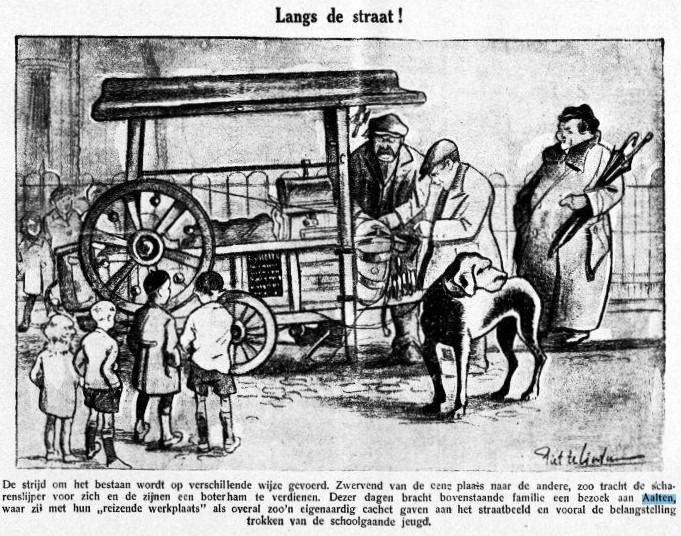
After finishing his education, Piet te Lintum built a multifaceted career as an illustrator for various publishing houses. Among other projects, he drew the illustrations for the adventures of Aornt Peppelenkamp, written by Frans Roes under the pseudonym Herman van Velzen. He also worked for the Misset publishing house in Doetinchem (including for the newspaper De Graafschapbode) and created comic-strip-style columns for the Tubantia daily newspaper. In addition, he designed commercial advertising work, postcards and painted murals.
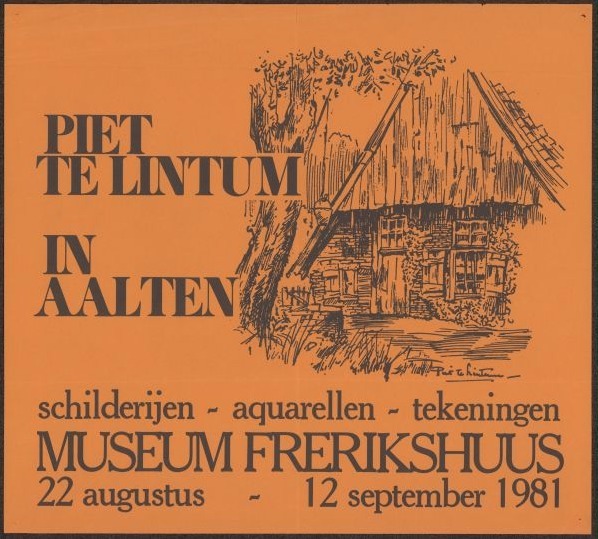
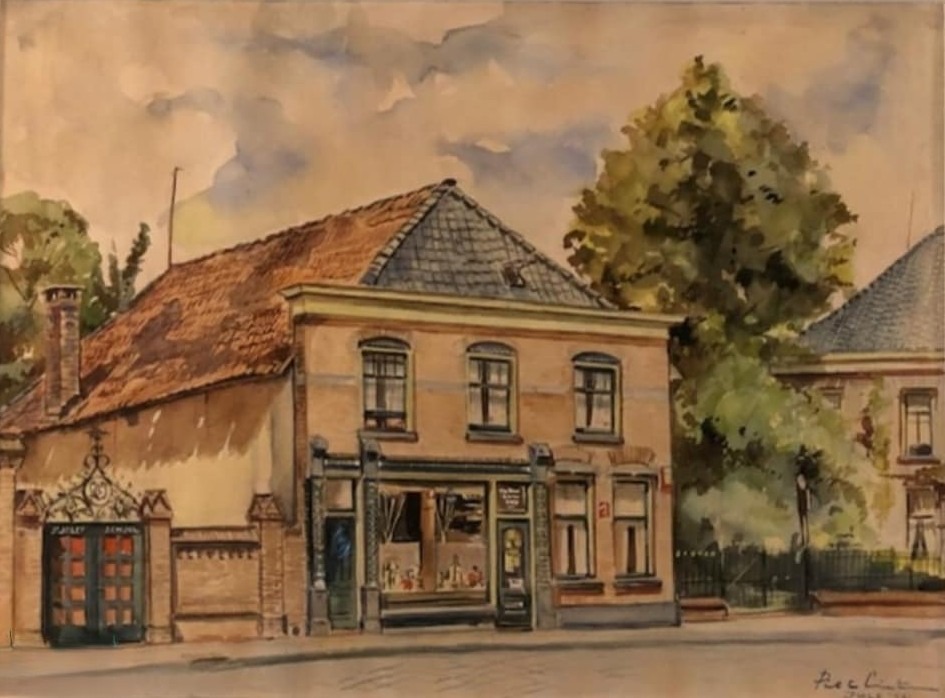
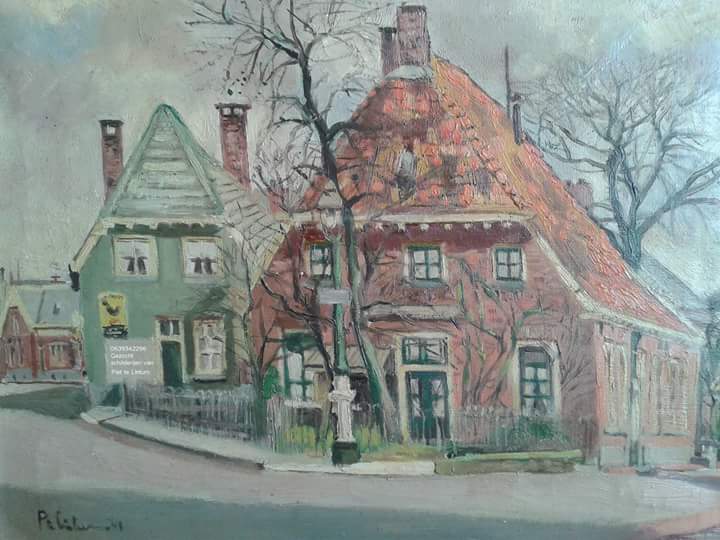
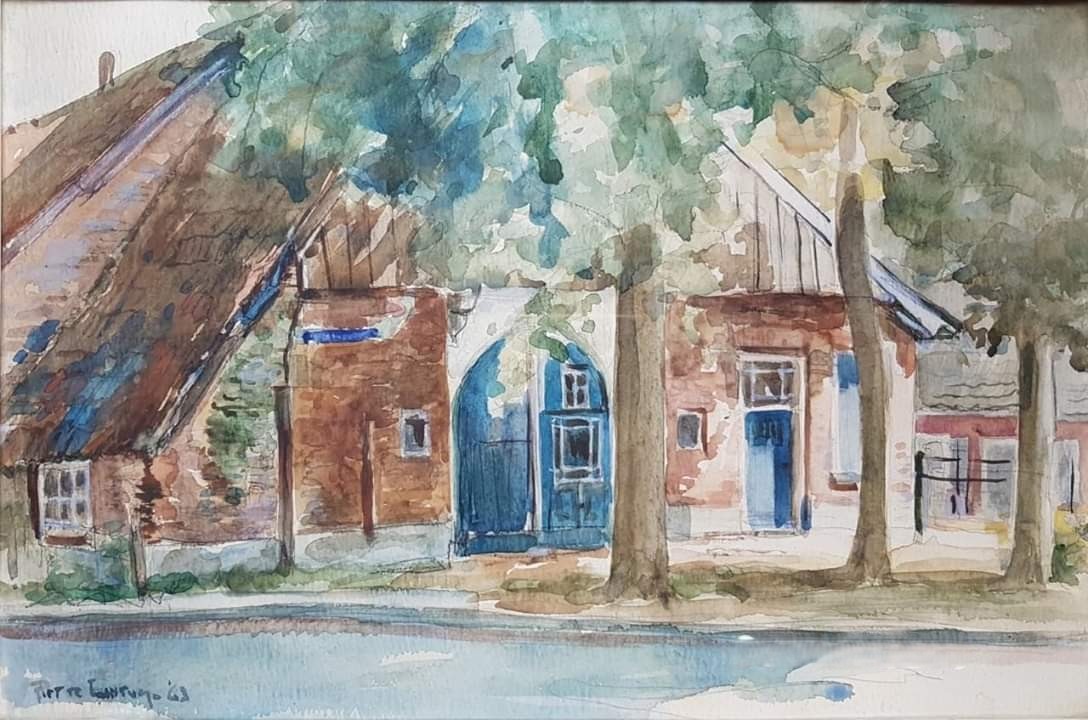
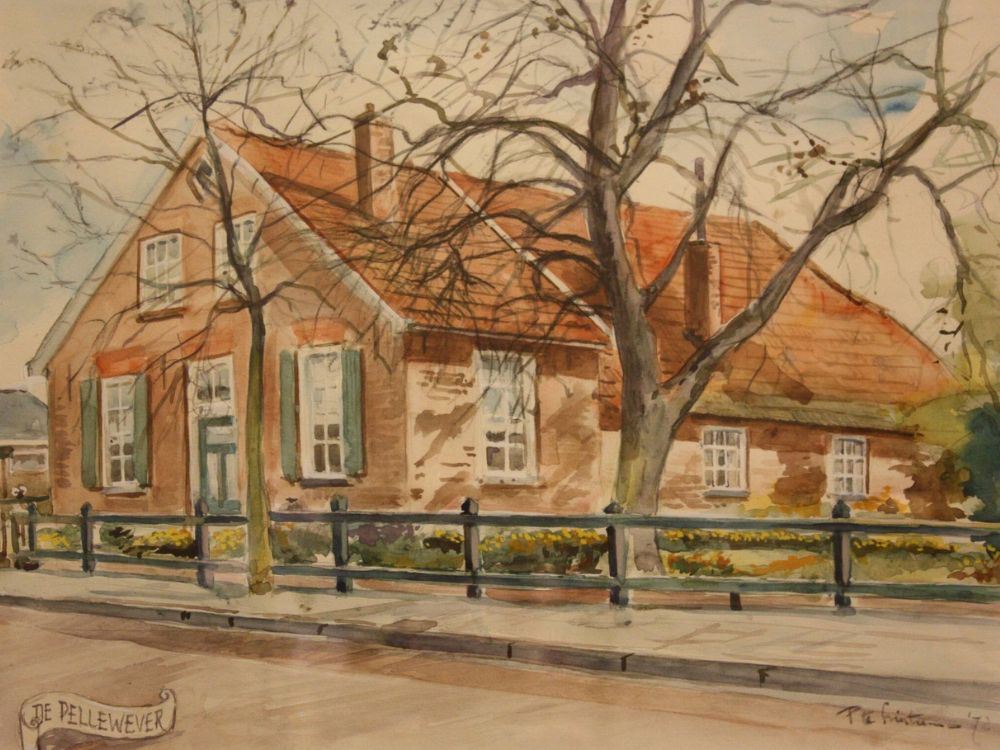
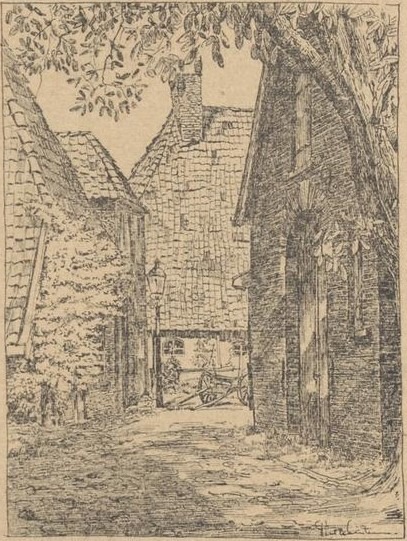
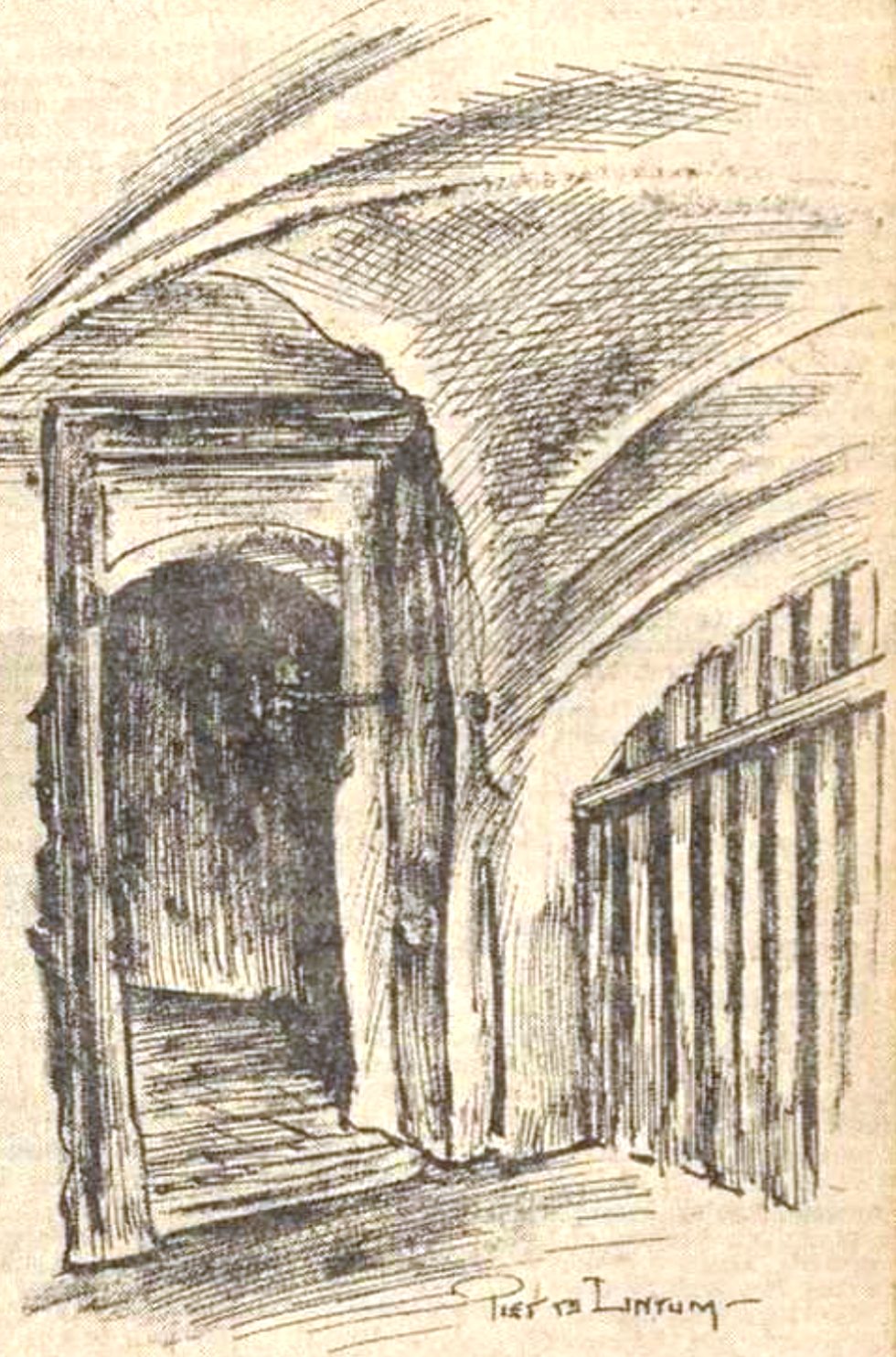
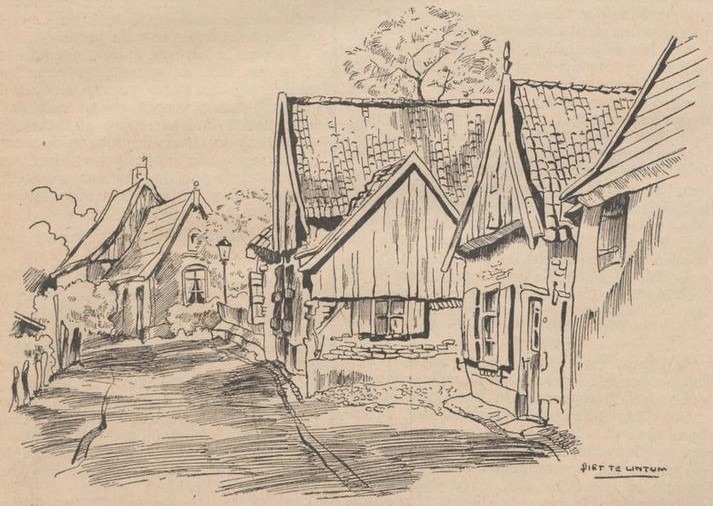
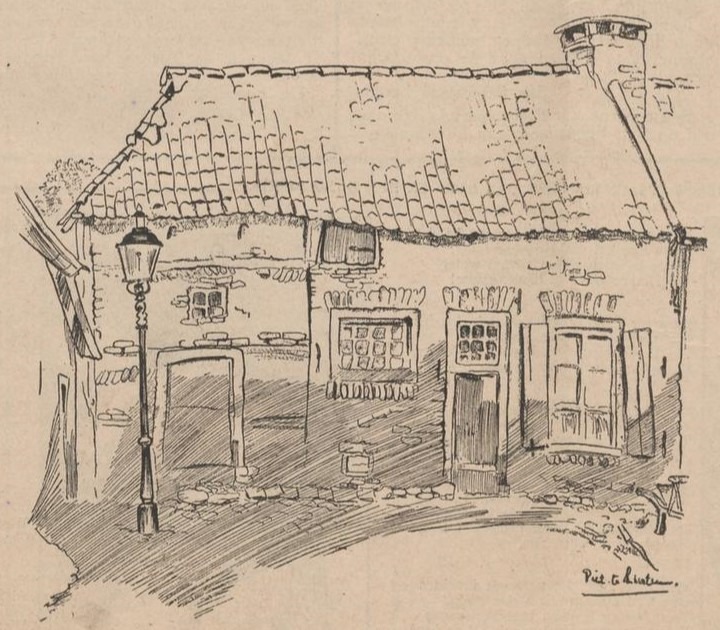
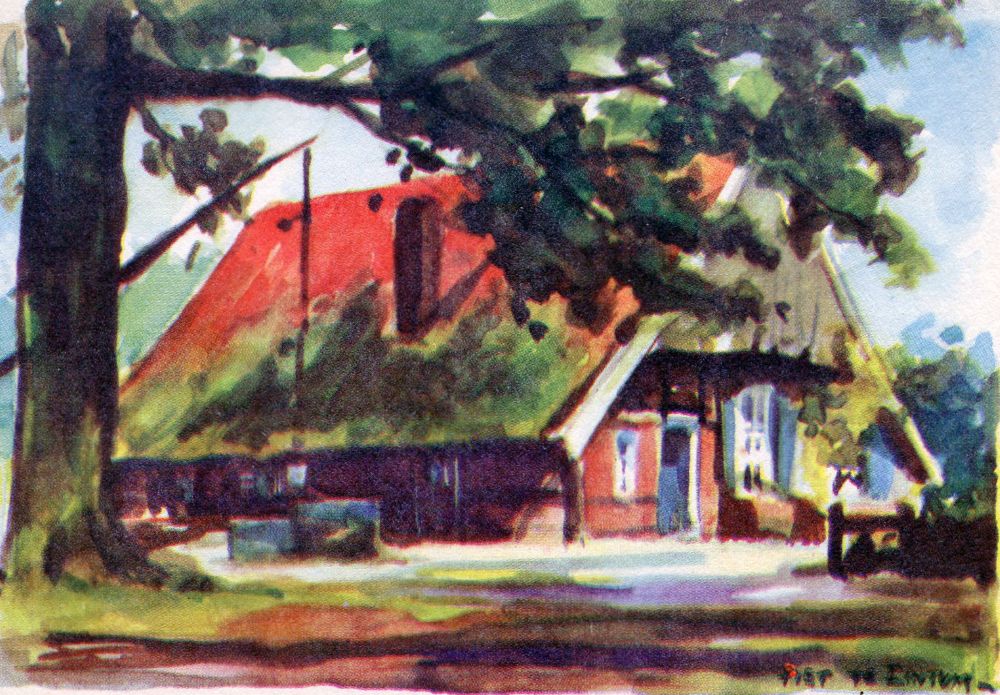
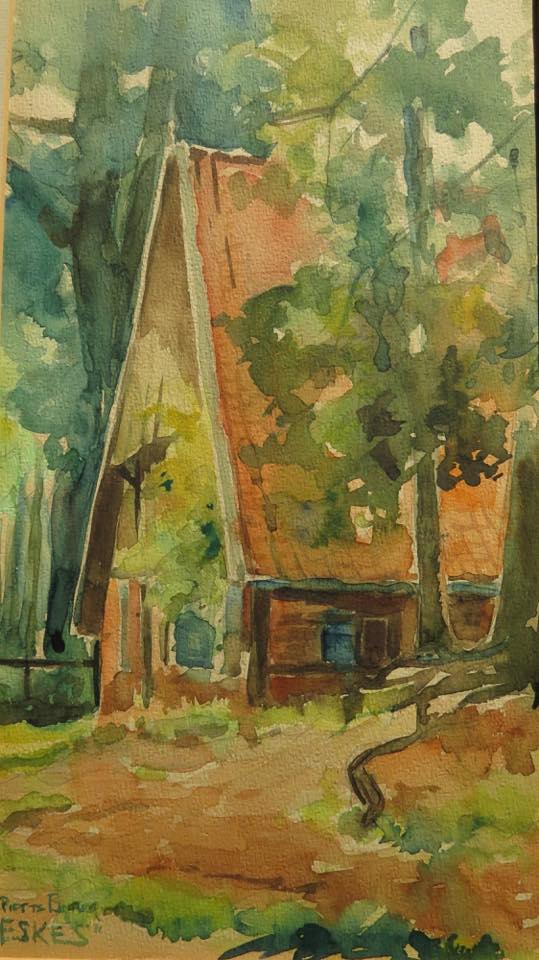
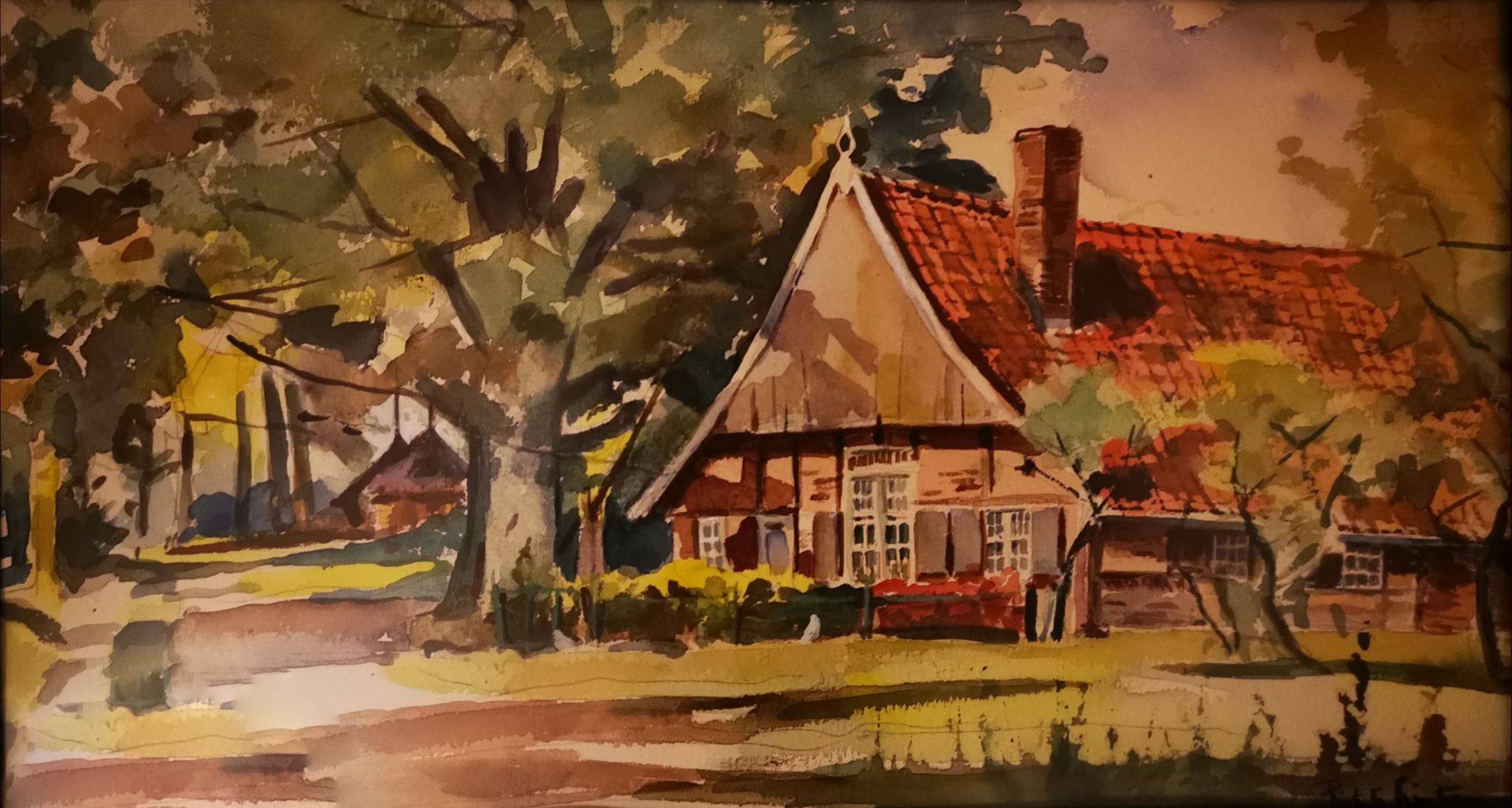
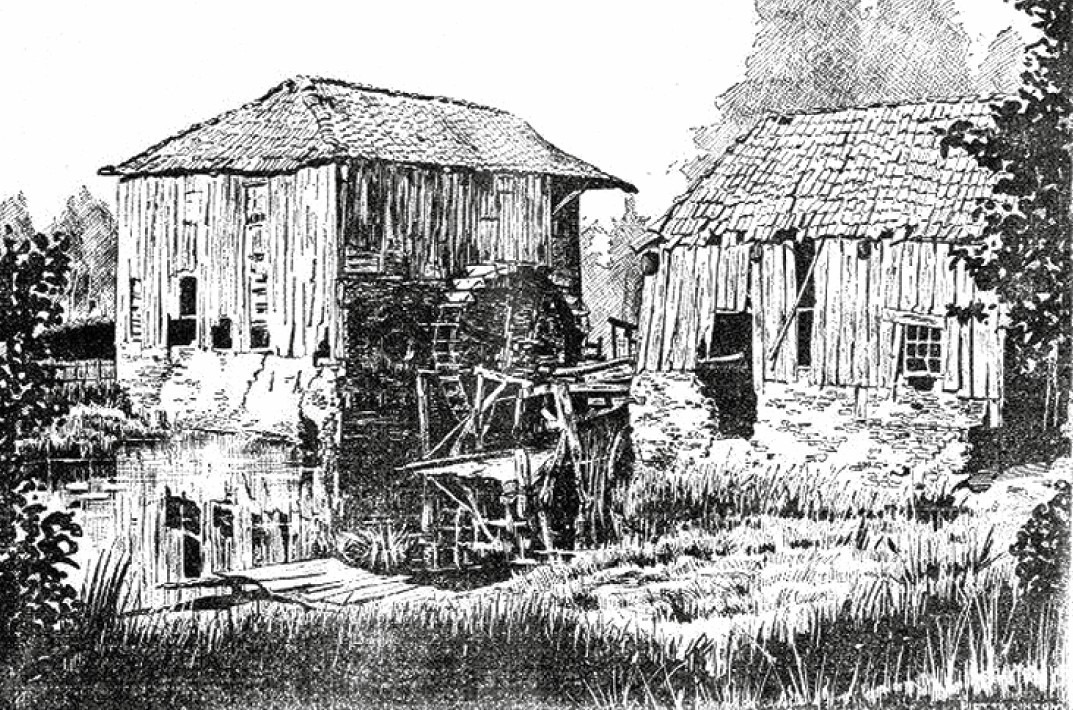
Piet te Lintum is particularly renowned for his paintings of dilapidated buildings. He shunned the modern and rectilinear. For him, the rule was: the older and more decayed the building, the more beautiful the picture as a whole. In doing so, he was not merely interested in the romantic imagery of neglected houses and farms; through his works, he also sought to draw attention to local history.
Te Lintum zag destijds al met lede ogen aan dat er steeds meer oude gebouwen met een verleden werden gesloopt voor herinrichting van het Achterhoekse landschap. Het boerderijtje van Bernard Schlüter in het Duitse Südlohn en het Kuupershuusken in Bredevoort zijn om deze reden steen voor steen wederopgebouwd. Allemaal ten behoeve van de rijke, lokale geschiedenis.
Legacy
On 1 May 1985, Piet te Lintum passed away in Winterswijk. His work lives on in the memory of many, not least thanks to the book Wat ik te zeggen heb… (What I have to say…) by Hans de Beukelaer, which pays tribute to his life and work. More than 500 of his pieces were tracked down for the publication. Although a large portion of his murals have not withstood the test of time, his paintings of farms, buildings and regional views remain lasting testaments to his love for the Achterhoek.
Werk
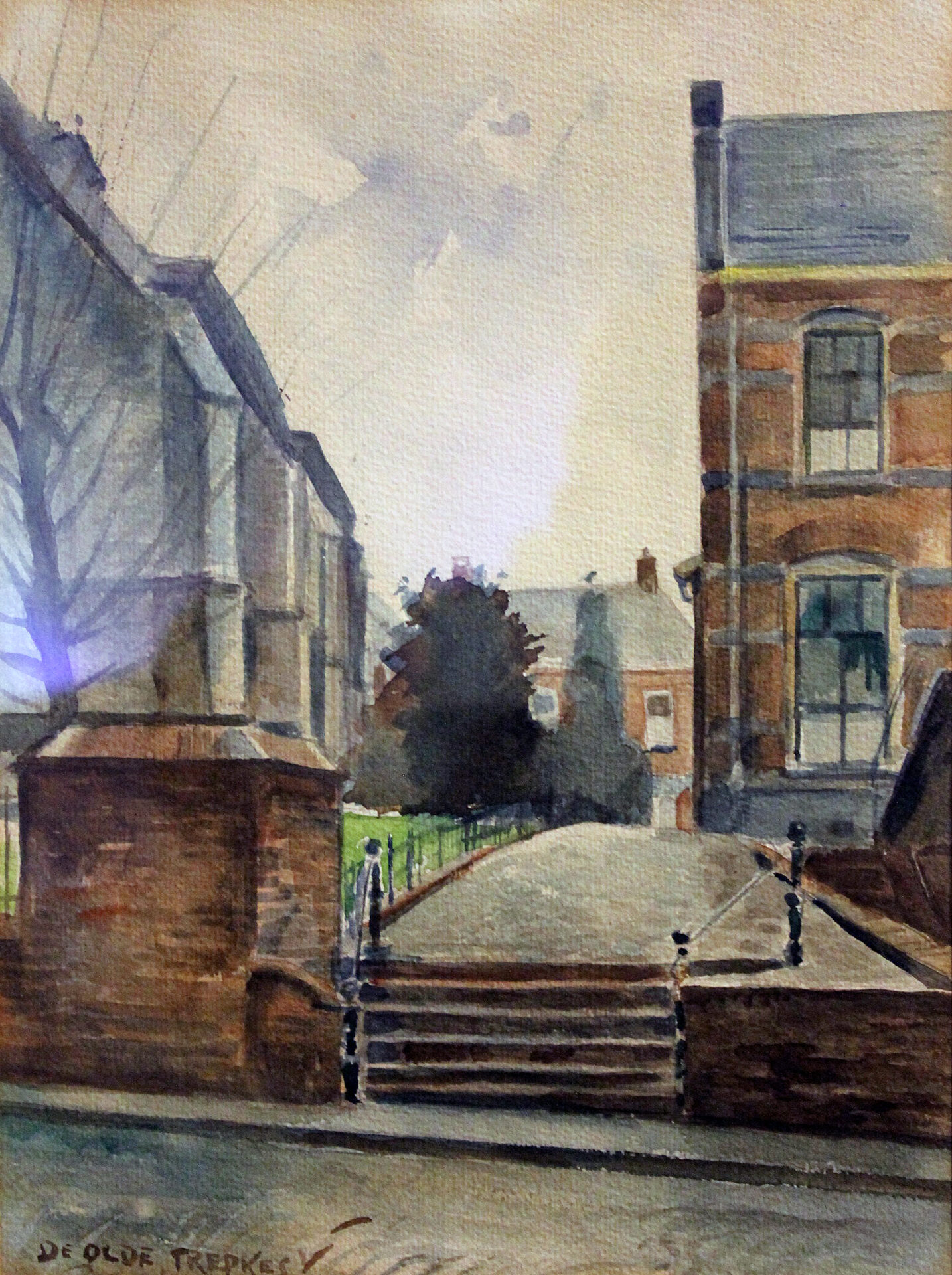
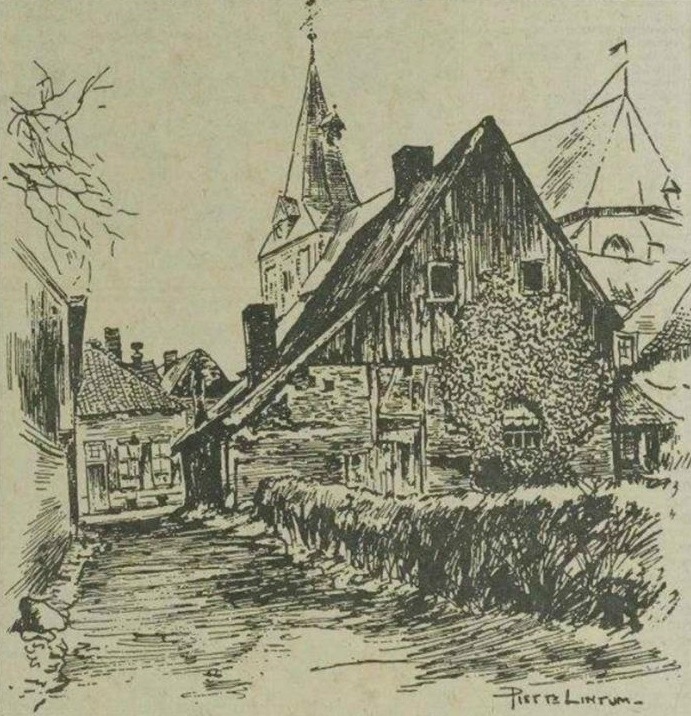
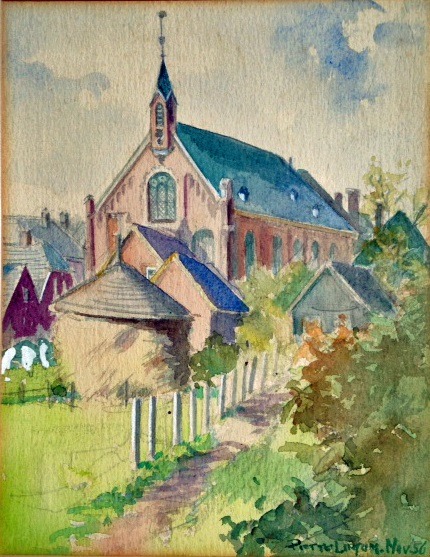
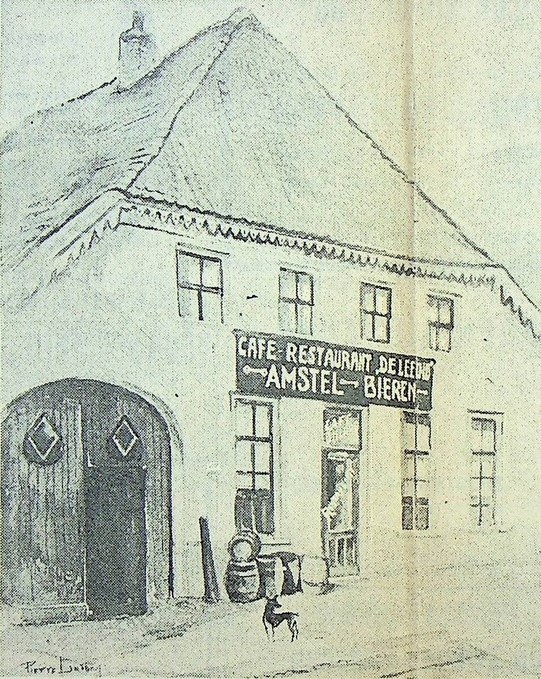
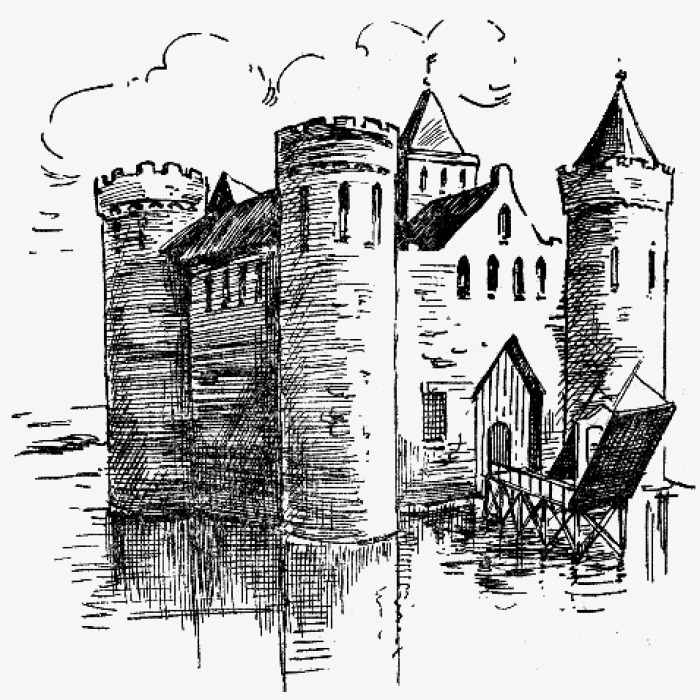
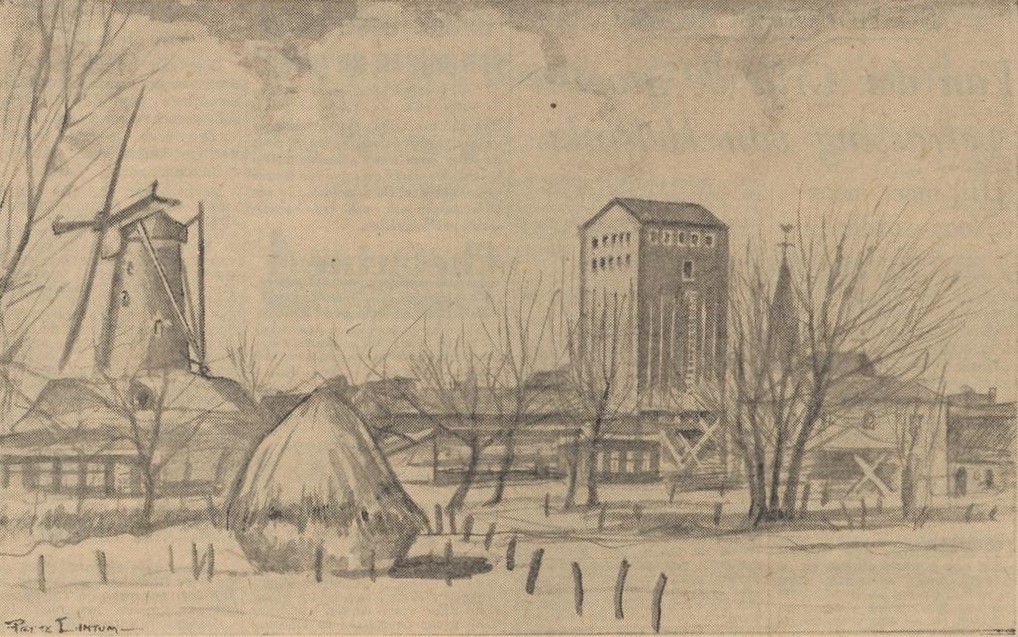
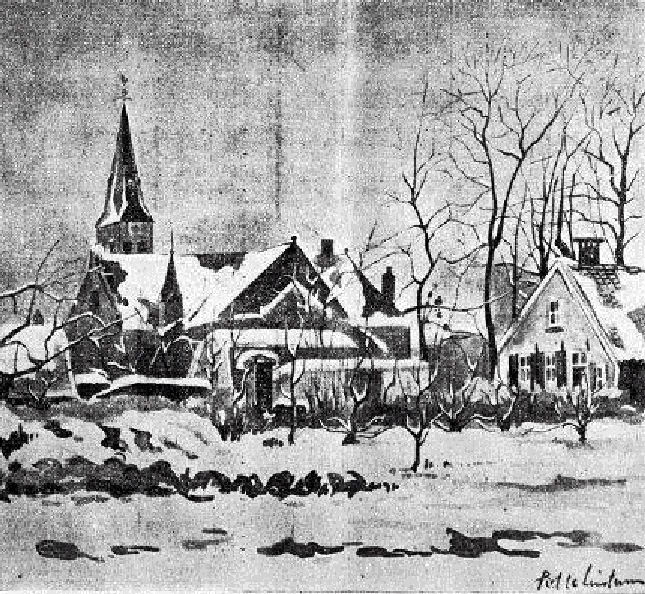
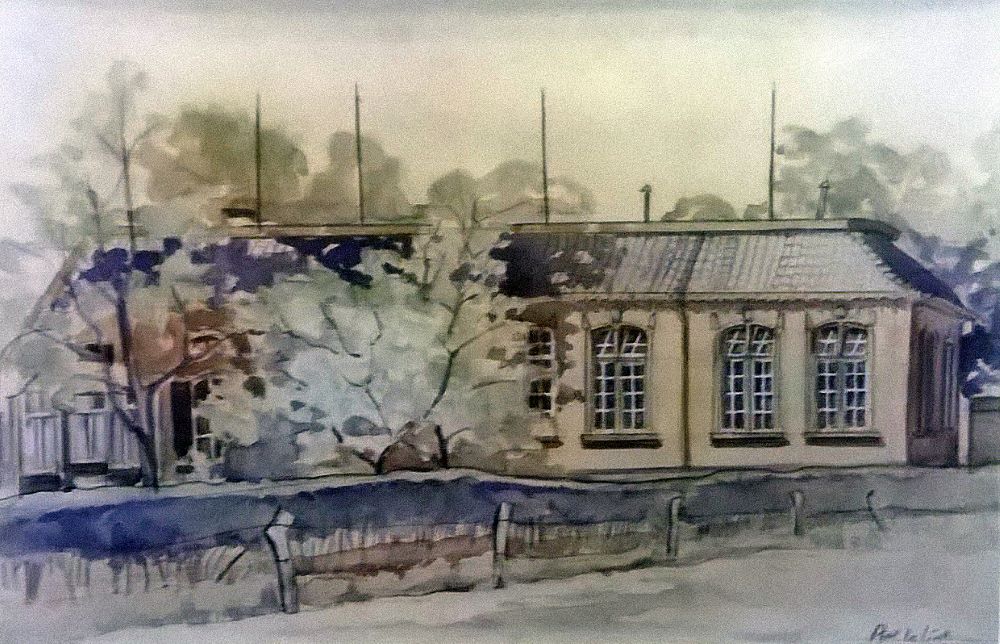
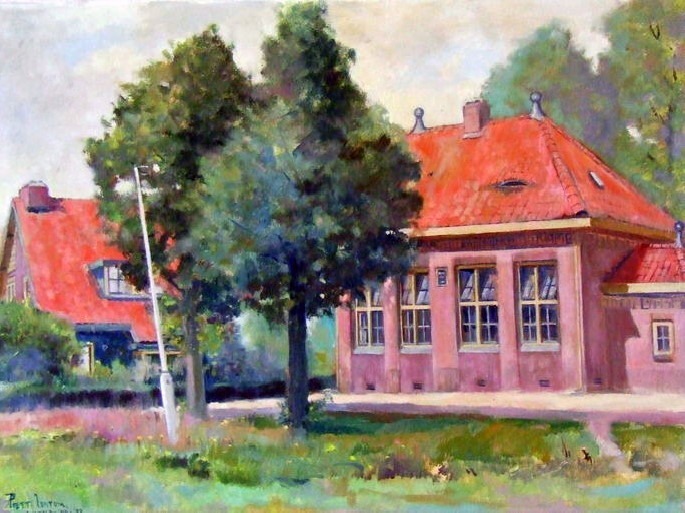
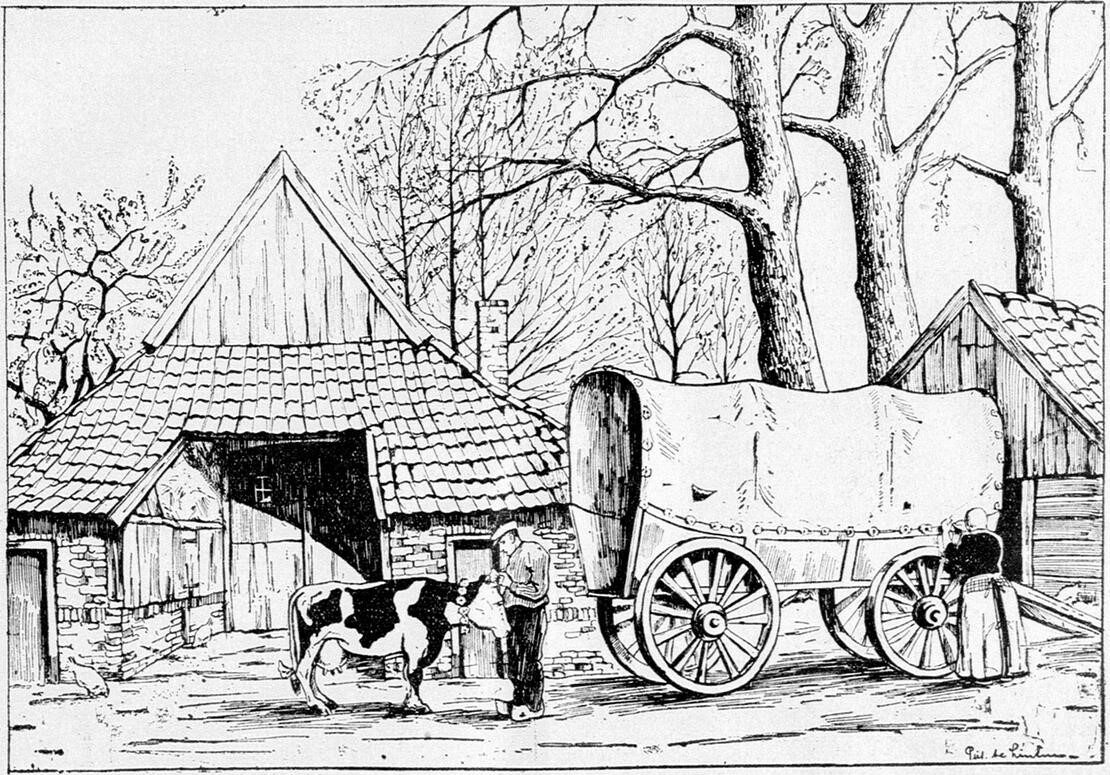
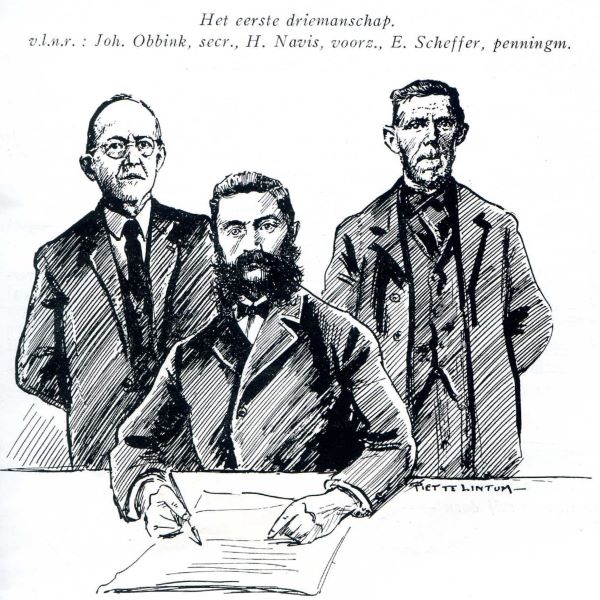
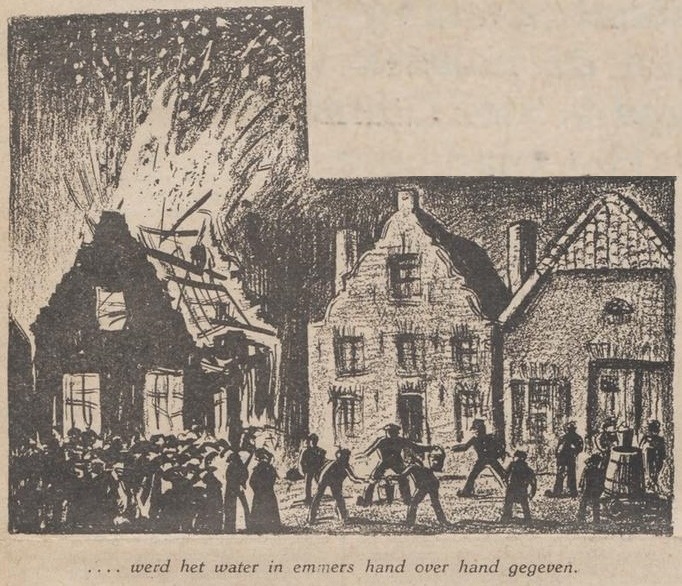
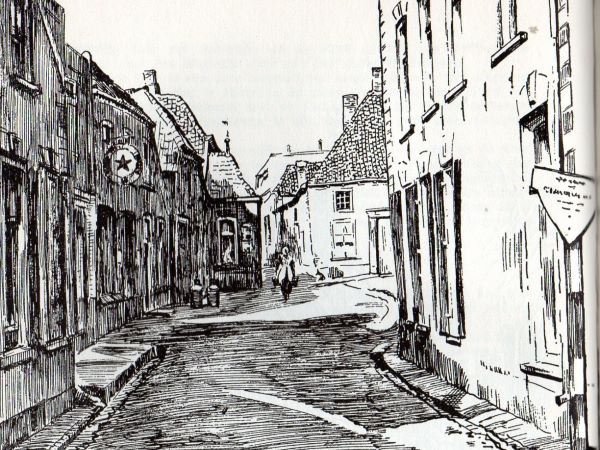
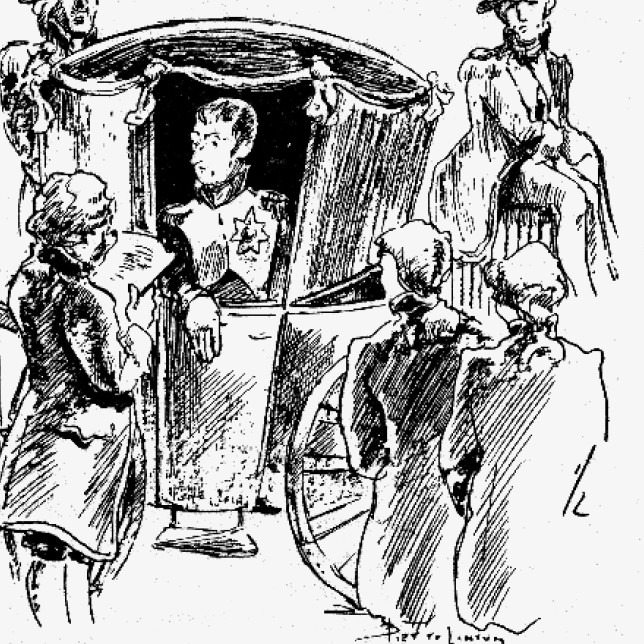
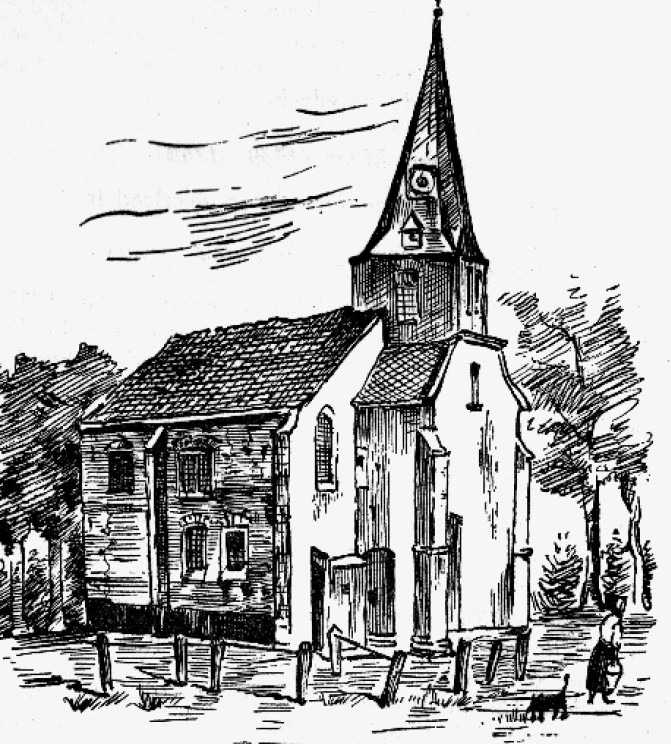
A selection of works by Piet te Lintum:
Recommended reading
- ‘Wat ik te zeggen heb…‘, Piet te Lintum’s picturesque journey through the Achterhoek and the nearby border region
Hans de Beukelaer en Jos Betting - ‘Schilders uit de Achterhoek & Liemers, 1850-1950′
Jan Stap en Jacob Schreuder - An article about Piet te Lintum was published in the March 2021 issue (Oer/39) of the cultural-historical magazine for the Achterhoek and Liemers. This magazine is still available from the ECAL (Heritage Centre Achterhoek and Liemers) in Doetinchem.