
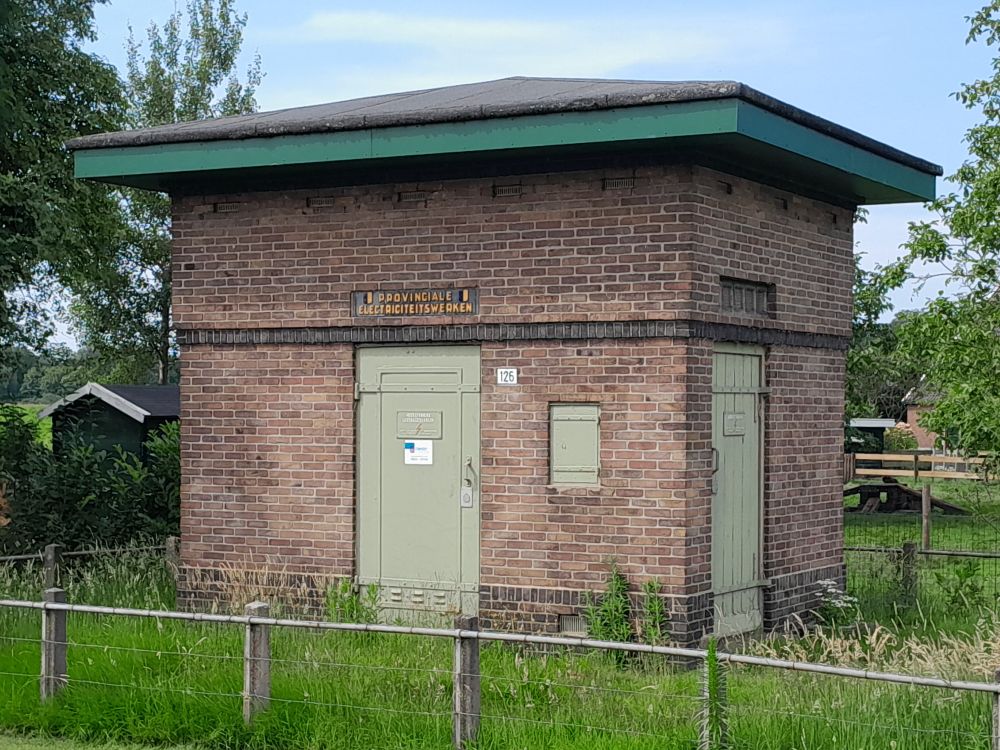
Dozens of transformer substations, also known as 'trafohuisjes', are spread across the municipality of Aalten. These substations are designed to convert (transform) high voltage (10,000 Volts) into a lower voltage (230/400 Volts) that can be used in our homes and businesses.
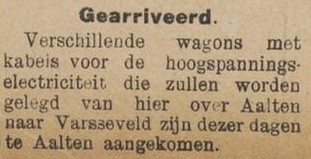
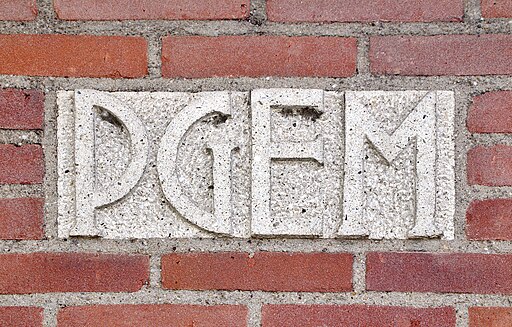
The first transformer substations were built in the early 1920s by the Provinciale Gelderse Electriciteits Maatschappij (PGEM). In 1994, PGEM merged into Nuon and was split up in 2009. The current grid operator is called Liander.
Design
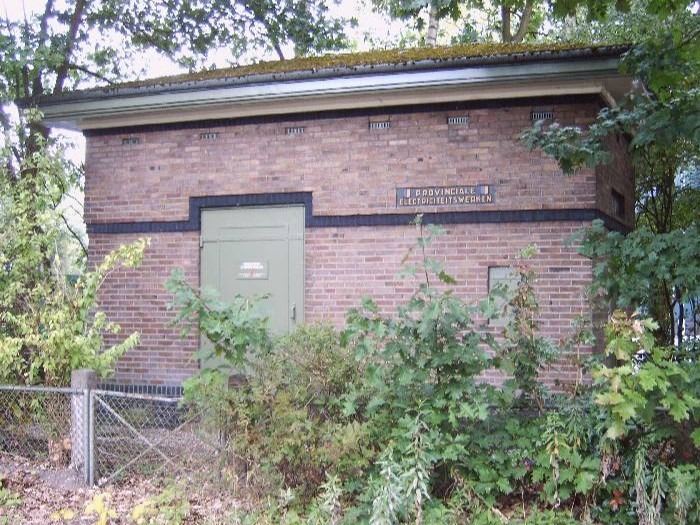
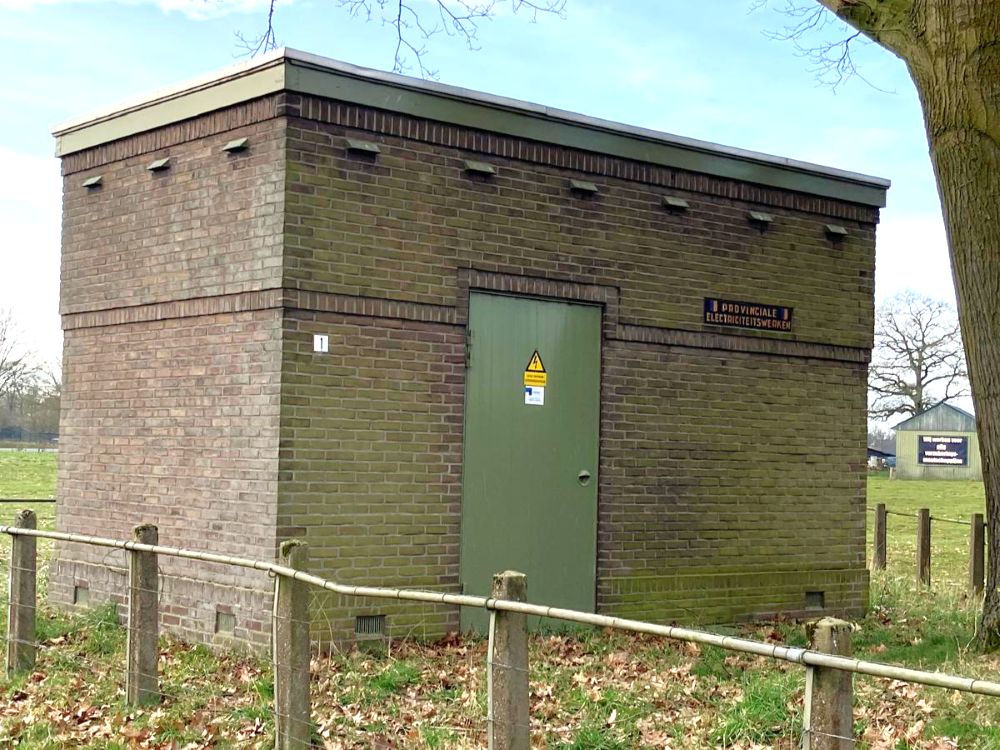
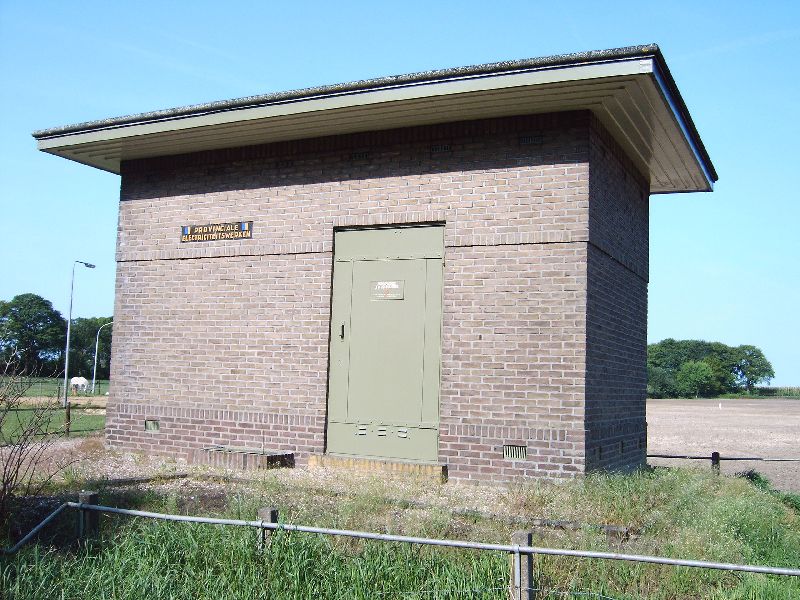
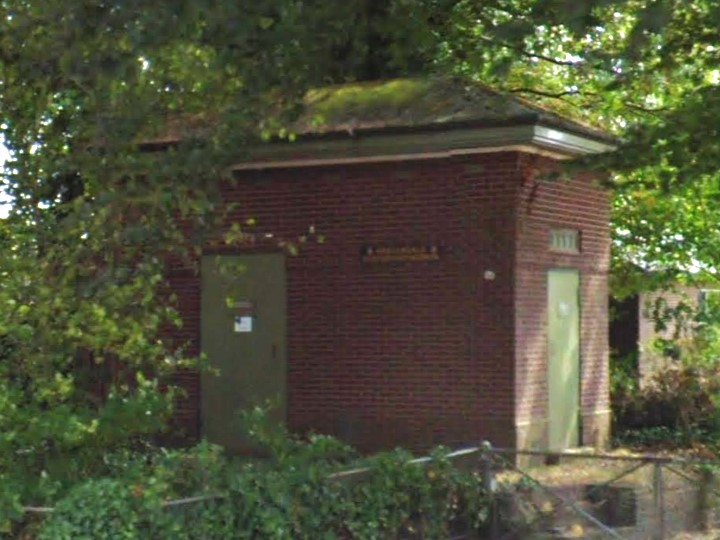
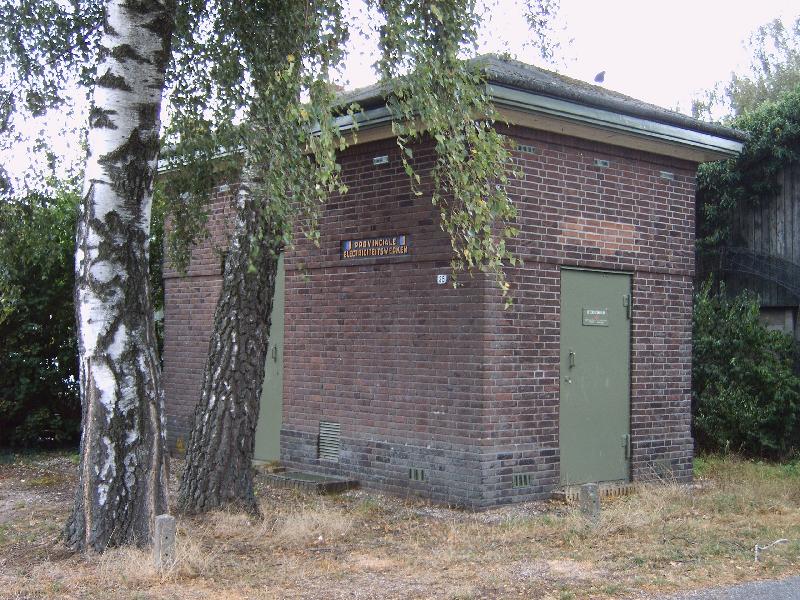
The oldest transformer substations were designed by Gerrit Versteeg (1872-1938), who was the in-house architect of PGEM at the time. They incorporate influences from the Hague School, the Amsterdam School, and Frank Lloyd Wright.
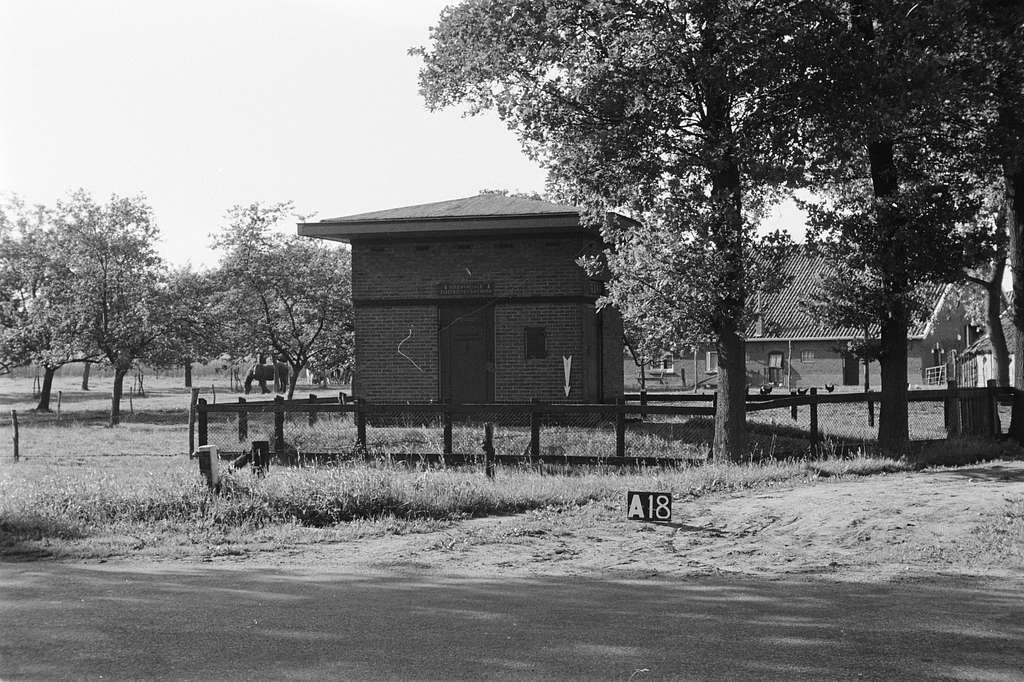
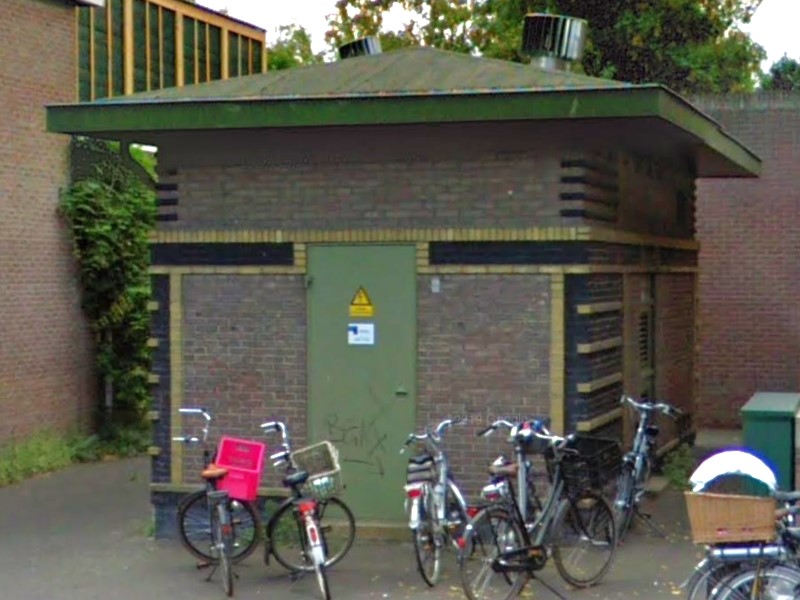
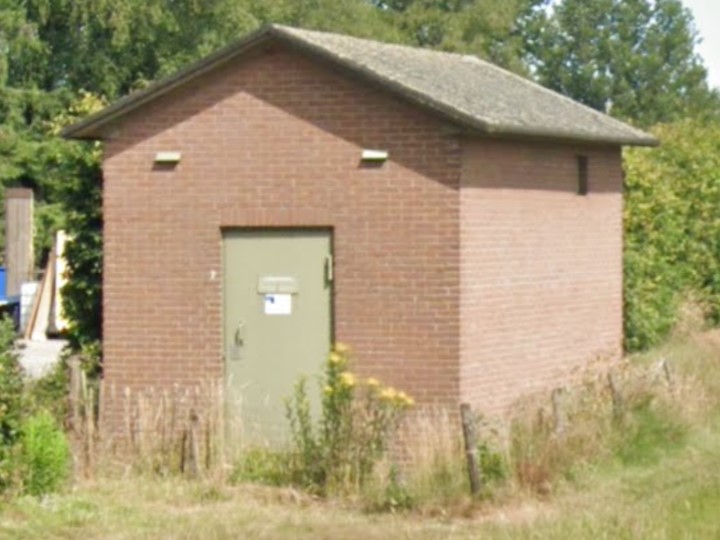
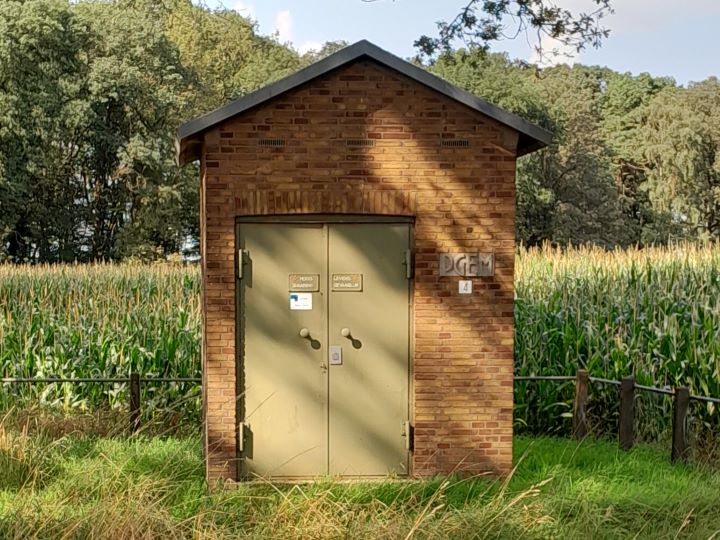
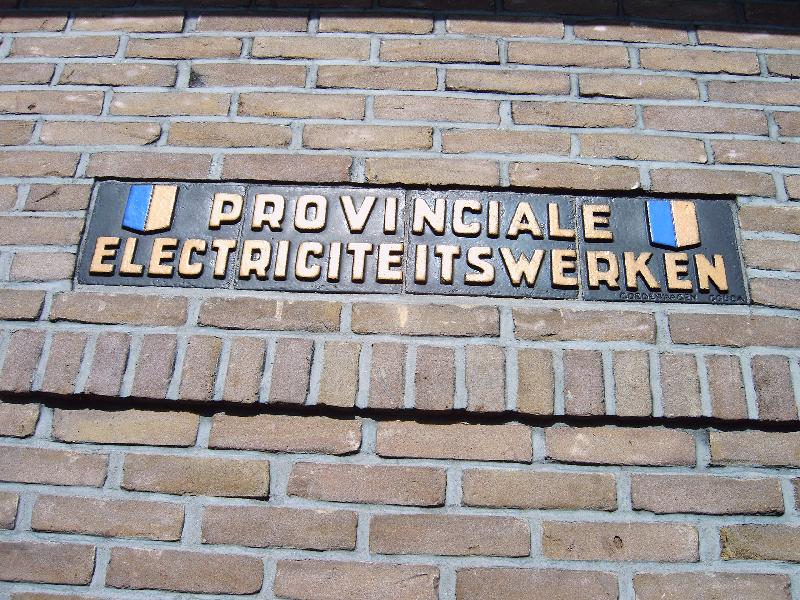
The buildings are often distinctive brick structures, usually with a rectangular floor plan and a single story with a hip roof, gable roof, or flat roof. The doors are frequently made of green-painted steel. The substations feature an inlaid nameplate made of concrete or tiles (from the Goedewaagen company in Gouda).
Cultural-historical value
The older transformer substations have a significant visual value. From a cultural-historical perspective, the buildings commemorate the electrification of the municipality of Aalten. Newer substations (from approximately the early 1980s onwards) usually have a purely functional design and are therefore not of interest from a cultural-historical point of view.
Many historical transformer substations in the Netherlands have been designated as (municipal) monuments. As of yet, no transformer substation is included on the monument list of the municipality of Aalten.
List of transformer substations in Aalten
Below is a list of all transformer substations in the municipality of Aalten, as far as we are aware (April 2025). A number of older substations may be of cultural-historical value and could potentially qualify for protected status. Substations built up to and including 1980 are also displayed on the map.

Corrections and additions
Have a correction or addition? Leave a comment below. We incorporate relevant information into the profile and then remove comments that have been processed. Your email address will not be published.
Tegenover Piet Heinstr 46 stond/staat er ook 1.
Ik keek er vroeger tegenaan vanuit mijn slaapkamerraam 😊.
Staat er nog
Liander is het afgelopen half jaar druk geweest met het versterken van het middenspanningsnet in het gebied De Heurne/IJzerlo. Daarbij zijn diverse oude trafohuisjes gesloopt, o.a. het trafohuisje Dinxperlosestraatweg 122 (op de kaart) en het trafohuisje bij Klokkenmakersweg 1(niet op de kaart)
De sloop van het Transformatorhuisje aan de Klokkemakersweg had ik eerder dit jaar al ontdekt.Er waren er meerdere van dit type denk ik.En of juist deze een groot verlies is weet ik niet.Maar de sloop van deze gebouwtjes gaat voort,voor dat er genoeg overleg over is geweest!
Nieuwsgierig naar wat Karin Swijtink op de foto heeft gezet.Overigens heb ik nooit geweten dat er aan nr.122 aan de Dinxperlosestraatweg zo'n huisje bij de manege heeft gestaan.Misschien niet wonderlijk,ik heb de eerste 18 jaar maar in IJzerlo gewoond.Of zou het kunnen gaan over een telefoongebouwtje IJzerlo14-1/Dinxperlosestraat 127.
Lintelo 159-1/Halteweg 11 daar is in 1952 een telefooncentrale verschenen.Dat hoort natuurlijk niet in deze rij thuis maar misschien wel van interesse.
Het lijkt er op dat sommige "markante" trafohuisjes gespaard gaan worden,zo vernam ik van iemand die in de buurt van Bredevoortsestraatweg 94 woont dat deze blijft,de nieuwe trafo gaat in de oude/vorige geplaatst worden.Misschien dat de werkplaats/opslag dat hierachter staat ook nog wel bij Liander in gebruik blijft.
Vandaag gezien dat alle rasterwerk rondom het Trafohuisje aan de Dinxperlosestraatweg 79-TR is verwijderd.Hoe gaat men om met vaak fraaie bouwsels als deze,of zoals die bij de HEMA(die is qua metselwerk nog mooier als deze aan de Varsseveldsestraatweg).
Leave a comment