Old Aalten

Category: Military Police

  • Border Office & Tram Station Heurne

    Border Office & Tram Station Heurne

    Hamelandroute 91, Heurne (vanished)
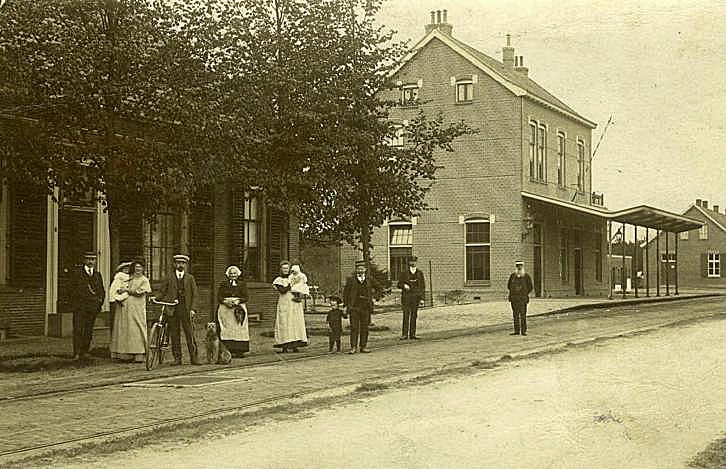
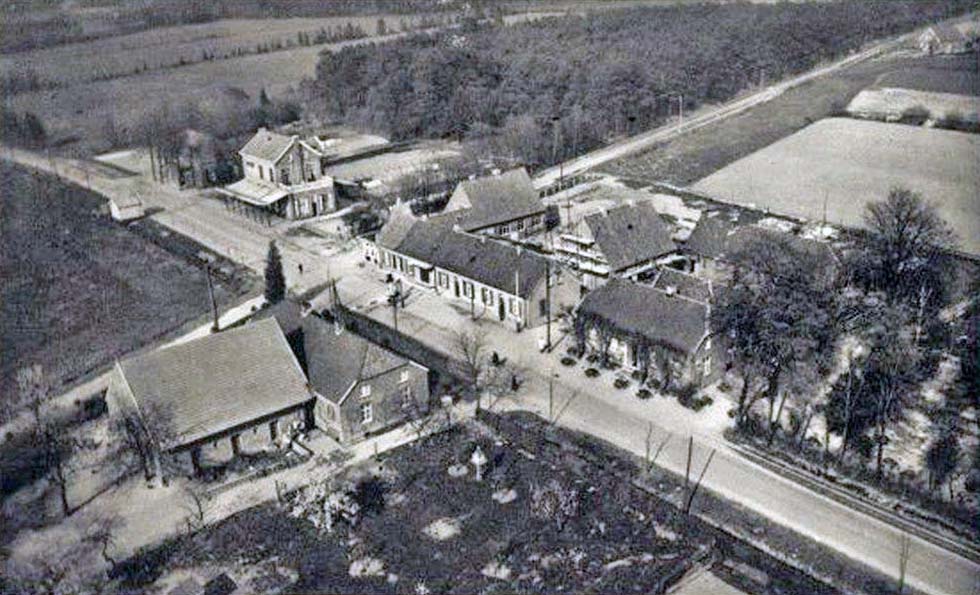
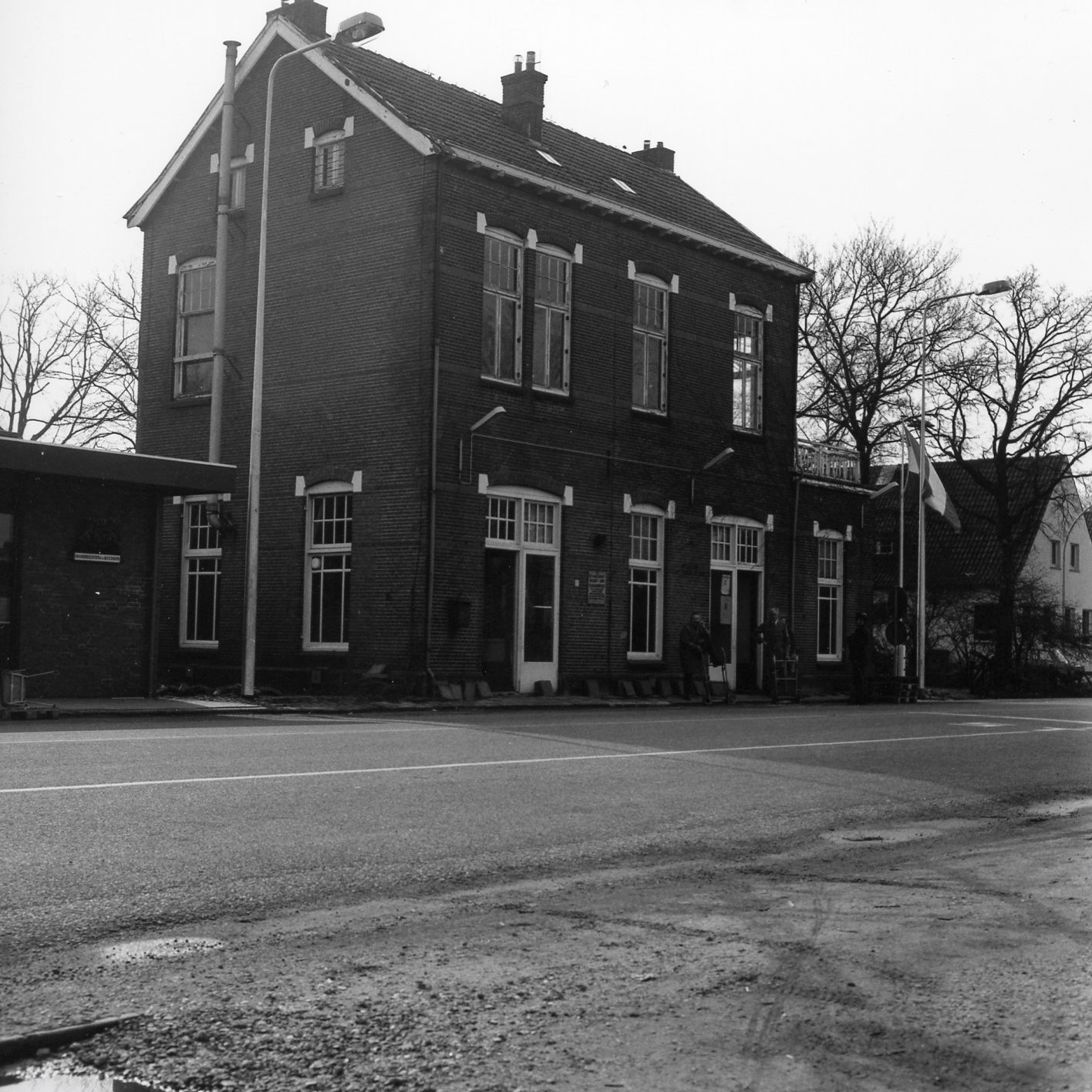
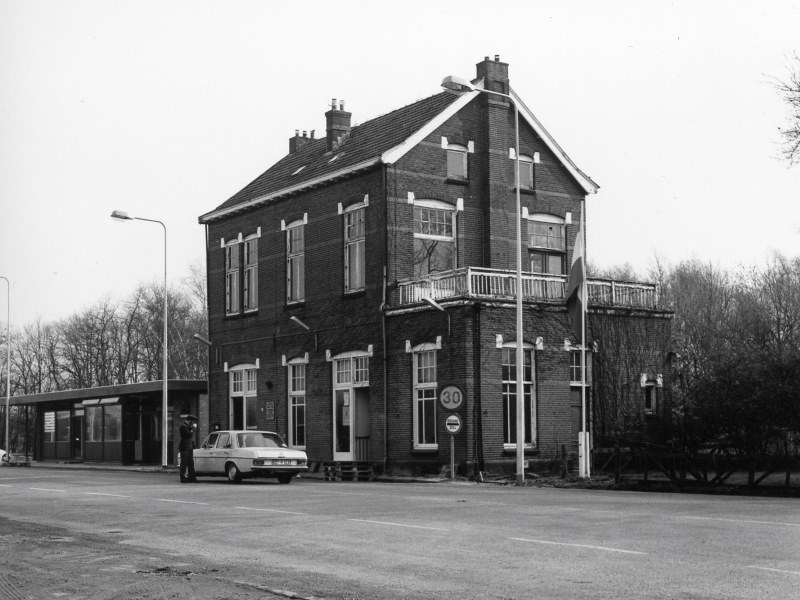
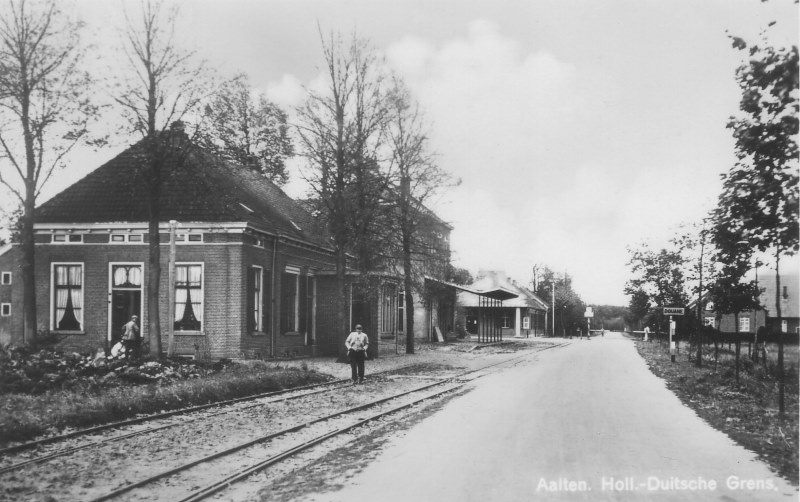
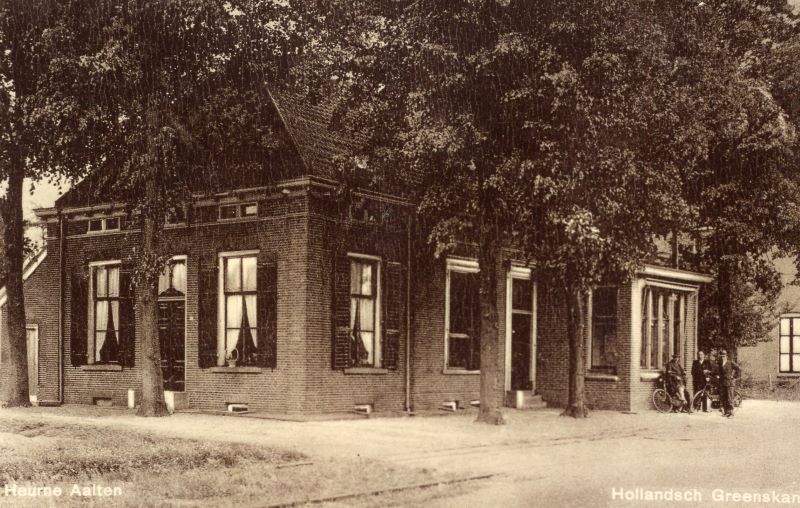
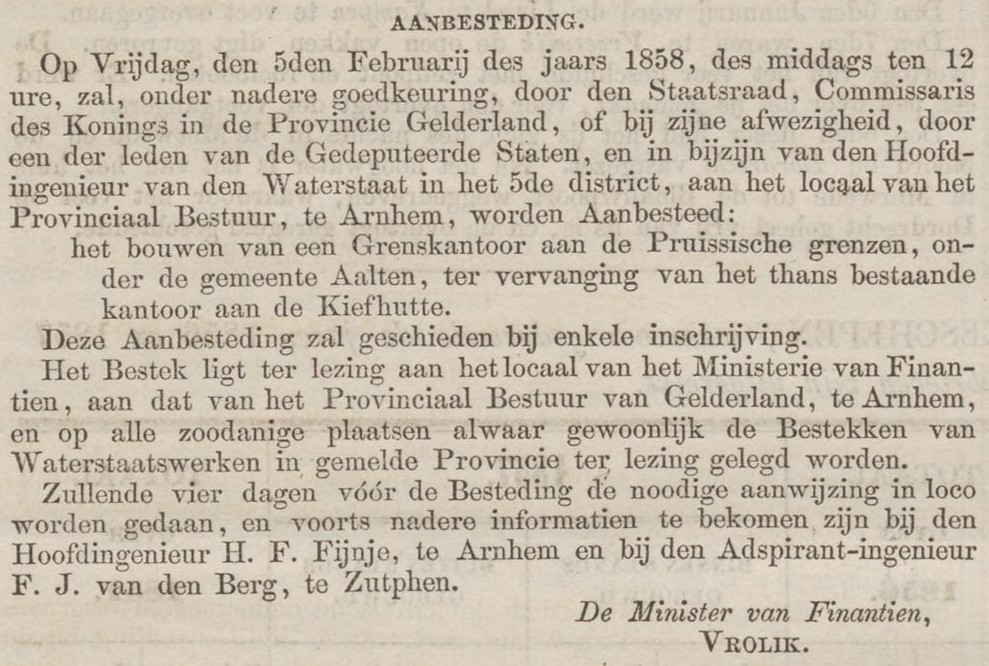
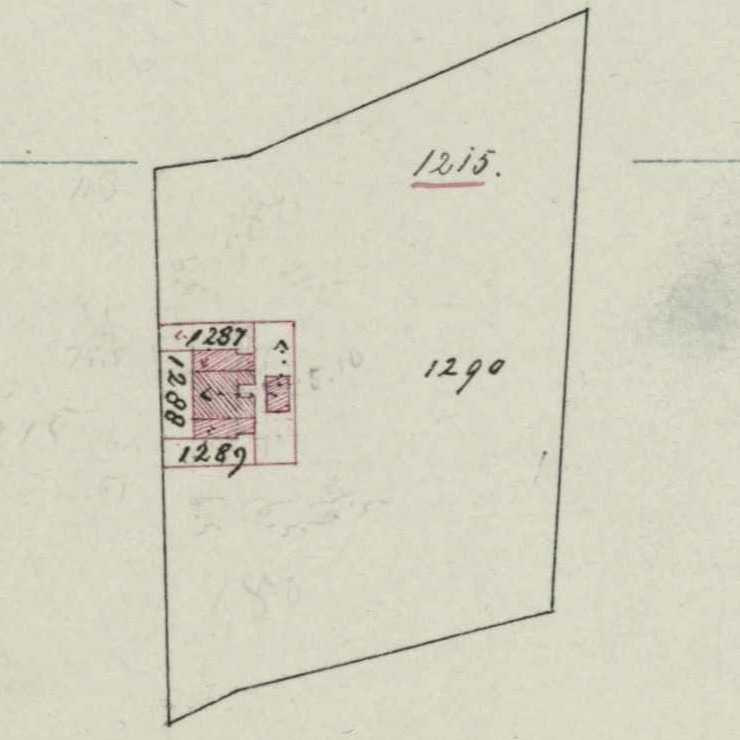
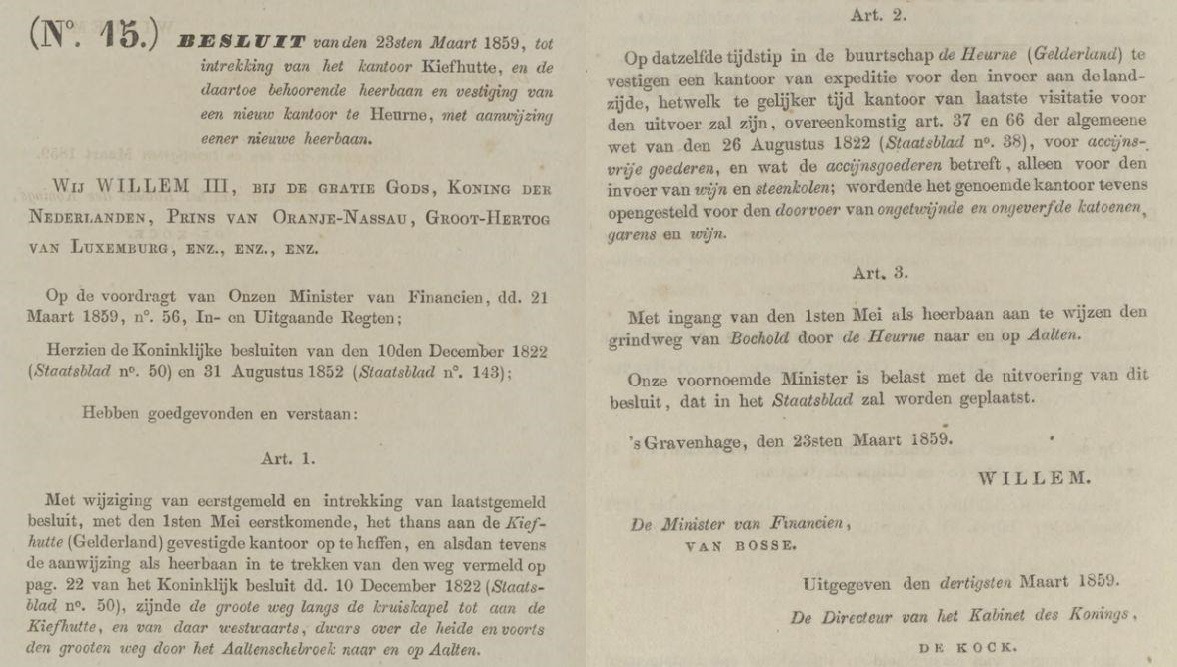
    In 1859, the border office in the Aalten Heurne was moved from the Bodendijk (now Kiefteweg) to the former Bocholtscheweg, the current Hamelandroute. This was the building on the left in the photo above.

    Tram and marechaussee

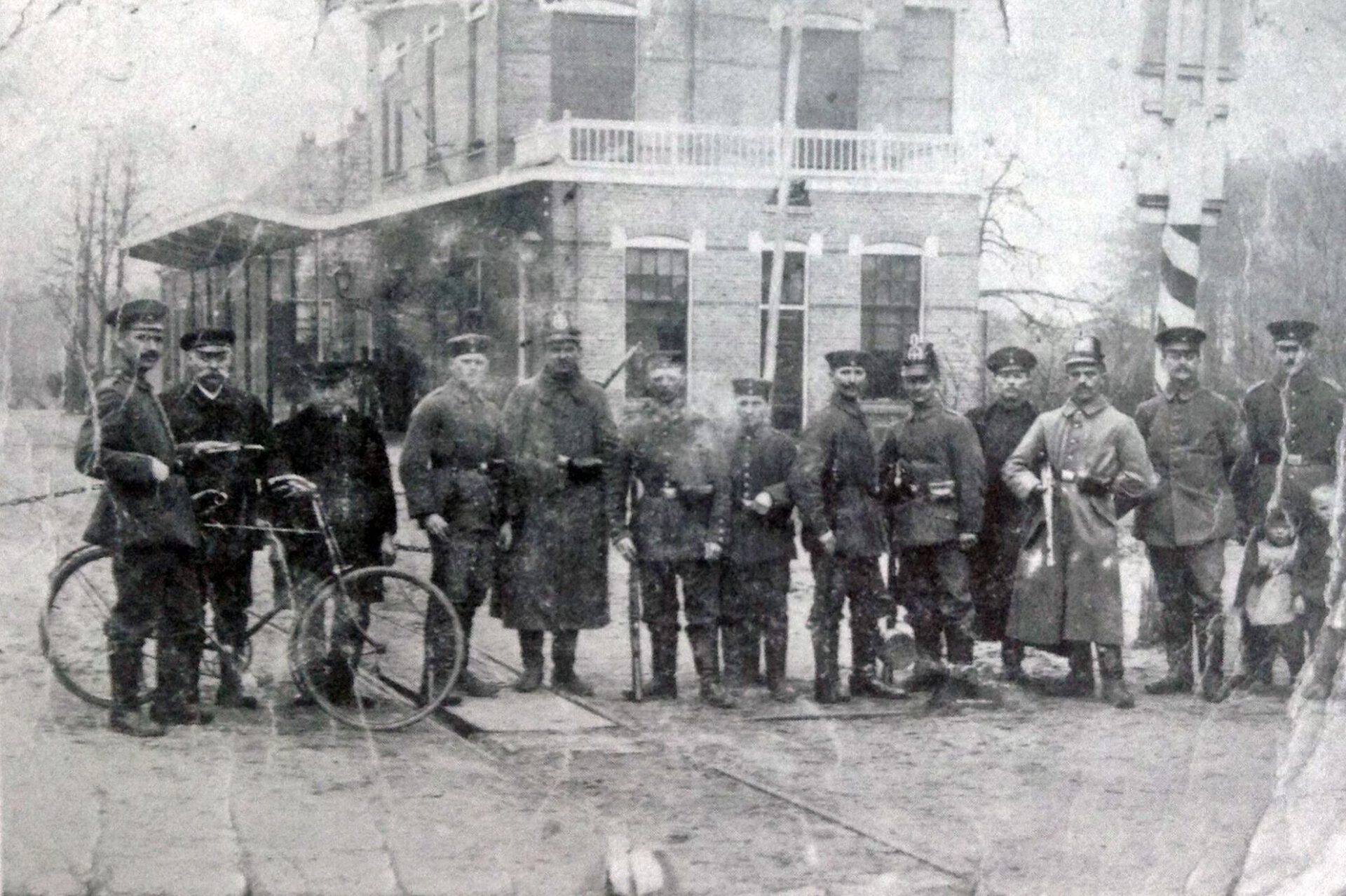
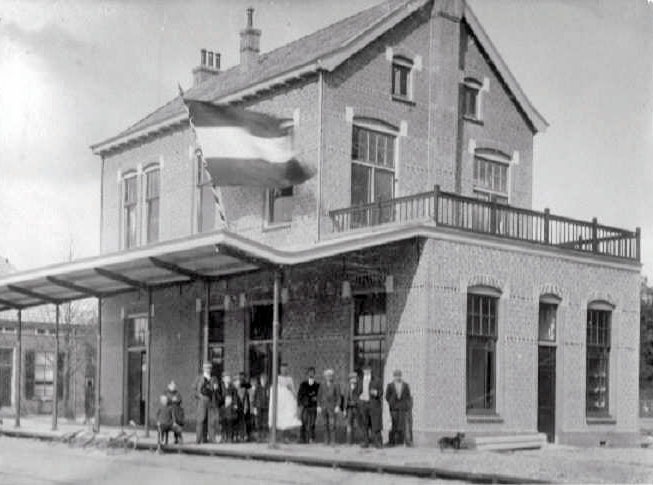
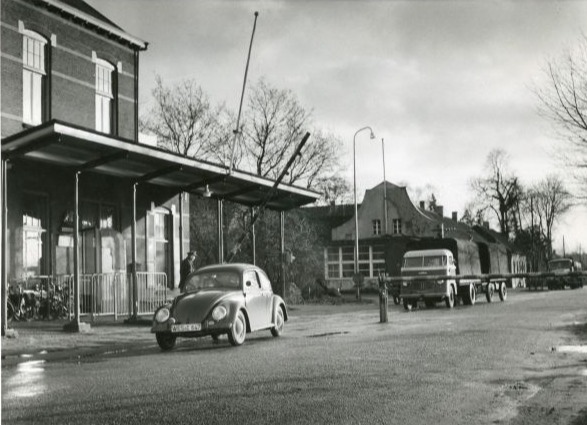
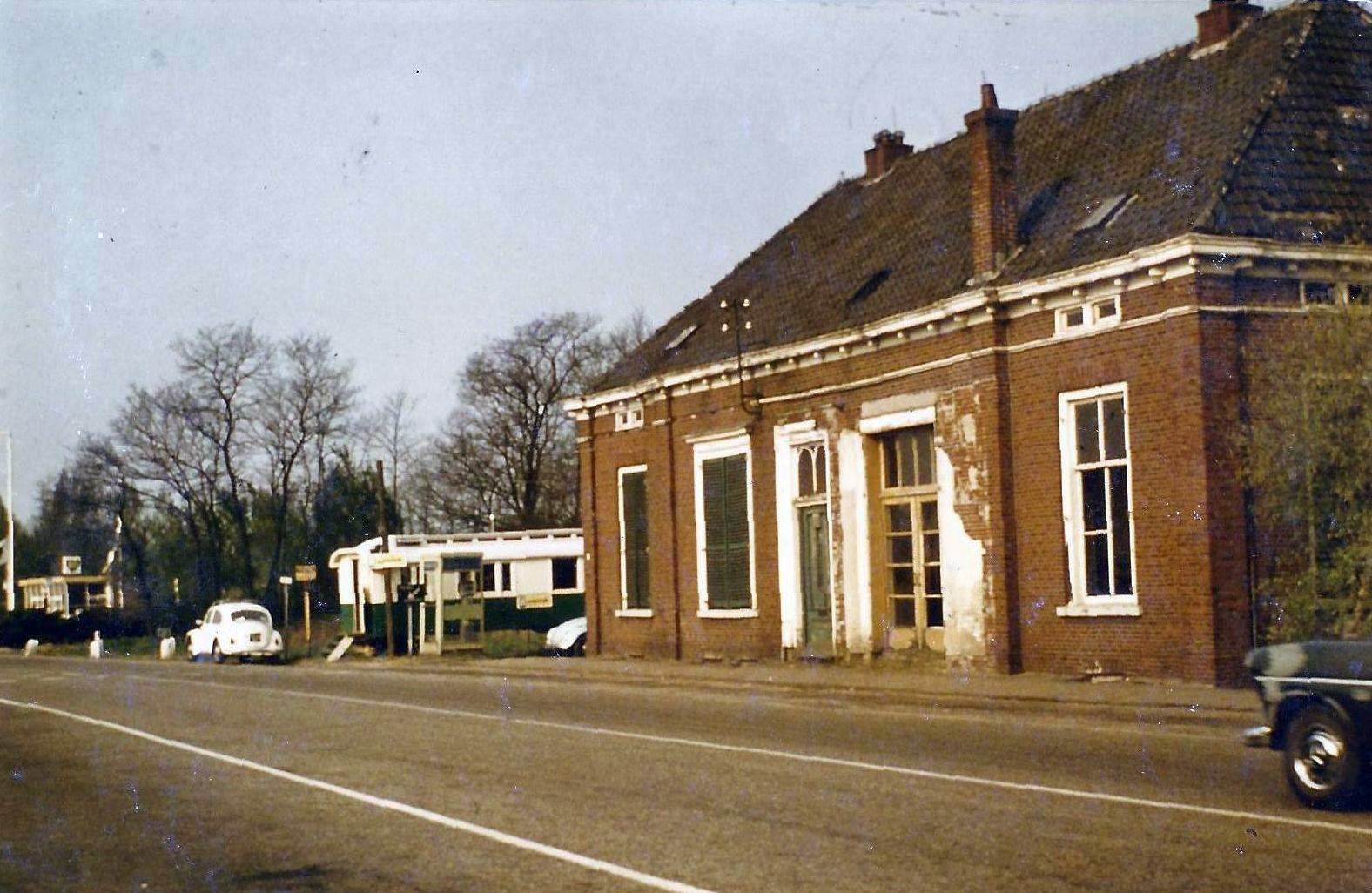
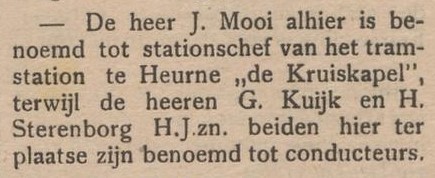
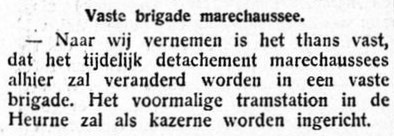
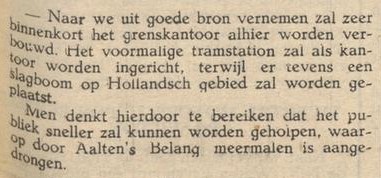
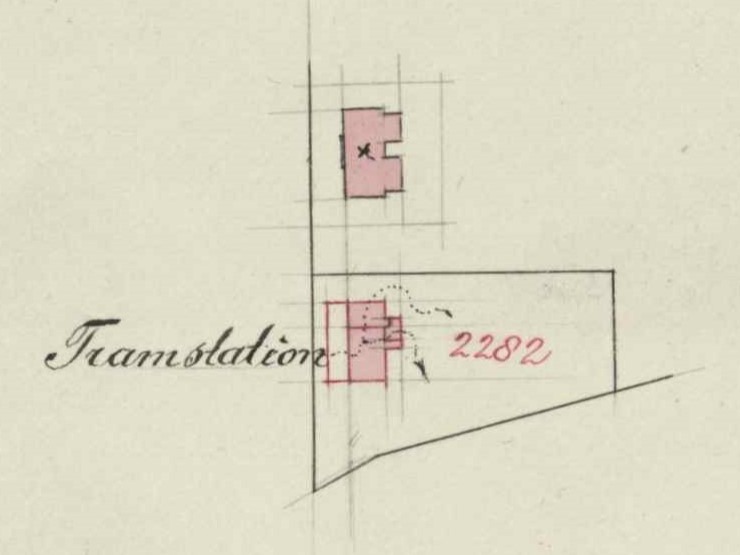
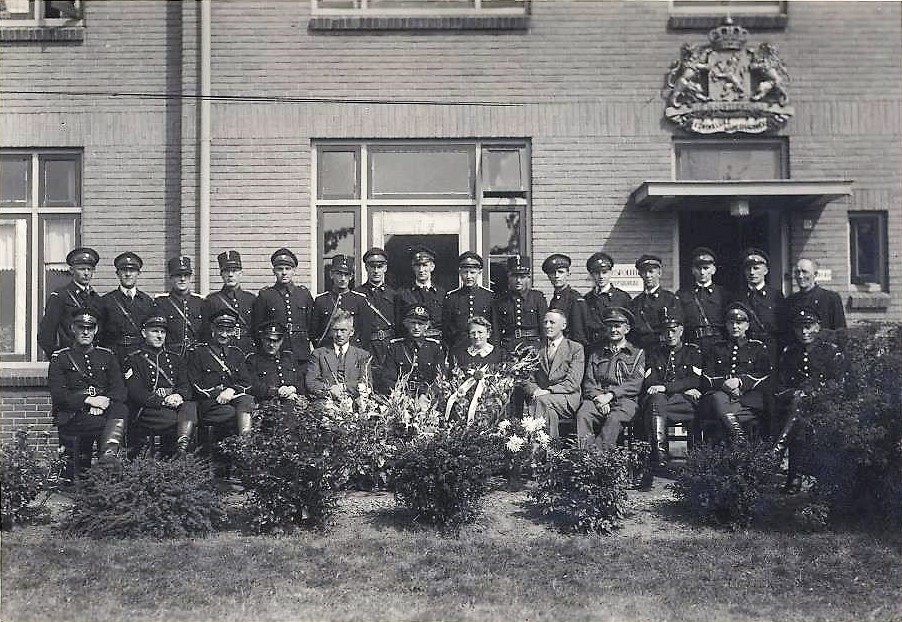
    In 1910, a station for the steam tram on the Bocholt-Aalten-Lichtenvoorde line was erected next to the border office (the building with the veranda, on the right in the photo above). In 1932, this tram station was converted into a marechaussee barracks. In the late 1930s, the marechaussee moved to a new barracks on the Ringweg. The former tram station was converted into a border office. Around 1960, the ‘new’ border office was stripped of its characteristic veranda.

    Border Office

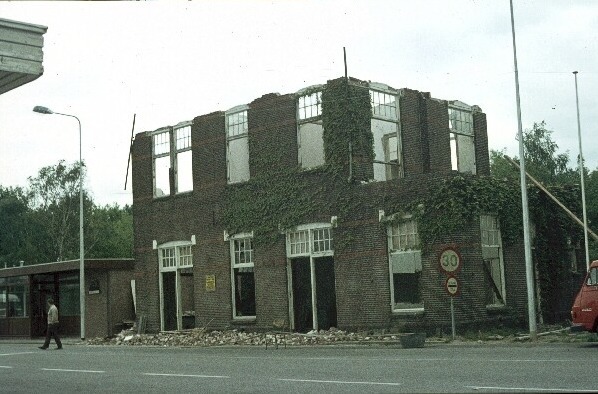
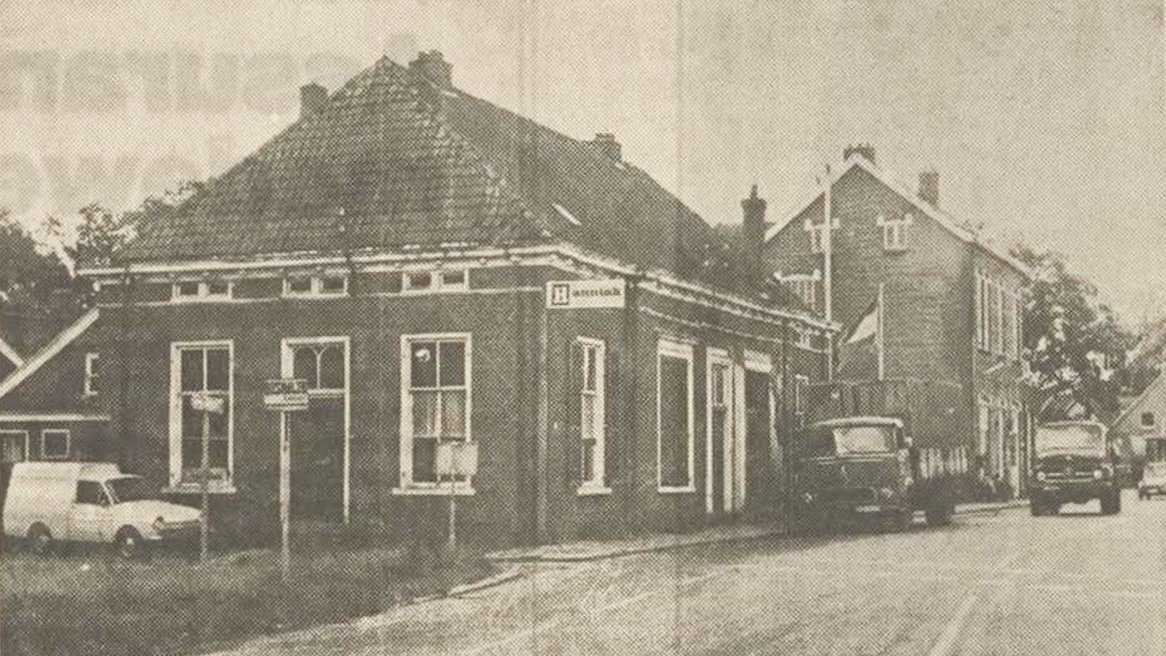
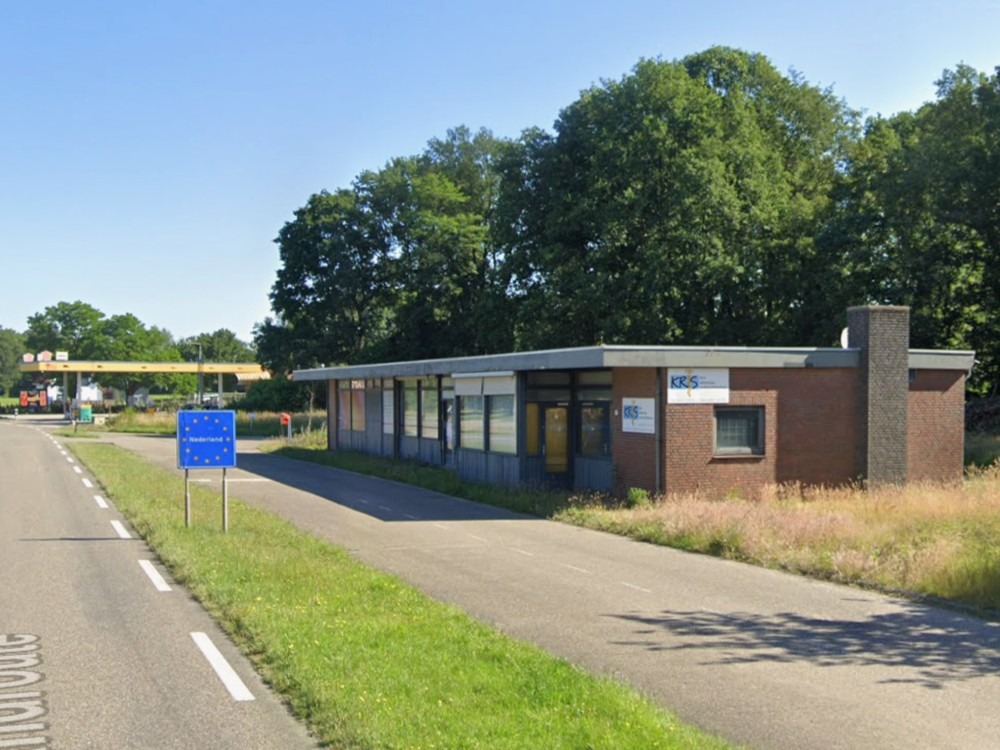
    In the mid-1970s, the old border office from 1859 was demolished. Subsequently, a modern single-storey office was built on the same site. After this new building was completed, the former tram station was also demolished.

    It was a busy border crossing. The customs post was manned 24 hours a day. During peak periods, fifty to sixty customs officers sometimes worked there. Following the establishment of the Schengen Agreement, the customs post was permanently closed on December 31, 1992. The office remained in use for years afterward by various small businesses. It was demolished in 2024.

    Features


    Cadastral no.R-689
    Old border office
    FunctionBorder Office
    Year of construction1859
    Demolitionca. 1975
    Old tram station
    FunctionsTram station,
    Marechaussee barracks, Border office
    Year of construction1910
    Renovation1932 and 1939
    Demolitionca. 1975

    Photo album


    Newspaper reports

    Owners

    This overview is incomplete.

    YearPlotOwnerDescription
    1861E-1287State Domains180 m² house, yard
    1883E-1287
    E-1288
    E-1289
    The State180 m² house, yard (Heurne 18)
    510 m² house, yard (Heurne 19)
    180 m² house, yard (Heurne 20)
    1911E-2282The State1,950 m² tram station, arable land, heath & pines
    1933E-2282The State1,950 m² tram station, national office, arable land, heath & pines
    1965E-2603The State1,837 m² national office, house, arable land
    1985R-264The State9.660 m² building, yard

    Residents

    Population register 1860-1870

    Heurne 15a

    Willem Baerts (The Hague, 07-01-1832), collector
    Frederica Jacomina Johanna Jacoba Cats (Groede, 08-26-1836)

    Subsequent residents (1862-1874):

    Gerrit Jan van Soest (Tiel, 11-05-1802), national collector
    Agatha Margaretha Woudenberg (Boxtel, 11-05-1809)

    Heurne 15b

    Cornelus Johannes Josias Morin (Venlo, 12-10-1819), clerk
    Geertruida van Heel (Nijmegen, 12-24-1833)

    Next residents:

    Jan Xavier Hoff (Clemency/L, 11-04-1807), clerk
    Lotta Antonetta Alberdina van der Beesten (Maasweil, 08-24-1836)

    Next residents:

    Jan Poppe Terweel (Blesse, 06-24-1828), clerk
    Anna Sophia Jacoba Zintgraaf (Amsterdam, 11-12-1832)

    Population register 1870-1880

    Heurne 18

    Gerrit Jan van Soest (Tiel, 11-05-1802), national collector
    Agatha Margaretha Woudenberg (Boxtel, 11-05-1809)

    Subsequent residents (1874):

    Franciscus van de Voort (Hunsel, 05-10-1832), clerk collector
    Barbara Hentjens (Landeken, 09-12-1835)

    Subsequent residents (1874-1881):

    Adrianus van der Kruk (The Hague, 03-05-1821), collector
    Hendrika Willemina Meijer (Zutphen, 07-25-1812)

    Heurne 19

    Paulus Zijser (The Hague, 12-28-1836), clerk
    Theodora Cornelia Janssen (Aardenburg, 05-10-1846)

    Subsequent resident (1873-1874):

    Hendrik Matthijs Hubert Bruls (Orsbeek, 12-02-1847), clerk

    Subsequent residents (1870-1871):

    Mattheus van Kooij (Wijhe, 10-28-1840), clerk
    Berendina Remmiggina Hoetjen (Deventer, 05-15-1838)

    Subsequent residents (1871-1873):

    Antonius Höfkens (Nijmegen, 03-26-1837), clerk
    Wilhelmina Jacoba Huberta Huibers (Nijmegen, 07-19-1843)

    Heurne 20

    Jan Poppe Terweel (Blesse, 06-24-1828), clerk
    Anna Sophia Jacoba Zintgraaf (Amsterdam, 11-12-1832)

    Subsequent residents (1870):

    Adriaan Arnold den Hartogh (Budel, 04-13-1843), clerk

    Subsequent residents (1870-1873):

    Johannes Hendrikus Krijlen (Nijmegen, 06-26-1835), official
    Johanna Hermina Buijnink (Lichtenvoorde, 10-23-1843)

    Subsequent residents (1872-1873):

    Herman Lodewijk Joseph de Leur (Well, 04-11-1849), clerk

    Subsequent residents (1876-1877):

    Heurne 20

    Hermanus Franciscus Wolfs (Maastricht, 11-22-1841), national official
    Gerritjen Boland (Wisch, 10-20-1841)

    Subsequent residents (-1880):

    Gerard Herman Filet (Amsterdam, 12-08-1842), national official
    Berendina Neerhof (Aalten, 08-21-1855)

    Heurne 20

    Johannes Matheus Sluijtman (Nijmegen, 07-31-1832), clerk
    Petronella Barnauw (Nijmegen, 05-29-1830)

    Population register 1880-1890

    Heurne 18

    Adrianus van der Kruk (The Hague, 03-05-1821), national collector
    Hendrika Willemina Meijer (Zutphen, 07-25-1812)

    Subsequent residents (1881-1893):

    Casper Hendrik Klinge (Amsterdam, 06-17-1828), national collector
    Johanna Wilhelmina Burgers (Den Helder, 03-19-1843)

    Heurne 19

    Gerard Herman Filet (Amsterdam, 12-08-1842), national official
    Berendina Neerhof (Aalten, 08-21-1855)

    Next residents:

    Jan Langendoen (Oudenhoorn, 04-10-1850), national official

    Next residents:

    Hendrik Gerrit te Vaanholt (Exel, 11-08-1851), national official
    Reintjen Toorneman (Bathmen, 03-08-1850)

    Next residents:

    Johannes Idarus Dorgelo (Den Ham, 02-01-1859), clerk at National Taxes
    Geertruida Willemina Toebes (Winterswijk, 11-14-1861)

    Heurne 20

    Johannes Matheus Sluijtman (Nijmegen, 07-31-1832), national official
    Petronella Barnauw (Nijmegen, 05-29-1830)

    Subsequent residents (1880):

    Benjamin Driessen (Aalten, 05-19-1853), clerk

    Subsequent residents (1880):

    Johannes Josephus Blomesath (Aalten, 07-27-1850), clerk
    Maria Hendrika Willemina Vultink (Aalten, 09-08-1855)

    Subsequent residents (1888):

    Jan Bloten (Ommen, 06-02-1856), clerk
    Mina Aleida Weggelaar (Bredevoort, 12-17-1859)

    Subsequent residents (1889):

    Herman Neeuwveld (Diepenveen, 11-27-1857), clerk
    Petronella Geertruida Catharina van Heuven (Angerlo, 06-11-1862)

    Next residents:

    Heurne 20

    Hendrik Godron (Appeltern, 09-27-1855), clerk
    Elisabeth Hendrina Haertzdorf (Aerdt, 02-26-1863)

    Population register 1890-1900

    Heurne 20

    Casper Hendrik Klinge (Amsterdam, 06-17-1828), clerk collector
    Johanna Wilhelmina Burgers (Den Helder, 03-19-1843)

    Subsequent residents (1894-1895):

    Henri Hubert Maes (Ixelles/B, 03-04-1841), clerk collector
    Susanna Frederika Muller (Lobith, 08-03-1851)

    Subsequent residents (1895-1897):

    Jan Roemeling (Winschoten, 11-24-1848), clerk collector
    Hindertje Wiertsema (Nieuweschans, 08-08-1855)

    Subsequent residents (1897-1907):

    Teije Jacobus Aukes (Vledder, 02-11-1843), clerk collector
    Geertruida Georgina Becht (Bergen op Zoom, 12-15-1845)

    Heurne 21

    Johannes Idarus Dorgelo (Den Ham, 02-01-1859), clerk
    Geertruida Willemina Toebes (Winterswijk, 11-14-1861)

    Next residents:

    Berend van Klinken (Onstwedde, 10-25-1854), clerk
    Geessien Toorman (Nieuwe Pekela, 12-09-1857)

    Next residents:

    Pieter van Goor (Zuidwolde, 02-22-1865), clerk
    Wilhelmina Magdalena Spekking (Bijland, 11-09-1865)

    Next residents:

    Eiko Harmen van Driessen (Zwolle, 01-13-1845), clerk
    Grada Johanna Vaags (Aalten, 04-27-1857)

    Heurne 22

    Hendrik Godron (Appeltern, 09-27-1855), clerk
    Elisabeth Hendrina Haertzdorf (Aerdt, 02-26-1863)

    Albert van der Werf (Texel, 07-29-1864), clerk
    Anna van der Wiele (Den Helder, 03-30-1867)

    Johannes Cornelis Janknegt (Rotterdam, 09-16-1859), national official
    Hetje Kasander (Gorinchem, 04-05-1869)

    Berend Jan Broekhuizen (Lochem, 09-19-1869), clerk
    Johanna Maria Albers (Aalten, 03-01-1869)

    Population register 1900-1910

    Heurne 29

    Teije Jacobus Aukes (Vledder, 02-11-1843), clerk collector
    Geertruida Georgina Becht (Bergen op Zoom, 12-15-1845)

    Subsequent residents (1907-1908):

    Heurne 46 > 33

    Klaas Jans Smeding (Oostdongeradeel, 07-06-1855), clerk collector
    Grietje Luitjen Feensma (Schiermonnikoog, 09-23-1865)

    Subsequent residents (1909-1911):

    Johannes Jacobus Brauers (Middelburg, 01-27-1853), clerk collector
    Elisabeth Jongepier (Middelburg, 11-22-1847)

    Subsequent residents (1911-1921):

    Heurne 29a

    Eiko Harmen van Driessen (Zwolle, 01-13-1845), clerk
    Grada Johanna Vaags (Aalten, 04-27-1857)

    Next residents:

    Johannes Albertus Schrijver (Hellevoetsluis, 07-01-1872), clerk
    Susanna Hendrikse (Woudenberg, 01-29-1867)

    Next residents:

    Wilhelmus Theodorus ter Beek (Rheden, 01-20-1876), national official

    Next residents:

    Jacob Weijenberg (Apeldoorn, 02-26-1877), clerk
    Heintje Lieferink (Lochem, 12-18-1879)

    Heurne 29b

    Berend Jan Broekhuizen (Lochem, 09-19-1869), clerk
    Johanna Maria Albers (Aalten, 03-01-1869)

    Adam Kersten (Beilen, 10-12-1869), national official
    Johanna Gertruida Maatjes (Hoogeveen, 09-19-1871)

    Paulus Datema (Leeuwarden, 10-25-1875), clerk
    Doumina Graalman (Borger Compagnie, 10-05-1875)

    Willem van Hoboken (Hellevoetsluis, 04-08-1878), national official
    Barbara Johanna Harmina van der Moolen (Arnhem, 05-27-1878)

    Heurne 46b > 32

    Willem van Hoboken (Hellevoetsluis, 04-08-1878), national official
    Barbara Johanna Harmina van der Moolen (Arnhem, 05-27-1878)

    Population register 1910-1920

    Heurne 33 > 40

    Benjamin Driessen (Aalten, 05-19-1853), clerk collector
    Johanna Prinsen (Aalten, 07-16-1855)

    Heurne 40 is no (longer) mentioned.

    Heurne 32

    Willem van Hoboken (Hellevoetsluis, 04-08-1878), national official
    Barbara Johanna Harmina van der Moolen (Arnhem, 05-27-1878)

    Subsequent residents (1911-1913):

    Heurne 32

    Hendrik Wessels (Tholen, 03-12-1880), national official
    Mijntje van Beerschoten (Maartensdijk, 05-22-1878)

    Next residents:

    Heurne 32 > 38

    Bernardus Jacobus de Vries (Dalen, 01-05-1881), national official
    Klazina Klein (Avereest, 12-16-1884)

    Population register 1920-1930

    Heurne 38

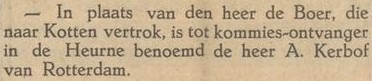
    Albert Kerbof (Termunterzijl, 01-21-1893)
    Elizabeth de Vries (Lekkerkerk, 05-11-1890)

    Address directory 1934

    Heurne 39a > 61

    Marechaussee barracks

    Heurne 39 > 61a

    H. de Wilde

    Heurne 38 > 62

    A. Kerbof

    Address directory 1967

    Heurne 61 > Hamelandroute 91

    Border Office
  • Constabulary barracks

    Constabulary barracks

    Ringweg 39, Aalten

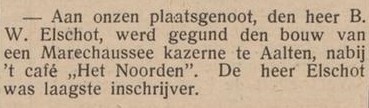
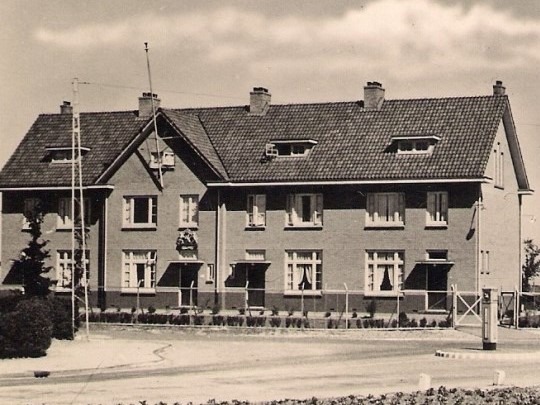
    The Aalten Marechausseekazerne (Royal Military Constabulary barracks) was built around 1937. Previously, the constabulary had been stationed at the Heurne-Hemden border crossing. The premises contained three houses intended for the families of the constabulary and a service section, which was larger than the residential parts. There were also additional rooms for unmarried officers. These men were required to serve a certain number of years with the Marechaussee before they were permitted to marry, and therefore lived on-site.

    The service section contained two holding cells, and all three houses were equipped with a ‘gas cellar’ to provide shelter in the event of a war involving gas attacks. During World War II, a V-1 flying bomb landed next to the barracks; however, given the sturdy construction typical of military objects, the building suffered virtually no damage.

    World War II

    When war broke out on 10 May 1940, Sergeant (wachtmeester) Sijbring—who was on night duty—warned the officers of the German advance. A number of them fled by bicycle via the Wolboom towards Bronkhorst, where they crossed the IJssel. From there, they could be deployed in the defence of the Netherlands.

    If people were arrested during the war, they were taken either to the Town Hall, where the NSB (Dutch Nazi Party) was based, or to the Marechaussee barracks. A number of constabulary officers were still stationed there. On one occasion, the resistance leader ‘Ome Jan’ Wikkerink was arrested and brought to the barracks. The resistance quickly devised a plan to liberate him. They made an arrangement with the guard, the younger Officer Bruggeman, that they would give him a black eye and stun him with chloroform. In this manner, Ome Jan was freed. When the SD (German security service) arrived shortly after and found the guard with a black eye and barely conscious, they believed his story, and he avoided any repercussions.

    Residences

    The barracks were closed on 1 March 1968. Subsequently, the building was transferred to the Government Buildings Agency. In 1989, the houses were sold to the tenants and passed into private ownership.


    Archives

    Address directory 1967

    Ringweg 39

    Constabulary barracks

    Features


    Cadastral no.L-1508/1507/
    2643/1332
    FunctionConstabulary barracks,
    Residential housing
    Opening1937
    Closure1968
    Listedno
  • A Border Incident

    A Border Incident

    A Smuggler Shot

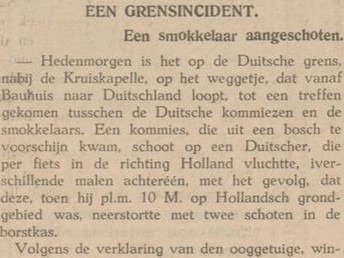
    This morning, on the German border near the Kruiskapelle, on the small road leading from Bauhuis to Germany, an encounter took place between German customs officers and smugglers. A customs officer, emerging from a forest, fired several consecutive shots at a German who was fleeing by bicycle toward Holland, with the result that, when he was approximately 10 m onto Dutch territory, he collapsed with two gunshot wounds to the chest.

    According to the statement of the eyewitness, shopkeeper Bauhuis, the customs officer must still have been shooting when the smuggler was already on Dutch territory. If this is the case, and the statement is very pertinent, it signifies an instance of border violation that will likely have further consequences.

    The Eyewitness’s Story

    When we asked Bauhuis about the circumstances of the case, he informed us of the following:

    Around 7 o’clock this morning, three German smugglers headed toward the German border. Just as they were briefly on German territory, a young German customs officer emerged from a forest and attempted to detain the smugglers. Two of them fled toward Germany, one toward Holland. The latter was pursued by the customs officer.

    During this pursuit, he fired about twenty shots, even when the fugitive had already arrived on Dutch territory. When he had crossed the border by approximately 10 meters, he collapsed, hit in two places on the right side of the chest by revolver bullets.

    His statement was firm that shots had been fired at the smuggler who was already on Dutch territory. He was also of the opinion that the customs officer, a very young man who had presumably arrived only recently, did not know exactly where the border lay at that location.

    When the man was shot, Bauhuis stated, I was under the impression that he was going to die soon, and since I would rather not have him in the house, I made him a bed of straw on German territory, where we laid him down. I should not have done that, because later the German police took custody of him and transported him to the hospital in Wesel.

    This naturally complicates the investigation from the Dutch side, as it is no longer possible to determine exactly what the situation was when the man fell.

    Meanwhile, a different explanation is being given from the German side. The matter is being investigated. The leadership of this is in the hands of the detachment commander of the Marechaussee here, Sergeant G. v. Buren. During the initial investigation, the acting Mayor, Alderman F.H. Somsen, was present at the scene.

    Source


  • The Ecclesiastical Situation in Aalten

    The Ecclesiastical Situation in Aalten

    De Graafschapbode, 19 March 1887

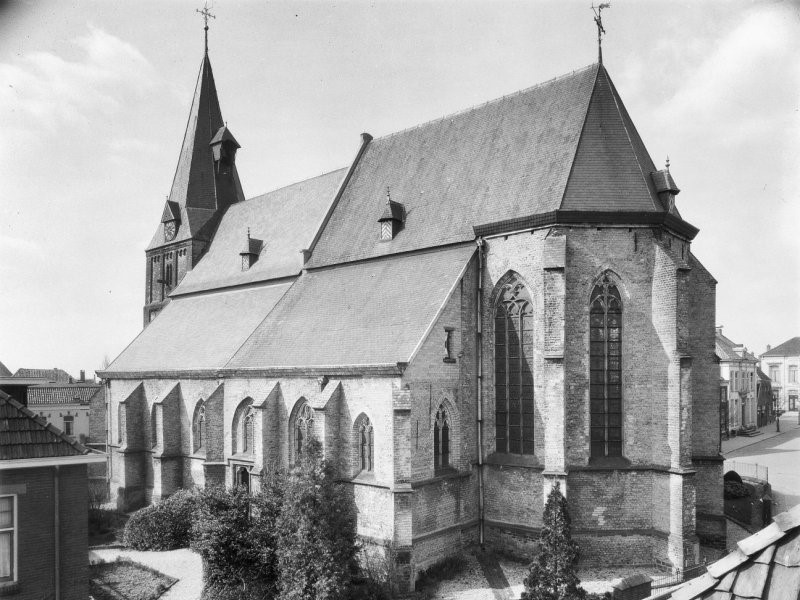
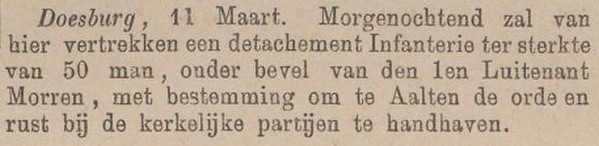
    Every now and then, the newspapers report fragments about the withdrawal of Gangel with his consistory, of suspension, dismissal, the keeping of church doors closed, riot, soldiers, hussars, etc., etc., and with all that, the matter continues at a snail’s pace. When will this change? One says it will remain so, another that the church may well remain closed for another 6 weeks, a third speaks of compromising, but despite all that: no progress is made. What can be done about this?

    A clear explanation of the matters, decisive action, indeed taking possession of the church. All well and good, but show us the way to achieve this. Well, through this writing, we wish to attempt to set you on the right track and point out the path the congregation must take.

    Mr. Gangel, former minister of the Dutch Reformed Congregation in Aalten, has seceded with his consistory, in other words, shaken off the Synodal yoke, as His Honor is pleased to call it. Previously, a part of the consistory, namely 3 persons who also functioned as churchwardens, resigned as members of the consistory, but retained their positions as churchwardens until the classical board, acting in the capacity of the consistory, suspended and later dismissed said gentlemen from their membership as members of the Dutch Reformed Church in Aalten.

    It goes without saying that when someone has been dismissed as a member of the church, there can no longer be any question of being allowed or able to retain the management of the church, etc. After all, churchwardens are not owners of the church and its assets, but are merely elected by the notables as managers; see: General Regulations on the management of ecclesiastical assets and funds of the Reformed congregations in the Netherlands and the supervision thereof: 1 Oct. 1870.

    These churchwardens are currently preventing the ministry of lawful ministers who must appear before the congregation, thereby withholding gifts from the poor and effectively preventing the collection of offerings for the maintenance of public worship.

    For two Sundays now, the congregation has come to a closed church door, and twice lawful ministers have been prevented from performing their duties. We admire the calmness of the congregation in this matter, but we cannot guarantee that this will remain so for much longer. The parties are becoming increasingly sharp and hostile toward one another; it causes strife between members of the same household, and there is no longer any talk of brotherhood.

    Who is the cause of this? None other than these churchwardens and the grieving consistory with their leader, Gangel.

    But does the congregation have no rights? Certainly. The right rests with the members of the congregation, in the following manner: The lawful voting members elect the notables, the notables elect the churchwardens, and these take upon themselves the management. Where the churchwardens have now resigned of their own accord, or have been dismissed or removed from office, the election of new churchwardens must proceed without delay.

    In the case of Aalten, the congregation will first have to supplement or completely renew the list of notables, and these new notables will appoint the Messrs. churchwardens. These new churchwardens take over the management from the old ones, and matters are settled. In the event of resistance to this lawful order, one can turn to the classical board and further to the provincial board.

    If all this is of no avail, as seems to be the case in Aalten, and the dismissed churchwardens keep the doors of the communal property closed, then the members simply act as the rightful claimants and take possession of the church. By this, we do not mean to conquer the church by force, for there is no question of conquest when one is the rightful owner, but one should then call upon the judicial (civil) power. A church must not remain closed to the people on regular days of worship as long as there are churchgoers and lawful ministers to attend. See further on this the Church Regulations of 1 October 1870.

    Sources


    • De Graafschapbode, 19 March 1887 (Delpher)