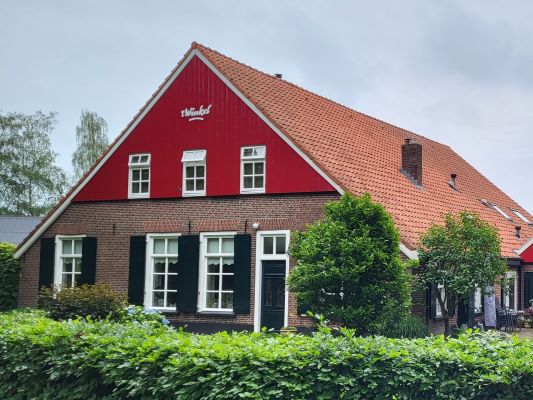
Aalten has a large number of farms with their own names. The 1967 address book for the municipality lists around 480 of them. Almost all of these names are unique. To avoid confusion, it made sense to give a farm a name that was not already in use. There are, however, examples such as Oude Loo and Nieuwe Loo, Groot Kampe and Klein Kampe, and even ’t Paske, Groot Paske, Klein Paske and Nieuw Paske. These often originated as a single farmstead that was later divided among children. Names containing “Olde” or “Oude” usually indicate the original house.
When one examines those names, an interesting discovery is made. They can be divided into different groups. For instance, there is a group of names from which one can deduce what the vegetation around the yard used to be like and in what kind of environment the farm was established. Another group points to the trade that was practised there in the past alongside agriculture and livestock farming. Many farmers, and especially the small-scale ones, had enough time to do something on the side to earn a bit extra, which was often necessary.
The practice of naming farms is very old. In the land-tax register of 1647–50, the sections for Aalten and Bredevoort record the people liable for the verponding, a land tax. Under the individual hamlets, however, the farm names are listed together with the names of their occupants. This gives us a list of farmsteads that existed at the time, many of which already bear names still used today.
An even earlier list, dating from before 1500, can be reconstructed from various church, monastery and other archives. Kurtebeke in Heurne, for example, is already mentioned in 1200. Before 1500 we find names including Ahof (Huis de Pol), Honhof (Nonhof), Buclo (Bokkel), Marchwardinck (Markerink), Welinch, Hengevelt, Ruwenhove, ten Westendorpe, de Boegel (now Smees), Lohues, Lichtwerdinck (Ligterink), Meijnencamp and Snoeijenbuijsch, among many others. In total, 72 farm names are known from that period.
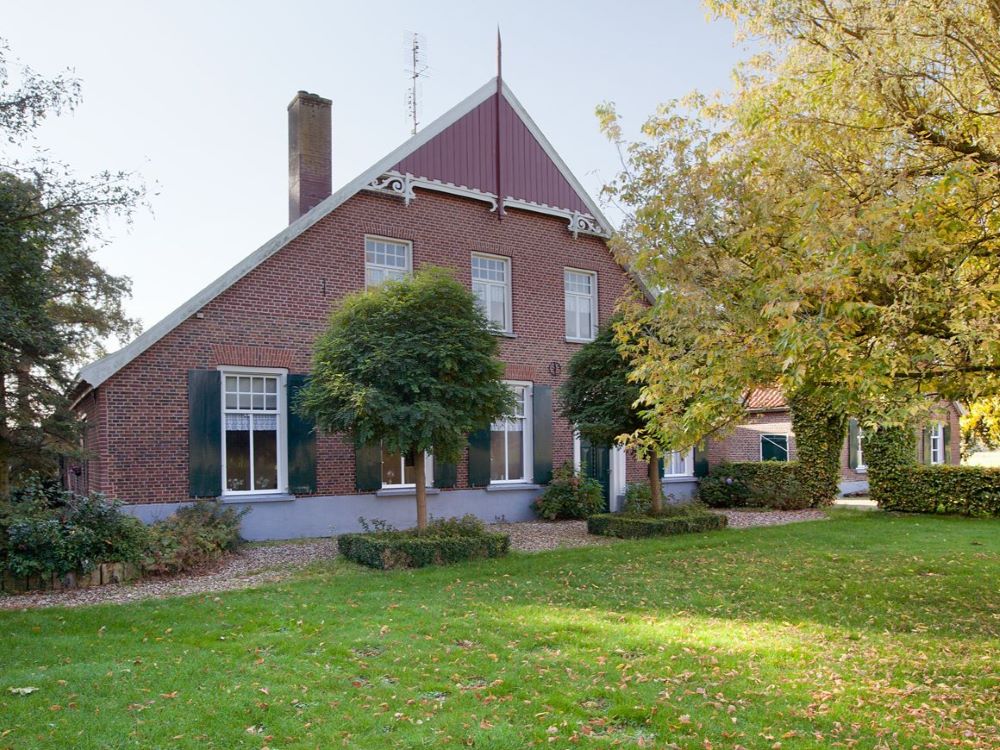
One must possess a very great imagination to be able to picture what the Aalten landscape looked like centuries ago. Nine-tenths of the land consisted of heath, forest, and swamp. The cultivable area was small and was only used for growing vegetables and a few cereal crops. Most farms were small: ‘stedekes’. Division of the common lands, artificial fertilizer, and better drainage put an end to the ‘prange’ and ‘marode’ (hardship and misery) of the farmer.
Farms named after the surrounding vegetation
Some names speak for themselves: Heidekamp, Heidelust, Heidehof and Heideman. Neeth (den Heet) refers to heathland. ’t Veld denoted uncultivated land, especially heath; compare Veldhuis. Other woodland-related names include ’t Boske, den Bosch, Bosvliet, Giezenbosch, Boschhoeve, Oosterbosch, Paskerbosch, Scholtenbosch and Boskerslag, a piece of woodland withdrawn from the common land. There are also ’t Loo, ’t Loohuis, Looman, and Oude Loo and Nieuwe Loo.
The following names require some explanation. Bokkel, recorded as Buclo in 1284, means beech wood. Walfort was formerly called Waldenvort: a ford through the Slinge near the wald, or wood. The same applies to Walvoort in Haart, where there was a ford across the Keizersbeek.
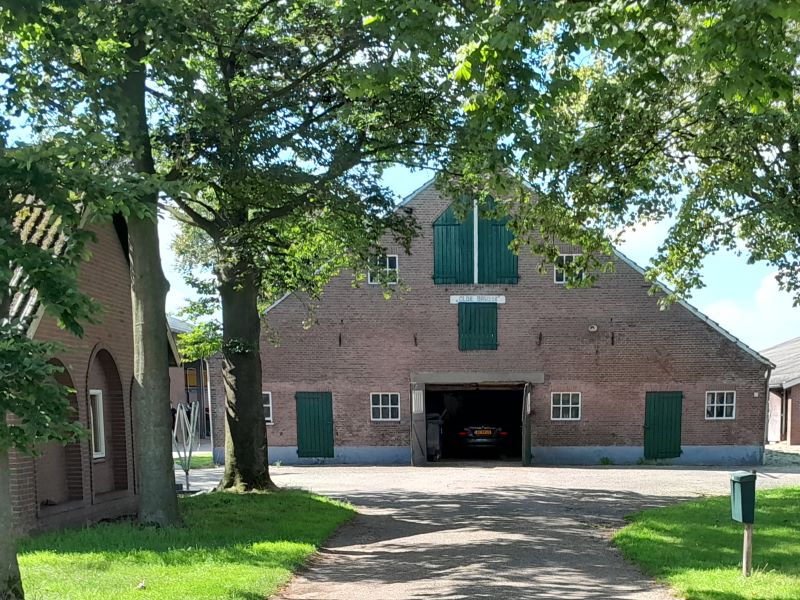
The name Voorst, from forestis, was used for woodland in which hunting was prohibited because it formed the private hunting ground of the king or lord. The site of Snoeijenbos was cleared from woodland. Brusse derives from Brusch, meaning scrub. ’t Hagt and Heegt refer to low woodland, perhaps consisting of hawthorn bushes.
Slehegge may refer to blackthorn, while ’t Heggeltje means a small hagt. Hakstege lay beside a narrow path, or stege, through the hagt. Rieste takes its name from brushwood. Heisterkamp was established on land where much scrub grew.
The name Varenvelde occurs in 1386, followed later by Verrevelt; this is now Vervelde. Veernhof likewise arose in a field full of ferns. Tente takes its name from tente, or tansy. Greute recalls gruit, or bog myrtle, which was used in brewing and grew on marshy ground. Reed beds are reflected in the name Riete. The word vage, meaning wild uncultivated land, survives in Vaags.
Farms named after animals
Kiefte refers to the lapwing, Kikvorsch to the frog, and Welpshof to the curlew. Other animal names include Nachtegaal (nightingale), Koekoek (cuckoo), Vossebult and Vosheurne (fox), and Gantvoort, named after the goose. The former Grevink was named after the badger, or greving, an expert burrower.
Farms located on an elevation
One should not have a grand conception of these heights. An elevation of half a meter was already called a ‘bult’, a ‘horst’, or a ‘heuvel’. These heights offered no protection whatsoever against the damp environment. The houses were very damp.
Names such as De Bulte, Bultink and De Heuvel speak for themselves. De Brink (brinc) was a grassy rise. De Bree, from bride, is interpreted as an arable field on the es. Drenthel, originally Drenthelo, means woodland on a height. In Haartman and Haartelink, a haart is a high-lying heath. Other examples are Hengeveld (heng, slope), Hillen (hil, hill), Hoopman and Klinke, hilly heathland with pools and ponds here and there.
De Horst means a rise covered with low woodland; related names include Leemhorst, Seinhorst, Stokhorst and Winkelhorst. Leeland contains lee, meaning hill and also a place of judgment, while Limbarg may mean a loam hill. De Pol was a small sandy hill rising like an island above its surroundings. Pikpolle, from pec, poverty, referred to a poor hut on such a rise.
Tammel, recorded as Tanbulen in 1384, may mean a pine wood on a mound. Hondorp combines dorp/terp, a raised place, with hont, a unit of area. Westendorp likewise points to higher ground. In Wierkamp, wier or wierde denotes a rise standing above wet surroundings.
Farms located in or near a swamp
Most of the municipality of Aalten was once marshland. Only the Bocholt–Vragender ridge rose above the wetlands. These marshy broeken developed because the Slinge, Zilverbeekje and Keizersbeek could not drain the water away sufficiently. This explains the many farm names referring to wet ground, including Goorhuis, Goorman, Goorzicht, Moorveld, Stroete (boggy wasteland), Veenemaat, Groot Veenhuis and Klein Veenhuis, ’t Veentje, Wijnveen, a farm in the peatland, Hagenbroek, a marsh with hawthorn bushes, Kortenbroek, marshland with short grass and therefore poor soil, and Woerd, from woert, low-lying land.
Bolandsweide contains bol, meaning soft, marshy or muddy. Nonhof, recorded as den Honhof in 1281, and Hennepe, recorded as Honepe in 1284, are both formed from hoen or huun. Luiten, locally pronounced Luten, referred to poor low-lying land, lute, while Maris conveyed much the same idea: marsh. Glieuwe derives from gliede, black shiny soil or peat. Somsenhuus contains somp, marshy land. Pietenpol, recorded as Pytenpoel in 1640, combines pitte, pit or hollow, with a pool in low ground; compare De Put, meaning hollow or pool. ’t Slaa comes from slade, a heathland pool or marsh. Te Sligte, recorded as Schlichte in 1384, means flat marshland. Mager refers to poor, lean soil. Navis had a wet meadow: nate, wet, and vis/wisch/wiese, meadow. Near Amerongen, the medieval tower house Matewisch still survives.
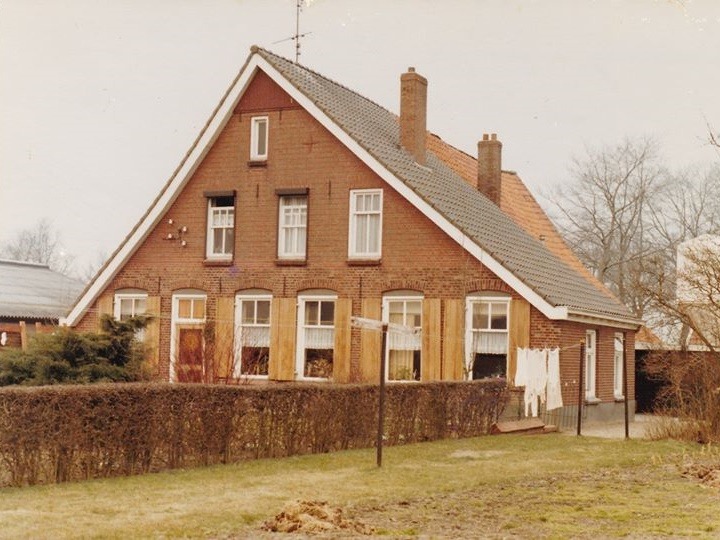
Camp names
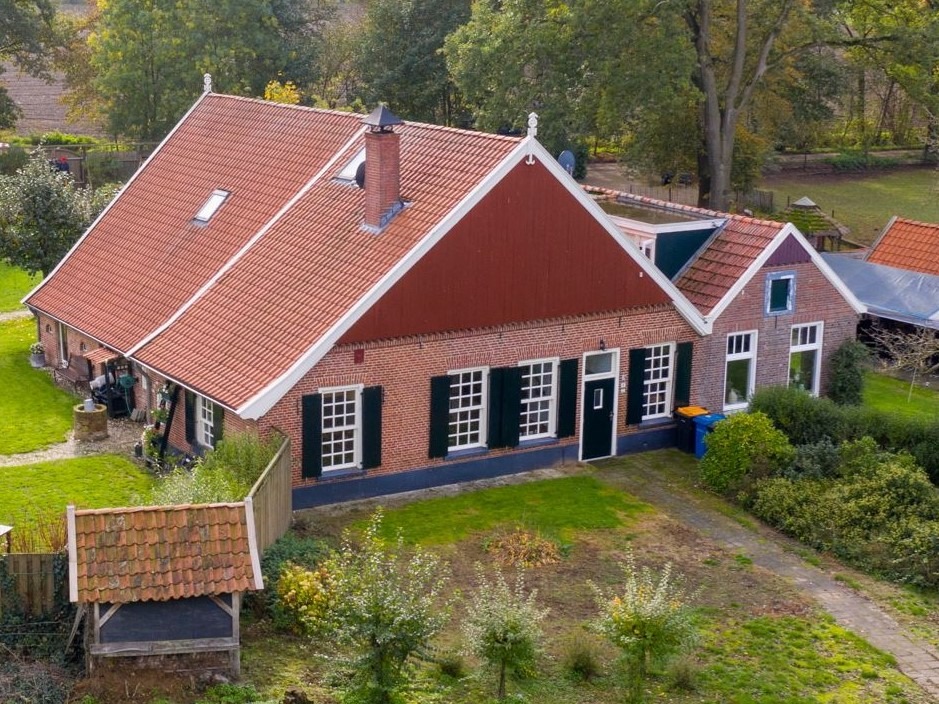
A number of names end in -kamp. Originally, the ‘kampen’ were small pieces of land that had been cleared of brushwood and trees in the forests, thus reclaimed forest. Later, the word ‘kamp’ acquired the meaning of field.
Examples of kamp names include De Kamp, Grote Kampe and Kleine Kampe, Barnekamp, land created by burning woodland, Boomkamp, Graaskamp, Haverkamp, Heidekamp, Heisterkamp, Langenkamp, Leemkamp, Maatkamp, Middelkamp, Nieuwkamp, Schuttenkamp, perhaps a farm lying rather hidden in the countryside, Stapelkamp, a place where a stapel or judicial post stood, Tolkamp and Wierkamp. Related names include Oud Kempink, Nieuw Kempink, Klein Kempink, Kemper and Overkempink.
Reclamation names
Only a few names recall the reclamation of wasteland: Nijland, Nijveld, Nijhof, Nieuwkamp and Nieuwe Weide. Bijvanck refers to land that was enclosed or added to an existing holding. Te Brake likewise points to reclamation, the breaking of uncultivated ground. Ruwhof contains rude/rode, reclaimed land.
Farms that recall passes, gates, tolls, etc.
A pas was an opening through a landweer, a defensive earthwork or hedge. The occupant of a nearby farm had to keep watch over people entering through it. Such a farm might therefore be called “Pasop”, literally “watch out”. Along Romienendiek, for example, are Paske, Pasop and Paskerhut: their occupants had to watch those entering the common lands through Wolboom and Zwarte Veen. Another Pas lay on the boundary with the Varsseveld area near Varsseveldseweg. On the Varsseveld side are the names Loerdijk and Kijkuit. The common lands were well protected.
Other names in this group include ’t Pashuus, Nieuwe Pas, Oude Pasop and Nieuwe Pasop, and Nieuw Paske, Groot Paske and Klein Paske. Fort also belongs here: furt meant a passage through a landweer. The occupants of Straks (strang/streng, strict) and Ongena must have been rather uncomfortable people for strangers trying to enter!
Among those responsible for watching over the common lands was the occupant of Markerink, formerly called March-ward-inck. A werde was a watch post, a place from which intruders or other unwelcome visitors were monitored. A similar duty was expected at Ligterink, recorded in 1435 as Licht-werd-inck; apparently the watching there was relatively easy. The duty of keeping watch also fell to Kuier and Kuierman: koeren/kuren meant “to look out”.
Did the schutte, the official who impounded livestock that had strayed in from another common, live at Schuttenkamp, and did someone with a similar role live at Man-schot-weide? Toll-related names include Slotboom, Stokkert, ’t Bonte Hek, Klaphekke, ’t Tolhuis, Tolkamp and Tolder, meaning toll collector.
Memories of the church
Names with ecclesiastical associations include De Pater, ’t Klooster, named after Schaer monastery, Kerkhof, a farm belonging to the church, Kerkkamp, and Neerhof, formerly den Heerhof and inhabited by monks. De Kloeze refers to a hermit, and perhaps Klaus does as well. Kosters derives from custerie: the income from this property went to the sexton.
Small dwellings
Small dwellings were often called a hutte, as in de Hutte, Bazenhutte, Bramer Hutte, Brassenhutte, Bruggenhutte, Jacobshutte, Paskerhut, Wendelenhutte and Stronkshutte. Sometimes a small dwelling was partitioned off inside a barn, a schoppe: examples include Schoppert, Drenthelschoppe, Freriksschure, Kortenschoppe, Reinders Schoppe, Schurink and Slaa Schoppe. A spieker, originally a grain store, could also be converted into a dwelling, as with Brussen Spieker, Drenthel Spieker, Spiekershof and ’t Ni-je Spieker. Koskamp derives from kotkaap/cote, hut.
Farms where a side business was practiced
Occupational names include Beestman, cattle herder; Scheper, shepherd; Sweenen, swineherd; Fukker, breeder; and Peerdeboer. At ’t Villeken, dead animals were skinned and their hides tanned; Baten likewise refers to tanning hides. Brewing and innkeeping are reflected in Brasse, brewery; Pakkebier, from backe, also brewery; Schenk, an inn or taproom; and Slikkertap, a taproom in muddy or marshy ground.
Brethouwer may contain bret in the sense of a plank, perhaps referring to someone who made planks. Klumper and Klompenhouwer refer to clog making; houwen means chopping or cutting. Kolstee was a place where charcoal was burned. Other craft names include Kuiper, cooper; Draaijer, turner; Kappers; Kleuver, recalling the felling and splitting of wood; Smid, smith; and ’t Smees, formerly Smedeserve. Mill-related names include Papiermolen, Olde Mölle, Olde Mulder, Görter, a groat- or hulling-miller, and Te Roele, recorded as ten Rule in 1640, from rullen, hulling grain.
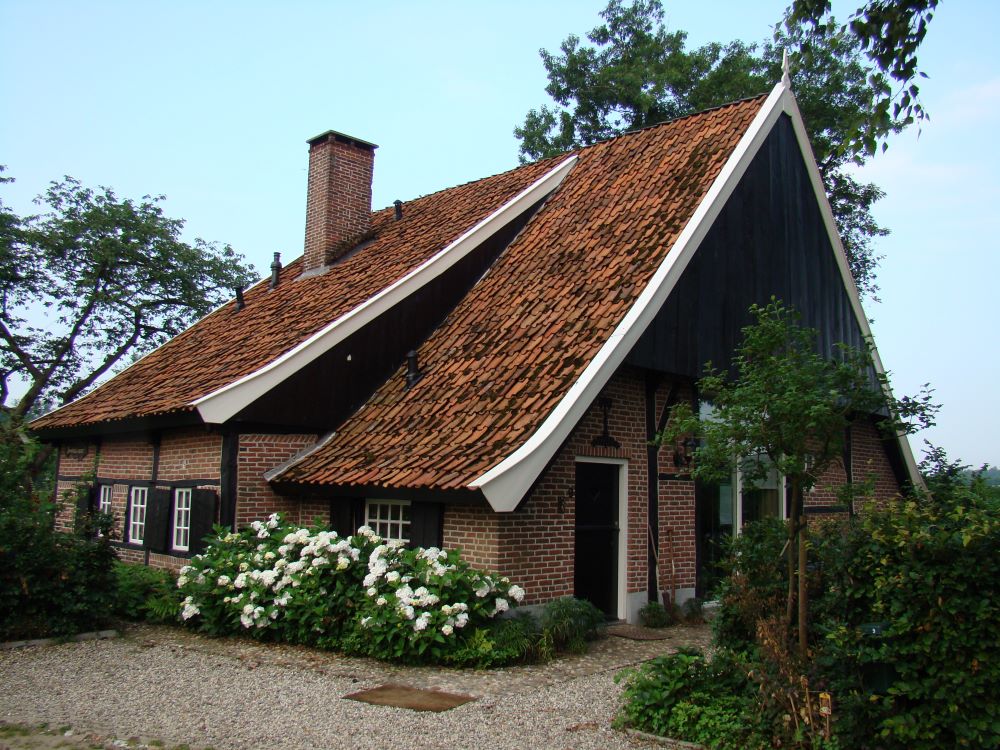
Den Blauwen refers to the blue dyeing of linen. Textile occupations appear in Wever, Bouwhuis Wever, Weversborg, and Pellewever, a weaver of finer cloth such as damask and table linen. Schreurs, Snieder and Snijdershuis refer to tailors. Kremer means pedlar and Klodde rag dealer. Speelman was someone who enlivened festivities with a musical instrument, while Piepert refers to a piper or flute player. Krieger may have been occupied by a soldier; a soldaetencamp is also recorded in Barlo in 1640.
Farm names ending in -ink etc.
About forty farm names end in -ink. These largely point to the possession, to the estate of a certain person. They are mainly composed of a personal name + -ink. Lists of proper names that occurred in the Middle Ages have been compiled from all possible archival documents, and based on these lists, a number of farm names can be explained.
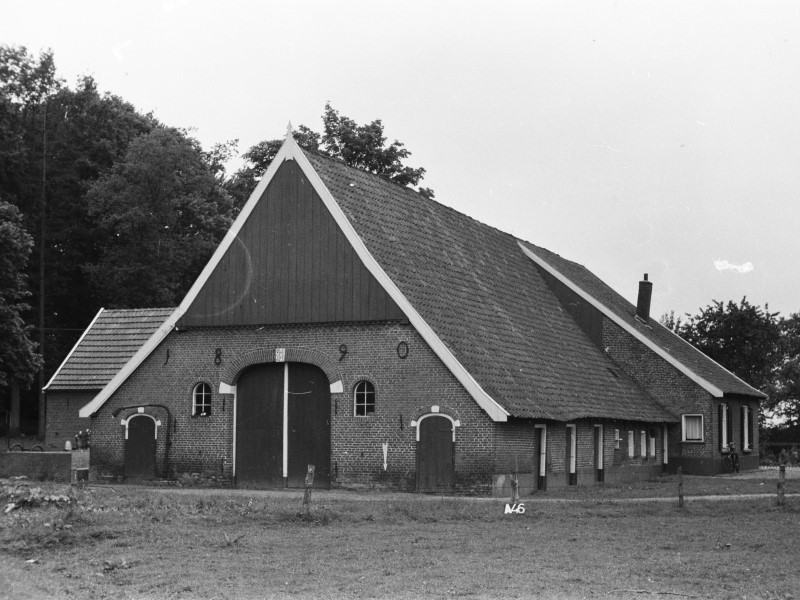
Examples include Ansink, from Anso; Beusink and Bussink, from Buse; and Bulsink, from Bule. Beunk, recorded as Bo-ynck-mate in 1640, Buunkmate, formerly Bonninckmate, and Bunink, recorded as Bonninck in 1248, all derive from Bono; Bongen may do so as well. Other examples are Bijnen, recorded as Benninck in 1284, from Benno; Deunk, perhaps Dudinc in 1366, from Dudo; Elferink, from Alfhard; Eppink, from Eppo; Mekkink, from Menko; Pennings, from Pinno; Pöppink, from Poppo; Wensink, from Wenzo; Wesselink, from Wezilo; Wikkerink, from Wikko; Obeling and Oberink, from Obo; Lurvink, from Lurvo; Rensink, from Rinzo; Lensink, from Landso; Siebelink, from Siebo; Swietink and Swijtink, from Swid; Welink, from Willo; and Wennink, from Wanno. Oonk belongs to the same group, from Odino, or Odo, recorded in 1366. Gussinklo means woodland on Godso’s estate.
Hoenink, Huinink and Hunink lay in a hoen or huun, meaning marshland. Another explanation, which according to the CBG Centre for Family History should also be considered, is that names such as Hoenink and Huinink derive from the Germanic personal name Huno.
There are, however, a number of names that cannot be traced back to personal names and clearly refer to something else. These include Bekink, situated by a stream; Bultink, on a mound; Doornink, in or near thorn scrub; Eekink, on land with oaks; Essink, on an es; Heijink, on the heath; Kempink, beside or within a kamp; and Haartelink, on a haart. Rengelink may refer to a rinc, a place of judgment. The Haartse Wetering rises at Borninckhof, so there are springs there. At the former Richterink, the richter, or judge, held court.
There came a time when the meaning of the suffix -ink was no longer understood. Names were then formed using stedeke and goet, giving forms such as Heijnengoet and Goossenstedeke. In later usage, stedeke and goet were dropped: Freriksgoet became Freriks, and Rutgerstedeken became Rutgers. Here too, many farm names derive from personal names, including Freers, Freriks, Bullens from Bullo, Ebbers from Ebbo, Goosen from Goosen or Goos, Heinen from Hein, Lammers from Lammo, Lievers from Lieven, Lindert, Lubbers from Lubbert, Reinders from Reinder, Rutgers from Rutger, Wiggers and Wiechers from Wigger, Wubbels from Wubbel, Wolters from Wolter, and Rikkert from Rico.
Names ending in -huis, or -huus in the local dialect, include Bartshuis, Devenhuus, Dorushuus, Japikshuus, Kobushuus, Matthijsenhuus and Luuksenhuus, from the popular form of Lucas. Some farms bear only a personal name: Maas, a popular form of Thomas; Thijs, from Mattheus; Jonen, from Johannes; Liezen, from Elisabeth; Wendelenhutte, from Wendelin; Karsjes, from Christina; and Koop, from Jacob.
Special mention
Besides the farms grouped above, several deserve separate mention. Tuunte was surrounded by a tuun, a woven fence, as were Vreman and Vreveld. Zigtvrede enjoyed certain preferential rights in the annual division of the common lands. One of these farms is recorded in 1640 as Seegvreden, named after seege, the goat. Hegge was surrounded by a hedge. Sonderen also had special rights: part of the common land could be set aside for its own use, literally separated from the common. Meijnen likewise formed part of the common lands.
Haverland and Haverkamp were obliged to supply oats to the lord, the church or another authority. Justice was administered at Hemelmaat: a hegemael or heimael was an area enclosed by a hedge where a mael, a court session, was held. Akkermaat takes its name from a meadow that could be mown in one day, while Maandag referred to a piece of land that could be ploughed in one day with a team of livestock; an earlier form may therefore have been Mendag. Hogewind should really have been Hogewend: the high end of a field where the plough was turned.
Grotenhuis tells us something about the size of the house, while Nieuwenhuis, recorded as Nijenhuis in 1640, points to a house that was new at the time, as does Nijboer. Lankhof and Scheel describe the shape of the land: long and crooked. Korten, recorded as Kortenstedeken in 1640, had only a short stretch of land. Heurne had the shape of a horn, a tapering piece of land, as did Timp and Timpert. The names Prange, Marode and Drommelder are less cheerful: all three can be interpreted as referring to misery or hardship.
Smol meant “small and insignificant”. Could Huikert have been a hay meadow, or is it a corruption of Huik, a popular form of Hugo? Botervat may refer to a botterweide. Westendorp, Oosterbosch, Oosterhoeve and Oosterman take their names from the compass directions towards which they lie. Agricultural associations appear in Bouwlust, Bouwhuis and Bovelt, meaning arable field. Does Hillo, perhaps Heiligelo, preserve a memory of paganism, or was it simply a loo on a hil, a hill? Leste Stuver was once an inn near Bredevoort where travellers could spend their last stiver.
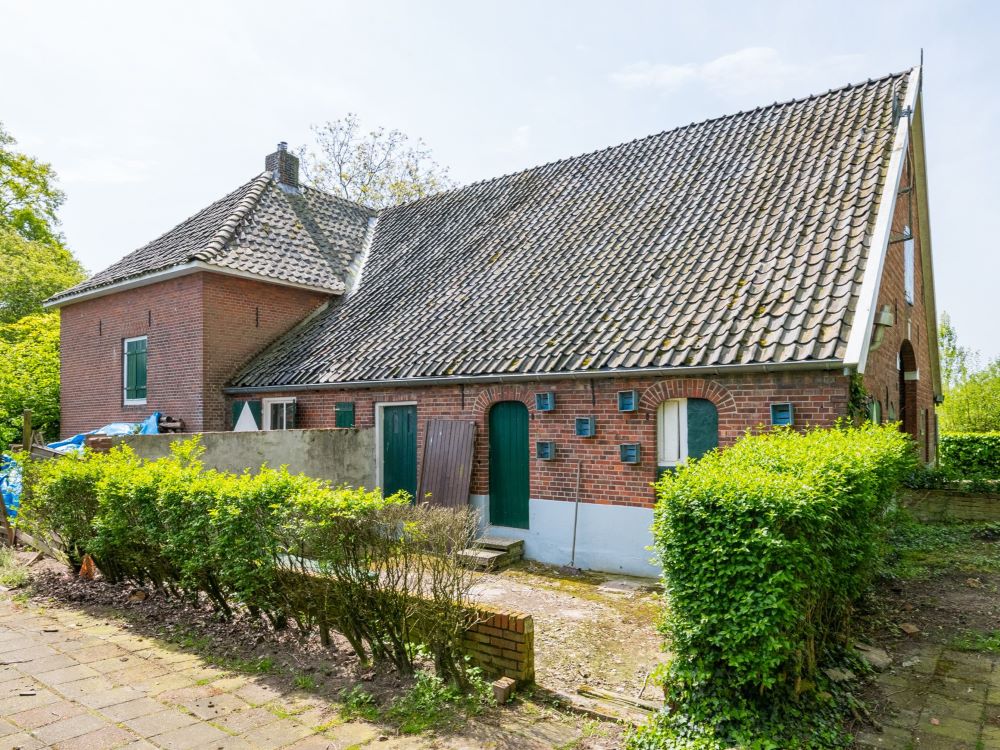
Imaginative people must surely have lived at Avondrood, Morgenrood, Bestevaer, meaning grandfather, Driekleur, Midden in ’t Land, Nooitgedacht and Vlijt. The people who coined the names Meihof and Meihuis must likewise have appreciated the fresh greenery and colourful flowers of May.