Bodendijk 12, Aalten
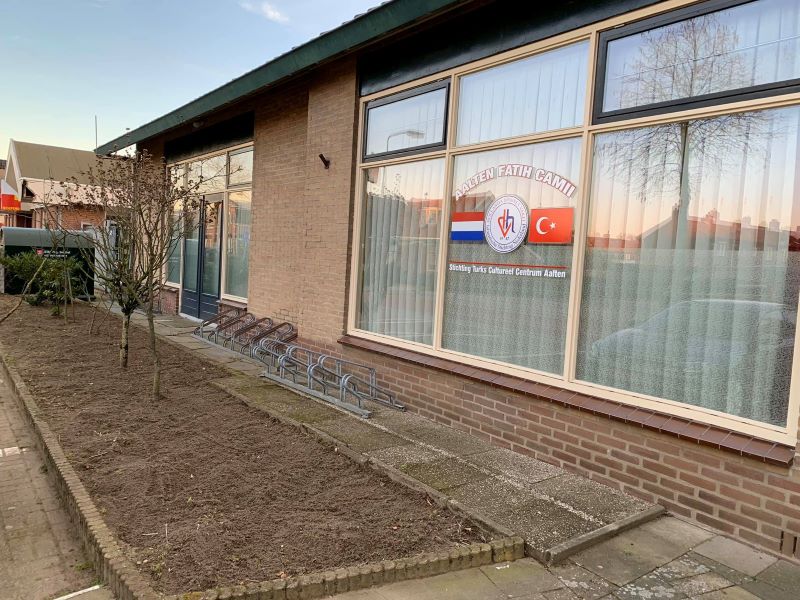
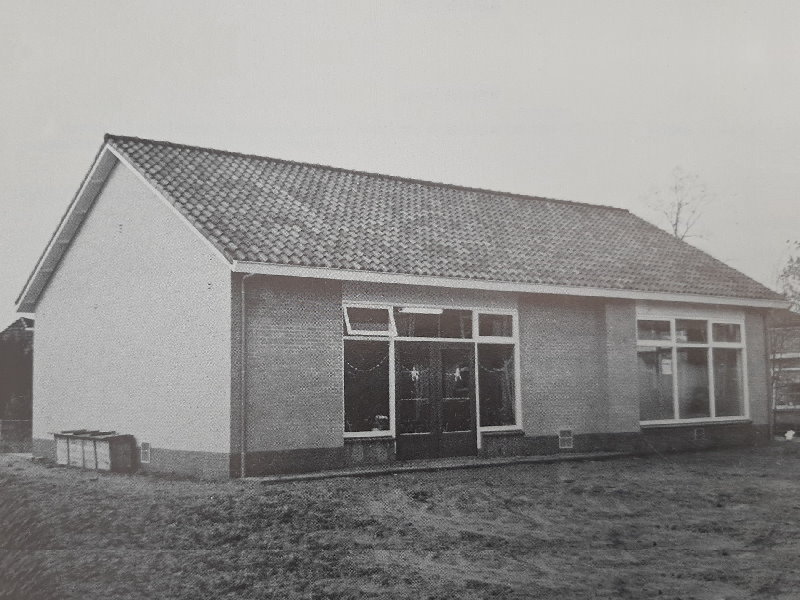
The Fatih Mosque on Bodendijk in Aalten has been used as a house of worship for the Turkish Islamic community since 2009. The building previously served as a Reformed Youth Centre and later as a nursery school, before being acquired by the Fatih Aalten Foundation. The mosque is also known by its Turkish name, Fatih Camii.
Name and Meaning
The name Fatih Camii literally means “Mosque of the Conqueror”. Fatih refers to the Ottoman Sultan Mehmed II Fatih (1432–1481), nicknamed the Conqueror, who captured Constantinople (present-day Istanbul) in 1453. Camii is the Turkish word for mosque, derived from the Arabic jāmiʿ (جامع), meaning “gathering place”. Many Turkish mosques, including those outside Turkey, bear this name.
History
The first gatherings of the Turkish community in Aalten took place in smaller premises, but with the establishment of the Fatih Aalten Foundation, they gained the opportunity to create their own prayer space. In 2009, the building at Bodendijk 12 was officially inaugurated as a mosque.
Since then, the premises have been adapted to function as an Islamic house of worship. Traditional decorative elements, such as handmade tiles from Turkey, have been installed inside. The building has no minaret or dome, but is recognisable as a mosque by its interior and the layout of the prayer hall, with a mihrab and minbar.
Function and Activities
The Fatih Mosque primarily serves as a house of worship, with Friday prayers being the most important weekly gathering. In addition, the mosque plays a broader role in community life:
- Religious and Quranic lessons are held.
- The mosque has facilities for Islamic funeral rites (djanazah).
- Open days and bazaars are regularly organised to introduce local residents to the mosque and Turkish culture.
The mosque explicitly welcomes the entire Aalten community. On its website, the mosque is described as both a religious and social centre — a place of peace, hospitality, and solidarity, where everyone is welcome for encounters, dialogue, or simply a cup of tea.
Features
| Cadastral no. | K-908 |
| Function | Youth Centre, Nursery School, Mosque |
| Year of construction | 1972 |
| Listed | no |