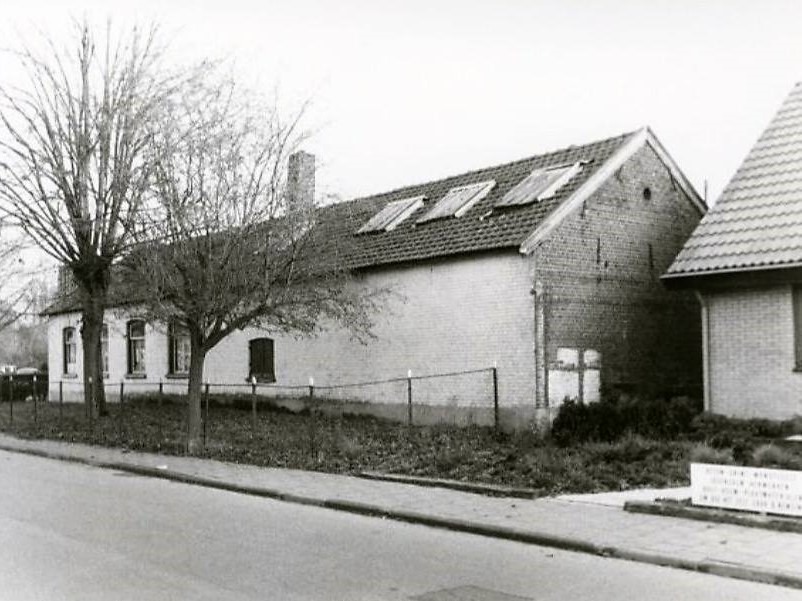
Misterstraat 39, Bredevoort (repurposed)
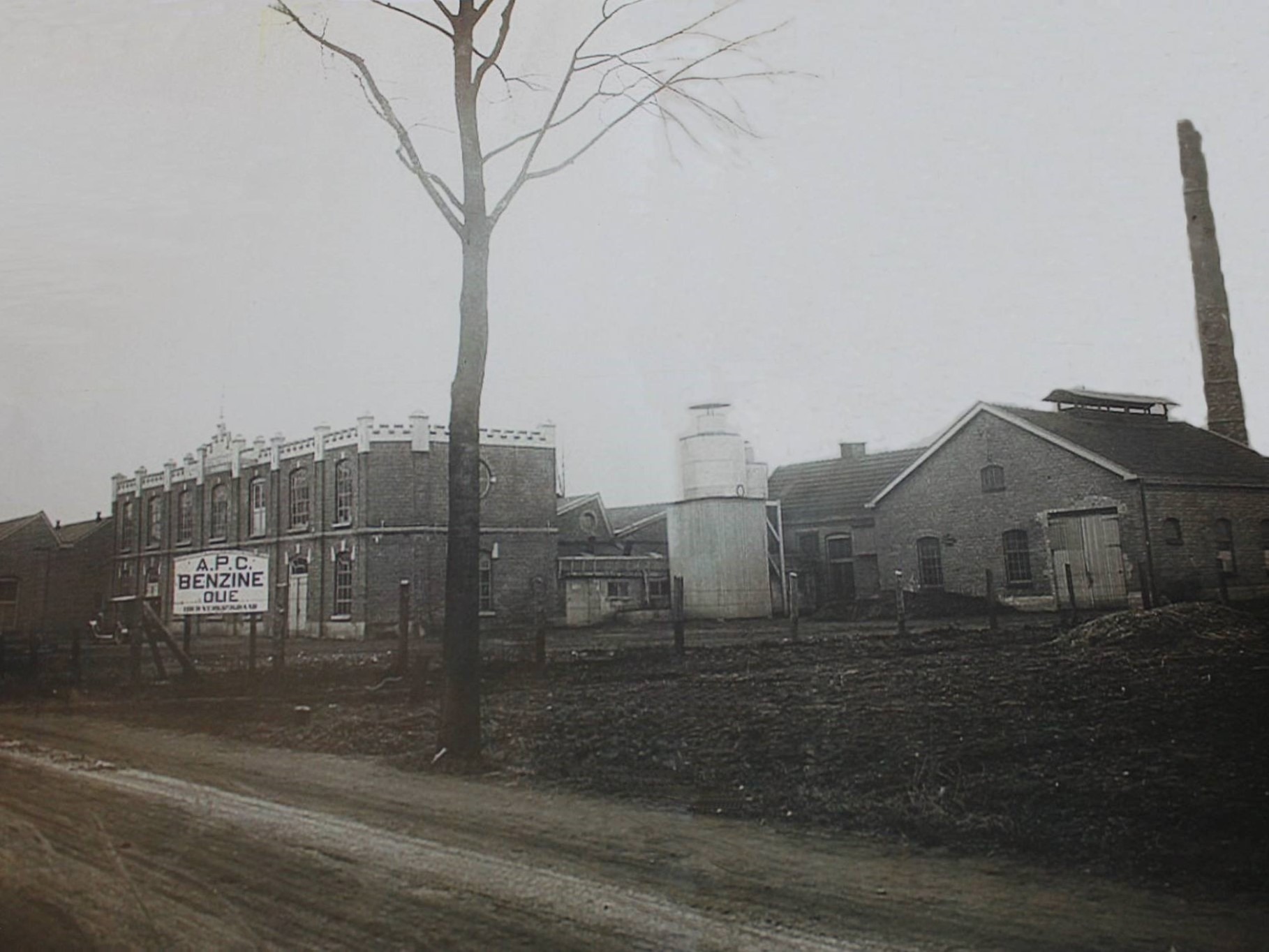
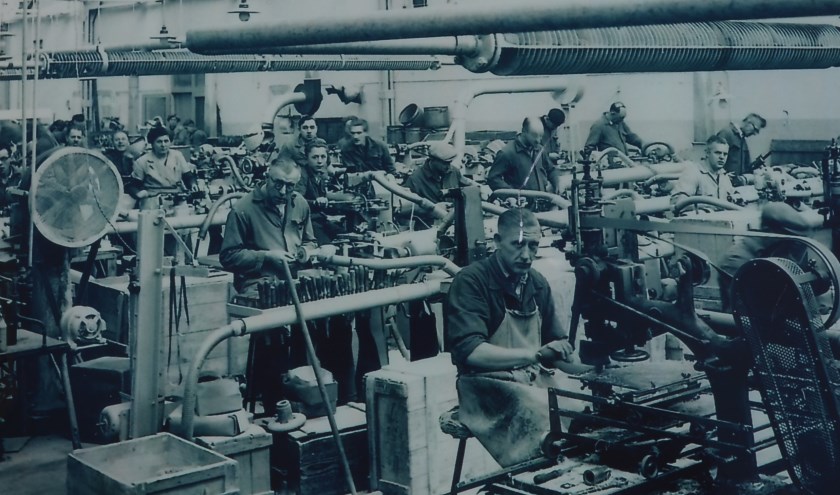
Dutch Button Works was a button factory in Bredevoort that existed from 1884 until 1976. During its heyday, approximately 270 people were employed by the company; at the time of its closure, the workforce numbered about 44.
The Horn Industry
In Nederland bestonden in de 19e eeuw al enkele knopenindustrieën. De oudste op dit gebied ontstond in 1815, maar dat betrof voornamelijk stofknopen, in het bijzonder van linnen. In Duitsland en Engeland waren rond 1900 bedrijven ontstaan die uit hoorn knopen produceerden. Met dat voorbeeld voor ogen begon Willem te Gussinklo in het jaar 1905 met het maken van hoornen knopen. Dat was een primeur voor Nederland, de eerste fabriek van buffelhoornen knopen. Al snel kwam zoon Willem te Gussinklo jr. (Piepkes Willem) in de firma, die zich ontwikkelde als innovatief ondernemer.
De eerste fabriek van Te Gussinklo stond aan ‘t Dal in Aalten, de tegenwoordige Willemstraat. De productie was aanvankelijk uitsluitend handwerk en de knopen werden één voor één gemaakt. Vanwege de toenemende vraag naar knopen kocht hij in 1924 de oude weverij van Van Eijck in Bredevoort. Daar ging de productie van knopen van start.
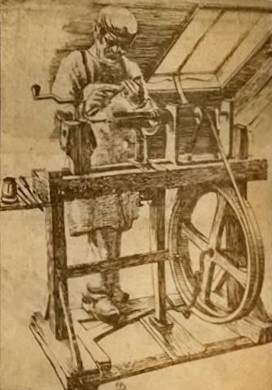
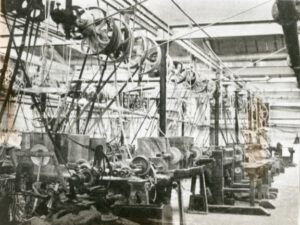
Bredevoort had toen ook nog een station. Zo nu en dan arriveerde daar een wagonlading horens, afkomstig uit India en bestemd voor de Bredevoortse knopenindustrie. Naarmate de jaren verstreken werd de fabricage van knopen steeds meer gemechaniseerd. Met door eigen technici vervaardigde machines werd het product toen ten dele of geheel automatisch vervaardigd. Van het hoorn zaagde men schijfjes, rondellen genoemd. Hiervoor werd zowel het hoorn uit de massieve punten van buffelhoorn gebruikt, alsook de holle gedeelten ervan.
Export
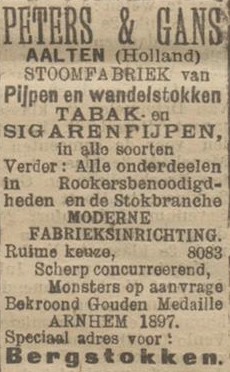
The export of buttons was of great importance. Trade was primarily focused on English-speaking countries—England, Ireland, and North America—where Dutch Button Works enjoyed a fine reputation. Until the 1920s, the buttons produced were exclusively intended for men’s suits. However, when demand fell during the crisis of the early 1930s, ladies’ buttons were put into production as compensation, almost simultaneously with the manufacture of bone buttons. Bone buttons were intended for undergarments. Besides buttons, the factory in Bredevoort also manufactured walking sticks—specifically, the knob or handle and the tip were crafted from horn.
Een aantal jaren nadat de kammenfabriek Ten Dam & Manschot uit Aalten was opgeheven nam DBW ook de productie van kammen ter hand. In de Tweede Wereldoorlog is men ook overgegaan op het verwerken van inlands hoorn. Behalve knopen waren asbakken en vogels favoriete werkstukken. Van hertshoorn vervaardigde men knopen voor de zogenaamde jagersjassen en van schijven hertshoorn maakte men kleine asbakjes of kaarsenstandaards op een voet van palissanderhout.
Before the war, DBW also had branches in Germany: in Berlin and Bocholt. After 1945, the company experienced a peak period. The third generation, W.A. te Gussinklo, joined the management. Demand for buttons was high. Many home workers were occupied with sewing buttons onto cards. The horn buttons found their way to garment factories. Sales representatives would travel with a “model jacket” made of various pieces of fabric sewn together—a multicoloured patchwork. On each piece of fabric, the most suitable buttons for that specific material were sewn.
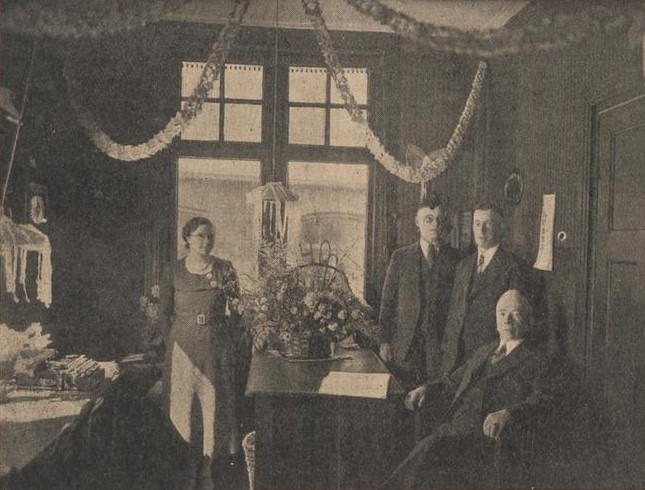
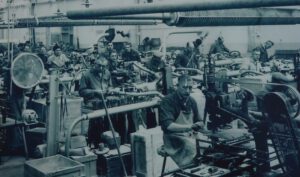
In 1959, the company celebrated its 75th anniversary. At that time, there were over a hundred employees, excluding home workers. Due to increasing automation, the company achieved high turnover with fewer staff. In the second half of the 1950s, horn was largely superseded by plastics. In 1963, the management of DBW, together with an English button factory, took over the largest button factory in Germany.
Decline
The company suffered a heavy blow in 1968 when the director, W.A. te Gussinklo, died at the age of 51, just six months before his father. He was succeeded by his wife, B.A. te Gussinklo-Zandbergen. When her son H.J. Gussinklo Ohmann completed his studies at the technical university in Eindhoven a year later, he also joined the management. By then, the production system was entirely focused on plastic buttons (polyester), which the company had started producing itself around 1960. In the long run, however, it proved extremely difficult to remain competitive. Despite great efforts to keep the company running, they were forced to close DBW in 1976.
De gemeente Aalten kocht het complex in 1977 en het werd doorverkocht aan de firma’s Van Wezel en Voltman-Riviera. Later was hier vele jaren lang autobedrijf Albert ten Bruin gevestigd.
Repurposing
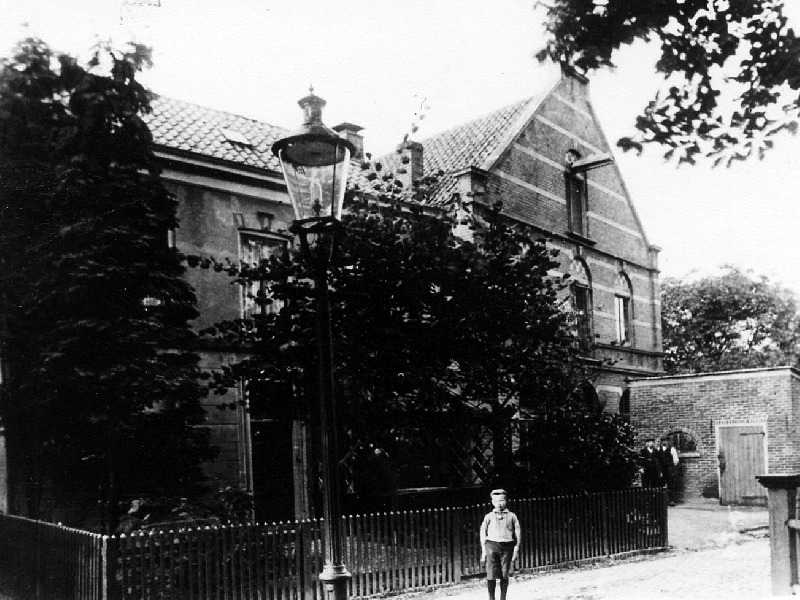
At a municipal information evening in July 2008, the Vereniging Bredevoorts Belang (Bredevoort Interest Association) made a plea for the preservation and restoration of this characteristic building. They stated: “This building is the only remaining, tangible, and visible intact industrial heritage that Bredevoort still possesses, providing residents with a link to its extensive textile history. The factory building, still in its original state, has a striking, beautiful facade featuring the typical elements of an industrial building built in the third quarter of the nineteenth century.” The non-monumental parts were demolished in 2019. The monumental building has since been repurposed to house apartments and a supermarket.
Features
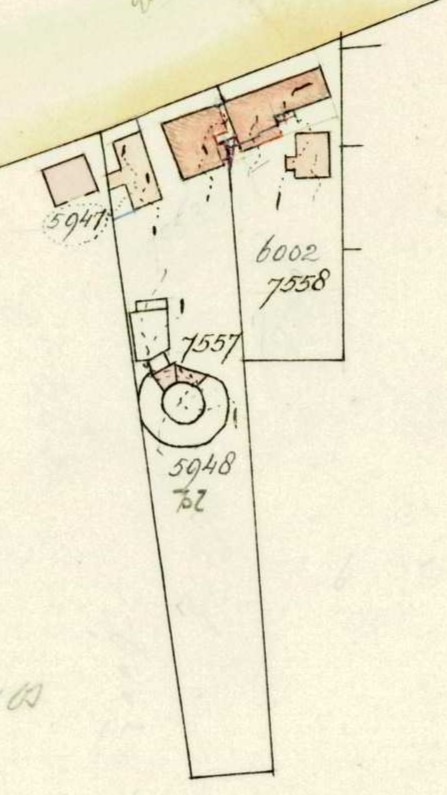
| Cadastral no. | A-2623 |
| Function | Button factory |
| Foundation | 1884 |
| Discontinuation | 1976 |
| Listed | Gemeentelijk monument |