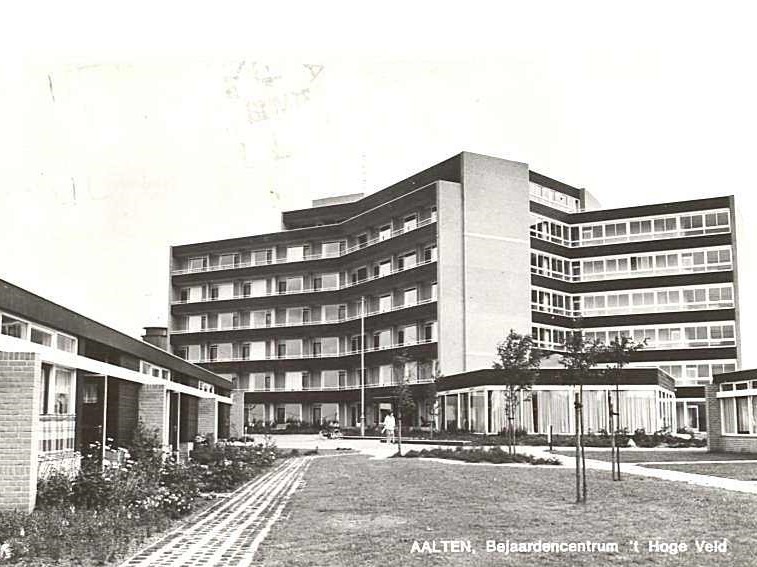
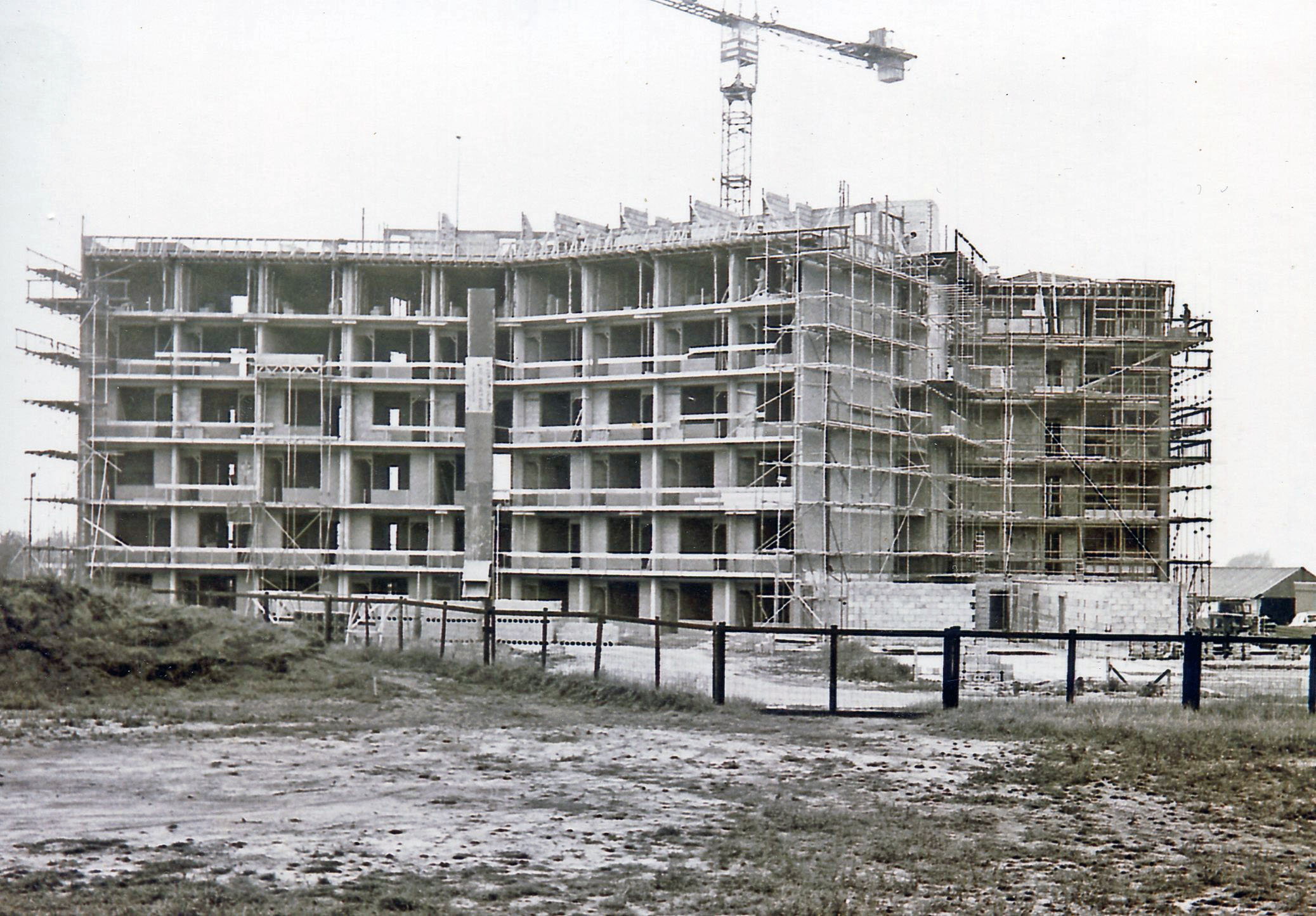
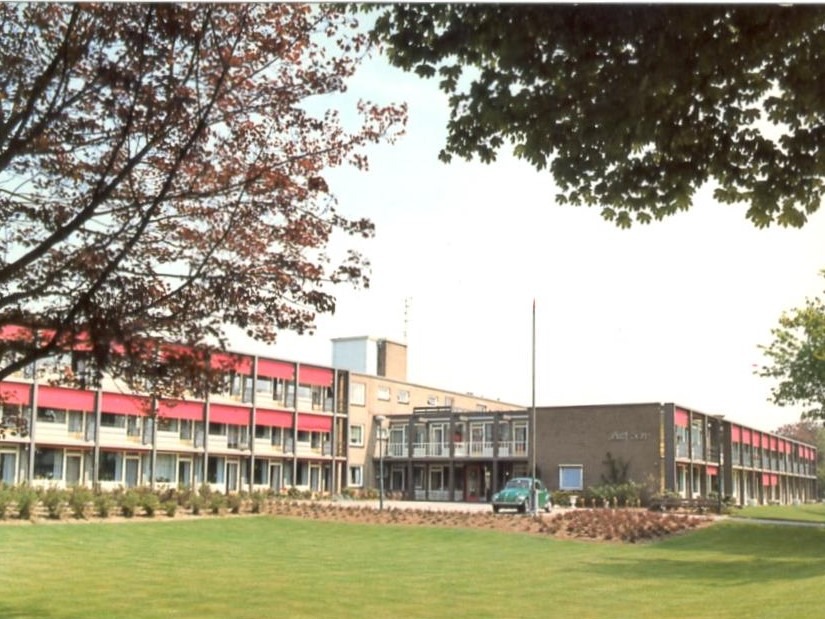
The ‘t Hoge Veld residential care center in Aalten opened in 1970 as the successor to the Avondvrede rest home on Hogestraat. The building accommodated dozens of elderly residents and was a recognizable nursing home in Aalten for decades. In 2018, the complex was demolished and replaced by new construction.
In 1967, the Reformed congregations of Aalten, Bredevoort, and Lichtenvoorde jointly established the Reformed Foundation for the Aalten Senior Center. This foundation was later renamed the ‘t Hoge Veld Senior Center Foundation. In 1970, the residents of the Avondvrede rest home on Hogestraat moved to the newly built ‘t Hoge Veld senior center in Aalten.
High-rise construction
The new building was a six-story structure. At the time, this was considered quite spectacular in Aalten, as there was hardly any high-rise construction in the village. The only tall buildings were the Landbouw silo and the water tower. From the top floor of ‘t Hoge Veld, one had a beautiful view over Aalten and the surrounding area.
During construction, some elderly residents remarked: “If they add a slide, we can go straight to the cemetery across the street after we die.” Later, the residents felt very positive about it. They enjoyed the view and the excellent care provided in this nursing home.
The main building contained 78 single rooms and 11 double rooms. Additionally, there were 12 sheltered housing units.
Demolition and new construction
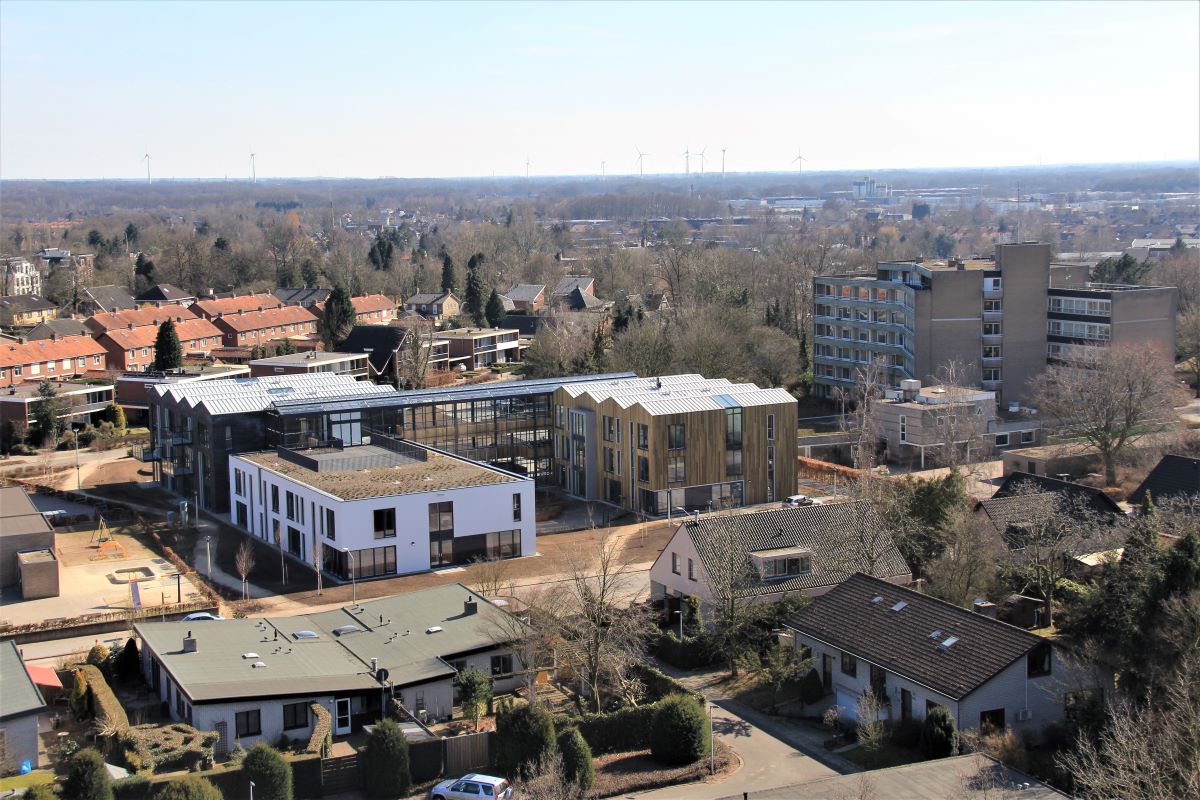
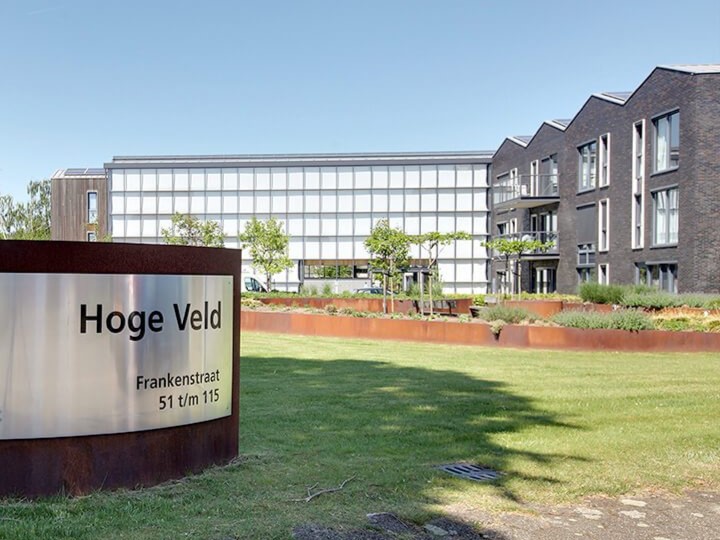
In 2018, the apartment block and the sheltered housing units were demolished to make way for new (lower) residential care center buildings and luxury homes in a park-like setting.
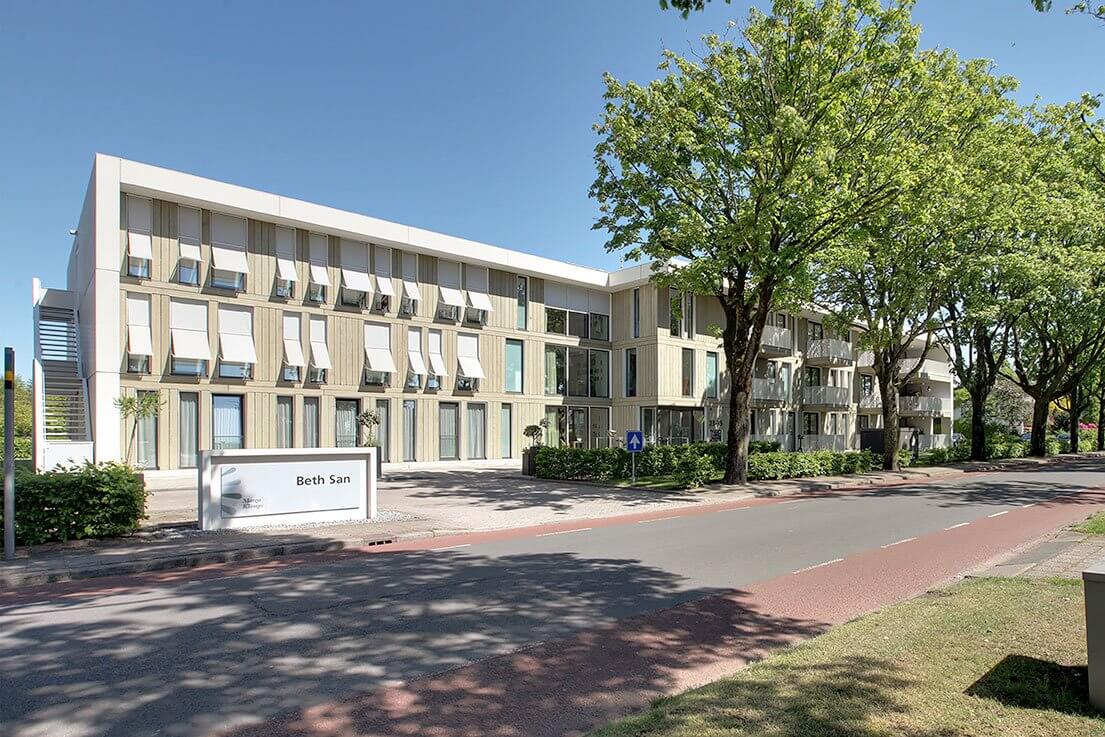
Beth San Residential Care Center on Ludgerstraat in Aalten was opened in 1960 as a ‘Reformed home for the elderly’. After fifty years, the complex no longer met the requirements of the time and the care center, along with the associated sheltered housing, was replaced by a new building. The opening of the new Beth San took place in 2013.
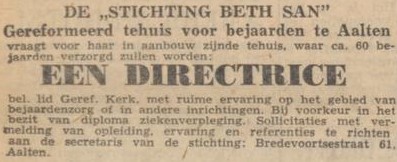
The initiative for Beth San came from the diaconate of the Reformed Church in Aalten. The name means ‘House of Rest’. In 1957, over 12,000 m² of land was purchased between Ludgerstraat and the section of Eligiusstraat that was yet to be constructed. The buildings were designed by architects Gjalt van der Zee (1901-1994) and Ir. Cornelis Veerling (1912-1997) from Bolsward.
The main building consisted of 63 single rooms, 4 double rooms, and 8 rooms for live-in staff. In addition, 12 sheltered housing units were built. The total investment amounted to over 1 million guilders.
At its opening in 1960, Beth San provided accommodation for more than seventy residents. The home was considered a modern facility for its time, featuring central heating and provisions for independent seniors in the sheltered housing units.
Renovation and New Construction
Five decades after its opening, the complex no longer met current standards. The complex was demolished and replaced by a new residential care center, which opened in 2013.
The new Beth San consists of two buildings with thirty apartments and five group homes for people with dementia. The group homes are small-scale in design and offer 24-hour care and support. Additionally, the center features a restaurant, an exercise garden, and spaces for activities and social gatherings, such as exercise classes for seniors (MBVO) and an internet café.
Next to Beth San, a residential building for independent seniors was erected, featuring thirteen apartments and an underground parking garage. This complex replaced the sheltered housing units that previously stood there.
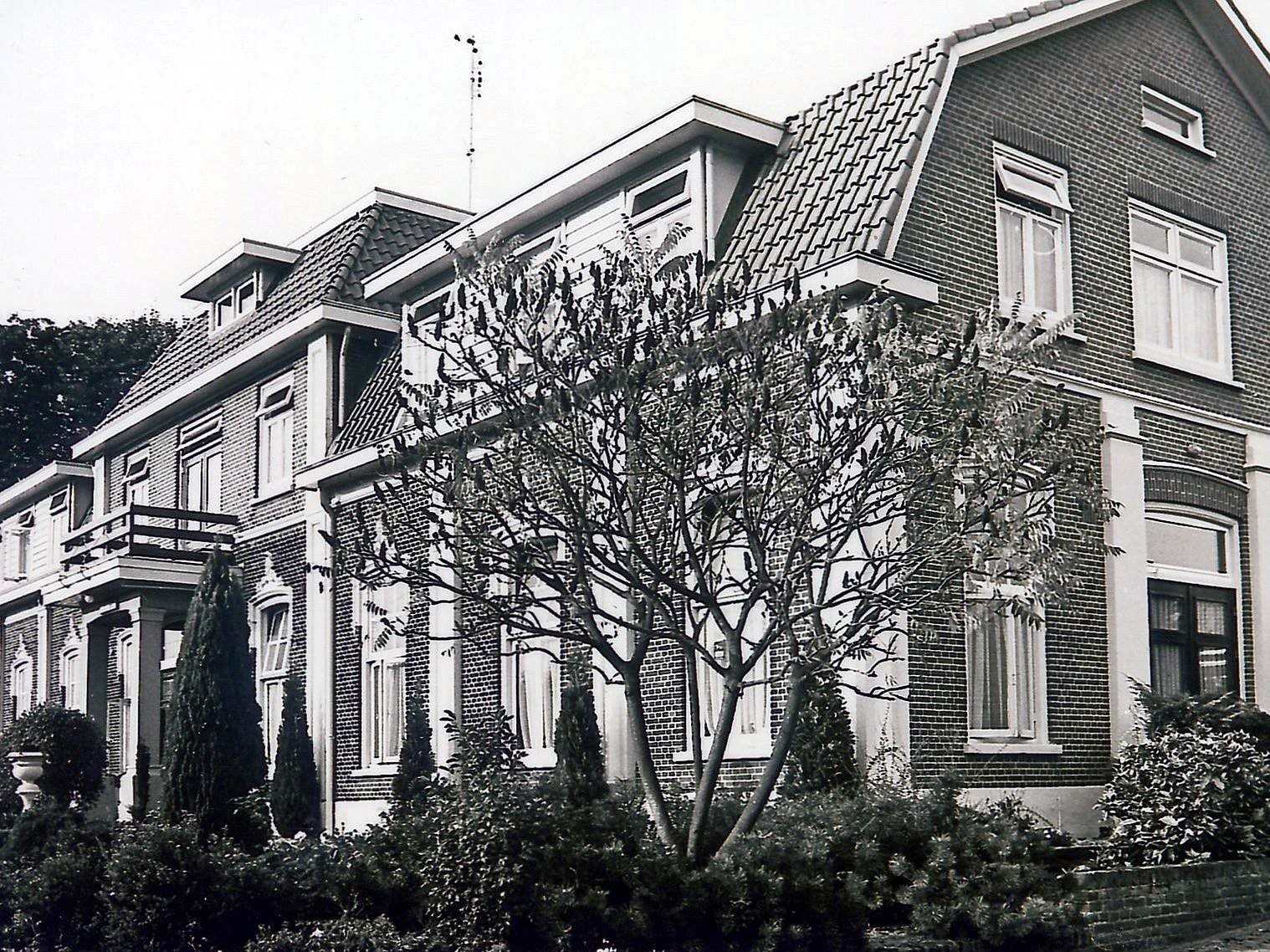
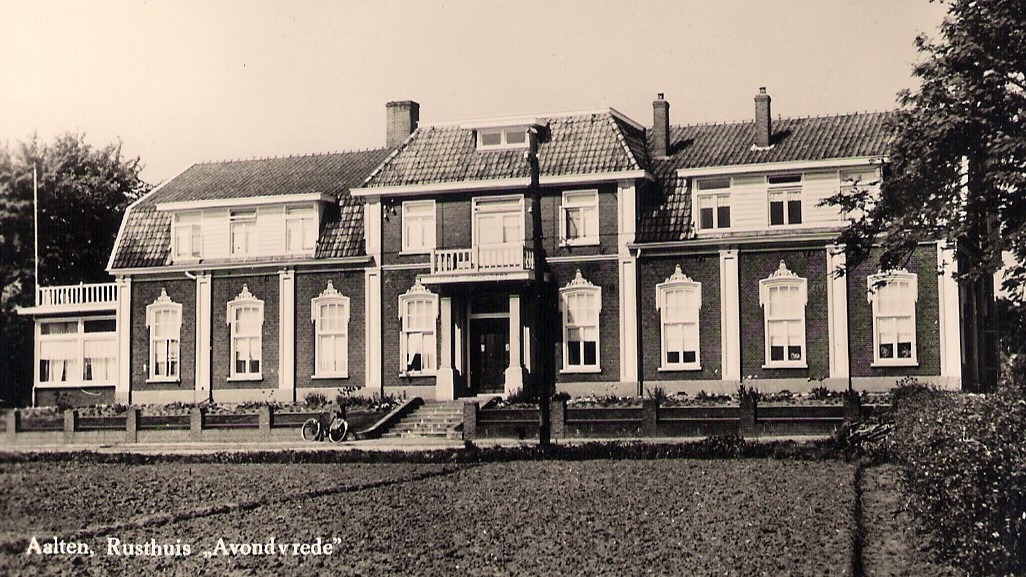
Avondvrede Rest Home on Hogestraat was opened in 1885 as the ‘Home for Elderly Men and Women’ of the Reformed Church in Aalten. Over time, the building served various functions: a nursing home, a temporary hospital, and later a group home. Today, the premises are used as a residential location by care provider Estinea.
The home was opened in October 1885 and was partly set up as a farm. Residents who were able to do so worked on the accompanying lands to provide for their own maintenance. Until 1904, the Reformed Church also managed a Guesthouse / Poorhouse on the former Gasthuisstraat (now Haartsestraat). In that year, its residents moved to the rest home on Hogestraat.
Hospital
In 1904, the Dutch Reformed Association for Nursing was founded. A few years later, this association took the initiative to establish a hospital within the rest home. The hospital was opened in the course of 1909. It was intended for patients with non-contagious diseases, particularly acute conditions. Nursing costs ranged from f 0.80 to f 1.50 per day.
In the first year, twelve patients were admitted, four of whom passed away, totaling 166 nursing days. In 1910, there were eight patients with 222 nursing days, and in 1911, seven patients with 343 nursing days. The number of patients decreased in the following years, and the number of nursing days became significantly lower. In 1912, there were only 59 nursing days. The year 1915 still counted 134 nursing days, and 1916 only 35 with two patients. Data from the period thereafter is missing.
In the early 1930s, plans were again made to house a hospital in the rest home, but the crisis years made further implementation difficult. During World War II, the building functioned as an emergency hospital for a period of time.
From Avondvrede to ’t Hoge Veld
In 1935, the building was renovated and modernized and given the name ‘Avondvrede’. In 1967, the Reformed churches of Aalten, Bredevoort, and Lichtenvoorde jointly established the Reformed Foundation for Elderly Centers Aalten, later renamed the ’t Hoge Veld Elderly Center Foundation. The last residents of Avondvrede moved to the newly built ‘t Hoge Veld elderly center in Aalten in 1970.
Cederhof
After the departure of the elderly residents, the building was given a new purpose. On November 2, 1970, it was officially opened as a group home under the name Cederhof, the first residential facility in Aalten for people with intellectual disabilities. The building is currently used as a residential location by care provider Estinea.
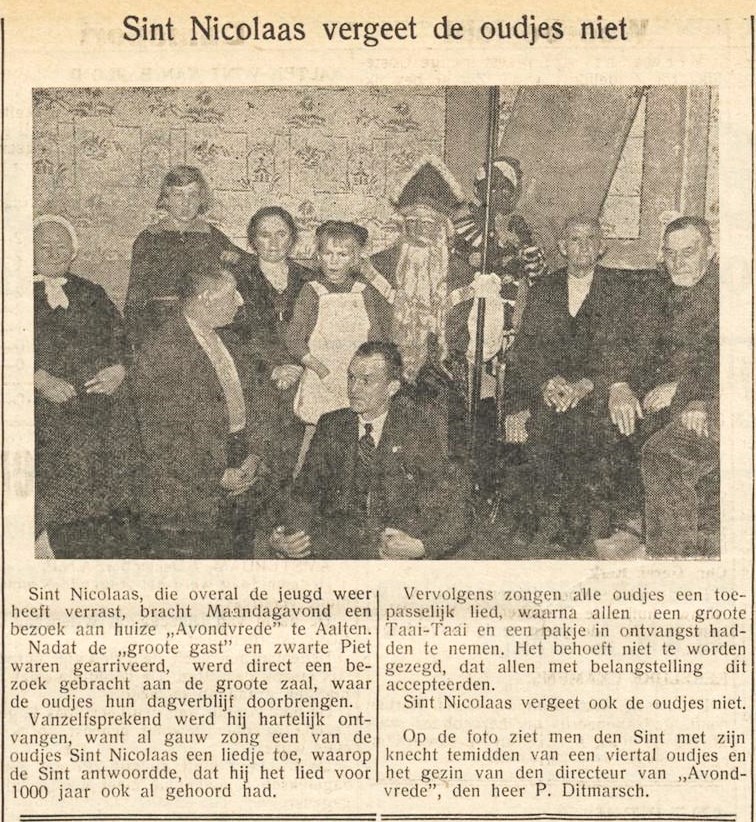
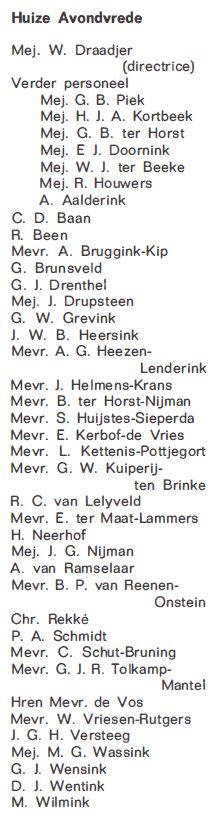
Advertisement for ‘Huize Avondvrede’, by Piet te LintumAaltensche Courant, July 11, 1916De Graafschapper, December 8, 1937Residents of Huize Avondvrede, 1967
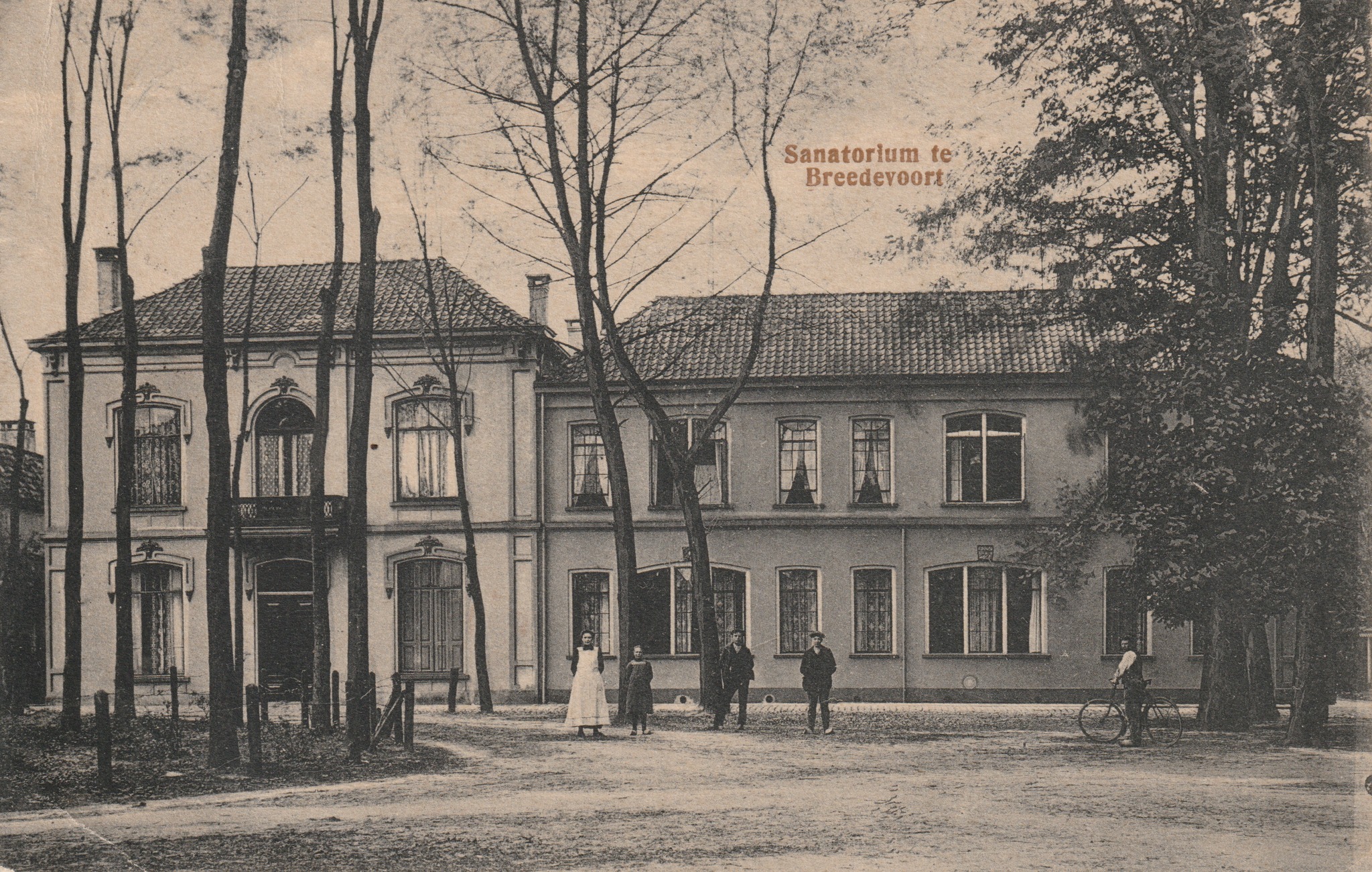
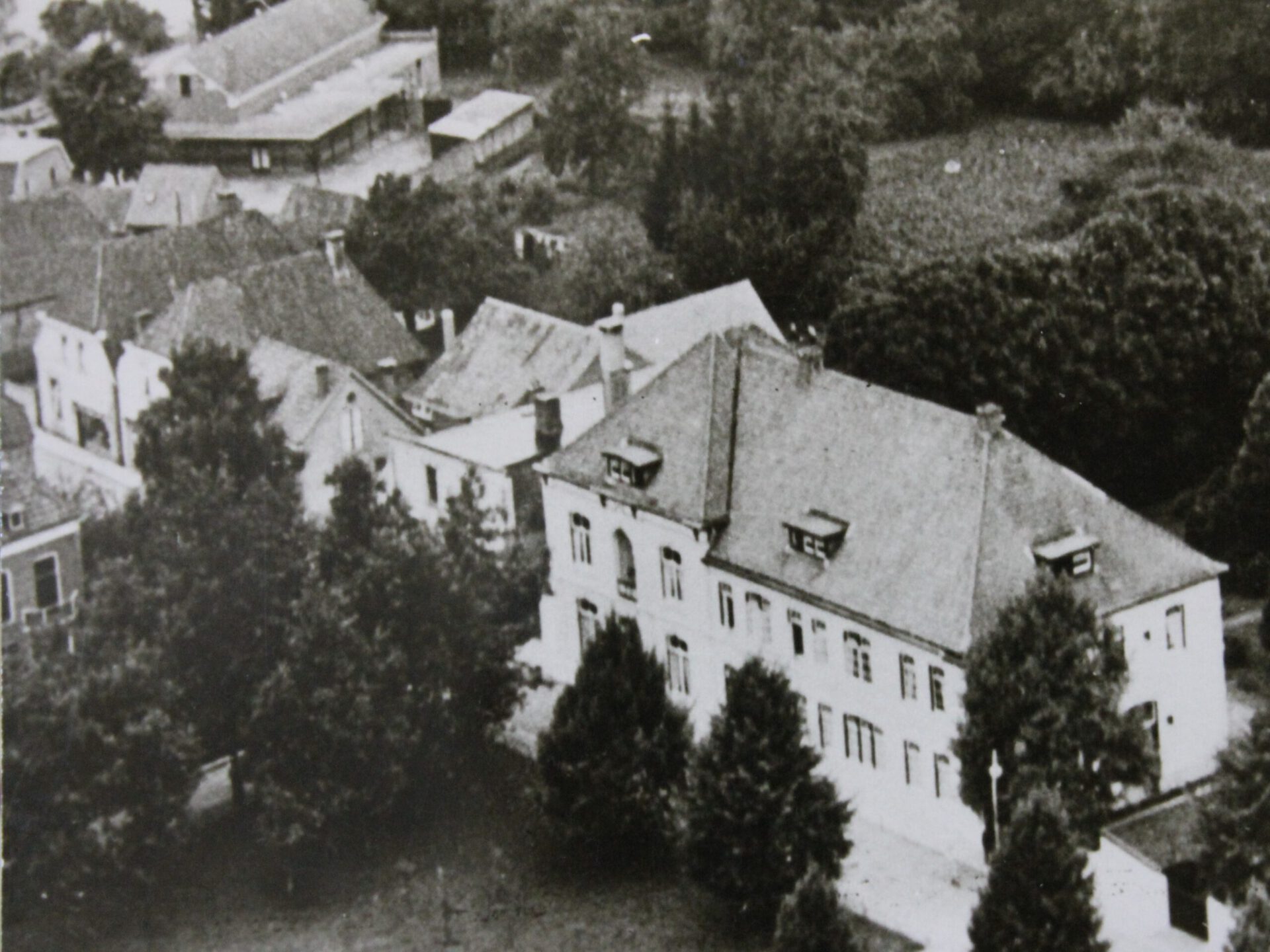
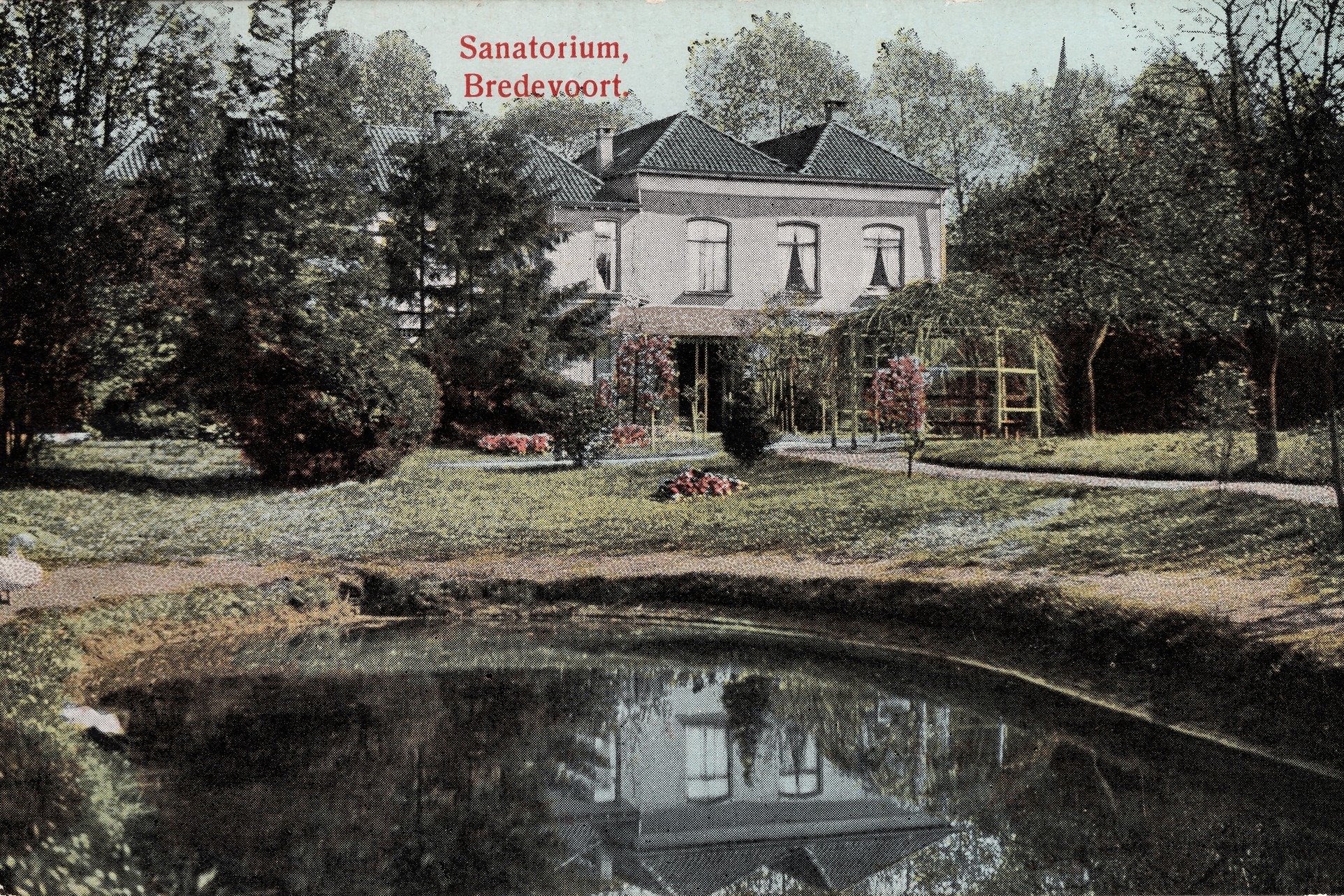
St Bernardus House is a distinctive building on ’t Zand, the central square of Bredevoort. The building has a rich history, having served as a residence, a sanatorium, and a nursing home.
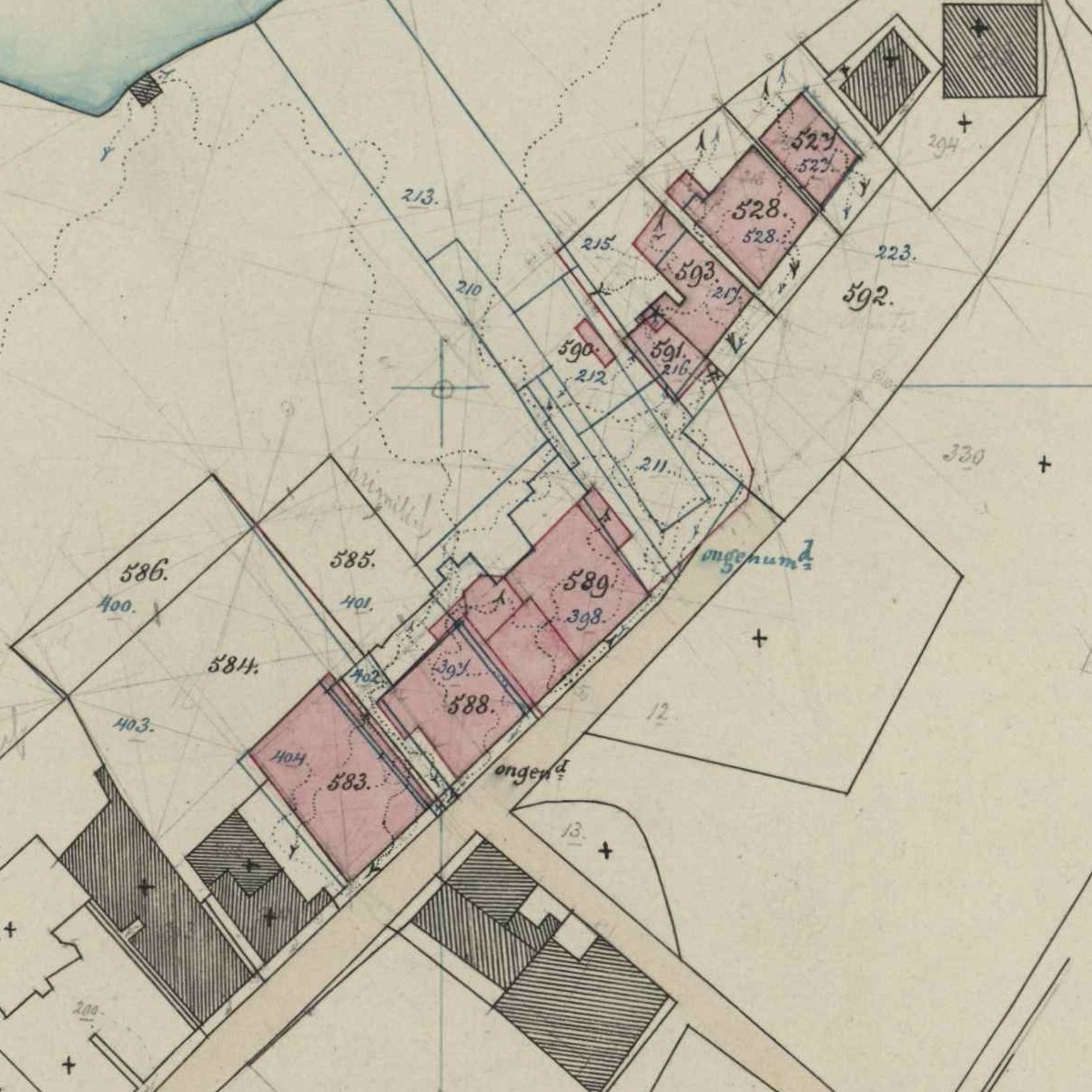
Het pand werd oorspronkelijk gebouwd in opdracht van Jan Satink, luitenant-kolonel in het Staatse leger, Regiment Nationalen. Het verrees op de plek waar ooit de voorburcht van het kasteel Bredevoort heeft gestaan. In 1800 kwam het huis door vererving in bezit van de familie Roelvink. Arnoldus Florentinus Roelvink, telg uit deze familie, was vanaf 1813 burgemeester van Bredevoort.
In 1897, the building was purchased by Father Bernardus Mulders. The priest was a man of means and acquired the former steward’s house with his own funds. His goal, he wrote, was to offer “his poor children” a Catholic education. Because Catholic schools were costly at the time, he devised a clever solution: he brought nuns to Bredevoort, who established a convent and a sanatorium in the steward’s house. Nuns were an economical option as they received no salary, having dedicated their lives to God.
Onder beheer van de Zusters Franciscanessen van Thuine werd het ‘R.K. Sanatorium St. Bernardus Gesticht’ opgericht. Het klooster-sanatorium noemde hij naar zijn eigen patroonsheilige, Sint Bernardus van Clairvaux. Met de winst van het sanatorium begon de pastoor een lagere school: de Sint Joannesschool.
The sanatorium was intended for wealthy patients, as the nursing costs were high, ranging from f 1.50 to f 2.20 per day. Medical expenses and pharmacy costs were charged at 10 guilders per month. Second-class patients paid f 7.50.
Vanaf 1907 kwamen mensen uit het hele land naar Bredevoort om in het sanatorium te herstellen. Zij verbleven er vaak maandenlang. Overdag lagen zij in bed in een lighal, ook in de winter; helemaal ingepakt. In de tuin van Sint Bernardus, nu het Vestingpark, stonden minstens tien van deze lighallen met hun open zijde naar de zon gericht. Twee daarvan zijn bewaard gebleven en hebben de status van rijksmonument.
The sanatorium remained in use until 1933. Afterwards, the building was repurposed as a nursing home for the elderly. In 1938, the Sisters of Thuine were succeeded by the Sisters of St. Joseph from Amersfoort. The last sisters left Bredevoort in 1985.
In 1988 volgde een grootschalige renovatie en uitbreiding van het gebouw door Stichting Verzorgingstehuis St. Bernardus. Het bejaardentehuis verhuisde uiteindelijk in 2008 naar het nieuwgebouwde Ambthuis.
Hermann Schepers (Weseke/D, 17-08-1828), schoemaker Elisabeth Dieckmann (Alpen/D, 24-12-1840)
Address directory 1934
Bredevoort 60 > ‘t Zand 15
St Bernard’s Institution
Address directory 1967
‘t Zand 23
St Bernard’s Institution
Beheer toestemming
Deze website gebruikt cookies voor een optimale ervaring en analyse van bezoekgegevens. Ga je hiermee akkoord? Zonder toestemming werken sommige onderdelen van de site mogelijk minder goed.
Functioneel
Always active
De technische opslag of toegang is strikt noodzakelijk voor het legitieme doel het gebruik mogelijk te maken van een specifieke dienst waarom de abonnee of gebruiker uitdrukkelijk heeft gevraagd, of met als enig doel de uitvoering van de transmissie van een communicatie over een elektronisch communicatienetwerk.
Voorkeuren
De technische opslag of toegang is noodzakelijk voor het legitieme doel voorkeuren op te slaan die niet door de abonnee of gebruiker zijn aangevraagd.
Statistieken
De technische opslag of toegang die uitsluitend voor statistische doeleinden wordt gebruikt.De technische opslag of toegang die uitsluitend wordt gebruikt voor anonieme statistische doeleinden. Zonder dagvaarding, vrijwillige naleving door je Internet Service Provider, of aanvullende gegevens van een derde partij, kan informatie die alleen voor dit doel wordt opgeslagen of opgehaald gewoonlijk niet worden gebruikt om je te identificeren.
Marketing
De technische opslag of toegang is nodig om gebruikersprofielen op te stellen voor het verzenden van reclame, of om de gebruiker op een site of over verschillende sites te volgen voor soortgelijke marketingdoeleinden.