
At the end of 1922, the residents of Aalten sent food aid to the destitute population of the neighboring German city of Bocholt.
Germany’s defeat in World War I had profound consequences. In 1919, the Allies forced Germany to accept full responsibility for the war, and enormous reparations were imposed on the country. The staggering debt burden to the Allies led to hyperinflation and a severe economic crisis. This resulted in extreme poverty and famine for the majority of the German population.
On September 28, 1922, the municipal council of Aalten decided to help the destitute population of the neighboring German city of Bocholt, “in recognition of the good that Aalten enjoyed from this industrial city before the war.” The aid consisted of sending foodstuffs that were available here in abundance.
On November 17, the Aaltensche Courant reported:
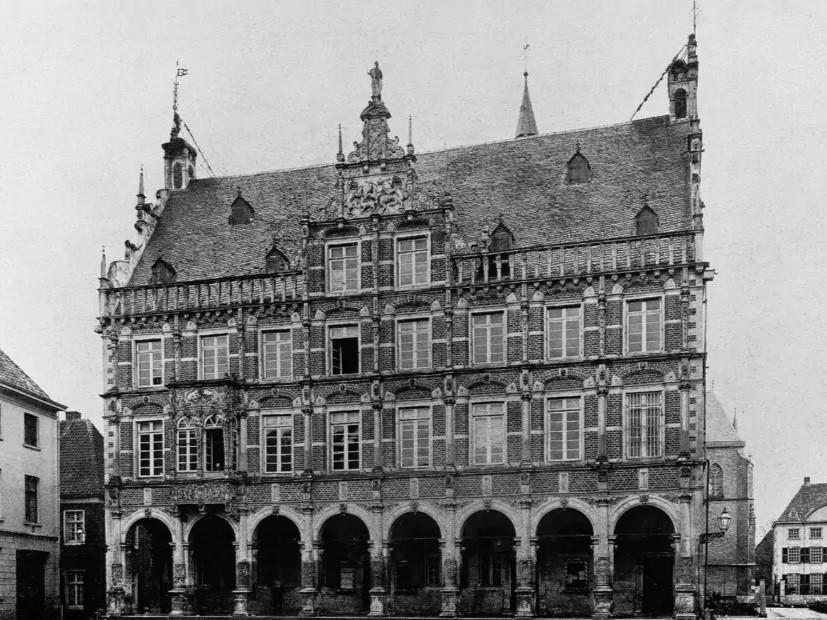
“This morning, the second shipment of food, collected by the citizens of the municipality of Aalten, left for Bocholt. In the following weeks, the residents of the municipality of Aalten gathered several more shipments of food and sent them to Bocholt. On Tuesday, seven wagons carrying potatoes, cabbage, rye, etc., crossed the border, while two more transports are scheduled to depart next week. That these efforts are received with great joy requires no explanation, given the dire need, and this humane act will certainly contribute to the resumption of friendly relations (broken by the war) with our neighbors.”

Ten days later, the Zutphense Courant wrote:
“Nov 26 – During the council meeting of the border city of Bocholt, the mayor delivered a speech to express his gratitude for the great sacrifice made by the population of the municipality of Aalten to provide the poor of the city of Bocholt with all kinds of foodstuffs such as potatoes, flour, fat, vegetables, etc. Fourteen wagonloads had already been received, which the Aalten farmers brought to Bocholt themselves. The mayor regarded this assistance from the Dutch border residents as a sign of rapprochement toward their German neighbors.”