Piet Heinstraat 4, Aalten (repurposed)
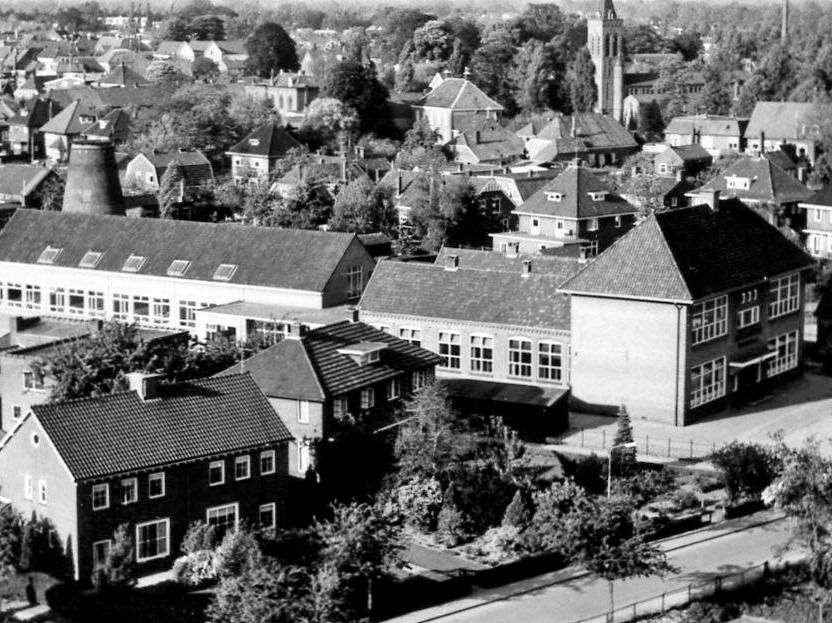
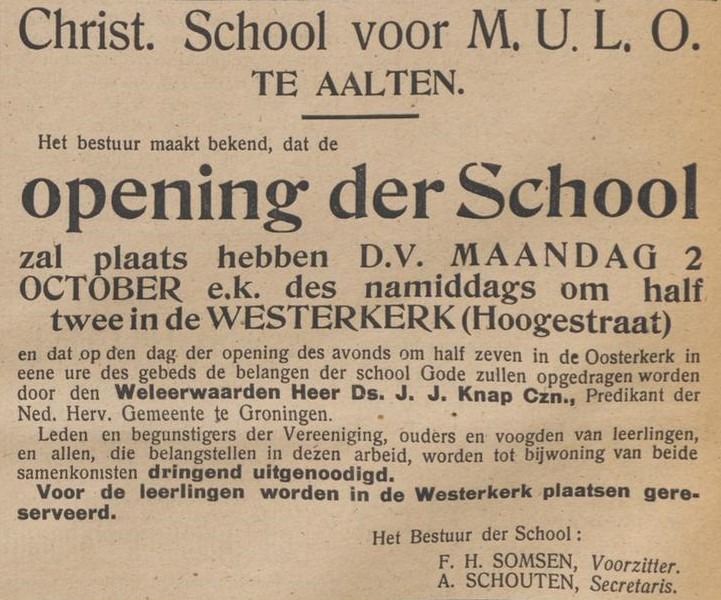
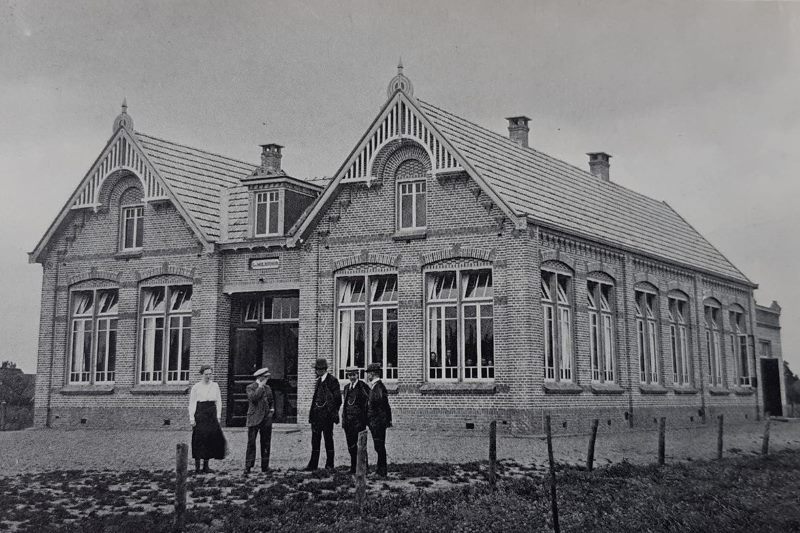
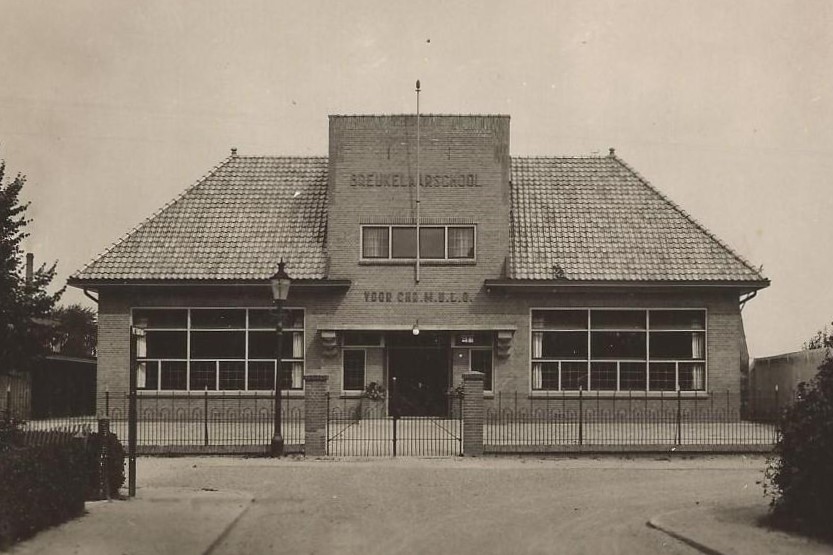
The Christian MULO in Aalten was established in 1916 in the so-called Tackshuis and moved into a new building on Stationsstraat, known as the Breukelaarschool, in 1918. In 1967, the school merged into the Christelijke Scholengemeenschap Aalten (CSA) and eventually became part of Schaersvoorde. The building has since been converted for residential use.
The first lessons of the MULO (Meer Uitgebreid Lager Onderwijs — Junior Secondary Education) were held in the Tackshuis on Gasthuisstraat (now Haartsestraat).
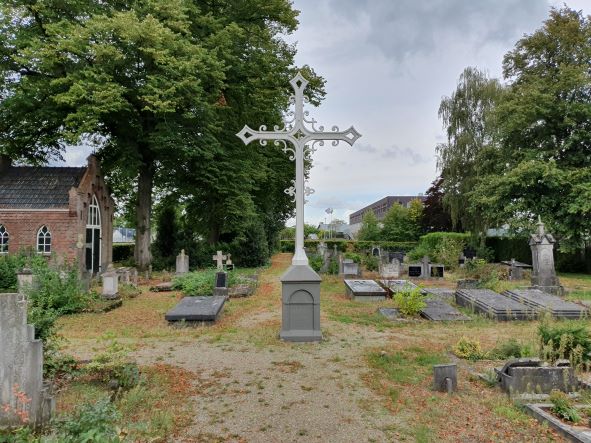
The school’s first headteacher was Adriaan Jacobus van Oosten, who served from 1916 to 1921. When he and his family arrived in Aalten, neither a school building nor a residence was available. The family was temporarily housed in the gravedigger’s cottage near the cemetery on Varsseveldsestraat, moving shortly thereafter to the upper floor of the Tackshuis.
The school began its first year with six classes and 36 pupils, a number that exceeded all expectations.
New Construction on Stationsstraat
It soon became clear that a dedicated building was necessary. A plot of land on Stationsstraat was purchased for approximately 1,400 guilders from Messrs Smits Sr. and Bulten, in an area then known as ‘Het Rot’. A new school building was erected here, with its front facing Piet Heinstraat.
The school was named the Breukelaarschool, after Rev. Johannes Breukelaar, a pioneer of Christian education in Aalten and son of Rev. Derk Breukelaar. In June 1918, Rev. Breukelaar himself performed the official opening.
Expansions and Changes
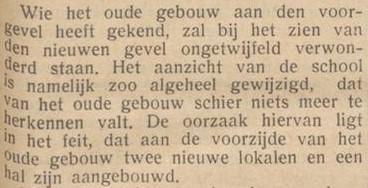
In 1933, the school building was extended on the street side with two classrooms and a hall. Later, the building was completely transformed and modernised again. During this process, an upper storey was added to the main building on the street side.
Mergers and Educational Reform
In 1967, the MULO merged with the HBS to form the Christelijke Scholengemeenschap Aalten (CSA). A year later, in 1968, the Mammoetwet (‘Mammoth Act’) came into effect, replacing the term MULO with MAVO.
In 1993, the CSA merged with the other secondary schools in Aalten—the Christelijke Scholengemeenschap Langenhave and the Technical School—to form Christelijk College Schaersvoorde. Around 2006, the school moved to a new building on Landbouwstraat.
Repurposing
By the turn of the century, the building no longer met modern standards. Along with the former LTS and domestic science school, it was decided to build a new VMBO school on Landbouwstraat.
Following the completion of the new school—the “Stationsplein location”—around 2006, the main body of the building on Piet Heinstraat was converted into four apartments. The original section at the rear was demolished and replaced by a new rear extension. A small residential square, named Breukelaarplein, was created on the land behind the building as a tribute to the founder of Christian MULO education in Aalten.
Archives
Address directory 1934
Aalten A97 > Piet Heinstraat 4
Chr. Ulo-school
Address directory 1967
Piet Heinstraat 4
Chr. U.L.O. School
Features
| Cadastral no. | K-2882 |
| Function | Secondary school, Residential housing |
| Year of construction | 1918 |
| Renovation | 2005 |
| Listed | no |
Sources
- Aalten Vooruit
- Address directory Aalten (1934 & 1967)
- Cultural-historical and urban assessment of buildings in Aalten II March 2011 II
- Cadastral map
- Nieuwe Aaltensche Courant, 1 December 1933 (Delpher)
- Nieuwe Aaltensche Courant, 7 June 1918 (Delpher)