Old Aalten

Tag: Public Transport

  • North-South Line

    North-South Line

    Aalten is situated on the Arnhem–Winterswijk railway line, which traverses the municipality from west to east (or vice versa, if you prefer). However, in the second half of the 19th century, there were also various plans to construct alternative routes running in a (more or less) north-south direction.

    Below is some information regarding these plans. It is perhaps superfluous to mention that none of these projects ever came to fruition.

    Zutphen–Aalten
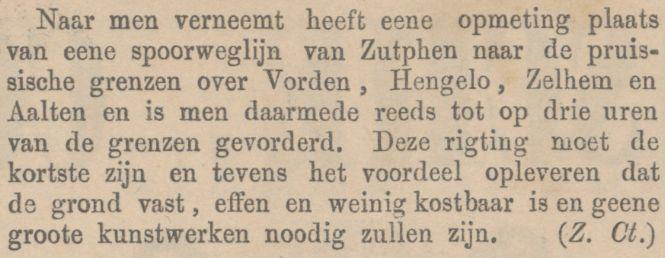
    In the mid-19th century, there were no railways in the Achterhoek yet. However, in 1865, plans were drawn up to build a railway line from Zutphen to the ‘Prussian borders’. The line was intended to run via Vorden, Hengelo, Zelhem, and Aalten. This route would be the shortest and, moreover, offered the advantages that the ground was ‘firm, level, and inexpensive, and no major engineering works would be required’. It is unknown to us why these plans were never executed.

    Gelsenkirchen–Aalten–Zutphen

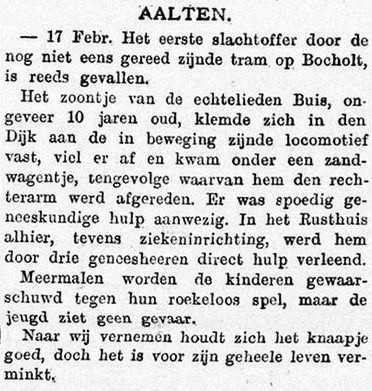
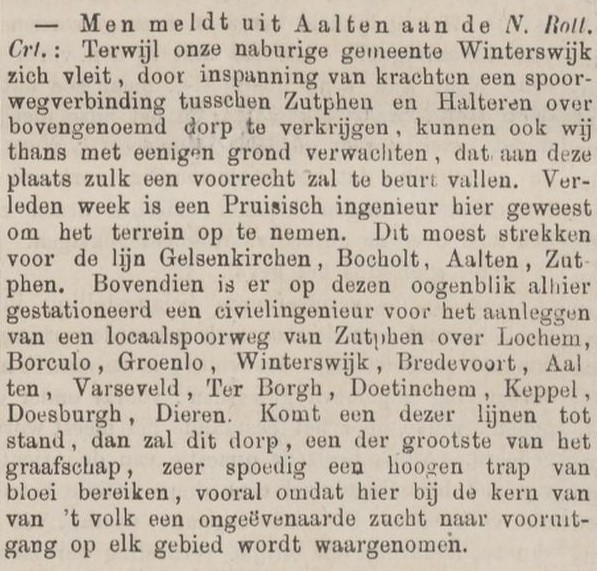
    In the spring of 1872, an engineer from the German Eisenbahn-Gesellschaft (Railway Company) in Berlin arrived at Aalten town hall to gather information for the potential construction of a railway line from Gelsenkirchen, via Bocholt and Aalten, to Zutphen. As the adjacent newspaper article shows, plans were already underway at that very same moment for a railway line from Winterswijk heading westwards, passing Aalten.

    “Should one of these lines come into being, this village, one of the largest in the county, will very swiftly attain a high degree of prosperity, particularly as an unparalleled desire for progress in every field is observed here among the core of the populace.”

    However, these plans were never carried out. This was likely due to the fact that the Nederlandsch-Westfaalsche Spoorweg-Maatschappij (NWS) had only just been founded, having already been granted the concession to build the Zutphen–Winterswijk railway line on 27 March. A year later, the Bergisch-Märkische Eisenbahn-Gesellschaft received the concession for the Winterswijk–Borken–Gelsenkirchen railway line, which would connect to the Dutch line.
    Rees–Aalten
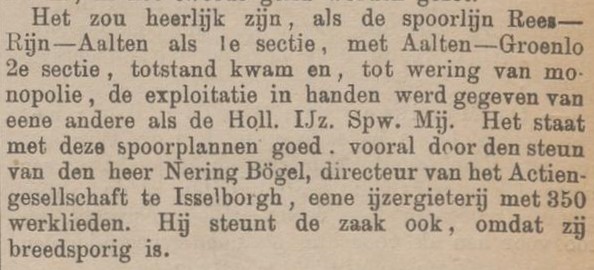
    In 1885, there was once again talk of the potential construction of a railway line that would pass Aalten in a north-south direction. This time, the planned route ran from Rees, via Isselburg and Dinxperlo to Aalten. Later, we also found Groenlo added to this list. It was, incidentally, also considered as a steam tramway. At the end of the year, however, the Graafschapbode reported that the preparatory work had been halted due to a disagreement between the German and Dutch sides regarding the location of the Dinxperlo-Suderwick station.
    Sources


    • Arnhemsche Courant, 8 September 1865 (Delpher)
    • Zutphensche Courant, 18 April 1872 (Delpher)
    • Graafschapbode, 25 April 1885 (Delpher)
    • Zutphensche Courant, 5 June 1885 (Delpher)
    • Graafschapbode, 12 December 1885 (Delpher)
    • Wikipedia
  • Border Office & Tram Station Heurne

    Border Office & Tram Station Heurne

    Hamelandroute 91, Heurne (vanished)

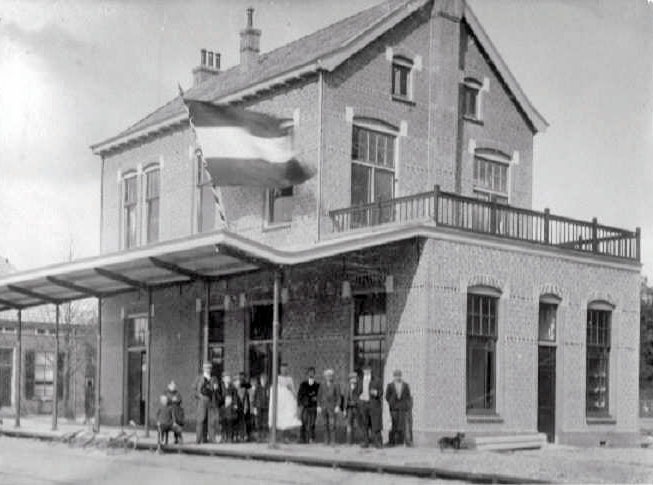
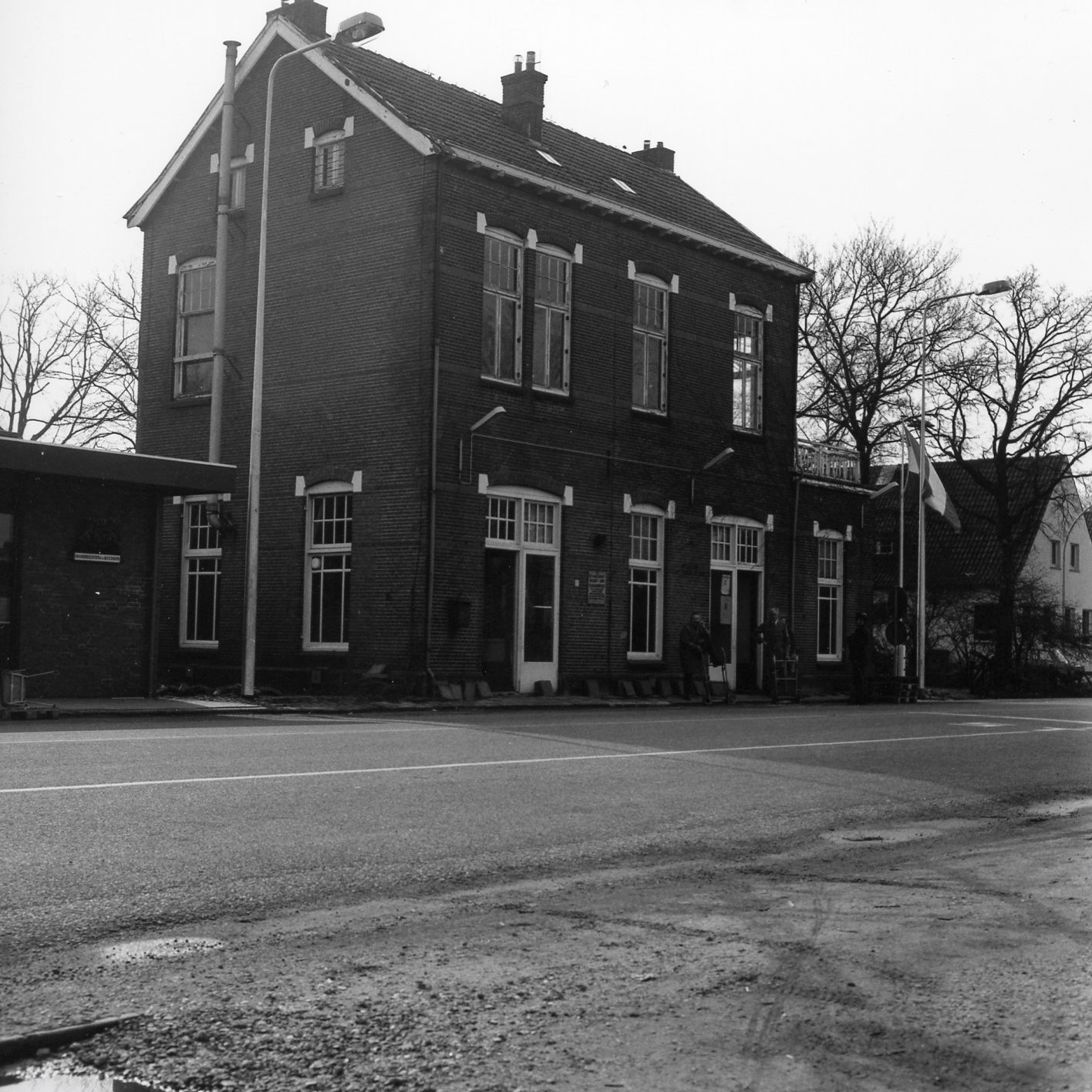
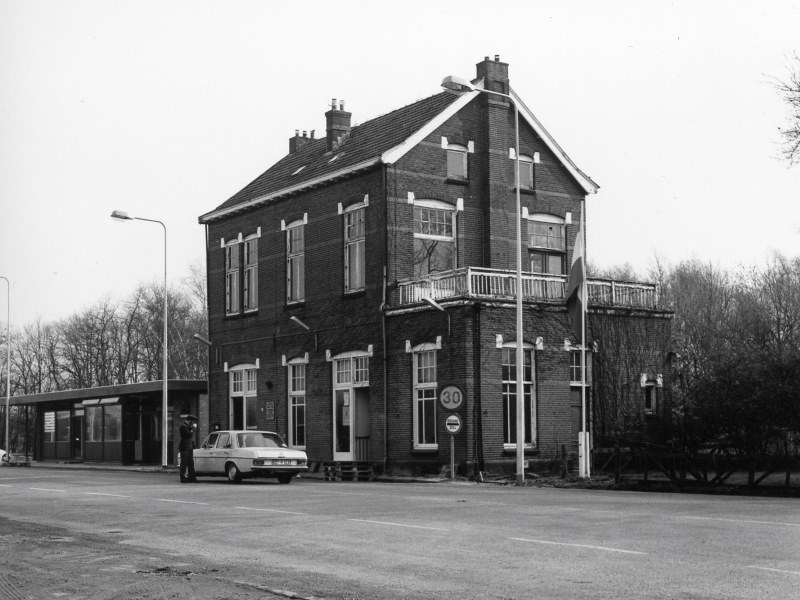
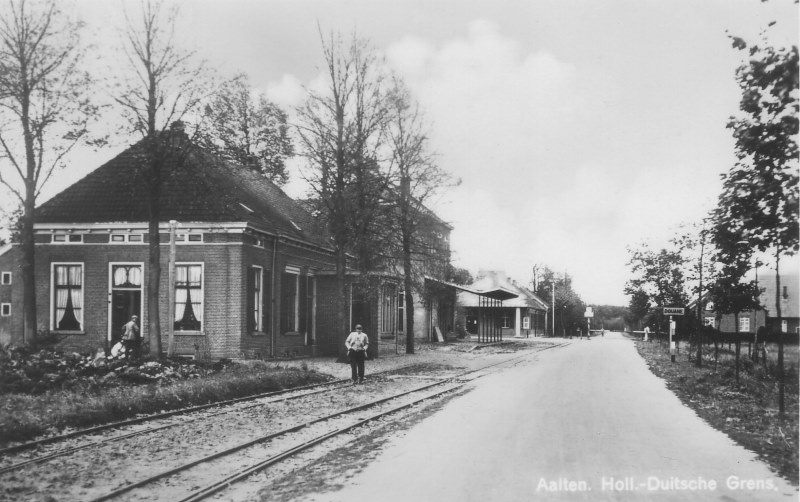
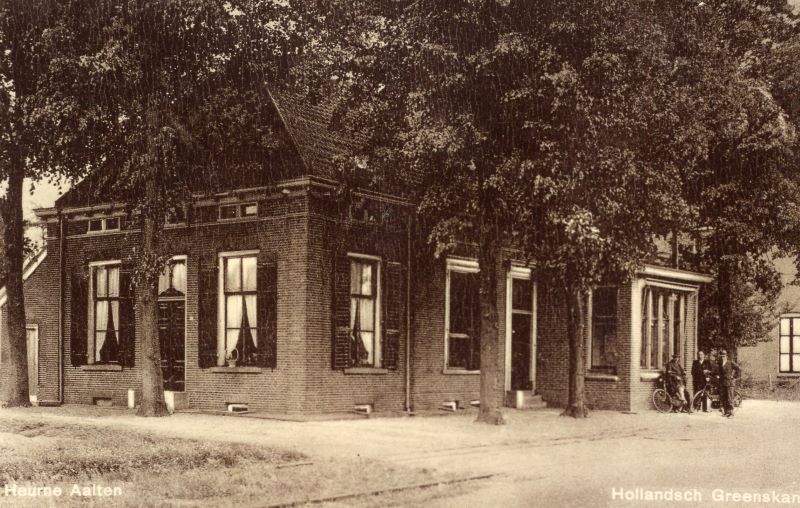
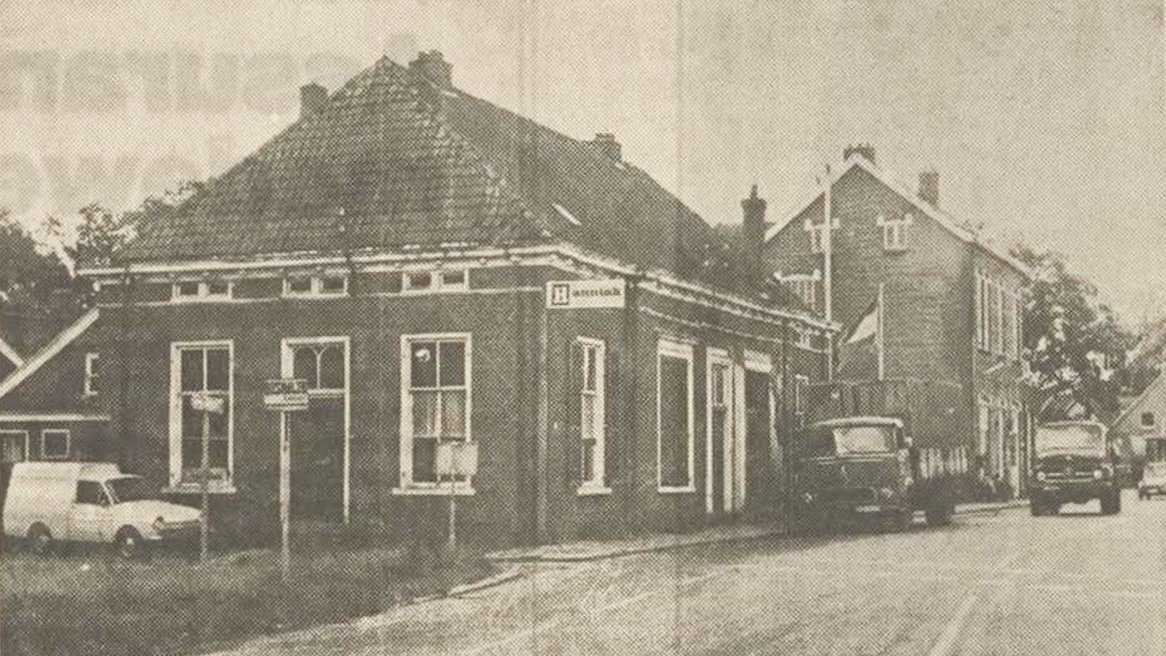
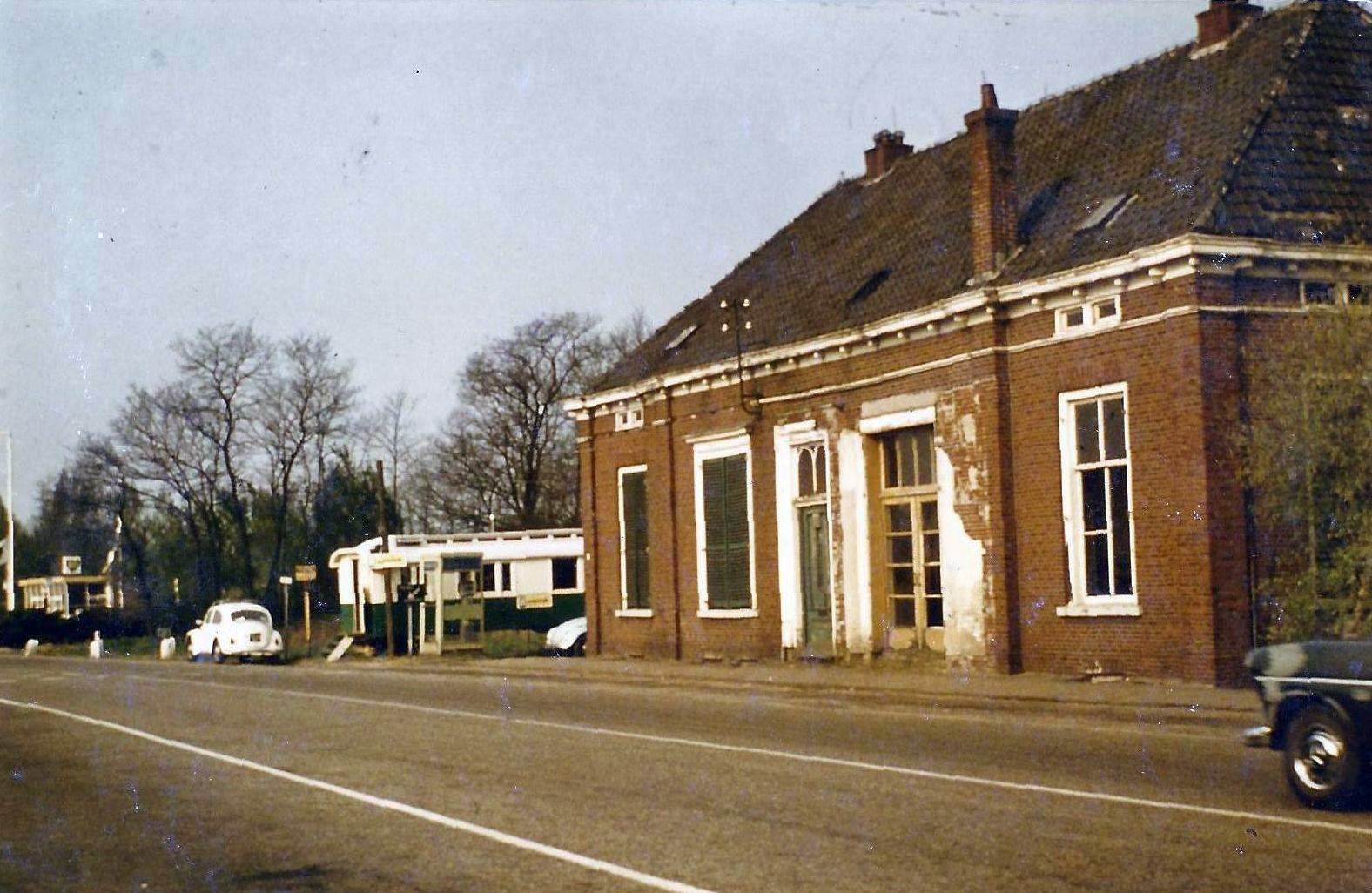
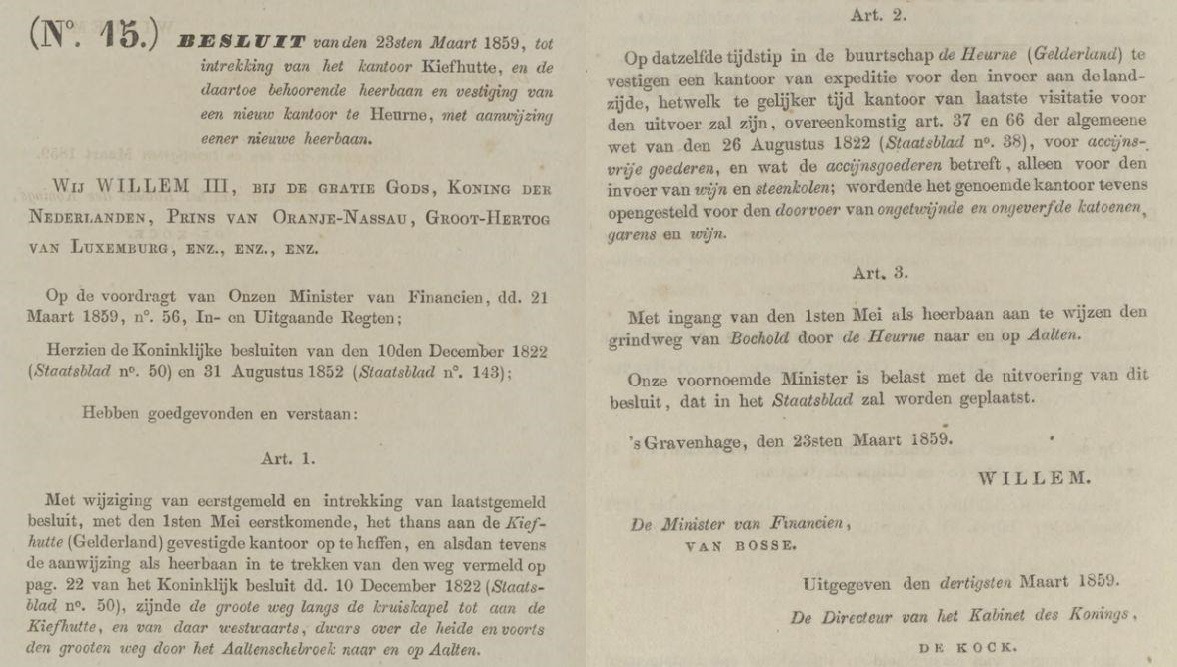
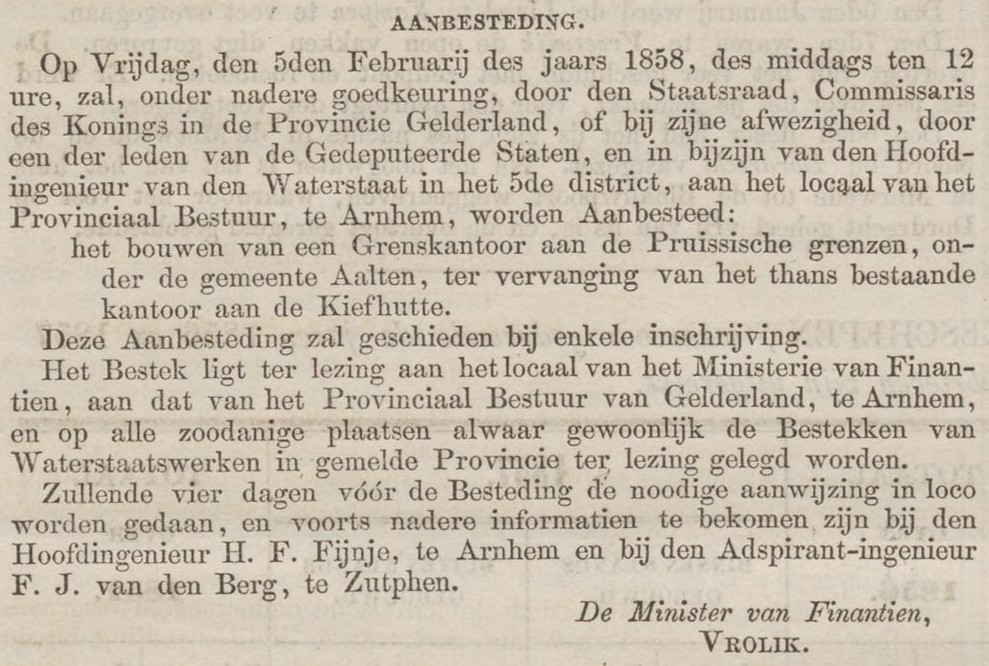
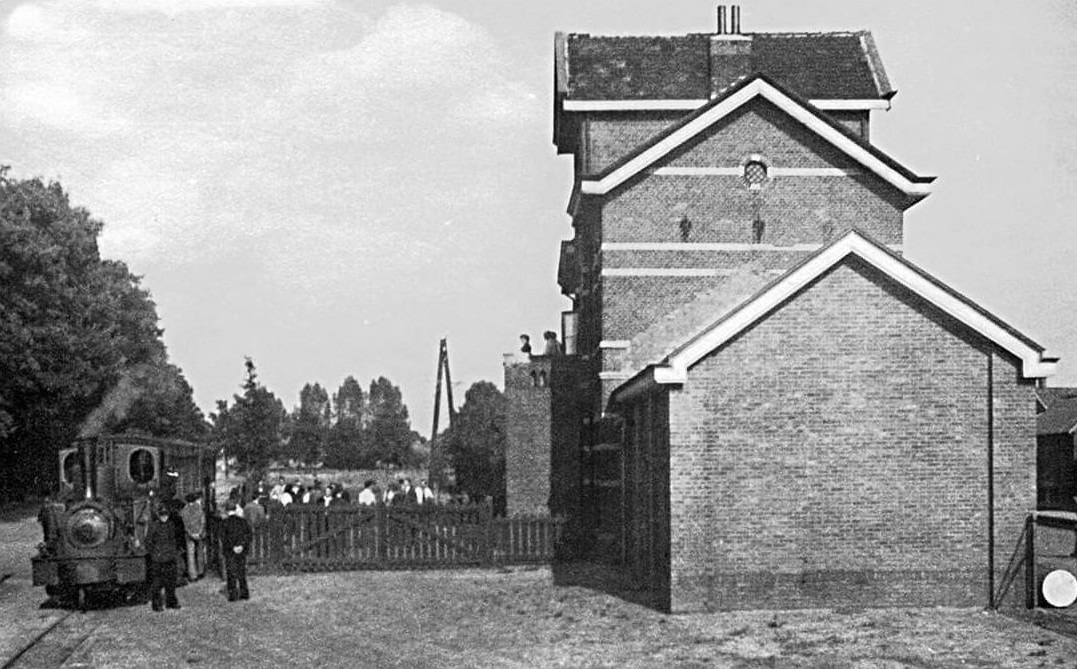
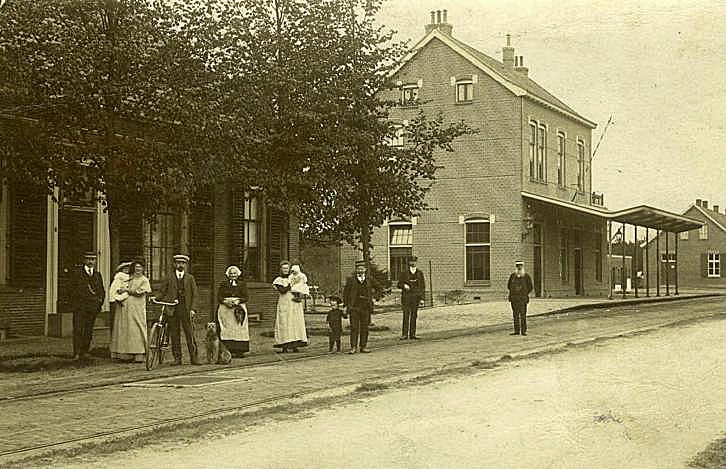
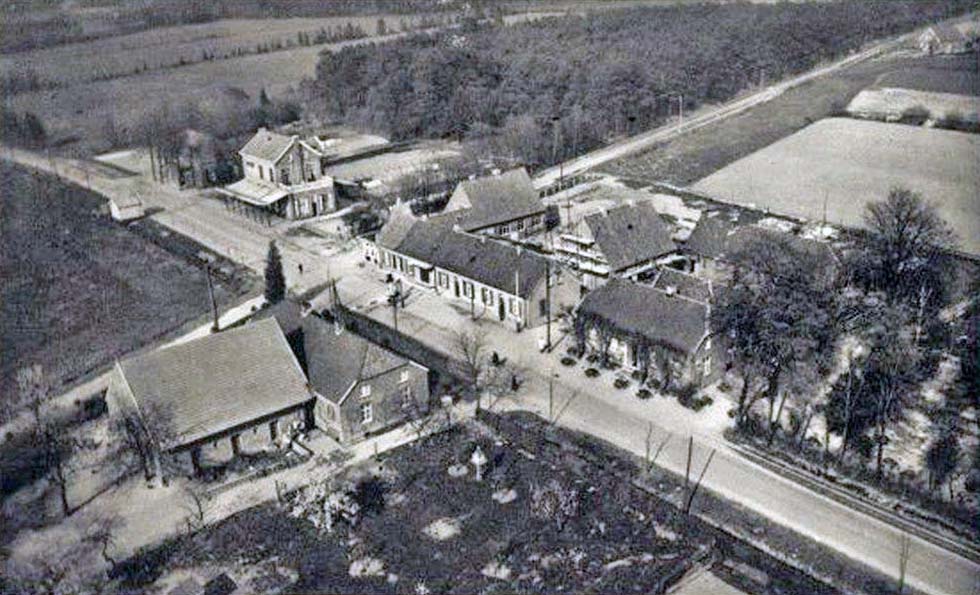
    In 1859, the border office in the Aalten Heurne was moved from the Bodendijk (now Kiefteweg) to the former Bocholtscheweg, the current Hamelandroute. This was the building on the left in the photo above.

    Tram and marechaussee

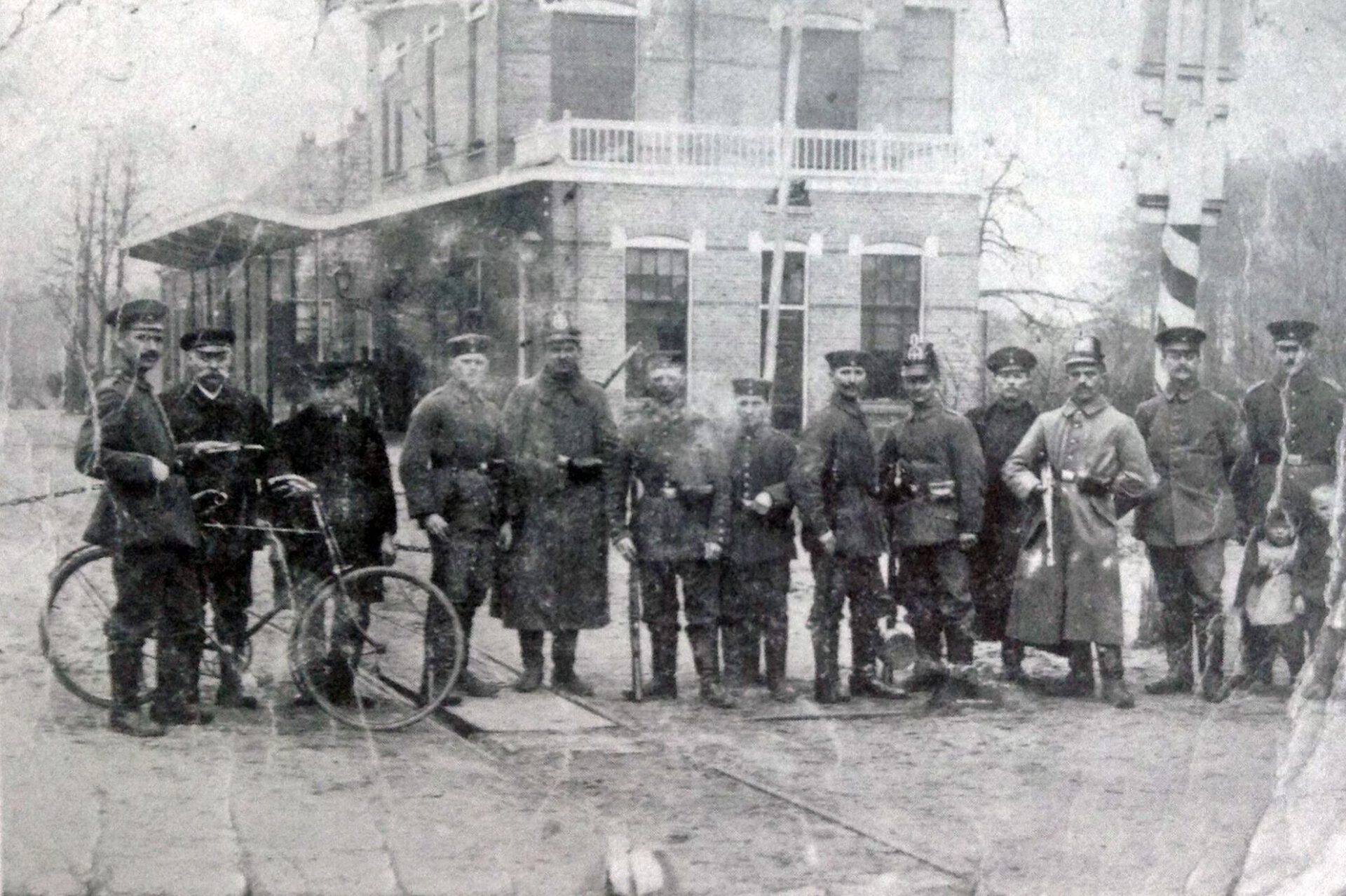
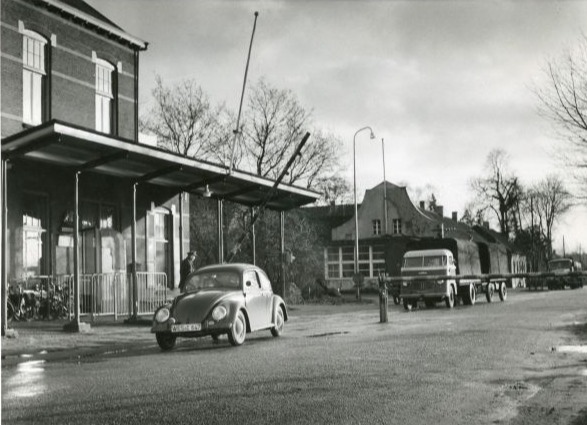
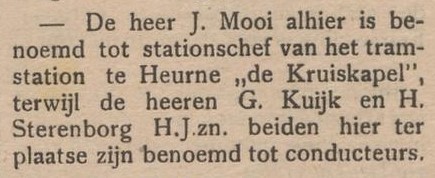
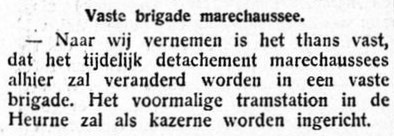
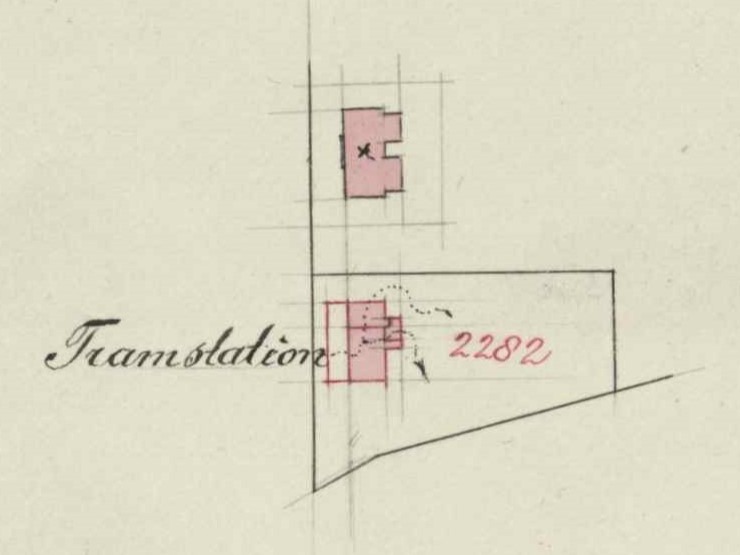
    In 1910, a station for the steam tram on the Bocholt-Aalten-Lichtenvoorde line was erected next to the border office (the building with the veranda, on the right in the photo above). In 1932, this tram station was converted into a marechaussee barracks. In the late 1930s, the marechaussee moved to a new barracks on the Ringweg. The former tram station was converted into a border office. Around 1960, the ‘new’ border office was stripped of its characteristic veranda.

    Border Office

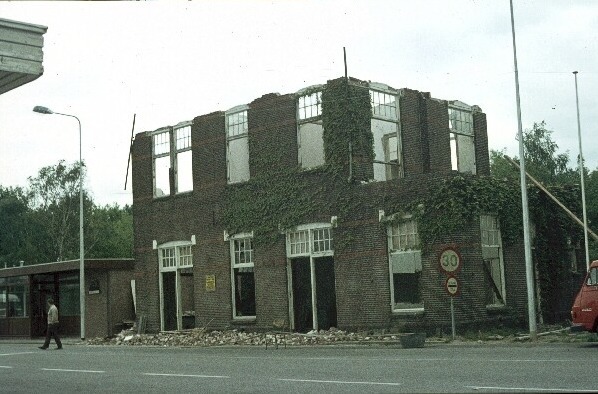
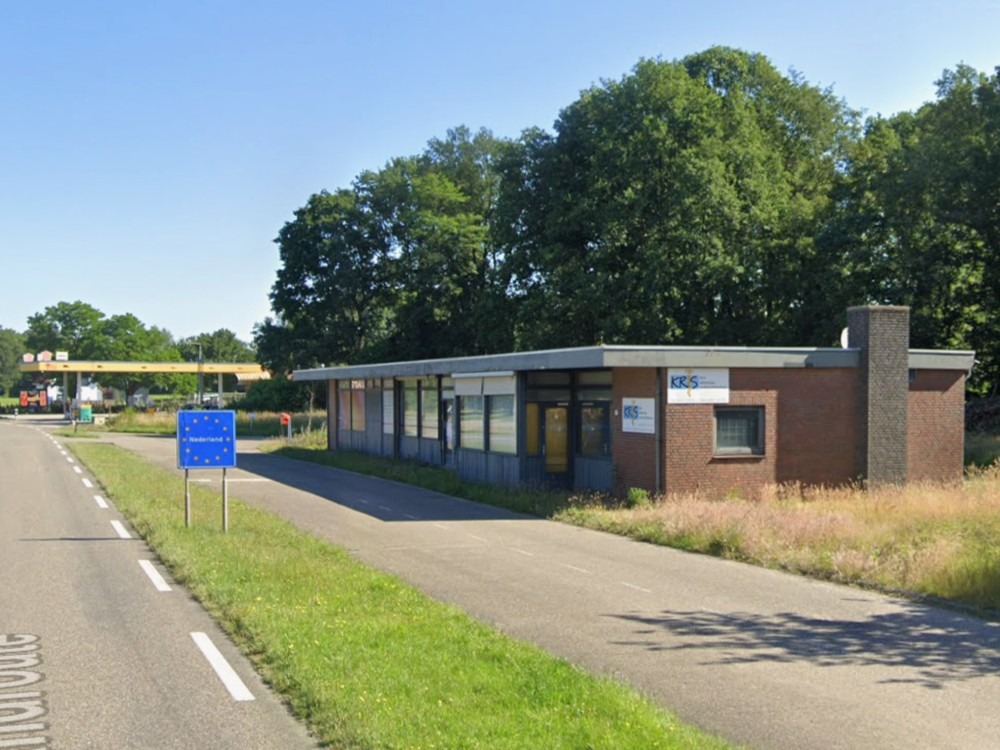
    In the mid-1970s, the old border office from 1859 was demolished. Subsequently, a modern single-storey office was built on the same site. After this new building was completed, the former tram station was also demolished.

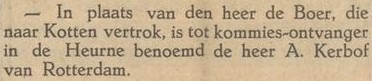
    It was a busy border crossing. The customs post was manned 24 hours a day. During peak periods, fifty to sixty customs officers sometimes worked there. Following the establishment of the Schengen Agreement, the customs post was permanently closed on December 31, 1992. The office remained in use for years afterward by various small businesses. It was demolished in 2024.

    Features


    Cadastral no.R-689
    Old border office
    FunctionBorder Office
    Year of construction1859
    Demolitionca. 1975
    Old tram station
    FunctionsTram station,
    Marechaussee barracks, Border office
    Year of construction1910
    Renovation1932 and 1939
    Demolitionca. 1975

    Photo album


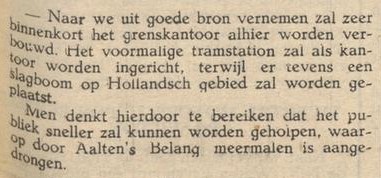
    Newspaper reports


    Owners

    This overview is incomplete.

    YearPlotOwnerDescription
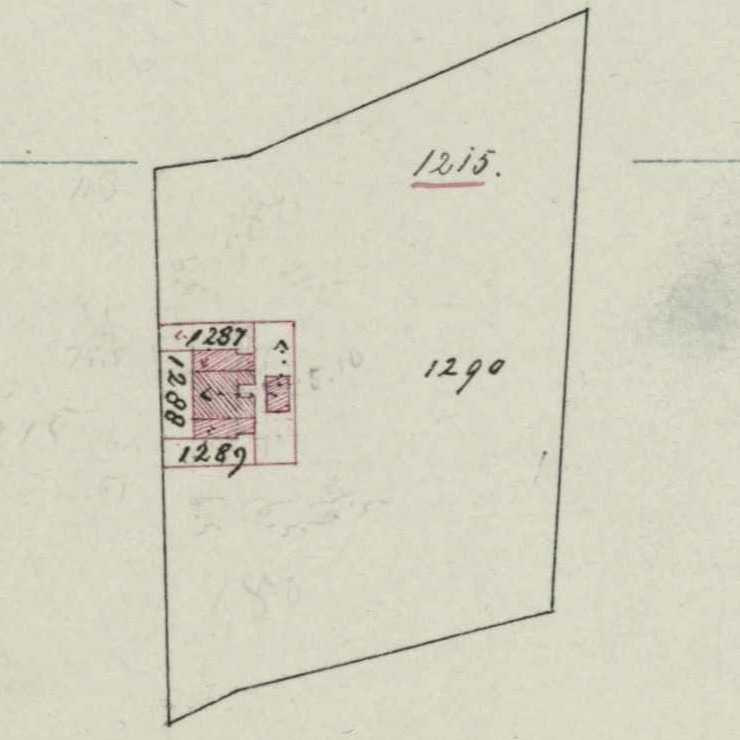
    1861E-1287State Domains180 m² house, yard
    1883E-1287
    E-1288
    E-1289
    The State180 m² house, yard (Heurne 18)
    510 m² house, yard (Heurne 19)
    180 m² house, yard (Heurne 20)
    1911E-2282The State1,950 m² tram station, arable land, heath & pines
    1933E-2282The State1,950 m² tram station, national office, arable land, heath & pines
    1965E-2603The State1,837 m² national office, house, arable land
    1985R-264The State9.660 m² building, yard

    Residents

    Population register 1860-1870

    Heurne 15a

    Willem Baerts (The Hague, 07-01-1832), collector
    Frederica Jacomina Johanna Jacoba Cats (Groede, 08-26-1836)

    Subsequent residents (1862-1874):

    Gerrit Jan van Soest (Tiel, 11-05-1802), national collector
    Agatha Margaretha Woudenberg (Boxtel, 11-05-1809)

    Heurne 15b

    Cornelus Johannes Josias Morin (Venlo, 12-10-1819), clerk
    Geertruida van Heel (Nijmegen, 12-24-1833)

    Next residents:

    Jan Xavier Hoff (Clemency/L, 11-04-1807), clerk
    Lotta Antonetta Alberdina van der Beesten (Maasweil, 08-24-1836)

    Next residents:

    Jan Poppe Terweel (Blesse, 06-24-1828), clerk
    Anna Sophia Jacoba Zintgraaf (Amsterdam, 11-12-1832)

    Population register 1870-1880

    Heurne 18

    Gerrit Jan van Soest (Tiel, 11-05-1802), national collector
    Agatha Margaretha Woudenberg (Boxtel, 11-05-1809)

    Subsequent residents (1874):

    Franciscus van de Voort (Hunsel, 05-10-1832), clerk collector
    Barbara Hentjens (Landeken, 09-12-1835)

    Subsequent residents (1874-1881):

    Adrianus van der Kruk (The Hague, 03-05-1821), collector
    Hendrika Willemina Meijer (Zutphen, 07-25-1812)

    Heurne 19

    Paulus Zijser (The Hague, 12-28-1836), clerk
    Theodora Cornelia Janssen (Aardenburg, 05-10-1846)

    Subsequent resident (1873-1874):

    Hendrik Matthijs Hubert Bruls (Orsbeek, 12-02-1847), clerk

    Subsequent residents (1870-1871):

    Mattheus van Kooij (Wijhe, 10-28-1840), clerk
    Berendina Remmiggina Hoetjen (Deventer, 05-15-1838)

    Subsequent residents (1871-1873):

    Antonius Höfkens (Nijmegen, 03-26-1837), clerk
    Wilhelmina Jacoba Huberta Huibers (Nijmegen, 07-19-1843)

    Heurne 20

    Jan Poppe Terweel (Blesse, 06-24-1828), clerk
    Anna Sophia Jacoba Zintgraaf (Amsterdam, 11-12-1832)

    Subsequent residents (1870):

    Adriaan Arnold den Hartogh (Budel, 04-13-1843), clerk

    Subsequent residents (1870-1873):

    Johannes Hendrikus Krijlen (Nijmegen, 06-26-1835), official
    Johanna Hermina Buijnink (Lichtenvoorde, 10-23-1843)

    Subsequent residents (1872-1873):

    Herman Lodewijk Joseph de Leur (Well, 04-11-1849), clerk

    Subsequent residents (1876-1877):

    Heurne 20

    Hermanus Franciscus Wolfs (Maastricht, 11-22-1841), national official
    Gerritjen Boland (Wisch, 10-20-1841)

    Subsequent residents (-1880):

    Gerard Herman Filet (Amsterdam, 12-08-1842), national official
    Berendina Neerhof (Aalten, 08-21-1855)

    Heurne 20

    Johannes Matheus Sluijtman (Nijmegen, 07-31-1832), clerk
    Petronella Barnauw (Nijmegen, 05-29-1830)

    Population register 1880-1890

    Heurne 18

    Adrianus van der Kruk (The Hague, 03-05-1821), national collector
    Hendrika Willemina Meijer (Zutphen, 07-25-1812)

    Subsequent residents (1881-1893):

    Casper Hendrik Klinge (Amsterdam, 06-17-1828), national collector
    Johanna Wilhelmina Burgers (Den Helder, 03-19-1843)

    Heurne 19

    Gerard Herman Filet (Amsterdam, 12-08-1842), national official
    Berendina Neerhof (Aalten, 08-21-1855)

    Next residents:

    Jan Langendoen (Oudenhoorn, 04-10-1850), national official

    Next residents:

    Hendrik Gerrit te Vaanholt (Exel, 11-08-1851), national official
    Reintjen Toorneman (Bathmen, 03-08-1850)

    Next residents:

    Johannes Idarus Dorgelo (Den Ham, 02-01-1859), clerk at National Taxes
    Geertruida Willemina Toebes (Winterswijk, 11-14-1861)

    Heurne 20

    Johannes Matheus Sluijtman (Nijmegen, 07-31-1832), national official
    Petronella Barnauw (Nijmegen, 05-29-1830)

    Subsequent residents (1880):

    Benjamin Driessen (Aalten, 05-19-1853), clerk

    Subsequent residents (1880):

    Johannes Josephus Blomesath (Aalten, 07-27-1850), clerk
    Maria Hendrika Willemina Vultink (Aalten, 09-08-1855)

    Subsequent residents (1888):

    Jan Bloten (Ommen, 06-02-1856), clerk
    Mina Aleida Weggelaar (Bredevoort, 12-17-1859)

    Subsequent residents (1889):

    Herman Neeuwveld (Diepenveen, 11-27-1857), clerk
    Petronella Geertruida Catharina van Heuven (Angerlo, 06-11-1862)

    Next residents:

    Heurne 20

    Hendrik Godron (Appeltern, 09-27-1855), clerk
    Elisabeth Hendrina Haertzdorf (Aerdt, 02-26-1863)

    Population register 1890-1900

    Heurne 20

    Casper Hendrik Klinge (Amsterdam, 06-17-1828), clerk collector
    Johanna Wilhelmina Burgers (Den Helder, 03-19-1843)

    Subsequent residents (1894-1895):

    Henri Hubert Maes (Ixelles/B, 03-04-1841), clerk collector
    Susanna Frederika Muller (Lobith, 08-03-1851)

    Subsequent residents (1895-1897):

    Jan Roemeling (Winschoten, 11-24-1848), clerk collector
    Hindertje Wiertsema (Nieuweschans, 08-08-1855)

    Subsequent residents (1897-1907):

    Teije Jacobus Aukes (Vledder, 02-11-1843), clerk collector
    Geertruida Georgina Becht (Bergen op Zoom, 12-15-1845)

    Heurne 21

    Johannes Idarus Dorgelo (Den Ham, 02-01-1859), clerk
    Geertruida Willemina Toebes (Winterswijk, 11-14-1861)

    Next residents:

    Berend van Klinken (Onstwedde, 10-25-1854), clerk
    Geessien Toorman (Nieuwe Pekela, 12-09-1857)

    Next residents:

    Pieter van Goor (Zuidwolde, 02-22-1865), clerk
    Wilhelmina Magdalena Spekking (Bijland, 11-09-1865)

    Next residents:

    Eiko Harmen van Driessen (Zwolle, 01-13-1845), clerk
    Grada Johanna Vaags (Aalten, 04-27-1857)

    Heurne 22

    Hendrik Godron (Appeltern, 09-27-1855), clerk
    Elisabeth Hendrina Haertzdorf (Aerdt, 02-26-1863)

    Albert van der Werf (Texel, 07-29-1864), clerk
    Anna van der Wiele (Den Helder, 03-30-1867)

    Johannes Cornelis Janknegt (Rotterdam, 09-16-1859), national official
    Hetje Kasander (Gorinchem, 04-05-1869)

    Berend Jan Broekhuizen (Lochem, 09-19-1869), clerk
    Johanna Maria Albers (Aalten, 03-01-1869)

    Population register 1900-1910

    Heurne 29

    Teije Jacobus Aukes (Vledder, 02-11-1843), clerk collector
    Geertruida Georgina Becht (Bergen op Zoom, 12-15-1845)

    Subsequent residents (1907-1908):

    Heurne 46 > 33

    Klaas Jans Smeding (Oostdongeradeel, 07-06-1855), clerk collector
    Grietje Luitjen Feensma (Schiermonnikoog, 09-23-1865)

    Subsequent residents (1909-1911):

    Johannes Jacobus Brauers (Middelburg, 01-27-1853), clerk collector
    Elisabeth Jongepier (Middelburg, 11-22-1847)

    Subsequent residents (1911-1921):

    Heurne 29a

    Eiko Harmen van Driessen (Zwolle, 01-13-1845), clerk
    Grada Johanna Vaags (Aalten, 04-27-1857)

    Next residents:

    Johannes Albertus Schrijver (Hellevoetsluis, 07-01-1872), clerk
    Susanna Hendrikse (Woudenberg, 01-29-1867)

    Next residents:

    Wilhelmus Theodorus ter Beek (Rheden, 01-20-1876), national official

    Next residents:

    Jacob Weijenberg (Apeldoorn, 02-26-1877), clerk
    Heintje Lieferink (Lochem, 12-18-1879)

    Heurne 29b

    Berend Jan Broekhuizen (Lochem, 09-19-1869), clerk
    Johanna Maria Albers (Aalten, 03-01-1869)

    Adam Kersten (Beilen, 10-12-1869), national official
    Johanna Gertruida Maatjes (Hoogeveen, 09-19-1871)

    Paulus Datema (Leeuwarden, 10-25-1875), clerk
    Doumina Graalman (Borger Compagnie, 10-05-1875)

    Willem van Hoboken (Hellevoetsluis, 04-08-1878), national official
    Barbara Johanna Harmina van der Moolen (Arnhem, 05-27-1878)

    Heurne 46b > 32

    Willem van Hoboken (Hellevoetsluis, 04-08-1878), national official
    Barbara Johanna Harmina van der Moolen (Arnhem, 05-27-1878)

    Population register 1910-1920

    Heurne 33 > 40

    Benjamin Driessen (Aalten, 05-19-1853), clerk collector
    Johanna Prinsen (Aalten, 07-16-1855)

    Heurne 40 is no (longer) mentioned.

    Heurne 32

    Willem van Hoboken (Hellevoetsluis, 04-08-1878), national official
    Barbara Johanna Harmina van der Moolen (Arnhem, 05-27-1878)

    Subsequent residents (1911-1913):

    Heurne 32

    Hendrik Wessels (Tholen, 03-12-1880), national official
    Mijntje van Beerschoten (Maartensdijk, 05-22-1878)

    Next residents:

    Heurne 32 > 38

    Bernardus Jacobus de Vries (Dalen, 01-05-1881), national official
    Klazina Klein (Avereest, 12-16-1884)

    Population register 1920-1930

    Heurne 38

    Albert Kerbof (Termunterzijl, 01-21-1893)
    Elizabeth de Vries (Lekkerkerk, 05-11-1890)

    Address directory 1934

    Heurne 39a > 61

    Marechaussee barracks

    Heurne 39 > 61a

    H. de Wilde

    Heurne 38 > 62

    A. Kerbof

    Address directory 1967

    Heurne 61 > Hamelandroute 91

    Border Office

  • Tram line Lichtenvoorde–Bocholt

    Tram line Lichtenvoorde–Bocholt

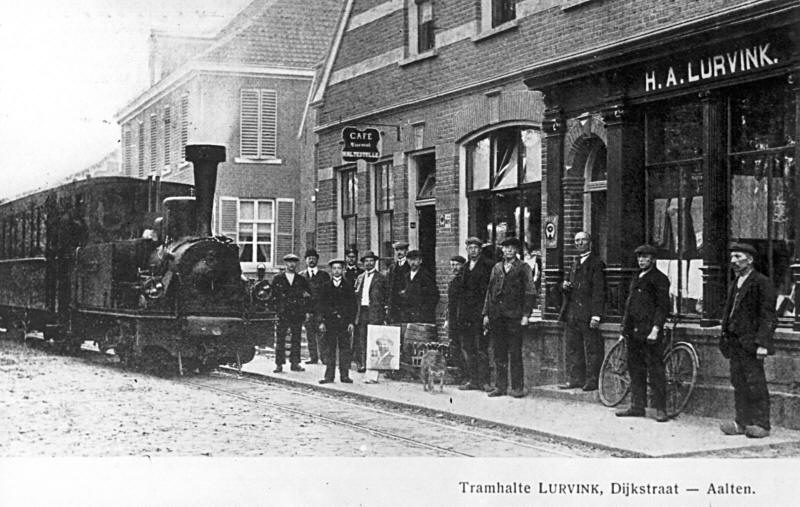
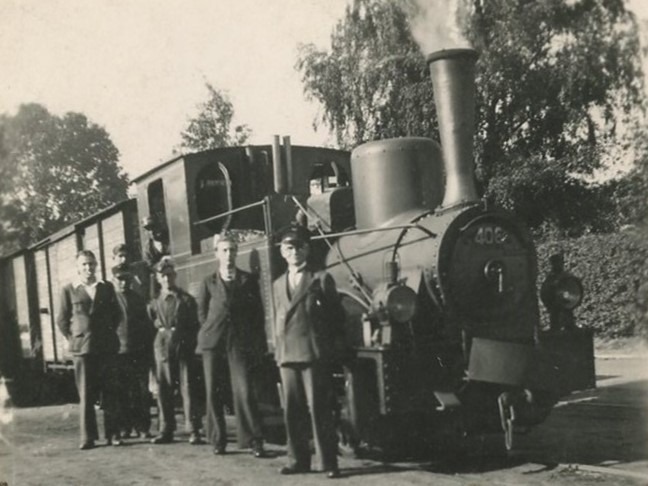
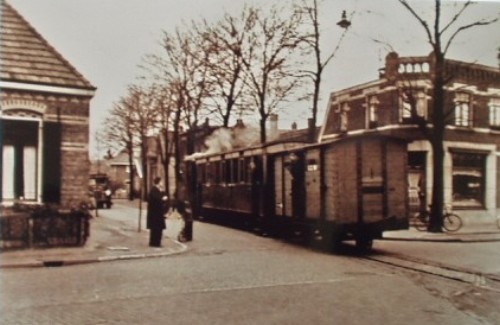
    In 1910, a tram line was opened from Lichtenvoorde to Bocholt, via Bredevoort and Aalten. In 1953, the tram line was discontinued and the tracks were broken up.

    Around the turn of the 20th century, hundreds of Aalten residents crossed the border every day to work in one of the textile factories in the neighbouring German city of Bocholt. In all weathers, they travelled on foot, by bicycle, or by horse and carriage. Some took up to three hours to cover the (roughly) ten kilometres between home and work, both in the morning and in the evening!

    Plans

    As early as 1880, there were plans to extend the Lichtenvoorde–Groenlo tram line to Aalten, Varsseveld, and Terborg. By 1893, there were plans for a horse-drawn tram line from Groenlo to Lichtenvoorde, Bredevoort, Aalten, and Dinxperlo/Bocholt. In 1899, the final plan was eventually drawn up for two steam tram lines: from the Lichtenvoorde-Groenlo station to Zeddam and to Bocholt. To this end, the Geldersch-Westfaalsche Stoomtram-Maatschappij (GWSM) was established in 1905, with its head office in Lichtenvoorde.

    The Bocholter Volksblatt wrote on 1 October 1907:

    Holländische Arbeiter in Bocholt

    “Yesterday evening, a local citizen on his way back from Aalten to Bocholt, as he informs us as a loyal subscriber, took the pleasure of counting the workers returning by bicycle from Bocholt to the border. On his way from the Kreuzkapelle to the Holtwicker Bach, he counted no fewer than 276 cyclists; he also encountered a large wagon which was also transporting workers, estimated at perhaps 40–50. In this respect, therefore, the Bocholt–Aalten light railway certainly does not have such bad prospects for ridership, especially since there will undoubtedly be many more workers who wish to come here for work.”

    A year later, on 4 November 1908, the same newspaper wrote:

    Dampfeisenbahn Bocholt–Aalten

    “After long negotiations, the Bocholt manufacturers and other interested parties have finally succeeded, through the subscription of large sums of money, in ensuring that the Bocholt–Aalten light railway is now being built. It has now been entered into the commercial register of the local district court under Geldersch-Westfälische Dampfeisenbahn-Gesellschaft AG in Lichtenvoorde in the Kingdom of the Netherlands, with a branch office in Bocholt. Hundreds of Dutch workers are employed in the local factories, who have had to cover the approximately 3-hour journey to Holland on foot or by bicycle, every morning and evening, in wind and weather. Construction of the railway will be commenced immediately.”

    Festive Opening

    In 1909, construction of the tram line began. However, the work suffered significant delays as a result of a major flood near Bredevoort that year. Finally, the tram line was festively opened on 29 April 1910.

    It soon became apparent that only the Aalten–Bocholt section was a successful part of the GWSM. However, due to the outbreak of World War I, the border crossing was closed, making it impossible for transport to continue from Aalten to Bocholt. When this route was resumed in 1915, there were far fewer passengers than before, and it was therefore shut down completely in 1916.

    From the 1920s onwards, passenger services between Aalten and Lichtenvoorde were largely operated by motor trams. This continued until 1933, when buses from the Veldhuis company began operating. After the 1930s, only freight transport proved successful (with the exception of the Aalten–Bocholt section).

    In 1953, the tram line came to an end and the rails were broken up.

    Features


    FunctionTram line
    Opening1910
    Discontinuation1953

    Sources


    Stops

    Below is a list of stops between Lichtenvoorde and Bocholt that were located within the municipality of Aalten (click here for a list of all stops):