Overzicht
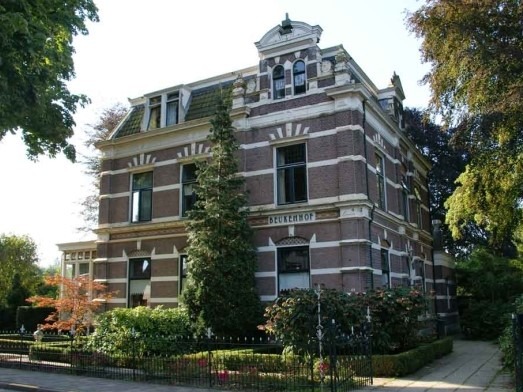
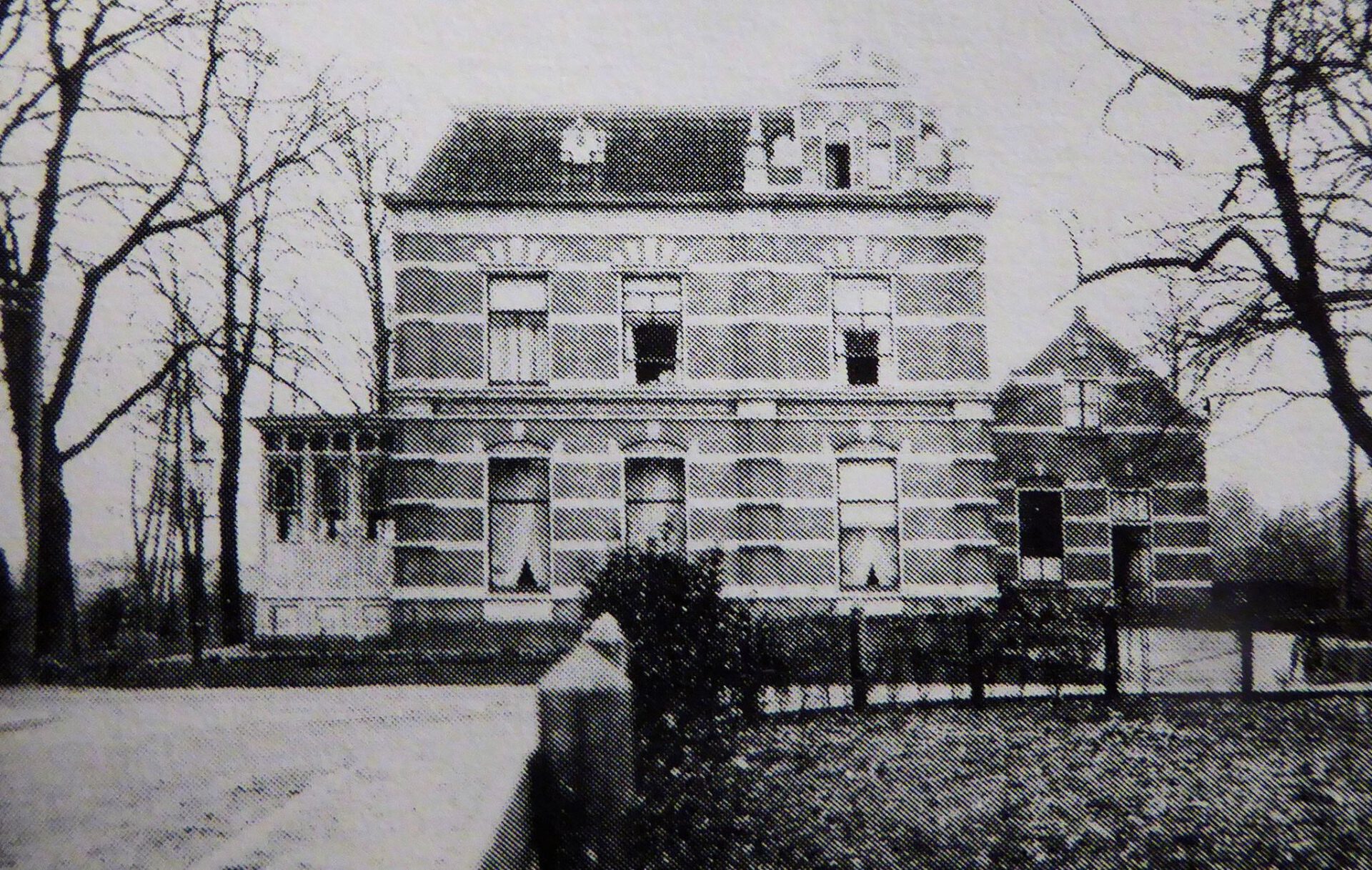
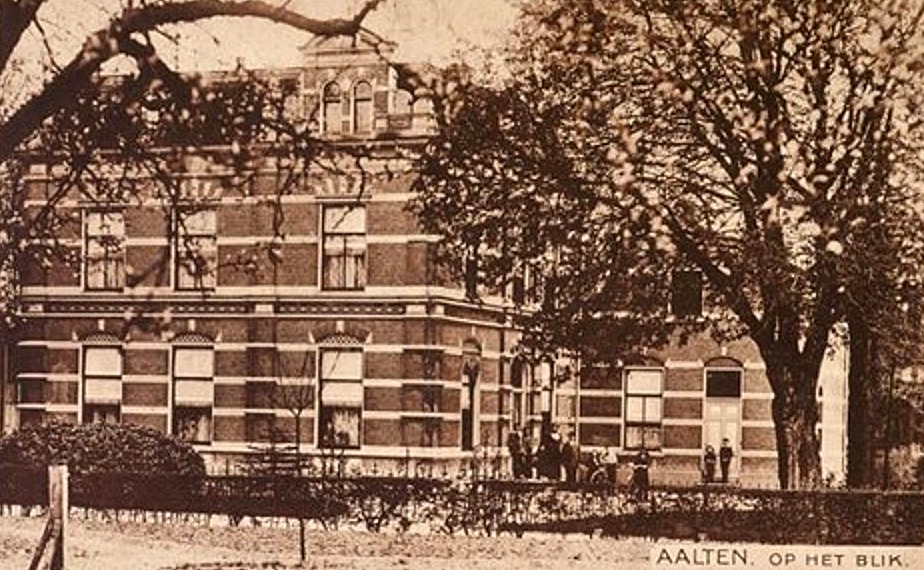
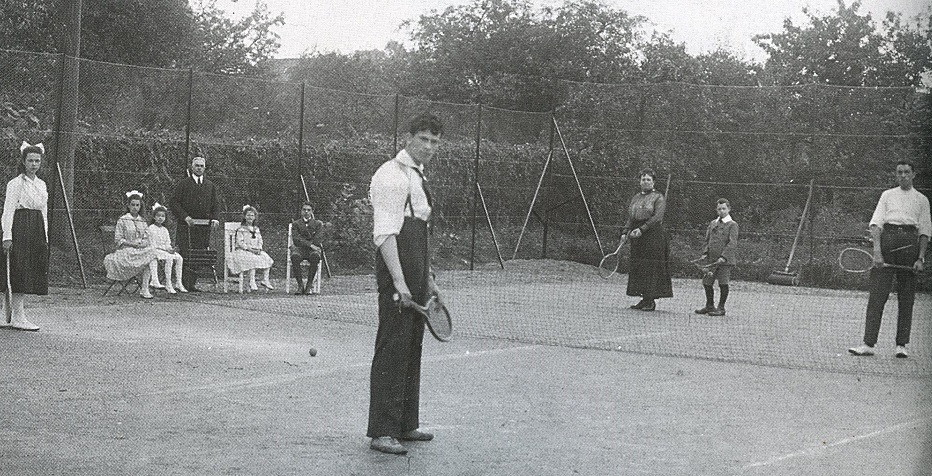
Deze directeursvilla is gebouwd in 1893-1894 door textielfabrikant Herman Driessen, gelijktijdig met de voormalige naastgelegen stoomweverij. De statige villa heeft later nog jarenlang dienst gedaan als gezinsvervangend tehuis van Estinea. Achter het huis lag ooit de waarschijnlijk eerste tennisbaan van Aalten.
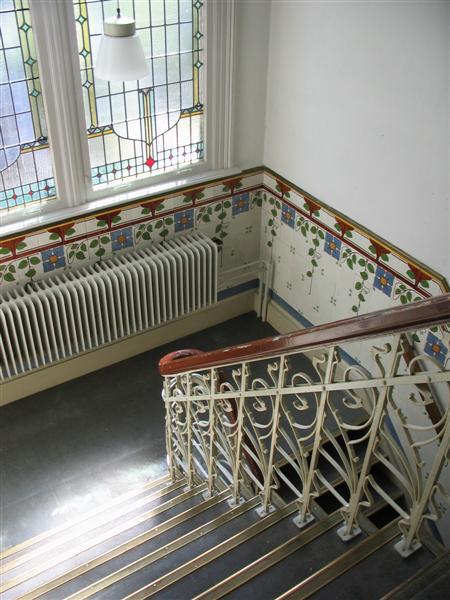
De villa is opgetrokken in neo-renaissancistische stijl en telt op de eerste en tweede verdieping 10 slaapkamers. Het is een rijksmonument en kent nog vele monumentale detailleringen, waaronder een zeer fraai trappenhuis met originele tegels in Jugendstil-motief en diverse originele glas-in-lood ramen. Het karakteristieke pand is tegenwoordig in particuliere handen en wordt momenteel gerestaureerd.
In 2015 schreef Jalf Flach aan Old Aalten:
“I recently rediscovered a text I wrote 25 years ago following an interview with Mrs Bella Driessen. In 1893, the Hofstraat was still called ‘Het Blik’, and in that year, a steam weaving mill and a house were erected there, which would be occupied by members of the Driessen family for the next 75 years. It was not until 1953 that the house was named ‘Beukenhof’ by one of its residents. But by then, the house already had an eventful history behind it.
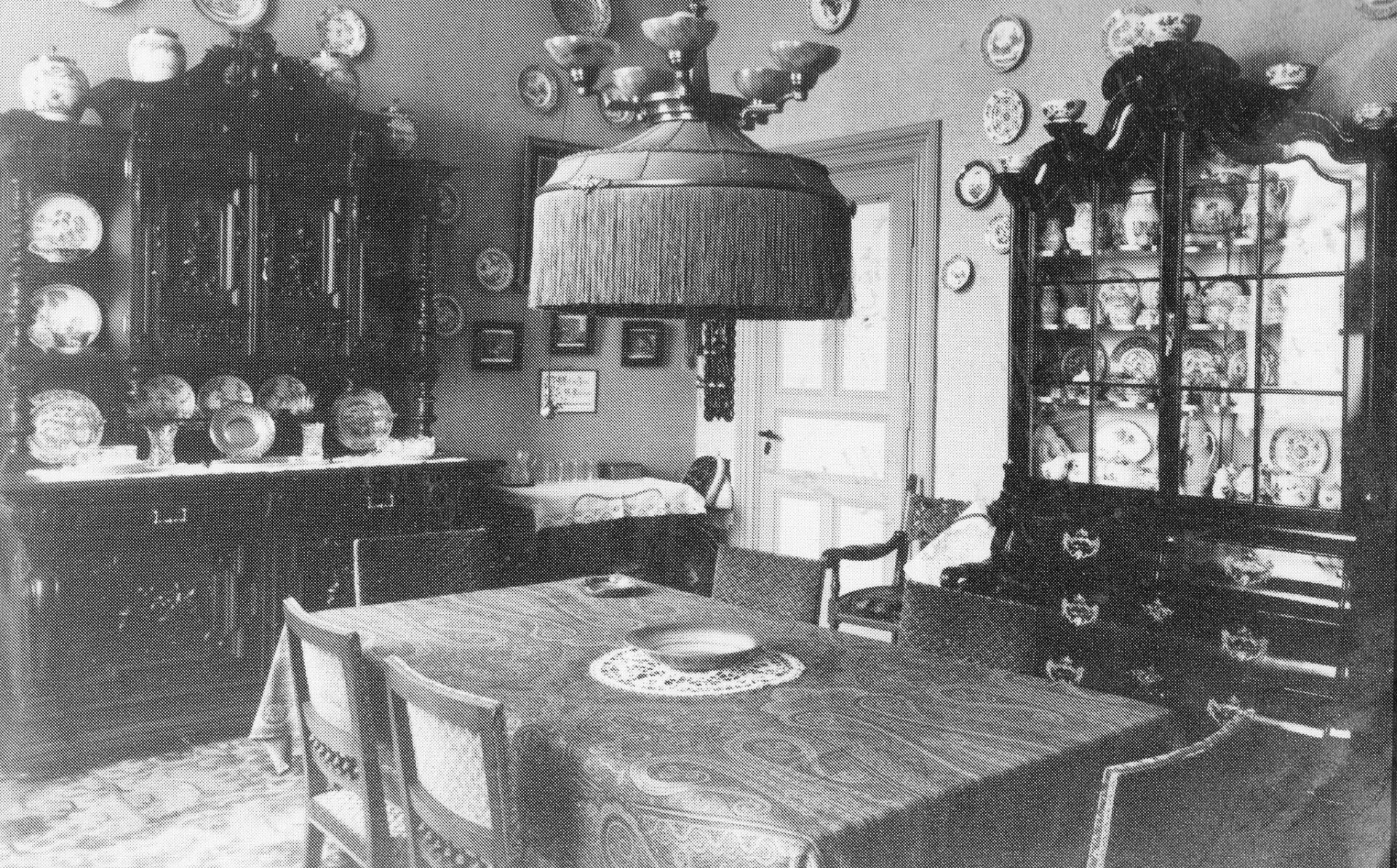
Bella Driessen lived in the house from her early childhood until 1969, when the factory closed and the house changed hands. That is a period of over 60 years. In those days, the Beukenhof was a true patrician residence, as is evident from the interior photograph she kindly lent me. In later years, she occupied the small house that had been built onto the main building, which, much to her sorrow, was demolished in 1976 when the house was converted into a foster home. That brought an end to what was colloquially and irreverently referred to as ‘Bella’s pimple’.
Mrs Driessen’s stories about the war years were fascinating. There were a couple of magnificent stained-glass windows in the stairwell. One depicted the weir on the Smees, and the other, the cathedral of Malmédy, from where her mother originated. After a German soldier had first shot through them because of a breach of blackout regulations, they were completely destroyed during a bombing raid on Aalten. For the remainder of the war, planks were nailed over them, and the residents, billeted German soldiers, and evacuees had to find their way in the dark.
After the war, simpler stained-glass windows were installed, which still adorn the staircase in an Art Nouveau style today and, together with the beautiful tiles and wrought-iron bannisters, give the building a unique character.”
Residents
Population register 1890-1900
Herman Anton Frans Carel Maria Driessen (Aalten, 22-09-1831), fabrikant
Anna Maria Theodora Mühren (Neuenkirchen/D, 14-10-1840)
Population register 1900-1910
Herman Anton Frans Carel Maria Driessen (Aalten, 22-09-1831), fabrikant
Anna Maria Theodora Mühren (Neuenkirchen/D, 14-10-1840)
Population register 1910-1920
Josephus Walter Julius Driessen (Aalten, 07-01-1870), fabrikant
Maria Anna Elisa Josepha Beckmann (Malmédy, 12-05-1872)
Address directory 1934
D691 > Hofstraat 12
Address directory 1967
Hofstraat 12
Owners
Overview is incomplete.
| Year | Plot | Owner | Description |
|---|---|---|---|
| m² |
Afbeeldingen