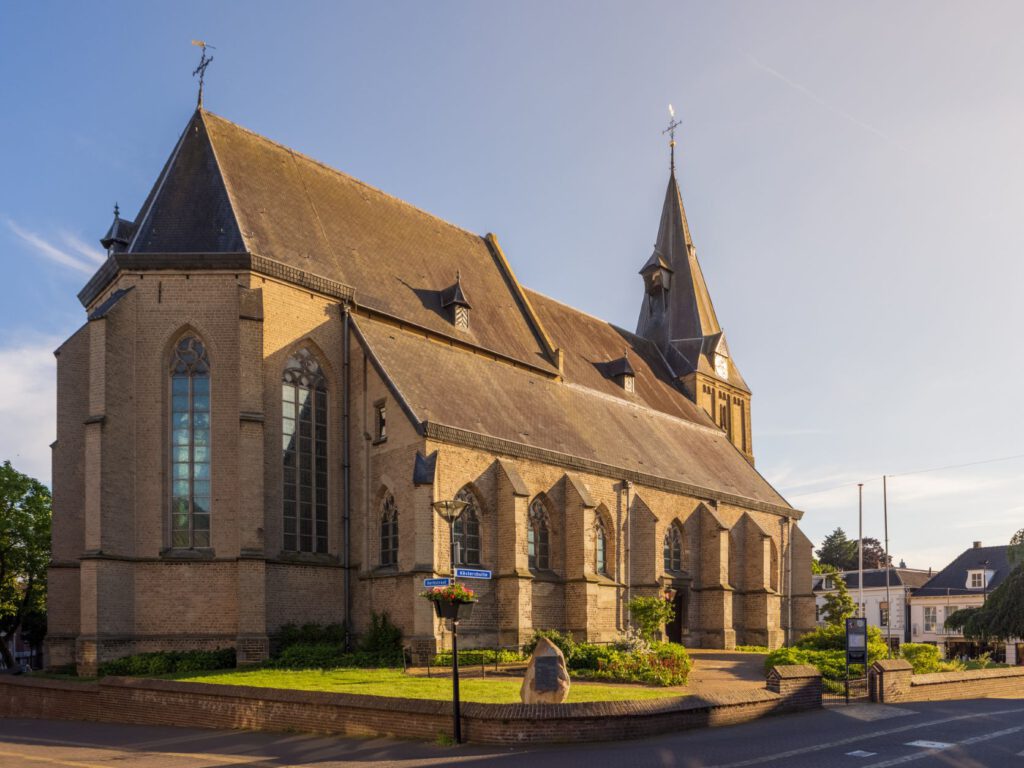
Kolossale pilaren ondersteunen in Aalten het gewelf van de NH St. Helenakerk, die met zijn gigantische omvang het centrum van het dorp moeiteloos beheerst. Koster A.J. Heusinkveld gaat mij voor naar het koorgedeelte en wijst naar de plafondschilderingen hoog boven hem. Ik zie Maria met het Kind, het hoofd van Christus, engelen, koningen en een voorstelling van de Heilige Geest. Ze sluiten niet op elkaar aan.
Large patches of white interrupt the paintings, which were discovered and exposed around 1900 and, according to Heusinkveld, were applied in 1471. He points upward again: “Look, it may say 1411 there, but do not let that mislead you. The man who painted that was probably drunk at the time and painted a ‘1’ instead of a ‘7’. At least, that is what my predecessor always used to say.”
Last Judgment
At the end of November last year, the centuries-old paintings on the wall of the Consistory were also uncovered and restored. They depict the Last Judgment, and it is quite a sight: angels lead the righteous to Jerusalem, while the wicked among us are taken to purgatory. Some are already sweating there in enormous iron cooking pots.
The church, featuring beautiful chandeliers, is packed with pews. “On Sundays — when we have three services — these are often all occupied,” says the sexton. “There is room for 1,000 people. Indeed, with three Reformed churches, one Roman Catholic church, our Dutch Reformed church, and a synagogue, many believers live in Aalten. Our village is also known as the Jerusalem of the Achterhoek.” “It is sometimes more than full here,” agrees Evert Smilda, chairman of the Aalten Antiquities Society, who is showing me around. “I was once running a bit late and asked the man by the aisle to move over a little. He did so, but with reluctance. ‘We are frugal with shifting,’ he said.”
Calling the sexton
The building, founded in 1100 and later altered in Gothic style, is open for viewing. Anyone who calls the sexton — 05437-72896 — or knocks on his door at Kerkstraat 2, will be assisted. “As long as people do not call me during dinner.” Aalten (11,000 inhabitants) is quite a pleasant village, with a Market square crowded with cars that was the first in Gelderland to be declared a protected village view. The square owes this primarily to the St. Helena Church and two old buildings that now form the town hall, with a rather unexciting piece of new construction next to it.
Old in years is Restaurant Stegers across the street. A centuries-old stone, originally part of the facade, is built into the terrace wall by the sidewalk. A deer can be vaguely seen standing on its hind legs. A word of 26 letters accompanies it. No one knows what it means. “We are facing the mystery of Aalten here,” says Smilda. “We do know, however, that such a standing deer was a symbol for the administration of justice. Well, justice may have been administered here in the inn in the past.” We continue through the village (a true regional center) with several old buildings such as Huize Ahof and the beautiful 19th-century mansion (now a guesthouse) Beekhuize.
Frerikshuus
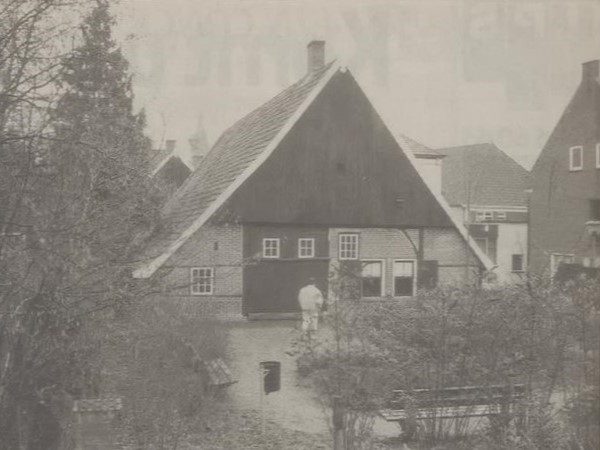
Finally, we arrive at the fascinating Frerikshuus museum on the Market square, which is filled with everyday objects: costumes, silverware, porcelain, and much more. One room is entirely dedicated to the horn industry, which occupied a unique position here for a century until the 1970s. Beautiful pipes, combs, and whatever else could be made from buffalo horns can be seen there.
In the large barn behind the beautiful house, various crafts are depicted, such as wheel-making. The museum is currently open on Mondays, Wednesdays, and Fridays from 2:00 PM to 5:00 PM. From March 31 to May 12, there is a special exhibition about the occupation and the liberation. Many people in hiding successfully sought refuge here in Aalten during World War II.
The village lies within the eternal charm of the Gelderse Achterhoek, with plenty of woods, thickets, enclosed fields and meadows, and quiet lanes.
Bredevoort
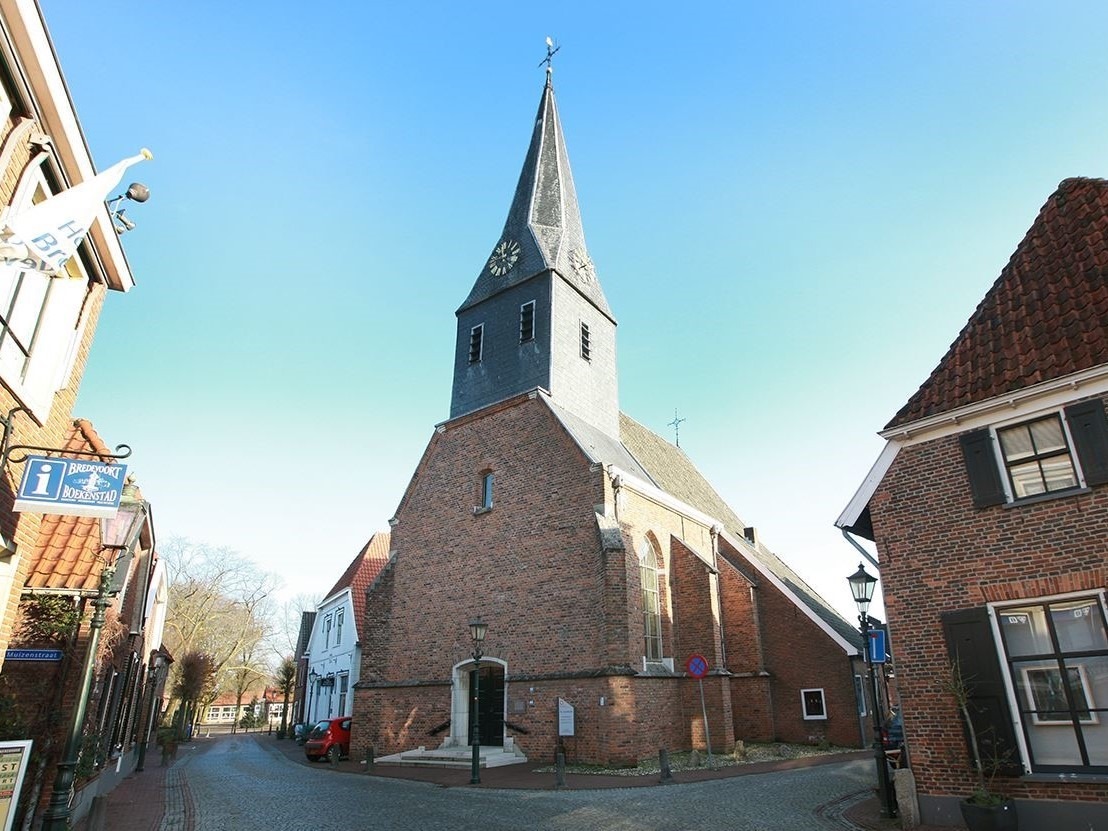
Two kilometers from Aalten lies the thousand times more beautiful town of Bredevoort, with its tower mill beckoning from afar, its ancient St. George’s Church, its quiet streets, its endearing old buildings, and its sense of nostalgia. At the last moment, I renew my acquaintance with baker Ben Helmink, the chairman of the local tourist office (VVV), who tells me that restoration work is still ongoing. “Huize St. Bernardus”, he says, “that large building from 1764 on our square ‘t Zand, has just been completed. You won’t believe your eyes. It is truly beautiful now. And so dignified! Bredevoort becomes more beautiful every year. That is it.”