Category: Biography

  • Arent Jan te Slaa, “Jan with the Pan”

    Arent Jan te Slaa, “Jan with the Pan”

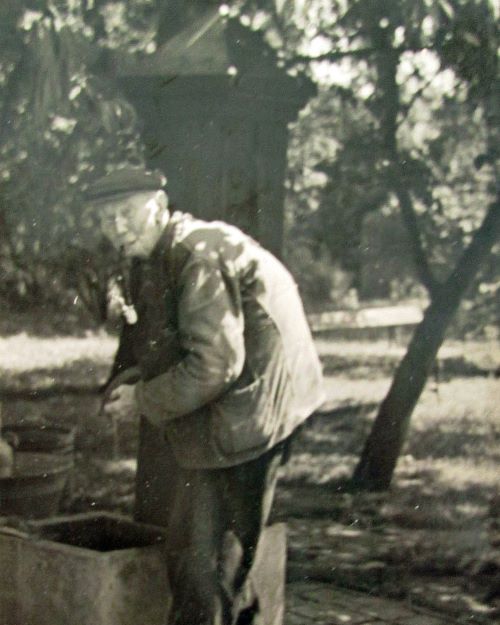
    Dorpsomroeper, beter bekend als ‘Jan met de panne’

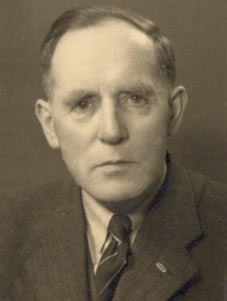
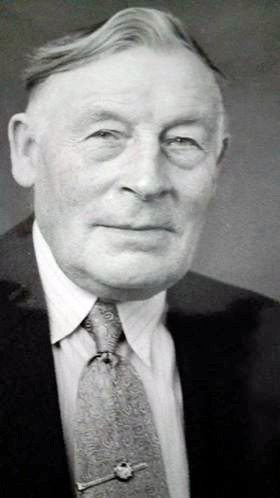
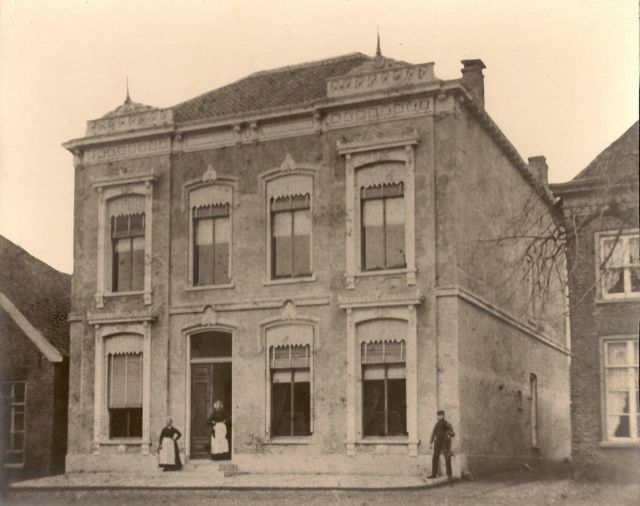
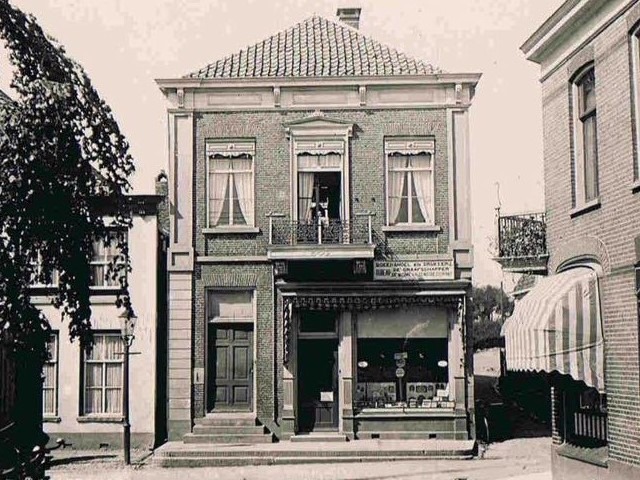
    Arent Jan te Slaa (roepnaam Jan) werd geboren op 22 maart 1870 in Aalten, huisnummer 152 (Varsseveldsestraat 3), zoon van Derk Hendrik te Slaa (nachtwaker) en Janna Willemina te Brake. Op 29 augustus 1895 trouwde hij in Aalten met Dina Geertruida Klein Hesselink (IJzerlo, 13 september 1871). Het echtpaar ging wonen op het adres Hofstraat 3. Ze kregen zes kinderen.

    Het laatste nieuws

    In de 19e eeuw kwam bij maar weinig Aaltenaren een krant in huis. Wie wel zo rijk was kon bijna iedere avond rekenen op burenvisite om het laatste nieuws te horen. Maar dat hoefde niet voor niets: meestal werd door het bezoek onder de stoel een turf achtergelaten.

    Zoals in veel plaatsen werden op handen zijnde verkopingen op zondagmorgen na de kerkdienst buiten de kerk bekend gemaakt. Meestal deed de schoolmeester dat, staande op een bankje of grote steen. Voor officiële bekendmakingen van de gemeente stond aan de Markt in Aalten een groot aanplakbord. Vele jaren werden nieuwe bekendmakingen daarop aangekondigd door het luiden van de kerkklok, maar in 1901 werd dat afgeschaft.

    Dorpsomroeper

    Intussen ging ook de eerste dorpsomroeper al rond in het dorp. In 1868 was dat D.H. te Slaa, die, samen met B.H. Wieskamp, de functie van nachtwaker vervulde. Dat zij tevens omroeper waren blijkt uit een notitie van B&W van 19 februari 1876, waarbij de heren werden vermaand omdat ze niet ver genoeg gingen. Want Aalten groeide, maar de routes van de omroepers groeiden niet mee.

    Toen Te Slaa in 1903 overleed, werd hij door zijn zoon Jan als nachtwaker opgevolgd. De functie van omroeper was toen nog geen officiële betrekking, al trad hij dus al wel als zodanig op. Die benoeming kreeg Jan te Slaa pas met ingang van 1 januari 1915, “zulks op eene jaarwedde van 10 gulden”.

    Jan met de Panne

    Door zijn wijze van optreden verwierf hij een haast legendarische faam. Om de aandacht van de bevolking te krijgen sloeg hij met een houten klepel enkele malen krachtig op de panne, het koperen bekken dat hem de bijnaam ‘Jan met de Panne’ bezorgde. Als de omwonenden dan naar buiten kwamen om te horen ‘wat er aan de panne was’, dan verkondigde hij fier rechtop staande zijn boodschap.

    Op gezette tijden maakte hij zijn ronde door het dorp om lief en leed over Aalten uit te roepen. Ook werd de verkoop van vlees van noodslachtingen aangekondigd, mededelingen van de notaris bekend gemaakt en wat al niet meer. Hij verkondigde ook aanbiedingen van winkeliers, bijvoorbeeld dat een plaatselijke visboer twaalf bokkingen verkocht voor 10 cent. Een soort wandelende Aalten Vooruit dus.

    Begin 1918 werd het gemeentebestuur gevraagd om de omroeper “ook in de buitenwijken te laten roepen het nieuws van den dag”. Omroeper Te Slaa verklaart daarop voor zijn schamele vergoeding van 30 cent per omroeping niet in de buitenwijken te kunnen komen, “omdat Aalten zich steeds meer uitbreidt en hij heel gaarne tegen verdubbeling van het tarief alle hoorenden tevreden wil stellen”.

    Op 9 november 1924 besloten burgemeester en wethouders van Aalten de functie van dorpsomroeper op te heffen. Met het ontslag van Jan te Slaa – “wegens opheffing der betrekking werd eervol ontslag verleend als omroeper te Aalten” – verdween er een opvallend figuur uit het dorpsbeeld en ging een karakteristiek stukje dorpsleven verloren.

    Na zijn ontslag bleef Te Slaa nog wel voor particulieren omroepen en dat is, maar dan door zijn opvolgers, tot na de Tweede Wereldoorlog doorgegaan.

    De originele panne heeft een mooie plek gekregen in het Nationaal Onderduikmuseum aan de Markt in Aalten. ‘De Panne’ is tevens de naam van het magazine van het museum dat tweemaal per jaar verschijnt, vernoemd naar de illustere dorpsomroeper.

    Jan te Slaa, Zij die van ons gingen - Graafschapbode, 30-12-1935
    ‘Zij, die in 1935 van ons gingen.’ De Graafschapbode, 30 december 1935

    Overlijden

    Jan te Slaa overleed op 6 augustus 1935 en ligt begraven op Oude Begraafplaats aan de Varsseveldsestraatweg in Aalten.

    De Aaltensche Courant schreef naar aanleiding van zijn overlijden:

    Jan te Slaa †

    Dinsdagmiddag is de heer A.J. te Slaa alhier op 65-jarigen leeftijd overleden. Met Jan te Slaa gaat een bekende figuur van onze plaats heen. Ouderen zullen zich Jan nog wel herinneren als hij gewapend met pan en klepel door het dorp ging het nieuws omroepende. Op de vraag: „Jan wat is er an de panne?” gaf hij steeds welwillend antwoord.

    Ook als nachtwaker heeft hij onze gemeente jarenlang z’n diensten bewezen. Met nieuwjaar werd dan de inwoners met de beste heilwenschen een Zutphensche Almanak te koop aangeboden, in den prijs die men hiervoor betalen wilde kon men tevens z’n waardeering voor het werk der nachtwachts tot uitdrukking brengen.

    Het terrein van de werkzaamheden van Te Slaa was velerlei. Zoo fungeerde de ontslapene tot voor eenige jaren nog als doodgraver, was hij hulpbesteller bij de posterijen, zijn functie van vischafslager dateerende uit de mobilisatiejaren werd later door hem voortgezet in den vorm van een vischstalletje op de Donderdagmorgenmarkt.

    Verschillende vereenigingen ter plaatse maakten van zijn diensten als bode of incasseerder gebruik, terwijl op belangrijke feesten, vooral in de Sociëteit, Jan steeds de geliefdste kellner was. Lange jaren vervulde bij een bestuursfunctie in het Aaltensche Veefonds. Sinds z’n val van het rijwiel, voor enkele jaren terug, is Jan niet weer de oude geweest, en zoo is dan thans met hem een bekend Aaltenaar van ons gegaan.

    Bronnen


  • Joseph Driessen

    Joseph Driessen

    Textile manufacturer

    Josephus Walter Julius Driessen (Aalten, 07-01-1870 – Aalten, 12-12-1938) was a textile manufacturer who contributed significantly to the Aalten community.

    He was a son of Herman Anton Frans Carl Maria Driessen and Anna Maria Theodora Muhren, and a grandson of Anton Driessen. On September 7, 1897, he married Maria Anna Elisa Josepha Beckmann in Malmédy (Wallonia).

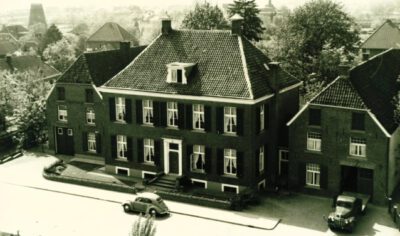
    Joseph Driessen was the director of Stoomweverij Herman Driessen & Zoon and resided in villa Beukenhof on ‘t Blik (now Hofstraat).

    Jos. Driessen is buried at the old R.C. cemetery on Piet Heinstraat in Aalten.

    His significance to Aalten was evident from the report published by De Graafschapbode following his passing:

    How is Mr. Driessen doing? This question was asked day after day over the last few weeks; at times the answer would be: “Today the condition is slightly more favorable”, but then again: “Things are not so well at ‘t Blik!” Yet, whoever asked the question, it was always followed by: “It is to be hoped that he recovers and may be spared for a few more years for his family, his factory, and for our municipality!” Alas, it was not meant to be! In recent days, the condition became increasingly serious, and on Monday evening, the news reached us that Mr. Jos. Driessen had passed away from us forever.

    The news of Mr. Driessen’s passing will be received with great sadness in wide circles. Naturally, it is first and foremost a great blow to his family, his children, and grandchildren, for whom the deceased was the center—the great magnet within the family circle who drew everyone to him and who so loved to gather the entire family around him. With what interest and warmth he shared in the lives of his married children’s families. How all the grandchildren adored their Grandpa!

    The weaving mill, founded on April 1, 1894, was brought to great prosperity over the years through his energy. From a “little weaving shed,” as Mr. Driessen himself called it, the factory steadily increased in size under his leadership and developed—in recent years with the cooperation of his sons—into the flourishing N.V. Herman Driessen & Zn., which, in addition to its weaving mill, now also has its lingerie, ready-to-wear, and knitwear departments. Until recently, it was the nearly 69-year-old director who was always the first at the office in the morning. Always punctual and hardworking himself, he rightly expected the same from the staff. Furthermore, Mr. Driessen Sr. was always interested in the interests of all who worked in the business, and not only in the interests of the employees themselves, but also in those of their families, all of whom he knew exactly. Proof of this is certainly the medical care for staff and family members as arranged at H. Driessen & Zn. The entire staff, from high to low, will learn of the passing of their eldest leader with great regret, and the eldest director will surely be greatly missed in the factory every day.

    In addition to business concerns, which became increasingly large and difficult especially in the post-war years and demanded more and more of him, Mr. Driessen showed great interest in everything concerning his place of residence. Since its founding on December 14, 1898, he was a board member and very soon became chairman of the association “Aaltens Belang.” This association was especially his great love and for which he performed an immense amount of work. The chairman always came forward with new proposals and new ideas in the interest of, or for the beautification of, our town and the Achterhoek in general.

    What has been achieved in the 40 years of this association’s existence is largely due to his initiative. How Mr. Driessen had looked forward for years to the 40th anniversary of A. B. on December 14 of this year!

    Alas! Instead of a festive commemoration, the association is plunged into deep mourning. The board of “Aaltens Belang” will terribly miss its energetic chairman. In addition to this association, Mr. Driessen held the chairmanship of the “Oudheidkamer Aalten” and of the association for hospital nursing “Steunt Elkander,” both of which also had his warm interest. Furthermore, Mr. Driessen was a director of the Geld. Westf. Stoomtram Mij. and vice-chairman of the Supervisory Board of the Coöp. Middenstandsbank Aalten, a board member of the Prov. Geldersche V.V.V., vice-chairman of the B.V.L., and a member or board member of numerous other associations. Mr. Driessen was also briefly a member of the Provincial Council of Gelderland. Mr. Driessen would not easily be absent from a meeting of one of these associations, and telling of his character is what one of his children claimed of him: “Pa is not happy unless he has at least 3 meetings a week!” Mr. Driessen took the lead at numerous official festivals and events. His fellow members of these various committees know how every program item was prepared minute by minute, but also how the program could then finally be executed exactly and the event succeeded.

    On August 30, 1930, the mayor informed Mr. Driessen that H. M. the Queen had appointed him a Knight in the Order of Orange-Nassau. This was a recognition of Mr. Driessen’s great merits, in which countless residents rejoiced along with him and his family. In September 1937, the 40th anniversary of N.V. H. Driessen & Zn., as well as the 40th wedding anniversary of Mr. and Mrs. Driessen—Beckmann, was commemorated with great splendor. On this occasion, it was again evident in a spontaneous and heartfelt manner how authorities, citizens, staff, and business relations shared in this jubilee. These were unforgettable days for Mr. Driessen, which he was fortunately still able to experience in good health.

    During the last year, but especially the last few months, things were no longer going well. However difficult it was for the so industrious Mr. Driessen, he had to withdraw more and more from his work and take rest. Even sooner than initially expected, his ailment increased in severity and the end came.

    With Mr. Jos. Driessen, a resident has passed away who loved his place of residence very much and to whom Aalten owes a great deal. His name will surely remain in grateful memory for many for a long time. The solemn funeral service will take place this coming Friday morning.

    Sources


  • Christiaan Casper Stumph

    Christiaan Casper Stumph

    Mayor (1811–1818)

    Christiaan Caspar Stumph was baptized in Aalten on February 14, 1745, as the son of Abraham Stumph and Elisabeth Ovink. On November 12, 1780, he married Jeanne Lesturgeon. They had at least one child, Abraham Antoni. This son drowned in the Slingebeek at the age of 34. Popular belief held that his death was related to a broken heart.

    In 1795, Stumph was accused of the attack on Ten Holte and imprisoned. He was released a month later as his guilt could not be proven.

    Stumph was a close friend of the Freule van Dorth, who was executed in Winterswijk in 1799. Seven hours before her death, she wrote him a letter: “My Dear Friend, I thank you very much for all the kindness shown to me in this life. I write [this] at 4 o’clock, thus 7 hours before [life] shall be taken from me by a bullet. The journey from Groenlo etc. is the cause of my death. I find in the same a reconciled God; comfort my Unfortunate Brother who is distressed for me until Death. Be so kind as to say an Eternal Farewell to all my acquaintances. J.M.C.J. van Dorth.

    The first mayor of Aalten

    Following the annexation of our country by France on July 10, 1810, the entire administrative power was restructured and centralized according to the French model. A departmental organization was established, headed by a prefect for the departments, a sub-prefect for the districts, and a maire (mayor) for the municipalities.

    On March 12, 1811, Christiaan Caspar Stumph was appointed maire of the Canton of Aalten. He is therefore considered the first mayor of the municipality of Aalten. He held this position until January 1, 1818, when a new administrative regulation was established.

    Stumph lived at the Smees. He was a person of independent means and an organist in Aalten, a man of integrity with many noble objectives. On May 14, 1819, at the age of 74, he married 30-year-old Caatjen Weversborg in Aalten. As far as is known, their marriage remained childless.

    Christiaan Casper Stumph was a man who frequently endeavored to put an end to existing abuses. One of his greatest grievances was the practice of burial inside the church or in the churchyard within the village. Indeed, this often led to unimaginable situations. On several occasions, subsidences occurred in the church floor, and the owners of these graves failed to carry out the necessary repairs. For weeks, the pews near the hole in question would be uninhabitable. Consequently, a regulation was established stating that churchwardens, in cases of negligence, were permitted to contract out the necessary repairs, whereby the plot in question would revert to the church.

    Burial mound at ‘het Smees’

    The condition of the cemetery around the church was also frequently poor. Because burials had not been conducted at a “sufficient” depth for a long time, bones regularly came to the surface. A bone collector gathered these remains from time to time for two bushels of rye per year and threw them into the “Beenhalle,” a small building in the churchyard on the Market side. If the stock became too large, it was cleared out, and the walls were cleaned and repaired where necessary.

    With the improvement of social conditions and higher hygiene standards, changes slowly but surely occurred in this area, including the obligation to make graves sufficiently deep. A law to prohibit burial within towns and villages, following foreign examples, could not yet find favor in our country. People could not bring themselves to take the major step of breaking with all traditions and leaving the dead “just anywhere in the ground” far outside the village.

    Stumph was a proponent of burial outside the village; he decided to have an “Outer Cemetery” created in one of the Smees meadows. In 1818, the foundation deed and will were drawn up. Christiaan Casper Stumph passed away on January 6, 1820. According to his last wish, he was buried at the old Smees. This site is still recognizable today as a burial mound, located on Nannielaantje.

    Mayor Stumph was succeeded by Mr. Arnoldus Florentinus Roelvink.

    Leestip


    ‘Van Maire Stumph tot Burgemeester Stapelkamp’, door Leo van der Linde

  • Notary O.H. Roschet

    Notary O.H. Roschet

    Notaris

    Otto Hendrik Roschet was begin 19e eeuw ‘keizerlijk notaris’ in het kanton Aalten. Hij werd op 24 november 1769 gedoopt in Arnhem, als zoon van Willem Hendrik Roschet, rentmeester van landgoed ‘t Loo in Apeldoorn, en Arnolda Elisabeth Wakker. De achternaam werd oorspronkelijk geschreven als ‘Rochet’.

    De eerste vermelding die wij hebben gevonden van O.H. Rochet in Aalten dateert uit 1809, in de Franse tijd, met als beroep ‘advocaat’. In 1812 werd hij bij keizerlijk decreet benoemd tot notaris in het canton Aalten. In 1813 woonde hij aan de Kerkstraat.

    Zijn jongere broer Theodorus Gerardus had zich in 1802 in Aalten gevestigd als apotheker, maar overleed in 1804 op 28-jarige leeftijd aan “eene zware rotkoorts”. Of Otto Hendrik toen ook al in Aalten woonde, is ons onbekend.

    De laatste vermelding van Roschet als notaris te Aalten die wij vonden dateert uit 1815. De eerstvolgende vermelding van hem vonden we in de Arnhemsche Courant van 6 februari 1816, waarin hij wordt vermeld als rentmeester van ‘t Loo in Apeldoorn. Vervolgens werd hij in de Arnhemsche Courant van 4 april 1816 vermeld als burgemeester ad interim van Apeldoorn.

    Otto Hendrik Roschet overleed op 21 november 1824 op 55-jarige leeftijd op ‘t Loo in Apeldoorn. Hij was daar op dat moment opziener en kapitein bij de garnizoenscompagnie.

    Bronnen


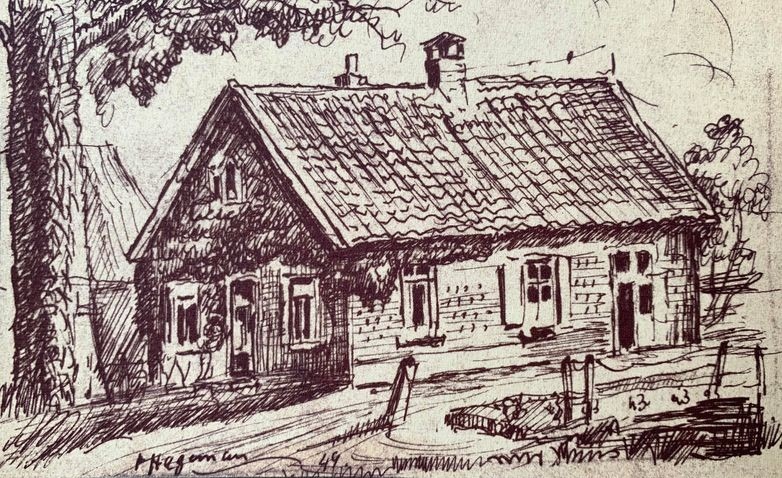
  • Willy Walvoort (1935-2018), draughtsman/painter

    Willy Walvoort (1935-2018), draughtsman/painter

    Tekenaar, schilder en illustrator

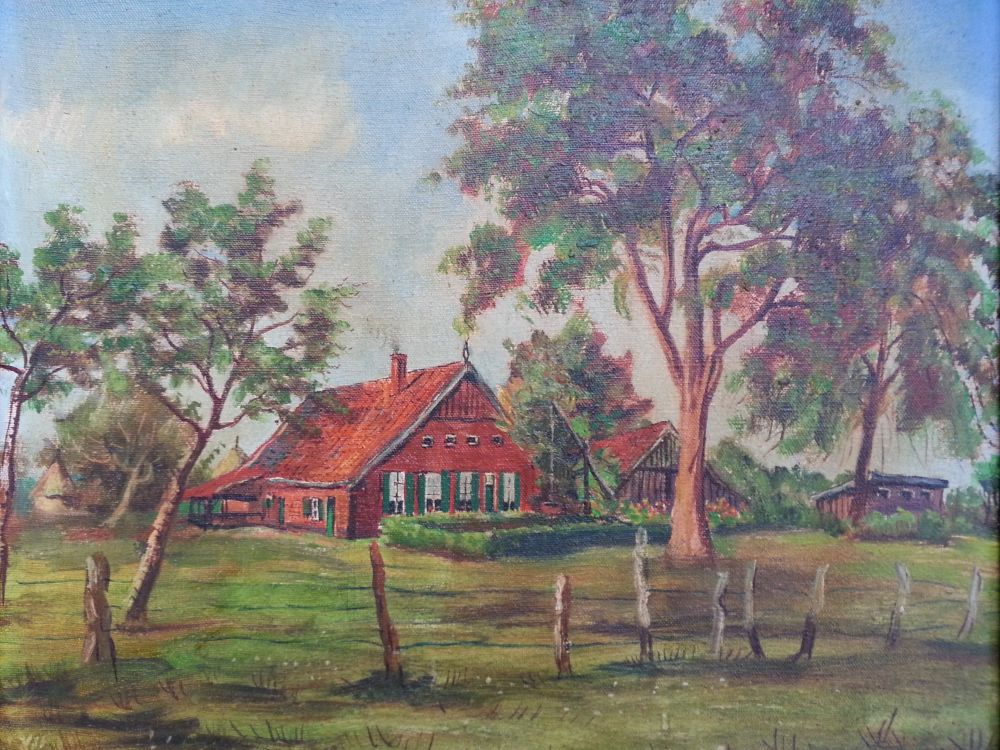
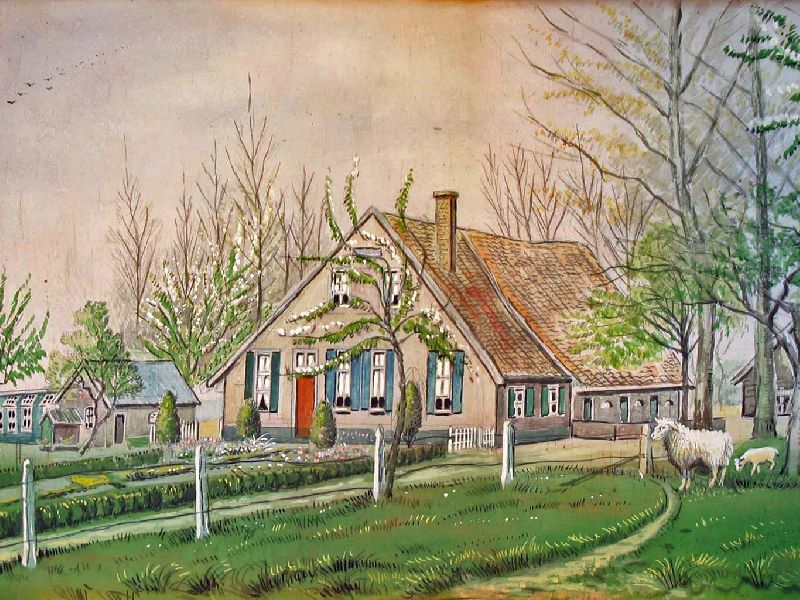
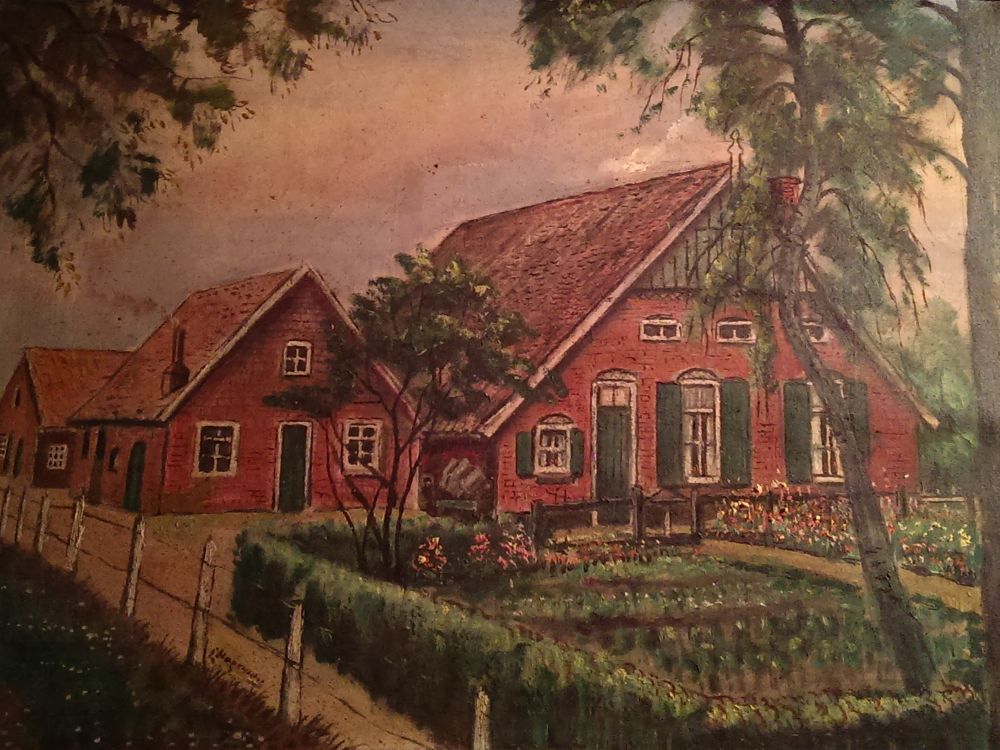
    Jan Willem (Willy) Walvoort werd op 17 juli 1935 in Aalten geboren als zoon van fabrieksarbeider Johannes Walvoort en Berendina Geertruida Prinsen. Hij werkte beroepsmatig als onderhoudsman bij de Vereniging Volkshuisvesting (later De Woonplaats), maar verwierf lokale bekendheid als tekenaar en schilder. Walvoort legde talloze plekken in Aalten, Bredevoort en omgeving vast. Hij overleed op 16 januari 2018, 82 jaar oud.

    Jeugd, onderwijs en vak

    Walvoort toonde al vroeg belangstelling voor tekenen en schilderen. Meester Siebrands van de Openbare Lagere School in Aalten adviseerde Walvoorts ouders om hun zoon naar de Kunstacademie te sturen. Zijn ouders zagen dat echter niet zitten. “Een goed vak leren, waar je de kost mee kunt verdienen”, vonden ze belangrijker.

    Na de lagere school volgde hij de Technische School, de opleiding timmeren en metselen. Hierna bekwaamde hij zich in het vaktekenen. Zijn loopbaan bracht hem bij de Volkshuisvesting, waar hij jarenlang als onderhoudsman werkte.

    Oeuvre van tekeningen, schilderijen en illustraties

    Naast zijn werk bouwde Walvoort gestaag aan zijn oeuvre van vooral pentekeningen en schilderijen met herkenbare dorps- en stadsgezichten. In een interview in 1999 noemde hij de Achterhoekse schilder Piet te Lintum zijn grootste voorbeeld—“de schilderende ambassadeur van de Achterhoek”. Bescheiden als hij was, vertelde Willy in een interview dat er niet overdreven veel talent nodig is om te kunnen tekenen en schilderen. “Als je er veel liefde en tijd in wilt én kunt steken, dan kom je een heel eind!”

    Als boekillustrator kreeg Walvoort bekendheid in 1995. Hij illustreerde de heruitgave van Henk Krosenbrinks roman Het Beloofde Land. In 1997 verzorgde hij de omslagillustratie voor Jos Wessels’ boek: Nazareth en zijn katholieken. Nout Wellink, destijds president van de Nederlandsche Bank en geboren in Bredevoort, mocht het eerste exemplaar in ontvangst nemen.

    Laatste jaren en overlijden

    In zijn laatste levensfase verbleef Walvoort enige tijd in een verzorgingshuis in Varsseveld. Hij overleed op 16 januari 2018; de uitvaart vond in besloten kring plaats. Honderden tekeningen en schilderijen in particuliere en lokale collecties houden de herinnering aan deze kunstenaar levend.


    Galerij

    Een selectie uit het werk van Willy Walvoort:

  • Anton Kuijsten (1917-2007)

    Anton Kuijsten (1917-2007)

    Onderwijzer, aquarellist, tekenaar en houtsnijder

    Antonie (Anton) Kuijsten (1917–2007) was onderwijzer en schoolhoofd in Aalten, daarnaast autodidact houtsnijder, tekenaar en aquarellist. Hij leidde vanaf de oprichting tot aan zijn pensioen de Hervormde School Aalten-Zuid (later De Broekhof). Zijn achternaam wordt ook vaak gespeld als Kuysten.

    Kuijsten werd geboren op 5 oktober 1917 in Huizen. Zijn moeder overleed toen hij acht jaar was, maar dankzij de manier waarop zijn vader het gezin opving en de hulp in de huishouding die langdurig bij het gezin bleef, had hij toch een gelukkige jeugd.

    Na de kweekschool in Amsterdam stond Kuijsten op verschillende plaatsen voor de klas, onder meer in Naarden, Muiden, Rheden—waar hij zijn latere vrouw leerde kennen—en Zutphen. In de laatste maanden van de bezetting dook hij onder om te voorkomen dat hij voor de bezetter moest werken. Op 11 april 1947 trouwde hij in Rheden met Hendrina Groenewoud.

    Bij de opening van de 2e Nederlands-Hervormde School Aalten-Zuid in 1954 (de latere Broekhofschool) werd hij aangesteld als hoofd. Kuijsten stond bekend als een verteller die geschiedenislessen tot leven bracht “alsof hij er zelf bij was geweest”. In 1967 woonde het gezin aan de Wilhelminastraat 4 in Aalten. Hij deed ook veel voor de Protestantse Gemeente: ruim twintig jaar leidde hij de kinderkerk in Aalten-Zuid en hij was enige tijd ouderling.

    Naast het onderwijs ontwikkelde Kuijsten zich als autodidact houtsnijder, tekenaar en schilder. Behalve aquarellen maakte hij tekeningen met ecoline. Van zijn hand verschenen ook (verjaardags)kalenders. Hij is opgenomen in het boek Kunstig Aalten (2021), een overzicht van Aaltense kunstenaars, samengesteld door Leo van der Linde.

    Het plotselinge overlijden van zijn vrouw in 1987 was een zwaar verlies. Enkele jaren legde hij penseel en potlood neer, waarna hij zijn werk gelukkig weer hervatte. In zijn laatste levensfase kampte hij met een broze gezondheid. Na een opname in het ziekenhuis in Winterswijk en een kort verblijf in ’t Hoge Veld overleed hij uiteindelijk in het ziekenhuis. De begrafenis vond plaats op 1 december 2007, na een dankdienst in de Oude Helenakerk in Aalten. Hij vond zijn laatste rustplaats op begraafplaats Berkenhove.


    Galerij

    Een selectie uit het werk van Anton Kuijsten:

  • Pastor Van Rooijen

    Pastor Van Rooijen

    Parish Priest (1916-1945)

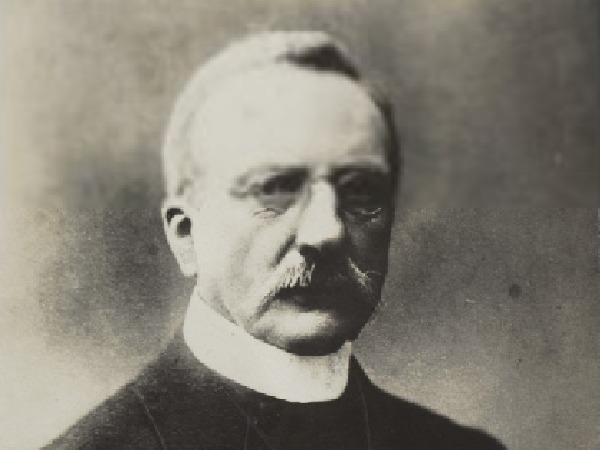
    Pastor Christianus Franciscus Bonifatius van Rooijen (1876–1945) was a well-loved figure. He commanded great respect not only among his parishioners but also among the Jewish residents of Aalten. During his walks with his loyal German Shepherd, Frits, he would tip his hat and greet Jewish fellow citizens with a slight bow.

    Bombing Raid

    On the afternoon of Sunday, 28 January 1945, many people were gathered in the Roman Catholic Church for the Benediction (Lof). Suddenly, a number of ‘Jabos’ (Allied fighter-bombers) broke through the cloud cover and dropped their bomb load. On the Kemena, Admiraal de Ruijterstraat, and Stationsstraat, the damage was limited to property.

    At the Roman Catholic Church, however, the consequences were more severe. One bomb fell in front of the church, and another struck the rectory. Panic ensued, and the blast pressure caused statues to fall from their niches and walls to collapse.

    The churchgoers escaped unharmed, though they were covered in dust and many suffered bruises and abrasions. There was a massive bomb crater in front of the main entrance to the church. However, the bomb that had struck the rectory had more tragic consequences.

    The pastor’s housekeeper, 57-year-old Johanna Maria Klein Rouweler, was severely injured and passed away a few days later in the emergency hospital in Harreveld. Pastor Van Rooijen also lost his life and was not discovered until hours later that night. His death touched the hearts of residents of all denominations, and his funeral at the Roman Catholic cemetery on Piet Heinstraat was attended by a great many people.

    20th Anniversary of Priesthood

    In 1936, Pastor Van Rooijen celebrated 20 years in the priesthood, and De Graafschapbode newspaper devoted an article to this anniversary:

    “Tuesday, 8 December, will mark 20 years since the Reverend Pastor Van Rooijen was installed here as successor to Pastor Wubbels, who departed for Dalfsen. On this milestone in the pastoral life of Pastor Van Rooijen, we requested him to tell us a little about the past two decades. Although His Reverence did not consider 20 years an official milestone usually celebrated, he was kindly prepared to provide us with some information and to pose for our illustrator.

    Pastor Van Rooijen was born on 13 February 1876 in Utrecht. After attending school there, he completed his studies at the Seminaries in Culemborg and Rijssenburg. His first post as curate was Oosterhout (Gelderland), a position he later exchanged for the Twente industrial centre of Enschede. From there, Curate Van Rooijen was installed as Parish Priest here on 8 December 1916.

    Over the past 20 years, the jubilarian has experienced all the ups and downs—in recent years, especially many ‘downs’. He worked here alone until 23 August 1935. On that date, he received the assistance of Curate J. Snoeren.

    When we speak of the ‘downs’, we know we have touched upon a subject very dear to His Reverence’s heart. It is well known, even among those of other faiths, that Pastor Van Rooijen personally does a great deal to alleviate the suffering of his parishioners, but also how indignant he often is when young people, who earn a decent wage, show so little willingness to contribute.

    A well-known example is the daily provision of a free glass of milk to children at the Roman Catholic school who are in need. This milk distribution has been running for two years now and is undoubtedly of great benefit to the general health of the younger generation. The ‘Hulp in Nood’ (Help in Need) fund of the Roman Catholic Workers’ Association, to which members contribute a small weekly amount to assist one another in emergencies (childbirth, illness, etc.), is also an initiative of the jubilarian. In the previous financial year, 385 guilders were raised in this manner.

    Pastor Van Rooijen was particularly satisfied with the house visits he and the curate have made over the past 14 days, with the twofold purpose of assessing the situation in various households and collecting donations for the provision of clothing, blankets, and, if possible, a Christmas gift for needy families. To date, these visits have already raised over 800 guilders—more than His Reverence had dared to hope. That this should be so successful precisely in this 20th year will undoubtedly bring the jubilarian great satisfaction.

    We shall suffice by mentioning that in these 20 years, the Roman Catholic Church has received a hot-air heating system, and during this time, the fashion vocational school and various sports associations have flourished.”

    Sources


    • Graafschapbode, 4 December 1936 (Delpher)
  • Johannes der Weduwen

    Johannes der Weduwen

    ‘Doctor of the resistance’

    Johannes (Joop) der Weduwen was a popular general practitioner in Aalten. On January 23, 1945, he came near Apeldoorn to die after being shot at by an Allied plane, at least according to the German authorities.

    Joop der Weduwen was born on May 17, 1902 in Aalten. He studied at the Gymnasium in Doetinchem, later at the University of Utrecht, where he took his medical exam and then obtained his doctorate in medicine. He showed himself to be a worthy successor to his father and established himself here as a doctor.

    From the beginning of the war, Joop der Weduwen became involved in the resistance in the Achterhoek. He actively offered help to people who were wanted by the Germans. His family included two young men who refused to do labor service. If English planes were shot down and the crew was injured, he offered them medical assistance. For a robbery at the distribution office in Borculo , his car was ‘stolen’. He helped Jewish people in hiding on various farms in the area. He also played a role in the abandonment of the Jewish baby ‘Wíllem Herfstink’ at the house of resistance leader ‘Uncle Jan’ Wikkerink.

    Assistance to forced labourers

    In the last winter of the war, Joop der Weduwen felt closely involved with the forced labourers who had to do their slave work under inhumane conditions, especially in Camp Rees . That camp was just across the border in Germany. As a representative of the Dutch Red Cross, he negotiated with Peter Röhrig, the commander known as the executioner of Rees to remove the sick and wounded.

    He tried to transfer as many people as possible to Aalten, where ‘Huize Avondvrede‘ on the Hogestraat had been set up as an emergency hospital. Many were also transported by car from the GP to the Emergency Hospital in Harreveld. Some sick people stayed at his home temporarily and then went into hiding.

    On 19 January 1945, Doctor Der Weduwen, accompanied by two SS men from the Rees camp, left for The Hague for an official meeting with high-ranking German officers and the mayor there. On behalf of the Red Cross, he pleaded for better conditions for the forced labourers, many of whom came from The Hague and Rotterdam. The men had to spend the nights on the bare floors in draughty and damp wooden sheds, had meager clothes and hardly got anything to eat. To improve their inhuman existence somewhat, he asked for straw bags, among other things.

    Fateful return journey

    During the return trip to Aalten, on January 23, 1945, the car he was in was fired upon by an Allied fighter plane near Apeldoorn around five o’clock in the afternoon, at least according to the German authorities.

    His lifeless body was found badly mutilated in a dry ditch, where he had tried to take cover. He had lost a lot of blood and had died on the spot. The car was undamaged. There were strong rumors that the Germans deliberately attacked him because he had become too troublesome. Joop der Weduwen was 43 years old.

    Willem van Houtum, Apeldoorn’s war chronicler, wrote about it in his diary on 23 January:

    “A doctor from Aalten, who interfered a lot with the condition of the deportees in Rees, died of German indifference. The doctor left for The Hague last Friday with two Germans in a car. He wanted to plead with high authorities for the improvement of the treatment of our compatriots in Rees and so on. It was to no avail. As a result, they returned on Tuesday. They were shot at by an English plane on the concrete road near Hoog Soeren. The doctor got out of the car in a hurry to take cover but collapsed badly injured. The two Germans took away the wallet, wallet and so on and drove on to the Ortskommandant in Apeldoorn. He refused to transport the doctor because it was a civilian. So the two Krauts drove on to Aalten and handed over the wallet and so on to the doctor’s wife. This in turn could not provide transport either. She called in the help of a family member in Apeldoorn. With the help of the police, he succeeded in having the body (the doctor had died of excessive blood loss) transferred to Aalten. Due to the many shelling, the concrete section of the Amersfoortseweg near Hoog Soeren is already popularly called ‘Dodenweg’.”

    Police report

    Tuesday 23 January 1945, 17.00 hours, report no. 23.
    Informs Zegers in Nieuw Millingen that a man has just been shot dead by guns. A car is also on fire. Criminal Investigation Department, Feldgendarmerie, Pol. Officer and L.B.D. notified. The body is picked up by the L.B.D. (= Air Protection Service) and transferred to the hospital on the Sprengenweg.

    Wednesday 24 January 1945, 5.45 p.m., report no. 24.
    With regard to the mutation of the report of the order police of 23-01-1945 at 17.00 hours, detective Adema reports that the body of the said person was picked up by the L.B.D. and laid out in the morgue of the hospital on the Sprengenweg. It has been identified as Dr. Johan der Weduwen, living at Landstraat 4, in Aalten. His brother-in-law Wissink, living at Stationsstraat 25 here, has been informed of this, who takes care of warning the family and the funeral.

    Funeral

    On Saturday, January 27, Joop der Weduwen was buried with great interest to Berkenhove cemetery in Aalten. The procession counted at least 1000 people. Previously, a funeral service had been held in the Old Helena Church under the leadership of Rev. J.D. Stegeman, emeritus pastor in Aalten. On behalf of the forced labourers, Mr Dijkgraaf from The Hague spoke a word of thanks and farewell.

    Friends, patients and villagers had a special memorial stone made in front of his grave in gratitude and to honor him. The text on the monument reads: “His conviction made him offer help to the oppressed – resistance – deportees.”

    His name is also mentioned on the memorial stone for the fallen in the organized resistance on the Markt in Aalten, next to the Old Helena Church.

    On March 31, 2023, a Stolperstein was laid in front of the house where Joop der Weduwen lived, Landstraat 41 in Aalten.

    Sources


  • ‘Uncle Jan’ Wikkerink

    ‘Uncle Jan’ Wikkerink

    Resistance leader

    Hendrik Jan Wikkerink (30 June 1896 – 18 January 1981), known by his alias ‘Uncle Jan’ (‘Ome Jan’), was a key resistance leader in Aalten during World War II. In 1942, in his home on the Patrimoniumstraat in Aalten, he helped found the Landelijke Organisatie voor Hulp aan Onderduikers (LO – National Organisation for Aid to People in Hiding), working alongside figures such as ‘Aunt Riek’ (‘Tante Riek’) from Winterswijk.

    Resistance Work

    Throughout the war, ‘Uncle Jan’ was actively involved in the resistance. He helped escaped prisoners of war and downed Allied airmen flee via Belgium to England. He also arranged hiding places for Jewish citizens and Dutch nationals who refused to work for the German occupying forces.

    With the courage and support of many farmers, he provided shelter for those in hiding. The LO coordinated safe houses and the distribution of food ration coupons. A well-known story is that of the Jewish baby, Willem Herfstink. The newborn was the son of the Aalten rabbi, Jedwab. The couple was in hiding in Lintelo, but the baby could not remain at that location. With ‘Uncle Jan’s’ knowledge, the child was left on his doorstep as a ‘foundling’. This staged discovery meant that the child—subsequently named Willem—was given shelter with the Wikkerink family.

    ‘Uncle Jan’ narrowly survived the war. On 15 October 1944, he and two people in hiding were arrested by the Germans at his own home and imprisoned in the marechaussee (military police) barracks on the Ringweg. That same afternoon, he was liberated by resistance ‘action squads’ (knokploegen) and went into hiding on a farm in Vragender. Two days later, the occupiers took out their anger on the ‘terrorist’s’ home. They threw hand grenades inside, which set the house on fire. However, the local fire brigade managed to limit the damage.

    Awards and Recognition

    Because of his respectful demeanour and deep-rooted values, he remained an undisputed leading figure even after the war. Following the liberation, Queen Wilhelmina visited the Wikkerink couple to personally thank them for their brave courage and loyalty. He was knighted in the Netherlands and also received medals of honour from both French President De Gaulle and American President Eisenhower. In 1978, Hendrik Jan Wikkerink and his wife, Dela Gesina, were recognised by Yad Vashem as ‘Righteous Among the Nations’. It is fitting that his bust stands in the hall of the Nationaal Onderduikmuseum in Aalten.

    ‘Uncle Jan’ Wikkerink is buried at Berkenhove Cemetery.

  • Monasso: Italian Terrazzo Workers in Aalten

    Monasso: Italian Terrazzo Workers in Aalten

    Terrazzowerk-mozaiek gemaakt door de familie Monasso

    For more than a century, members of the Monasso family have been crafting terrazzo floors in the Achterhoek. The family ended up in Aalten in 1915, having fled from Bocholt, Germany, during the First World War. Their origins lie in the North Italian region of Friuli.

    The family hails from the mountain village of Travesio, in the Friuli region. It was an impoverished area plagued by poor soil, earthquakes, floods, and high taxes. Many inhabitants left to find work elsewhere. Friulians were known as skilled craftsmen—foresters, carpenters, stonemasons, and terrazzo workers.

    The First Generation

    In 1868, Pietro Monasso married Maria Bortolucci in Travesio. They had three sons and four daughters. All three sons learned the terrazzo craft in Italian cities. One of them, Felice Monasso, was once repairing stairs at St Mark’s in Venice as a boy. He received a banknote worth about twenty guilders—a staggering amount for the time—from the newly arriving Pope Leo XIII. He did not spend it, but kept it as a relic.

    The three brothers were Giovanni (1869–1939), Felice (1871–1962), and Antonio (1876–1967). They left Friuli at a young age: Giovanni and Antonio at age eleven, and Felice at fourteen.

    Work in Germany

    Giovanni travelled with fellow villagers to the Balkans to learn the carpentry trade. Felice worked first in Frankfurt, including at the large Odorico terrazzo company, which employed hundreds of Friulian workers. Giovanni and Antonio later joined him in Germany.

    From Frankfurt, the brothers went to Münster, where their cousin Bortolucci ran a terrazzo business. They worked there as master journeymen, and there was plenty of work in Westphalia and the Netherlands. On the advice of their boss, they established themselves in 1896 in Bocholt, just across the border from Aalten. There, they started a terrazzo firm together.

    The enterprise flourished. This was the era when wealthy textile barons in Bocholt were building grand houses. With their terrazzo work, the Monassos embellished many a villa on the prestigious Bahnhofstraße. The three families lived together with their staff in a large building on Münsterstraße in Bocholt.

    The firm ‘Gebrüder Monasso’ had plenty of work, including in the Achterhoek. As early as 1897, they laid a terrazzo floor in the Catholic St George’s Church in Bredevoort.

    On 22 November 1899, Giovanni Monasso married Angela Chivilò (1879–1951) in Italy. Together they had four sons and two daughters.

    Flight to Aalten (1915)

    The First World War began on 28 July 1914. Italy sided with the Allies, which the Germans viewed as a betrayal. An anti-Italian atmosphere developed in Germany; Italian workers were insulted and sometimes even assaulted on construction sites. The three Monasso families decided to flee to Aalten, just across the border in the neutral Netherlands. In effect, they were asylum seekers.

    It was a somber procession that departed Bocholt for Aalten before dawn on 19 May 1915. A horse and cart full of household goods was followed by twenty Italians. Three children remained behind in Bocholt: two because they were too ill to travel and one because he wanted to finish his year at the gymnasium.

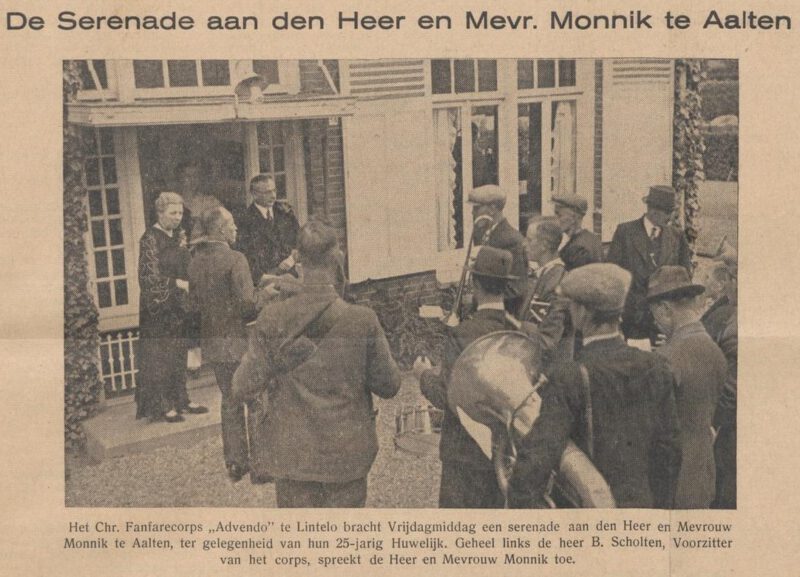
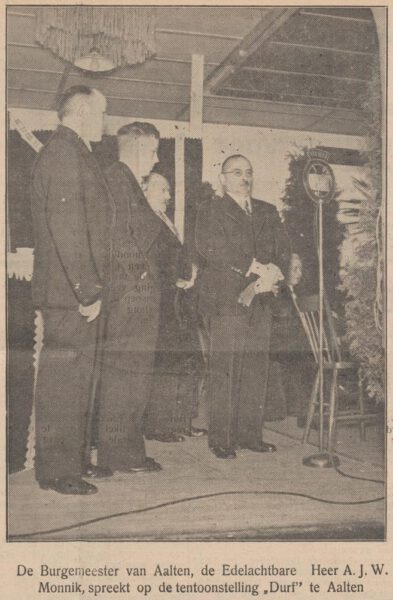
    In Aalten, they spent the first night at Vultink’s lodging house on Dijkstraat. The following day, Giovanni and Antonio moved into a house on Landstraat, and Felice into Bredevoortsestraatweg. Antonio and his wife found a home on Haartsestraat shortly thereafter. The then Mayor Monnik arranged for residency permits. The children who had stayed behind joined their families later.

    A New Life in Aalten

    Giovanni demonstrated his entrepreneurial spirit by registering within a few days at Sociëteit Schiller, where local businessmen met. His brothers followed a week later. Within a short time, the Monassos were working again. They laid floors in homes, shops, schools, and churches in Aalten and the surrounding area, bringing in skilled terrazzo workers from Italy as staff.

    They did not yet use machines or electric tools; everything was made by hand. Terrazzo floors were laid on-site, which was arduous work. Stairs, countertops, and other components were made in the workshop using moulds and were subsequently installed in kitchens or halls.

    Around 1920, Giovanni established his business on Parallelweg in Aalten. In the mid-1950s, they moved to the adjacent Staringstraat, where a new showroom was opened in 1969.

    Felice established a terrazzo business in Winterswijk in 1922; Antonio followed in 1932 with a branch in Doetinchem.

    Later Generations

    The second and third generations also remained active in the craft. In the decades following the Second World War, sons and grandsons took over the work. All four of Giovanni’s sons became terrazzo workers and married Dutch women.

    Business thrived for decades. In the 1960s and 1970s, demand decreased due to the rise of synthetic floors and steel countertops. Nevertheless, the family business endured. The Monassos combined traditional techniques with modern methods, specialising not only in floors but also in worktops, thresholds, window sills, and restorations.

    Current Company in Aalten

    In 1982, Richard Monasso, Giovanni’s grandson, took over the company in Aalten. The business moved to Industriestraat. In the 21st century, terrazzo became popular once again. Richard Monasso now works on exclusive projects at home and abroad; his work can be found in a department store in London, a restaurant in Paris, and a villa in Greece.


    Willem Monasso

    In 1996, Willem Monasso, son of Giovanni Monasso and Angela Chivilò, spoke about his youth:

    Wilhelm Franz Joseph (Willem) Monasso (1916–2001) was born in Aalten but returned to Italy with his mother as a child. They lived with an uncle who owned grape plantations. He attended primary school there. He did not learn Italian there, but so-called Furlan, a regional language that differs as much from Italian as Frisian does from Dutch.

    At the age of ten, they returned to the Netherlands. Back in Aalten, Willem had to start again in the first grade. He left school after the fourth grade to enter the terrazzo trade.

    On his mother’s side, the Monasso family owned a wine bottling plant and a silk plantation. They regularly had barrels of white wine from their region of origin in Italy shipped over. The first barrel always went to the parish priest of Aalten.

    During the Second World War, Willem was the only resident of Aalten allowed to own a radio because he held Italian nationality. Naturally, the occupiers forbade him from listening to the English ‘Oranje’ station, but he did so in secret, along with half the neighbourhood.

    Willem Monasso could tell captivating stories about his former work in the perfect Aalten dialect. Initially, countertops were made on-site in a formwork built by a carpenter. Later, this was done in the workshop, and they were transported to their destination by a small truck. The terrazzo technique requires great craftsmanship and is incredibly labour-intensive. Throughout the region, many beautiful Monasso floors can still be found in churches, hospitals, monasteries, schools, and scholten farms.

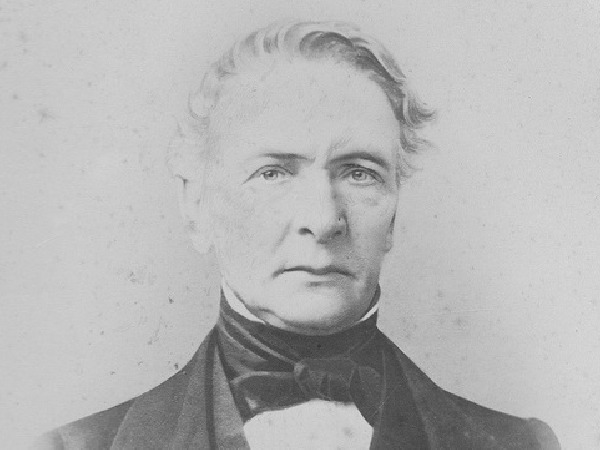
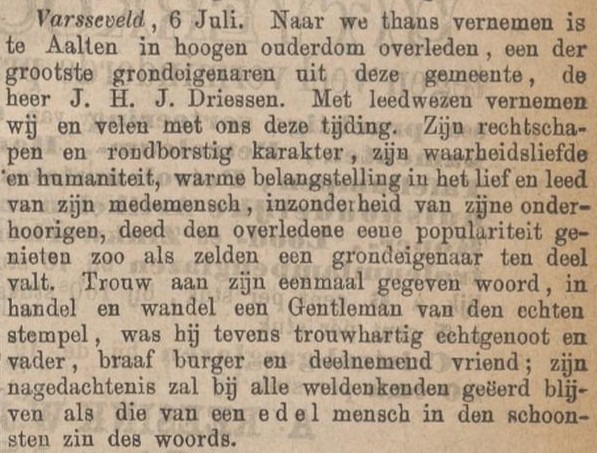
  • Herman Driessen

    Herman Driessen

    Textile manufacturer

    Herman Anton Frans Carl Maria Driessen (Aalten, 1831-09-22 – Aalten, 1911-05-20) was a textile manufacturer of great significance to Aalten’s textile history. He was the son of textile manufacturer Anton Driessen and Isabella Dees. In 1862, he married Anna Maria Theodora Mühren, a merchant’s daughter, in Neuenkirchen near Rheine (Germany).

    Around 1863, he and his wife moved into a newly built house on the corner of Landstraat and Hoekstraat, at the location where his father had operated a cotton mill from 1827 to 1862.
    In 1893, Herman Driessen retired from the management of Gebroeders Driessen. Together with his son Joseph, he founded a modern steam weaving mill with 34 looms at ‘het Blik’ on Hofstraat: the NV Stoomweverij Herman Driessen & Zoon, often abbreviated as HDZ. Alongside the factory, Herman’s new home was also built: the stately Villa Beukenhof.
    Herman Driessen is buried at the old Roman Catholic cemetery on Piet Heinstraat in Aalten.

    Hermann A.F.C.M. Driessen – Aaltensche Courant, 24 May 1911
    Aaltensche Courant, 24 May 1911
    Hermann A.F.C.M. Driessen – De Maasbode, 24 May 1911
    Maasbode, 24 May 1911