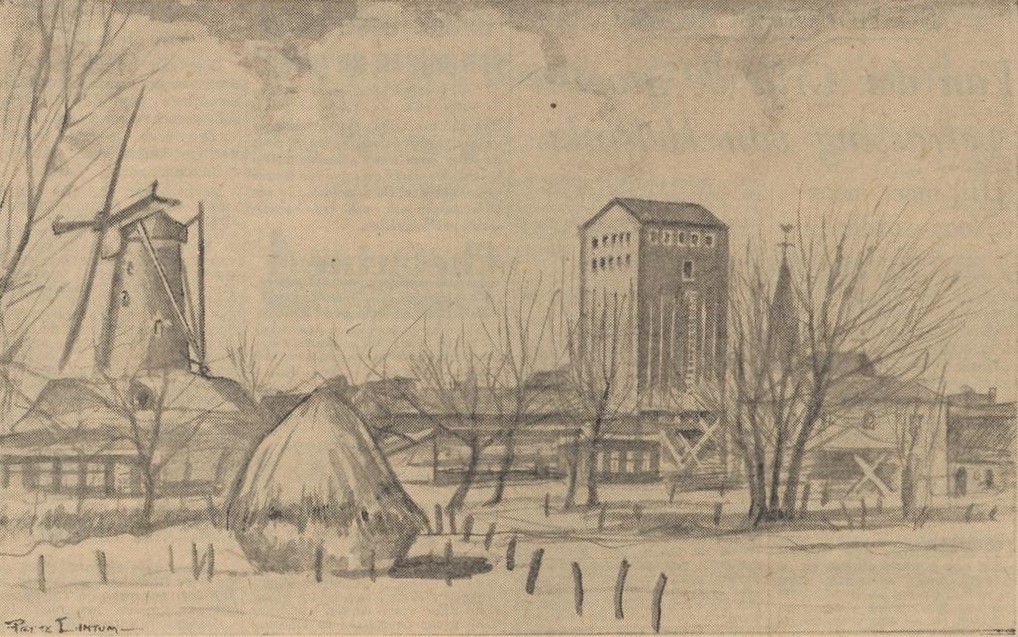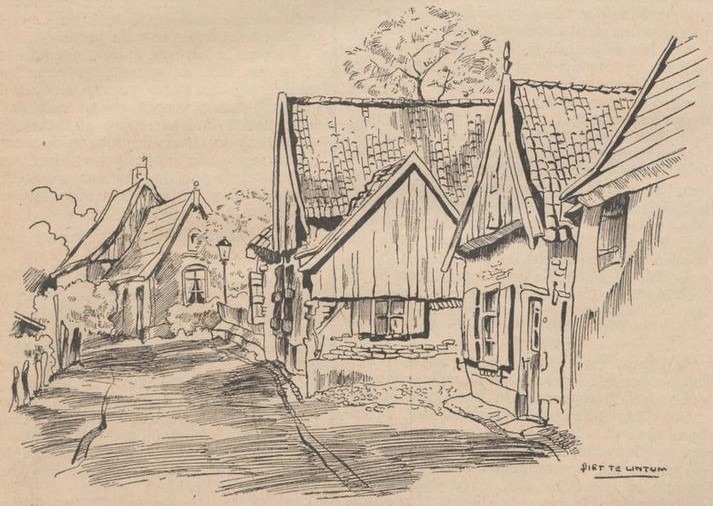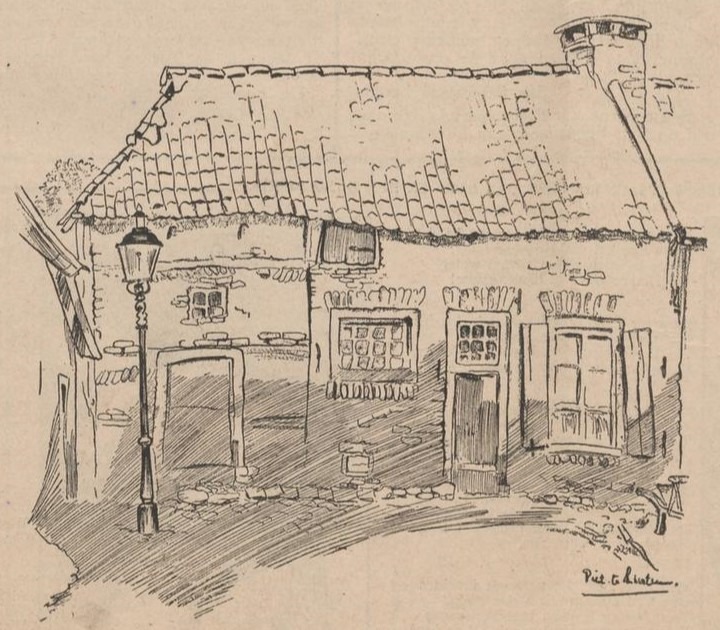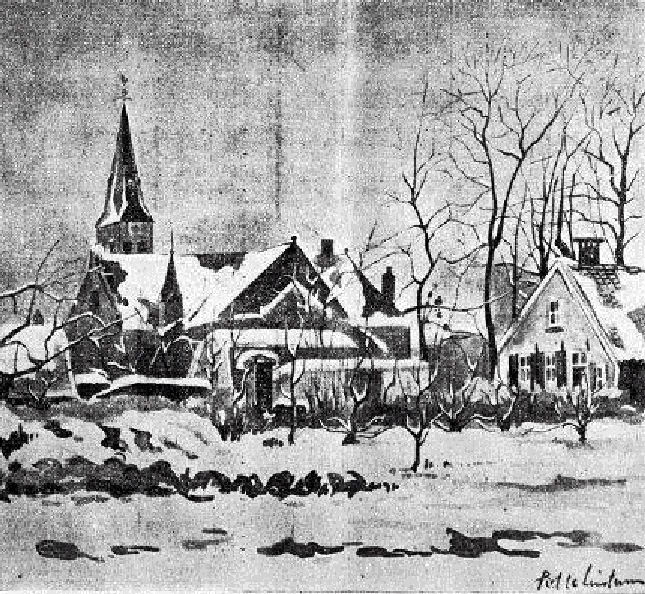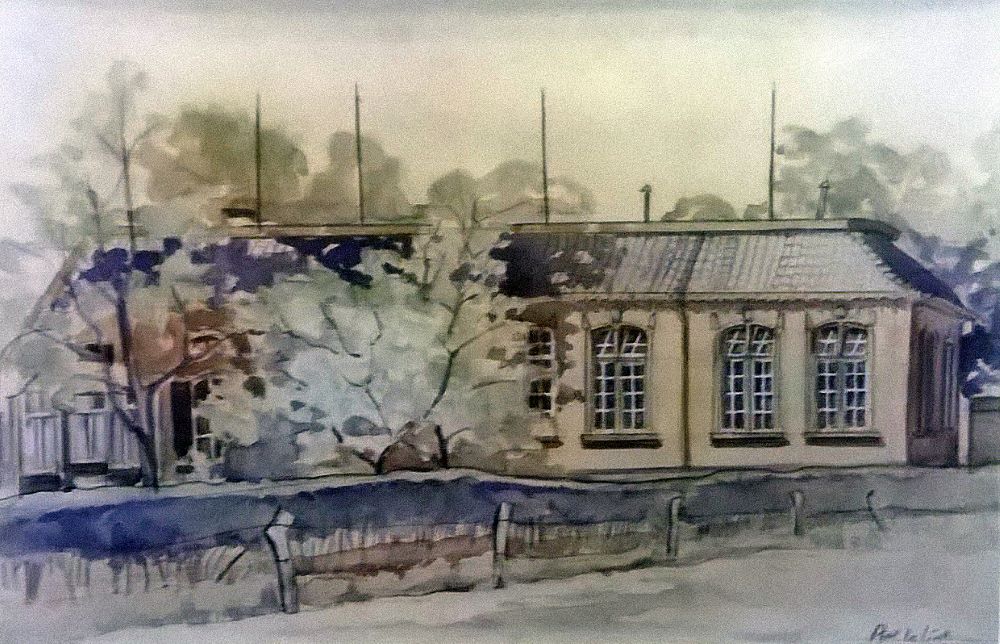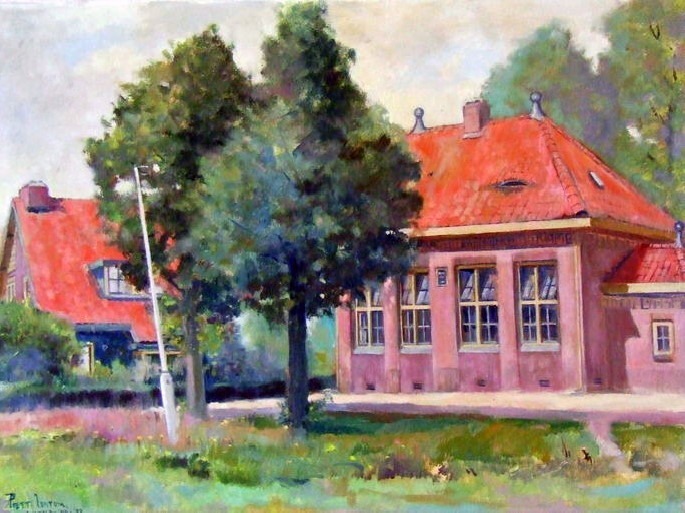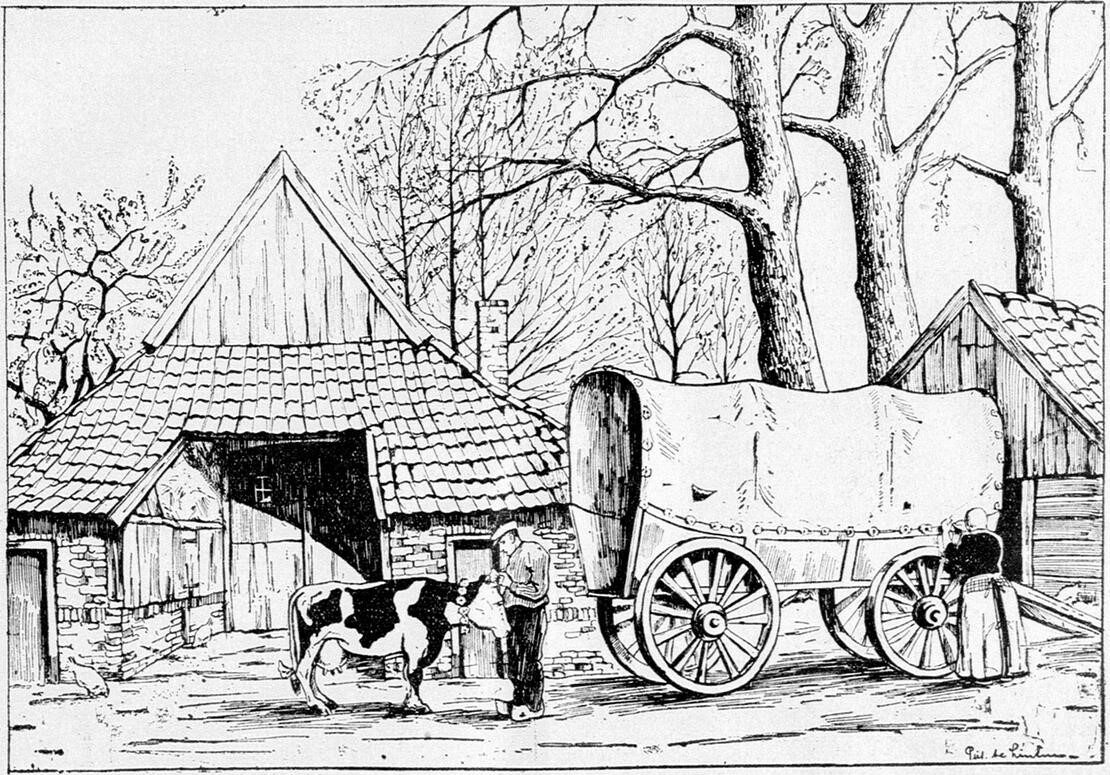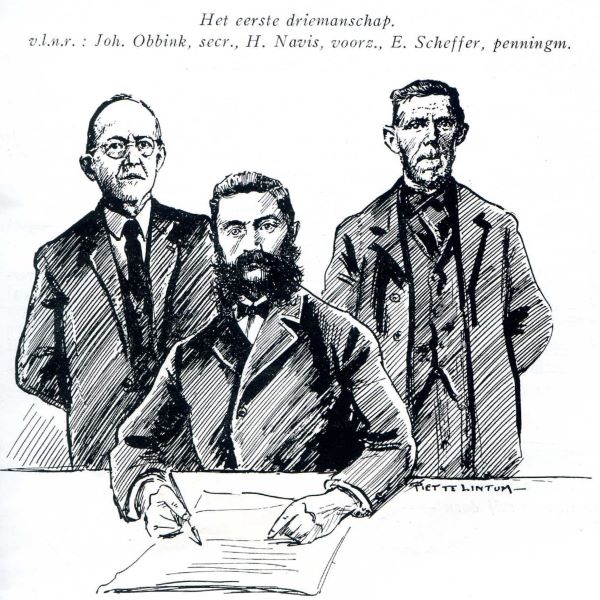
Old Aalten

Category: Artist

  • Gerrit Hendrik Heinen

    Gerrit Hendrik Heinen

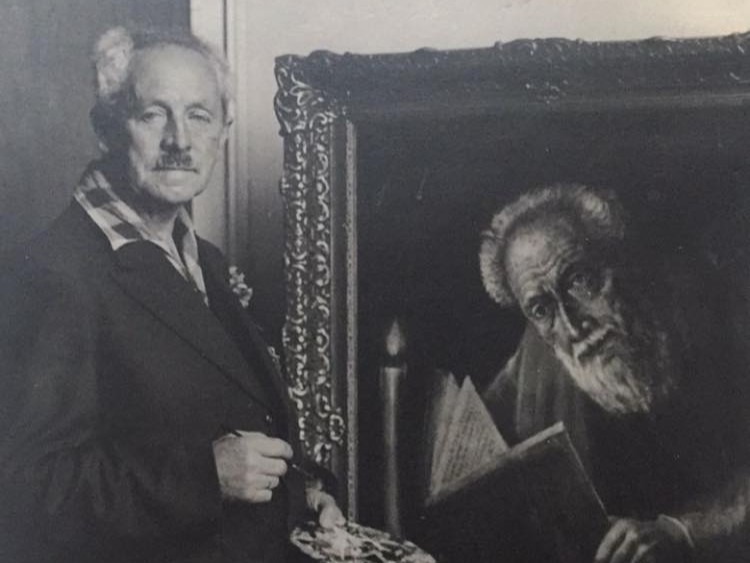
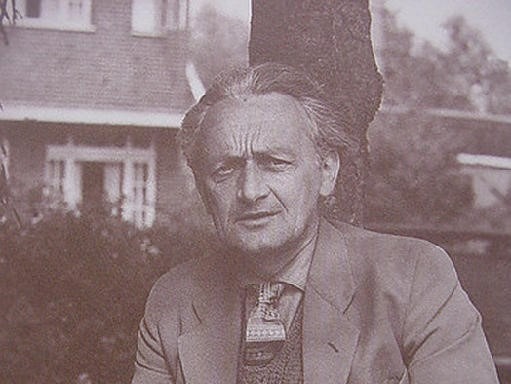
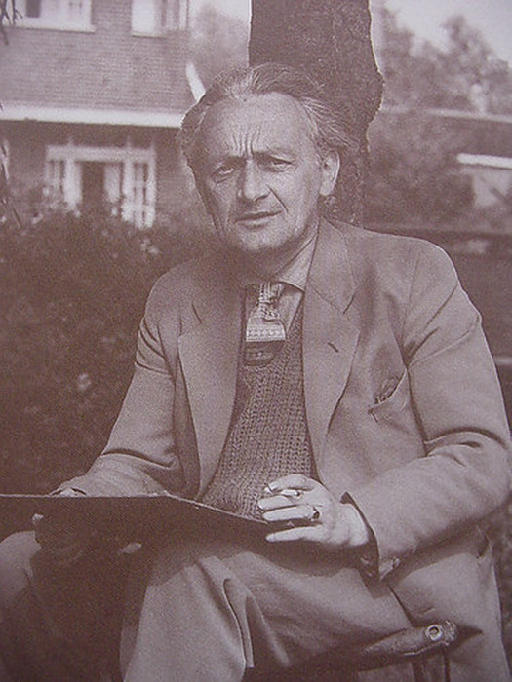
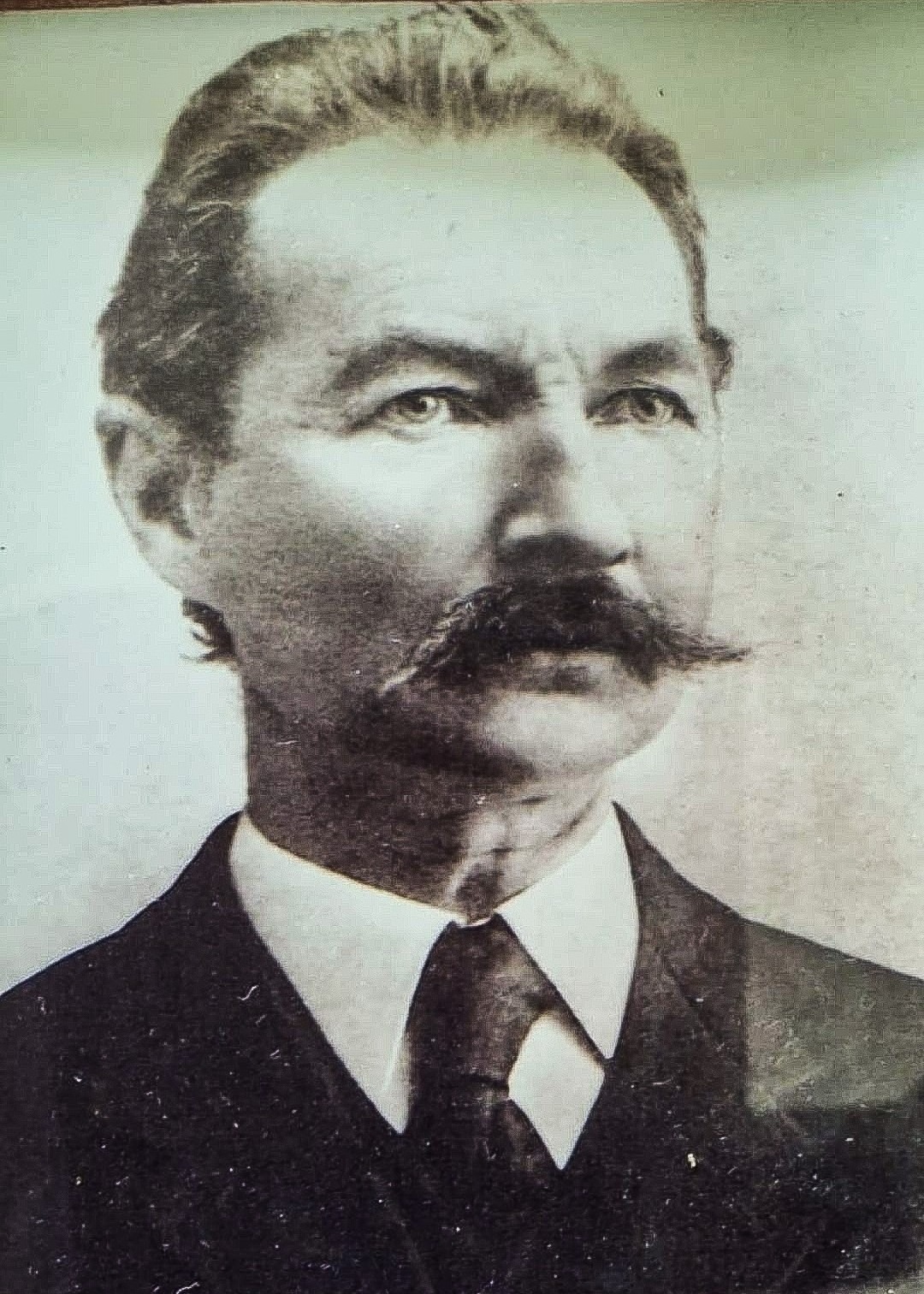
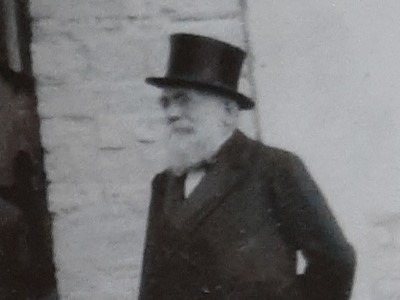
    Gerrit Hendrik Heinen (Aalten, 01-08-1851 – Aalten, 26-09-1930) was born on Varsseveldsestraat in Aalten. His parents were Jan Willem Heinen and Antonetta Piepers.

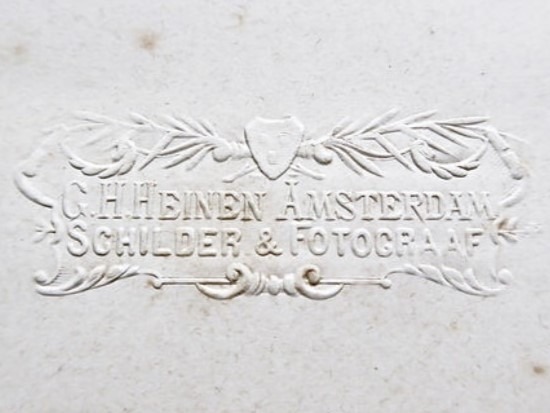
    At the age of nineteen, Gerrit Hendrik left for Warnsveld, returning to Aalten a year later in 1871. In 1877, he left once again—this time for Rotterdam, to learn the trade of house painting and decorating. Two years later, he ended up in Amsterdam. There, he started a painting business and, within a few years, employed more than a hundred journeymen.

    Heinen received commissions for wall and ceiling murals, including for the Doelen Hotel and Central Station in Amsterdam, and the railway stations in Enschede and Antwerp.

    Schiller

    Heinen “made it”, so to speak, and invested in real estate. Hotel-Café Schiller on Rembrandtplein was the go-to meeting place for the property trade, and Heinen was consequently a frequent face there.

    At the time, Gerrit Jan Prins from Aalten—who would later own the café on Prinsenstraat—also worked there. Through Heinen’s mediation, the official opening of ‘Sociëteit Schiller Prins’ was celebrated on 1 April 1901, attended by Mr Schiller from Amsterdam. In 1902, Heinen gifted four murals, which together depicted the four seasons, for Schiller’s newly built conservatory.

    Heinen continued to visit Aalten often. He was a bon vivant, a city dweller, and naturally an artist in the decorative arts. He dreamed of turning Aalten into an art destination and donated several works to the local museum (Oudheidkamer). However, the crowds of people failed to materialise.

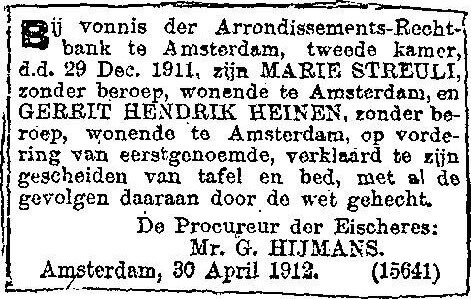
    On one of his travels abroad, Heinen met the Swiss Marie Streuli. He married her in 1880, and together they had nine children. They lived on Keizersgracht. Gerrit Hendrik Heinen was the father of, among others, Marie Heinen, who became the director of the Nationaal Bureau voor Vrouwenarbeid (National Bureau for Women’s Labour). Gerrit Heinen and Marie Streuli divorced in 1911.

    Photography

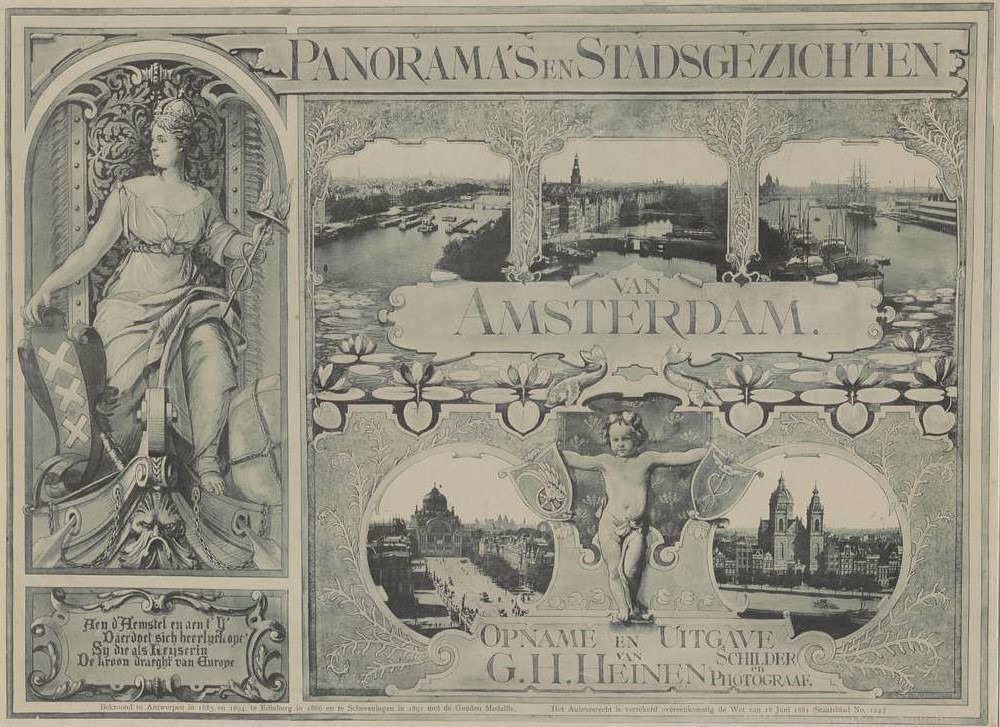
    In 1894, Heinen took a series of photographs of Amsterdam, which he published independently under the title ‘Panoramas and Cityscapes of Amsterdam’, featuring 26 prints. For his photography, he chose high vantage points, such as the Rijksmuseum, Central Station, the Paleis voor Volksvlijt (Palace of Popular Industry), and the Doelen Hotel, as well as the Nieuweramstel water tower and the attics of ordinary residential houses. Murals painted by Heinen can still be seen inside Amsterdam Central Station today.

    Heinen earned so much money as an entrepreneur that he was able to retire in 1913. He did, however, continue to paint bas-reliefs. He spent the final years of his life in Italy, where he met Pietro Armati, an Italian painter whom he brought to Aalten and helped secure commissions.

    The painter died in Aalten in 1930. He was buried at Berkenhove Cemetery.
  • Paul Hagemann

    Paul Hagemann

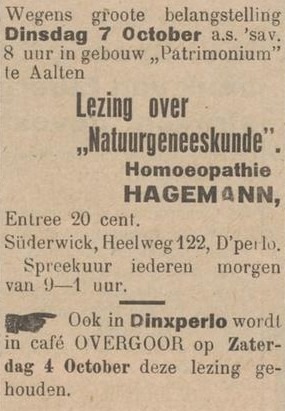
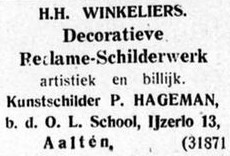
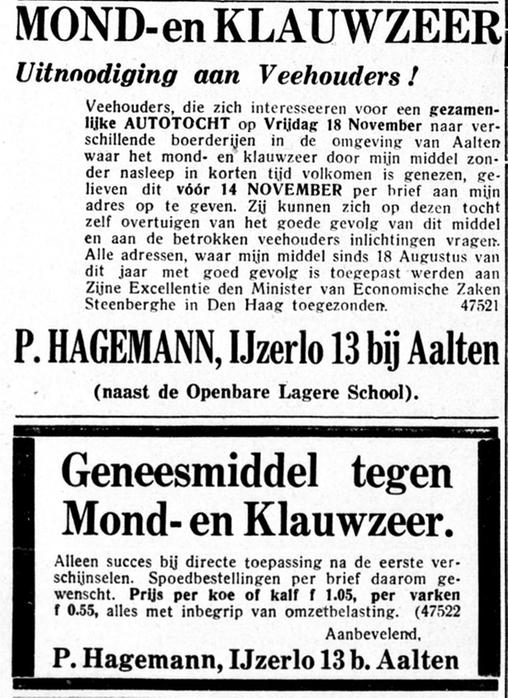
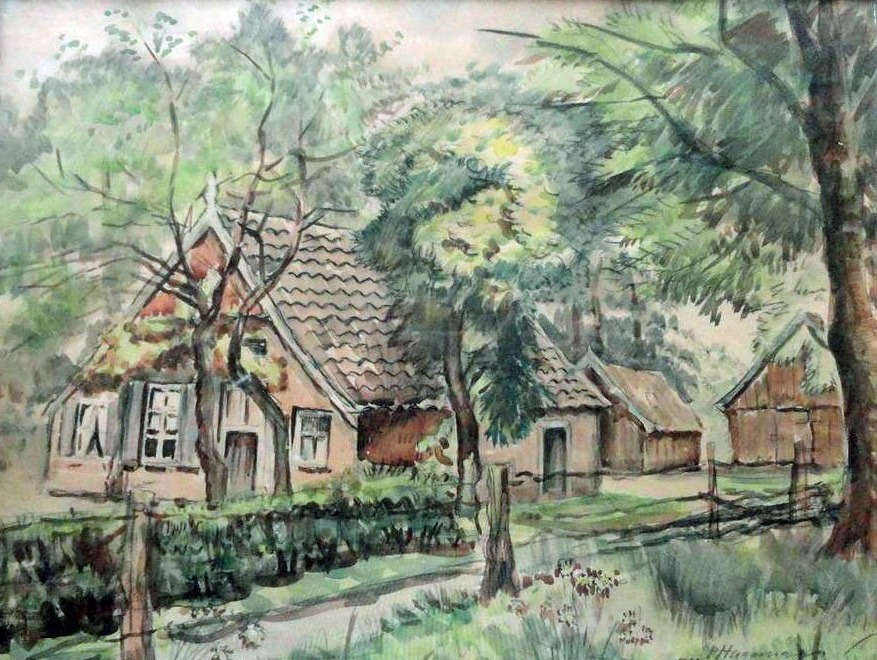
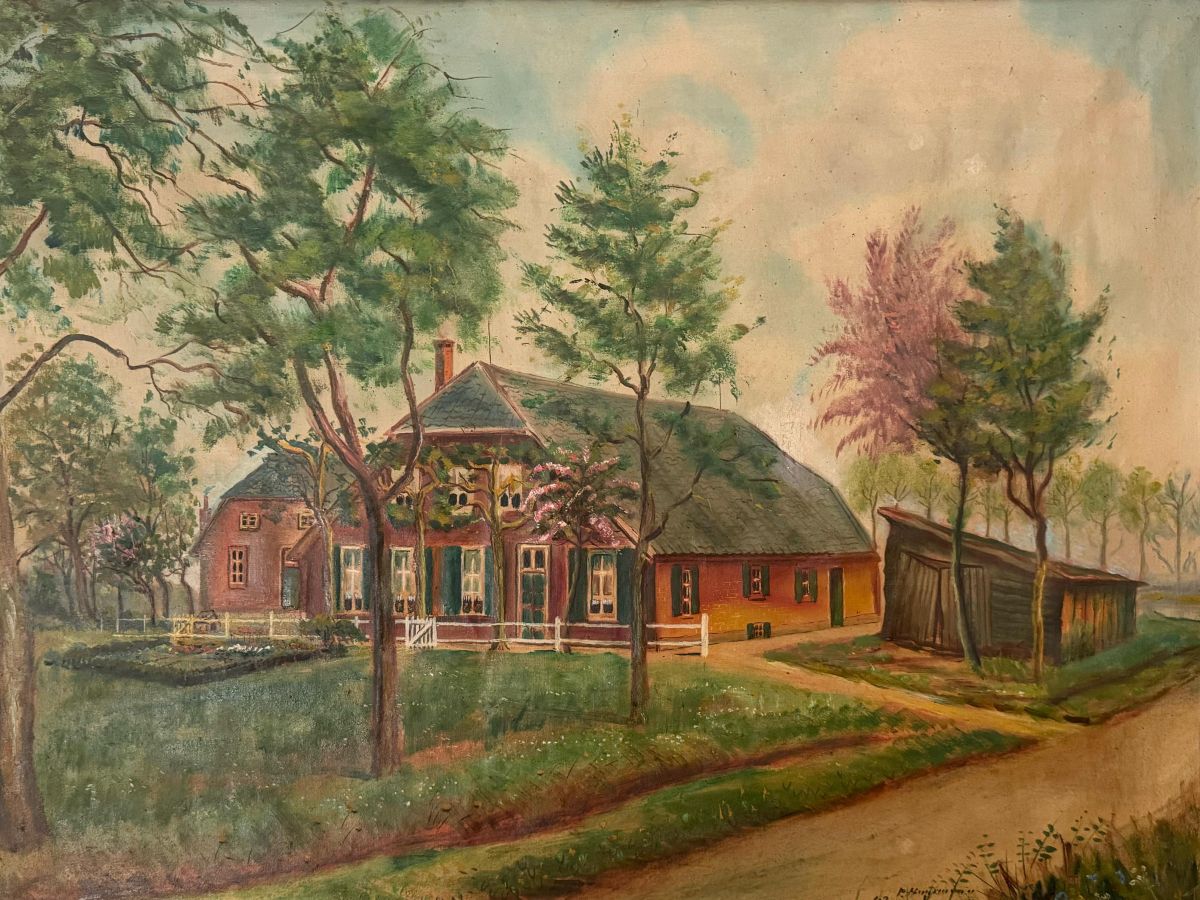
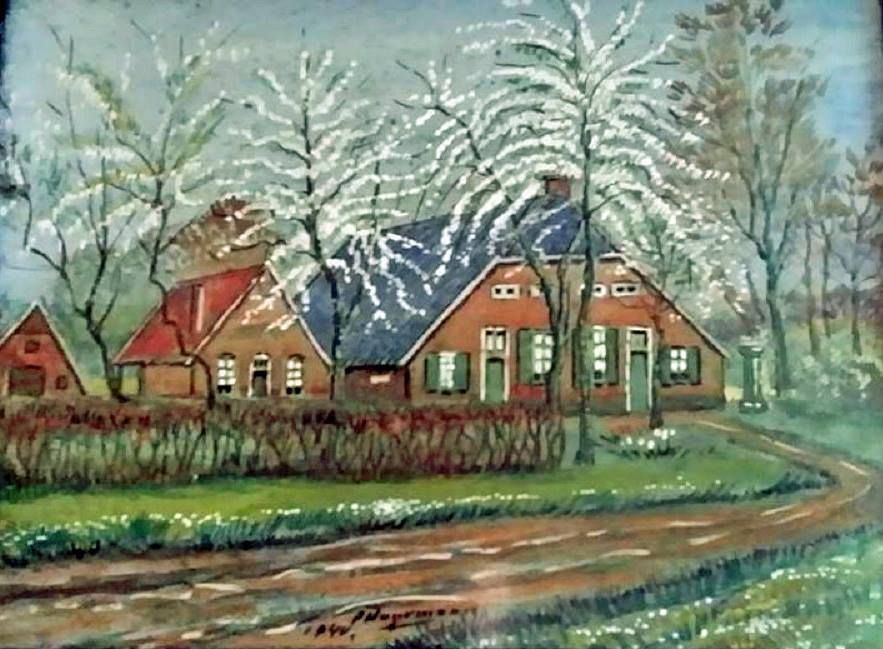
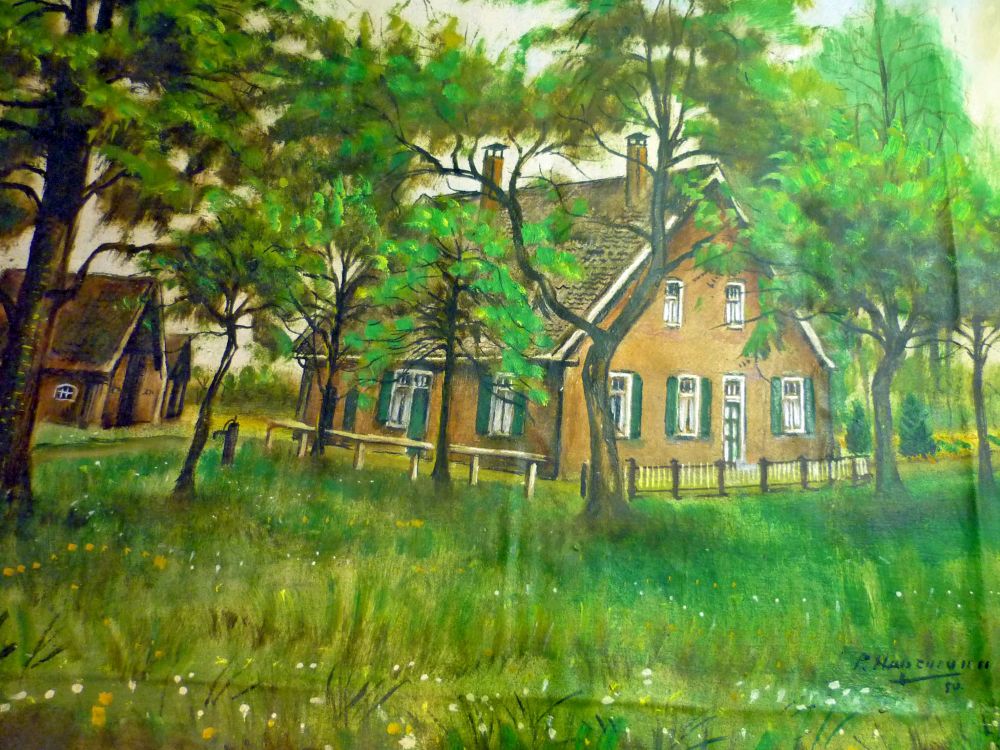
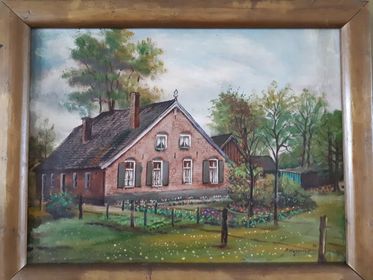
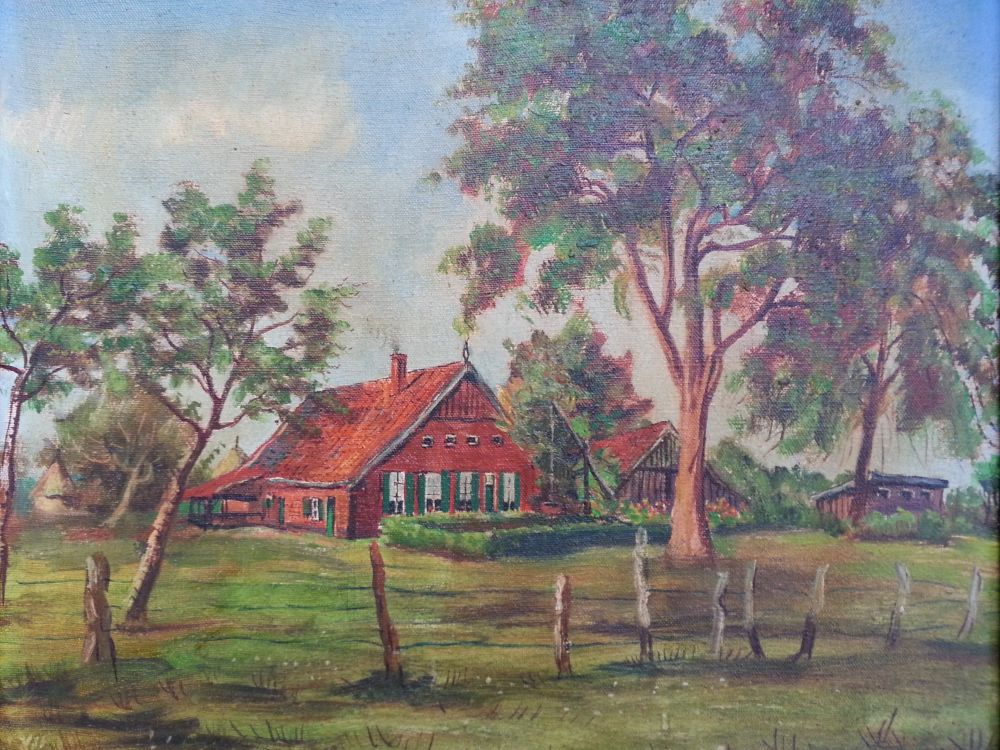
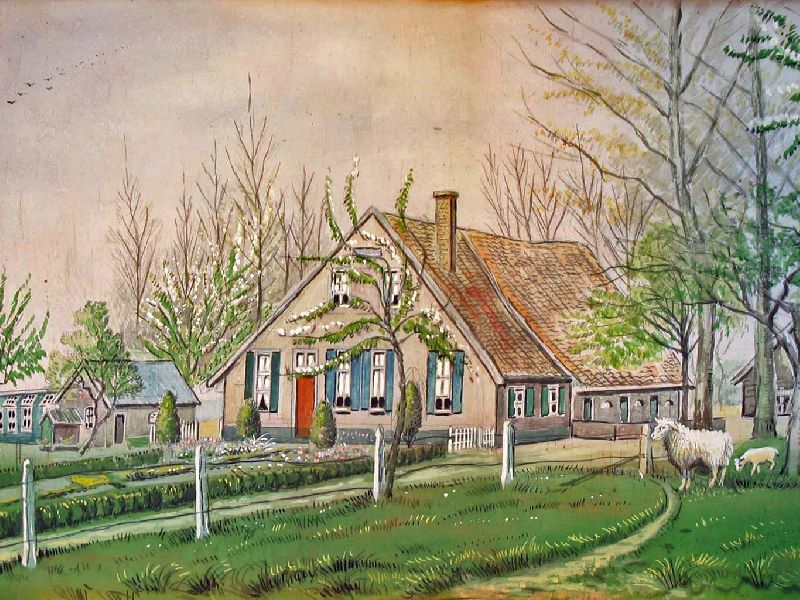
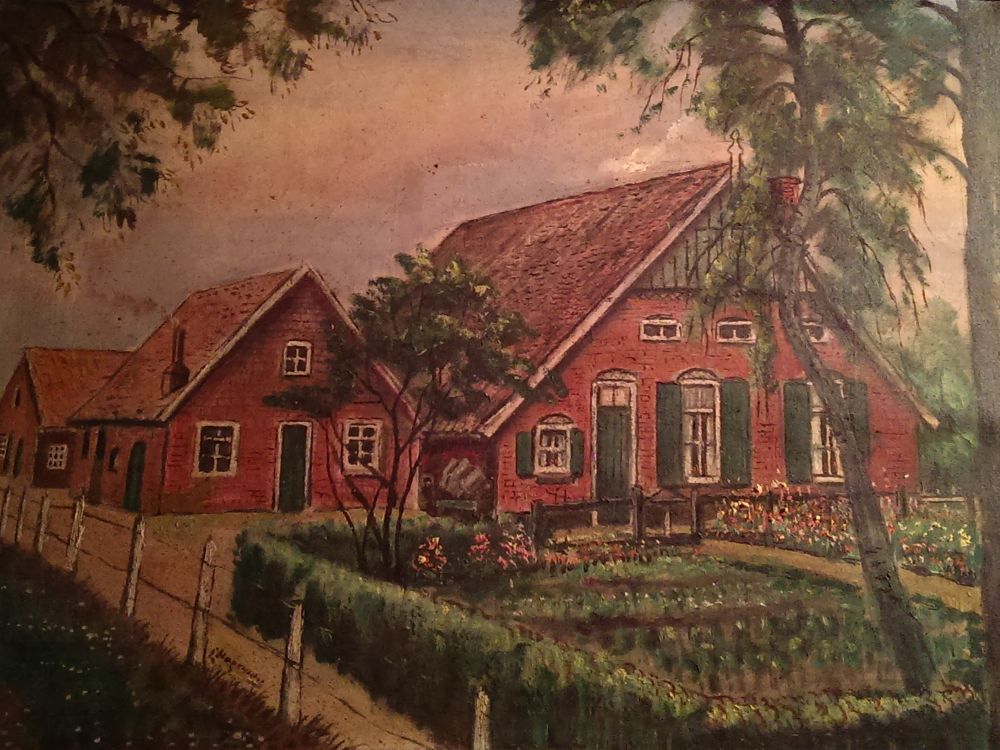
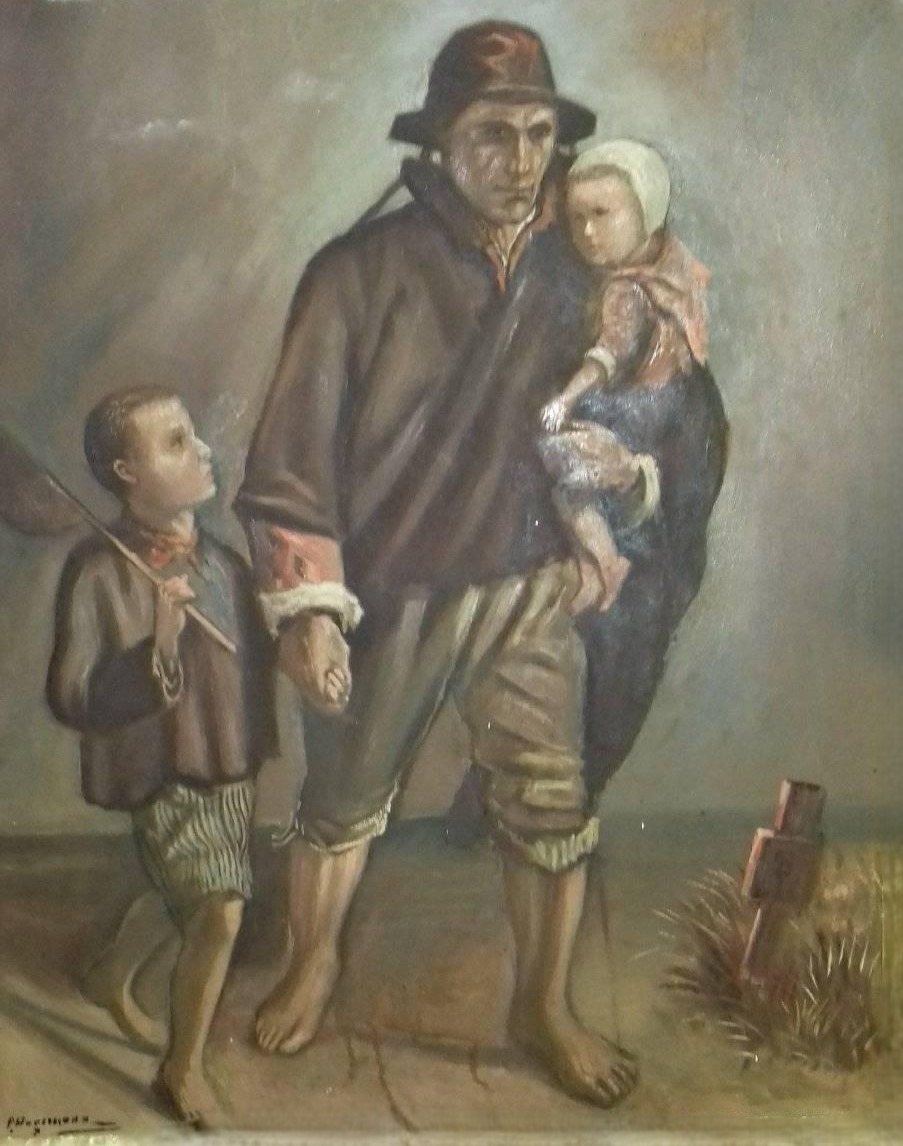
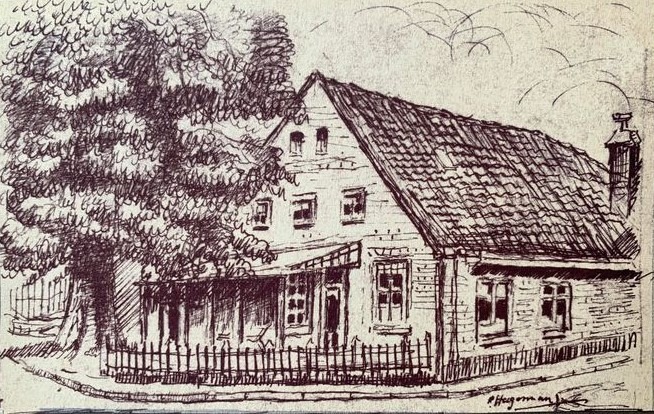
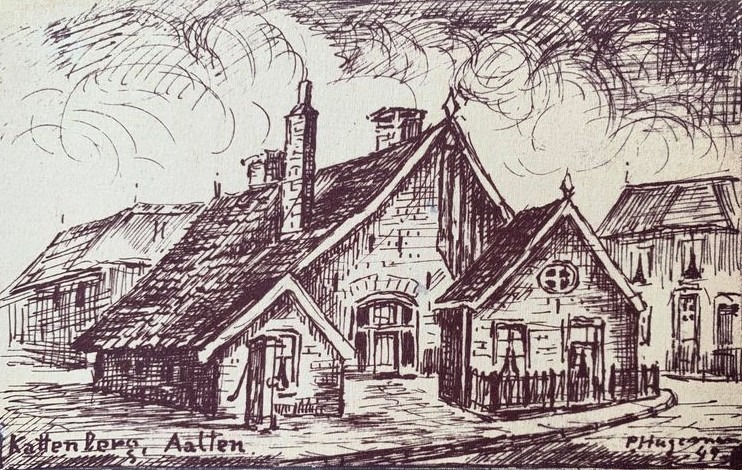
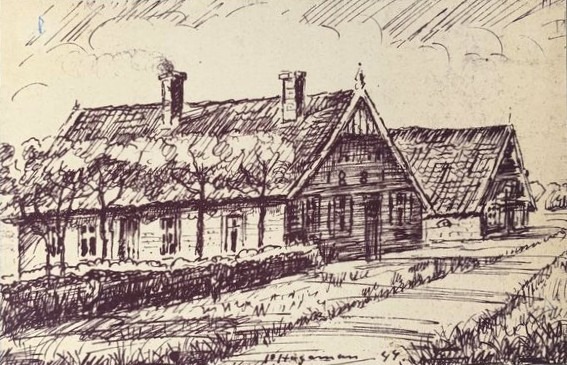
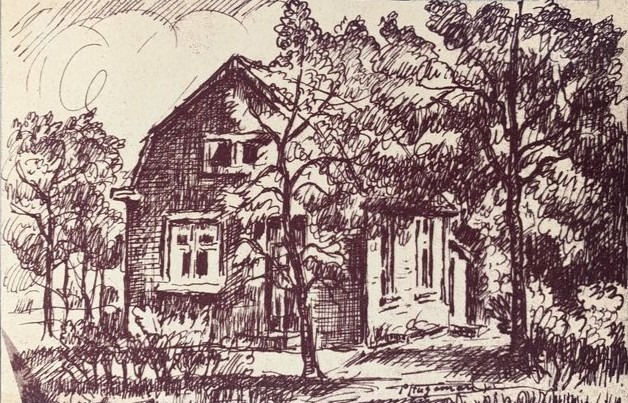
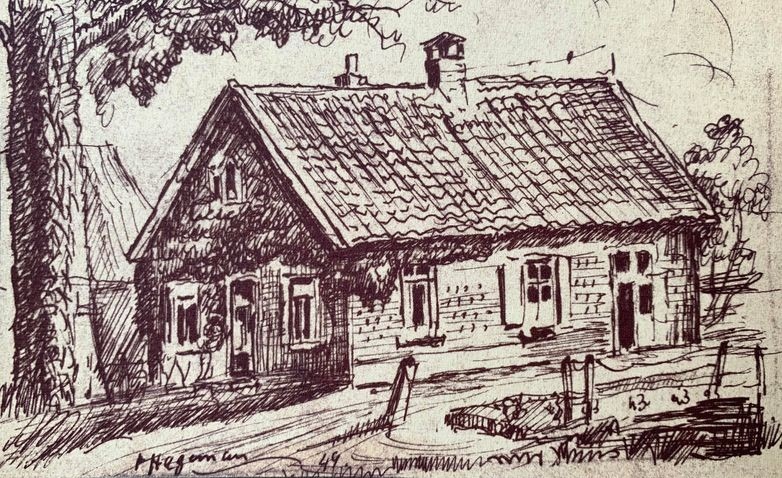
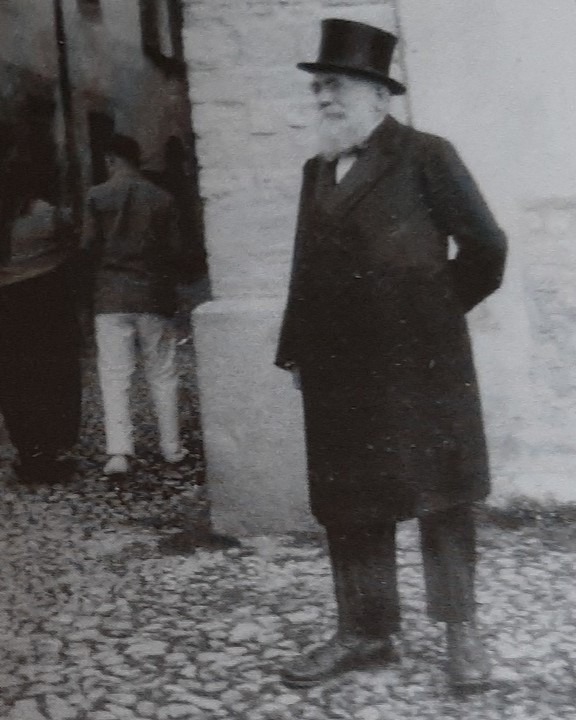
    Paul Hagemann (1882–1960) was a German-born artist and naturopath who settled in Aalten around 1926. He worked as a photographer, painter and sketch artist, documenting many of the farms around Aalten. In addition, he practiced amateur naturopathy.

    Johannes Paul Hagemann, known as Paul, was born on 3 March 1882 in Münster (Germany). On 15 November 1923, he married Francina Gijsberta (Bep) van Arkel in Amsterdam.

    The couple presumably settled in Aalten around 1926. In 1934, they were registered as residents of Bodendijk 19a in Aalten; in 1938, they lived at the address IJzerlo 13b, and by 1945, they were back in the village, at Dijkstraat 5.

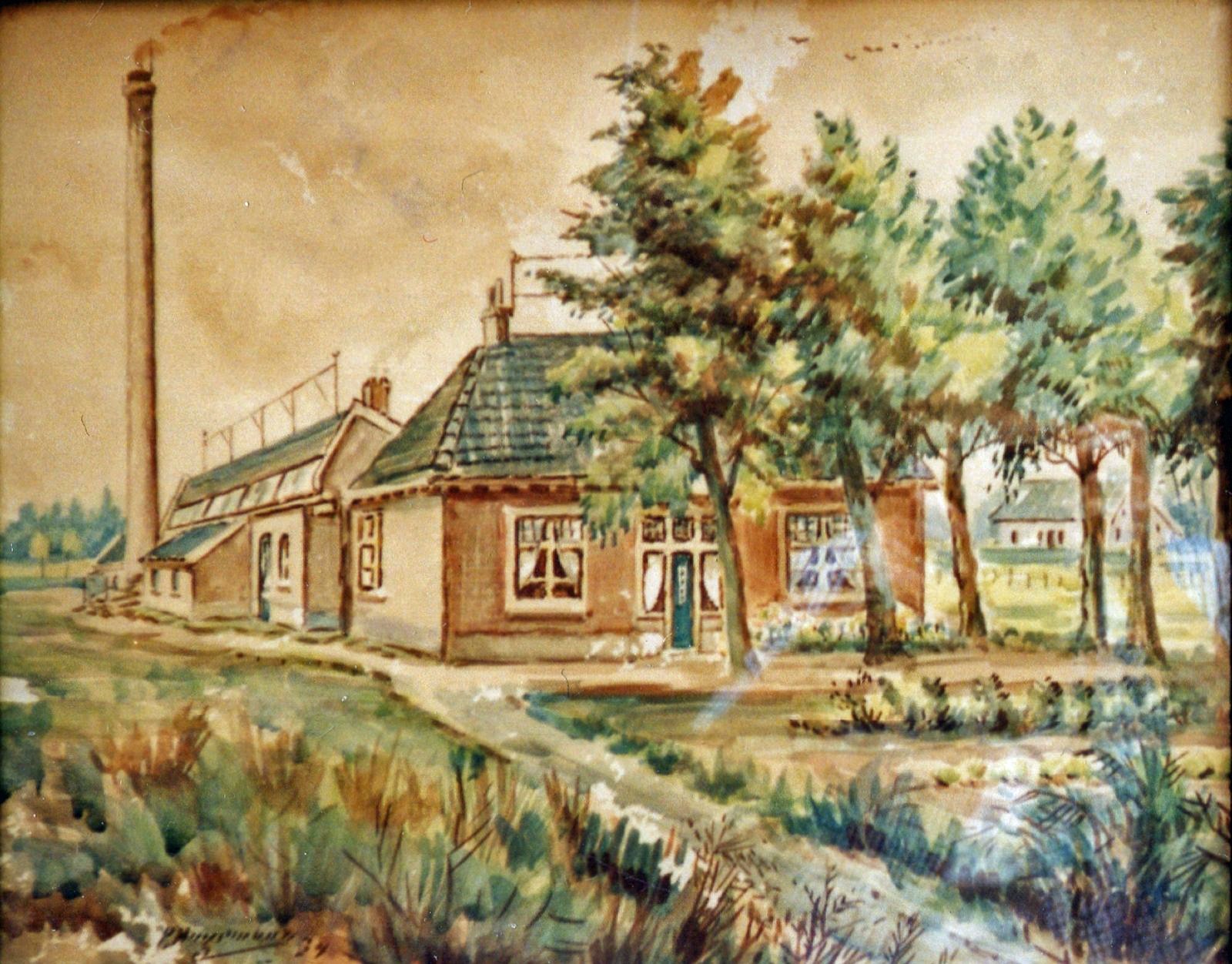
    Among other subjects, Hagemann captured many farms and houses in and around Aalten on canvas. Alongside his artistic pursuits, he was also involved in naturopathy. One of his health products consisted of a small box containing metal and some form of electricity.

    Paul Hagemann passed away on 8 August 1960. He was buried at the Roman Catholic cemetery on Piet Heinstraat in Aalten.


    Gallery

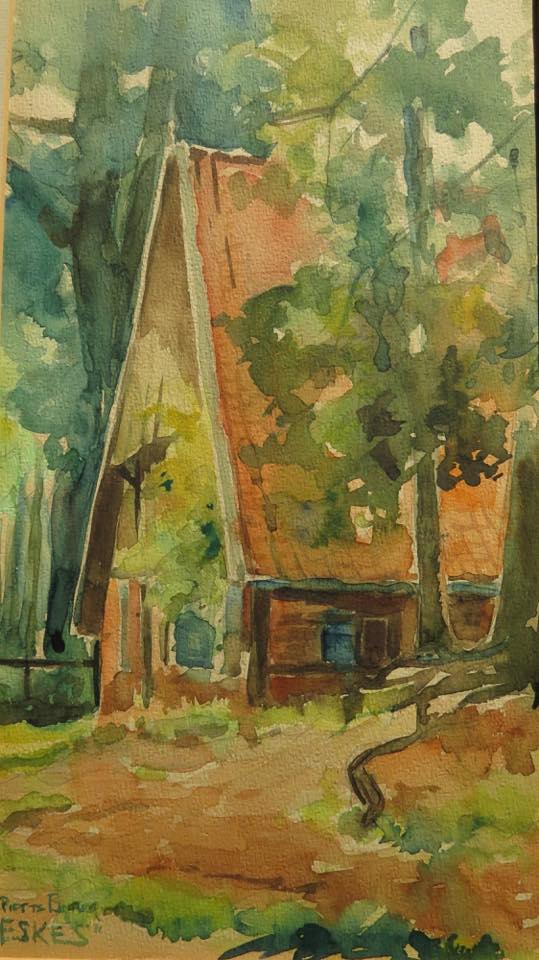
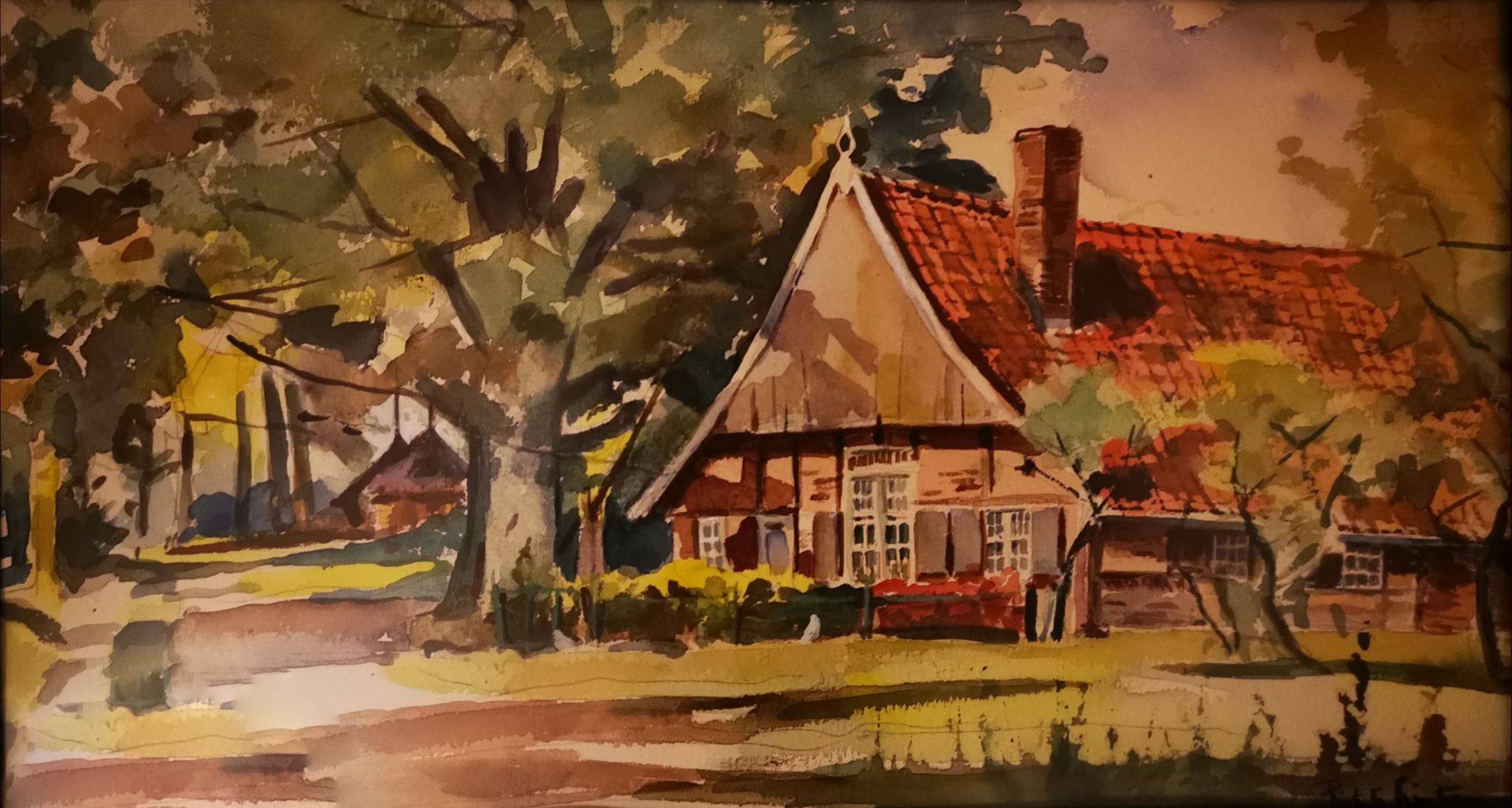
    A selection of works by Paul Hagemann:

  • Piet te Lintum

    Piet te Lintum

    Columnist, illustrator, sketch artist and painter

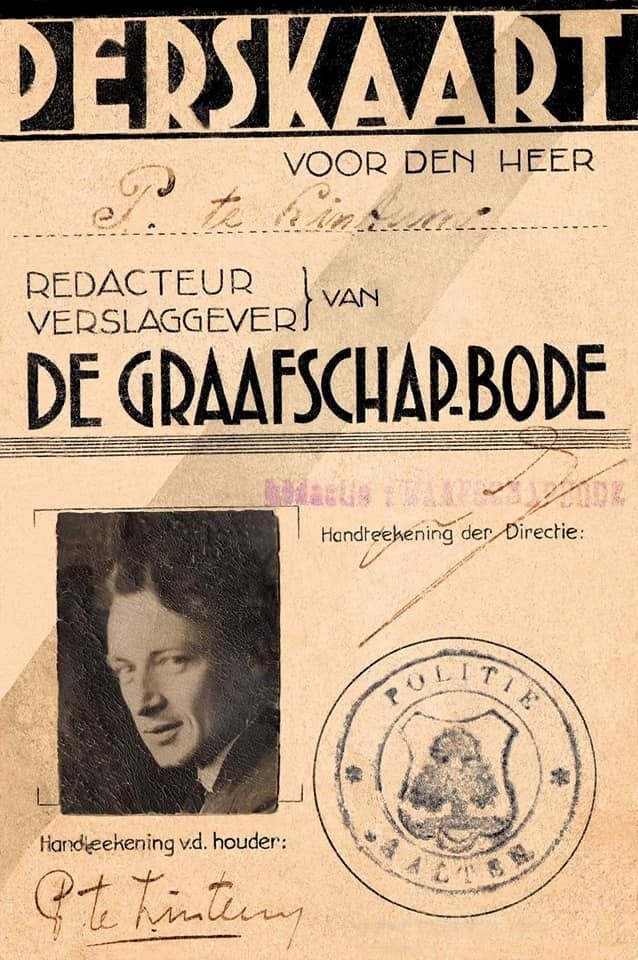
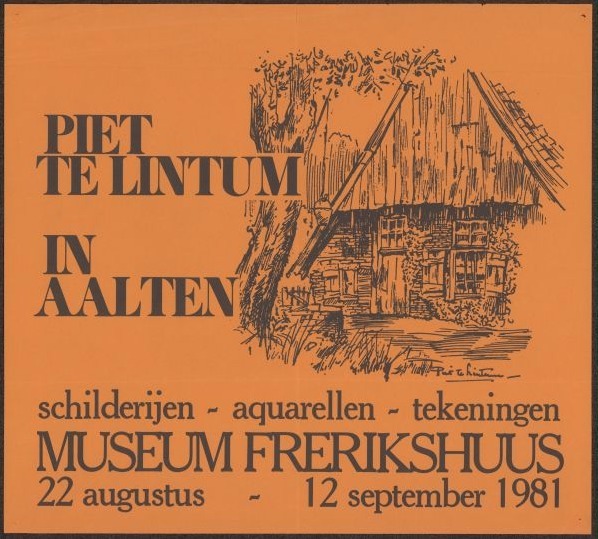
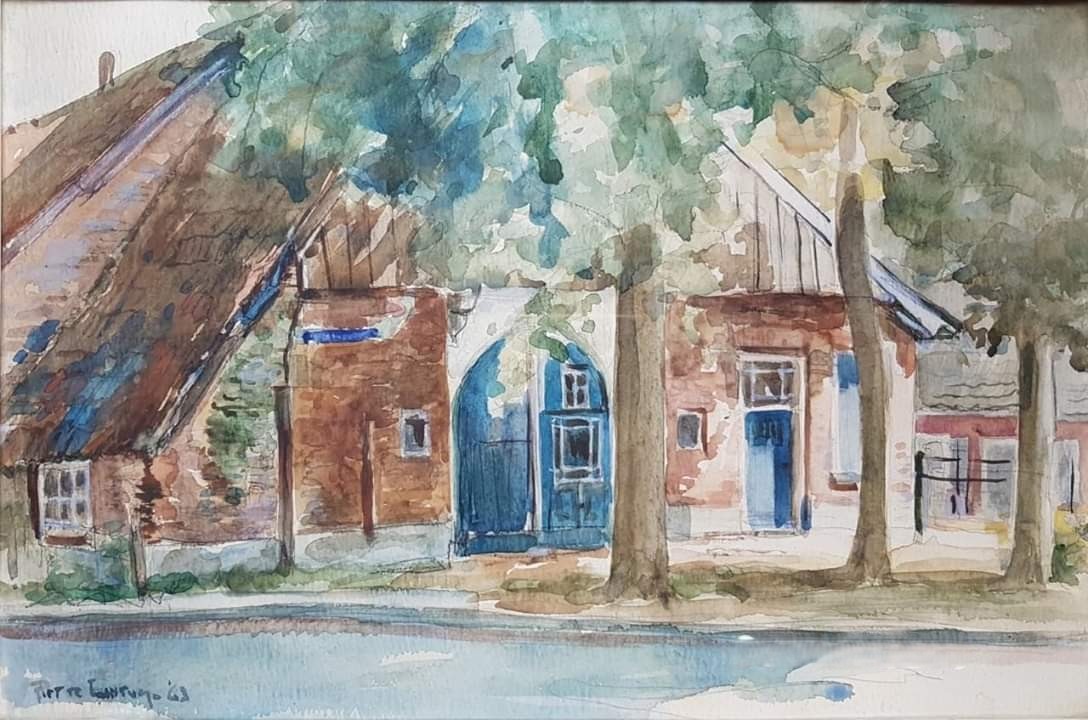
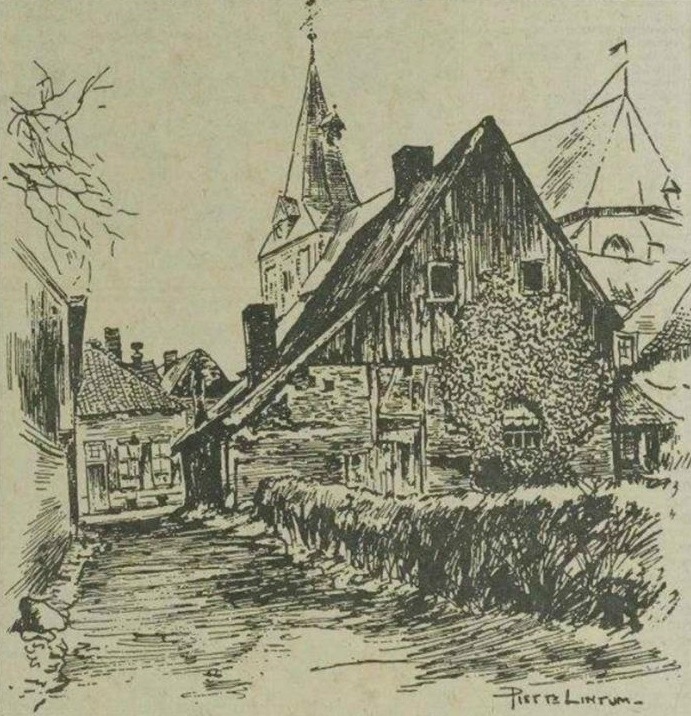
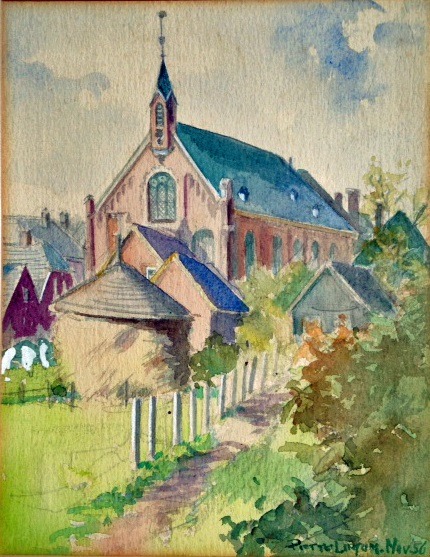
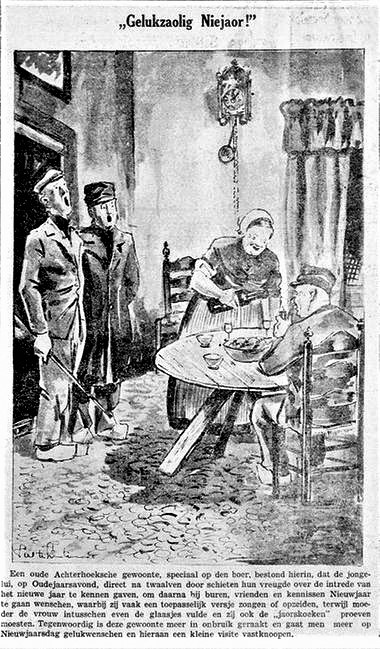
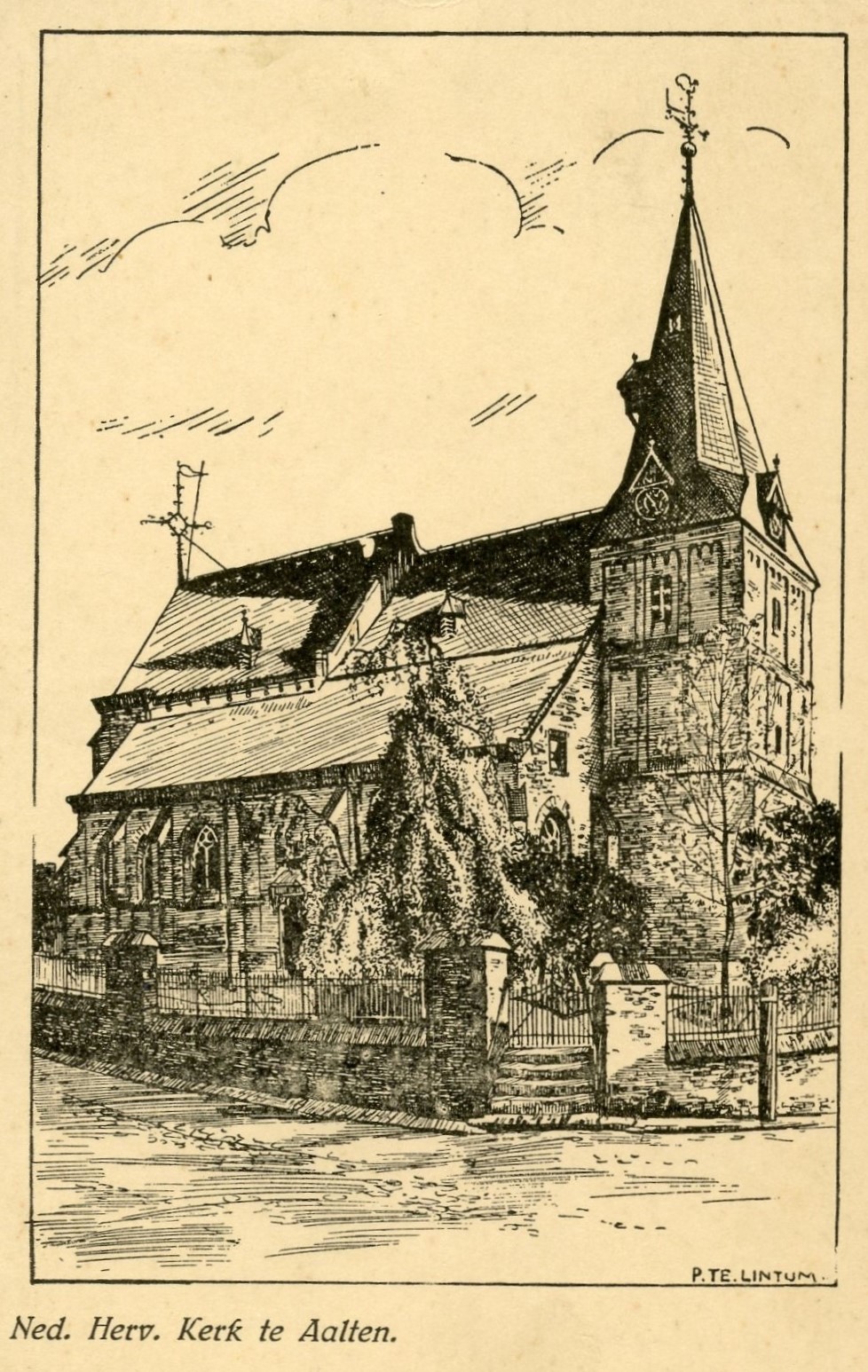
    Piet te Lintum (1909–1985) was a versatile artist from the Achterhoek. He worked as a columnist, illustrator, sketch artist and painter, capturing a vast number of landscapes and village scenes of his native region. For this reason, he is often referred to as the “painting ambassador of the Achterhoek”.

    Pieter (Piet) te Lintum was born on 13 January 1909 in Aalten, the son of Jan te Lintum, a grocer, and Johanna Christina Adolphina te Giffel. The family lived at Dijkstraat 4, the premises occupied by the Van den Dobbelsteen bakery until 2022. On 15 August 1942, he married Elisabeth Maria Schenk, with whom he had two children.

    Talent

    From an early age, Te Lintum demonstrated an exceptional talent for drawing. By the age of eleven, he was already producing accurate, lifelike portraits. He received his first lessons from an artist who had just graduated from art academy. He also spent a year taking correspondence courses from an institute in Paris.

    At eighteen, he attended classes at the Kunstnijverheidsschool (School of Arts and Crafts) in Arnhem, where he was taught by Hendrik Valk and Gerard van Lerven. Following this, he studied for three years at the Rotterdam Art Academy under David Bautz and Herman Mees. His most influential master, however, was Professor Johannes Hendricus Jurres at the Rijksschool voor Kunstnijverheid (State School of Arts and Crafts) in Amsterdam.

    Career

    After finishing his education, Piet te Lintum built a multifaceted career as an illustrator for various publishing houses. Among other projects, he drew the illustrations for the adventures of Aornt Peppelenkamp, written by Frans Roes under the pseudonym Herman van Velzen. He also worked for the Misset publishing house in Doetinchem (including for the newspaper De Graafschapbode) and created comic-strip-style columns for the Tubantia daily newspaper. In addition, he designed commercial advertising work, postcards and painted murals.

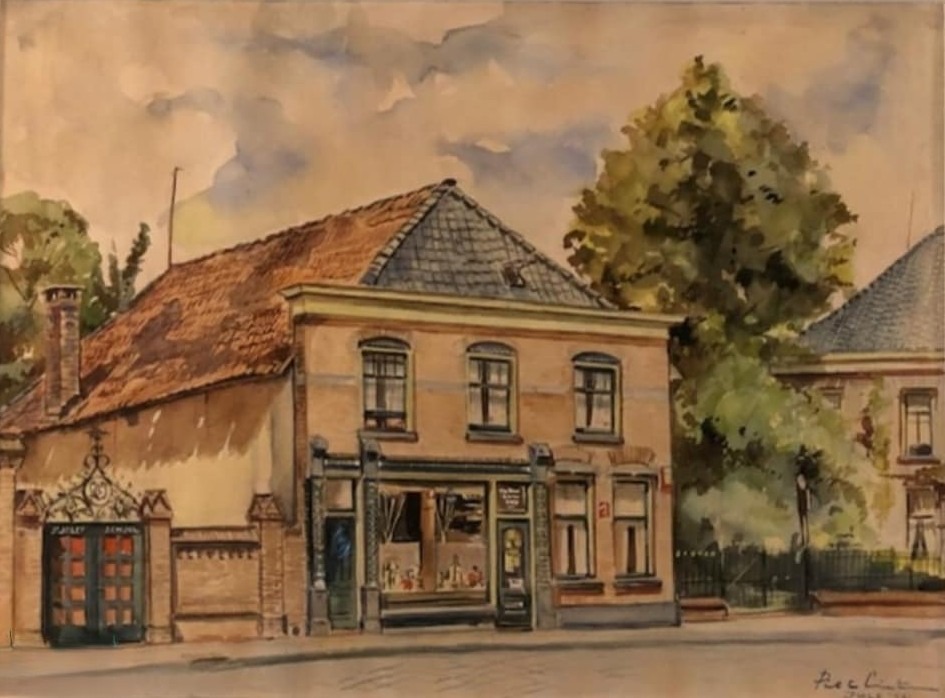
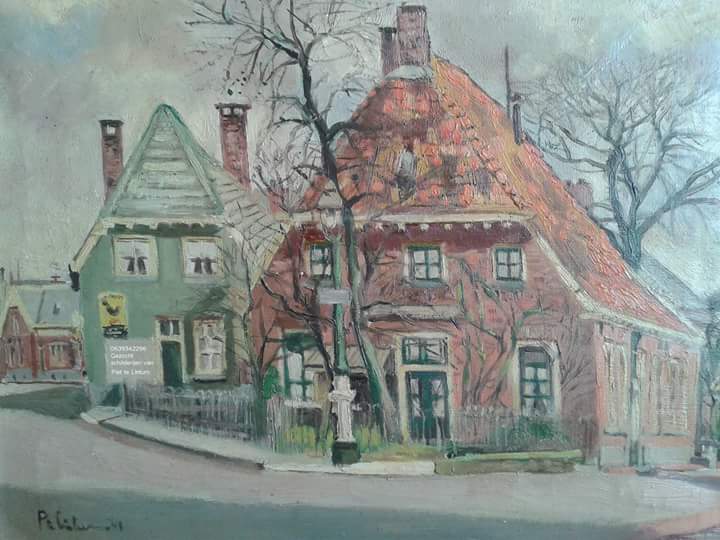
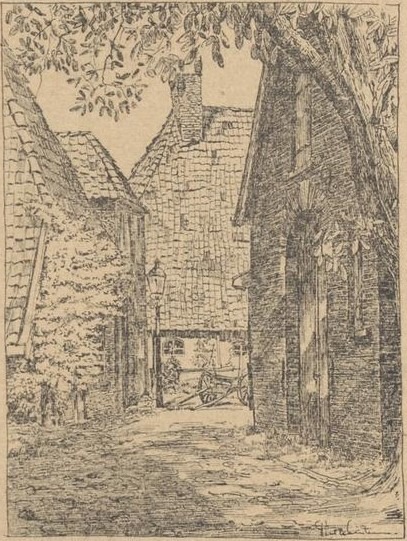
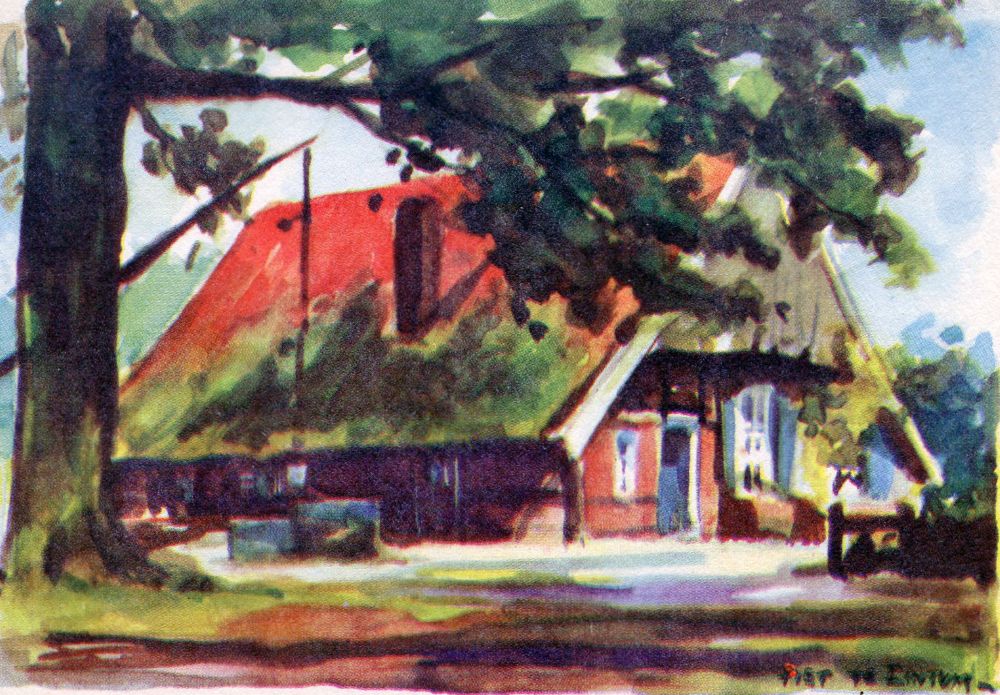
    Piet te Lintum is particularly renowned for his paintings of dilapidated buildings. He shunned the modern and rectilinear. For him, the rule was: the older and more decayed the building, the more beautiful the picture as a whole. In doing so, he was not merely interested in the romantic imagery of neglected houses and farms; through his works, he also sought to draw attention to local history.

    Even back then, Te Lintum watched with sorrow as an increasing number of old, historic buildings were demolished to make way for the redevelopment of the Achterhoek landscape. It is for this very reason that Bernard Schlüter’s small cottage in Südlohn, Germany, and the Kuupershuusken in Bredevoort were rebuilt brick by brick—all for the sake of preserving the rich local history.

    Legacy

    On 1 May 1985, Piet te Lintum passed away in Winterswijk. His work lives on in the memory of many, not least thanks to the book Wat ik te zeggen heb… (What I have to say…) by Hans de Beukelaer, which pays tribute to his life and work. More than 500 of his pieces were tracked down for the publication. Although a large portion of his murals have not withstood the test of time, his paintings of farms, buildings and regional views remain lasting testaments to his love for the Achterhoek.

    Gallery

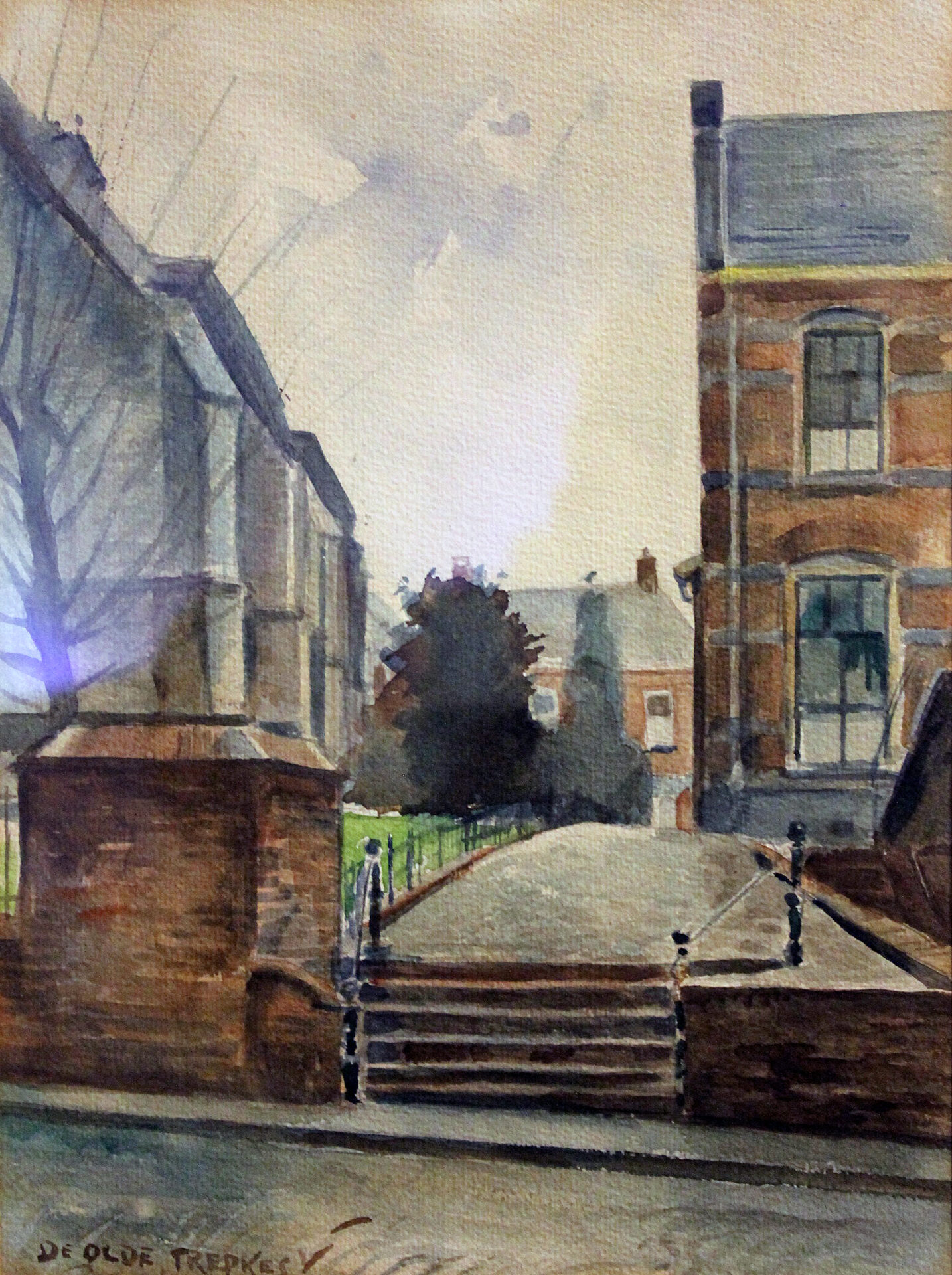
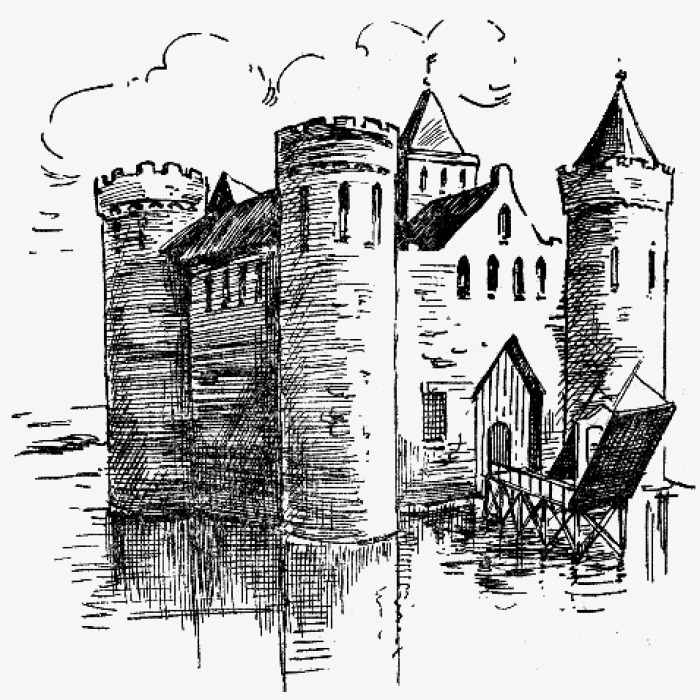
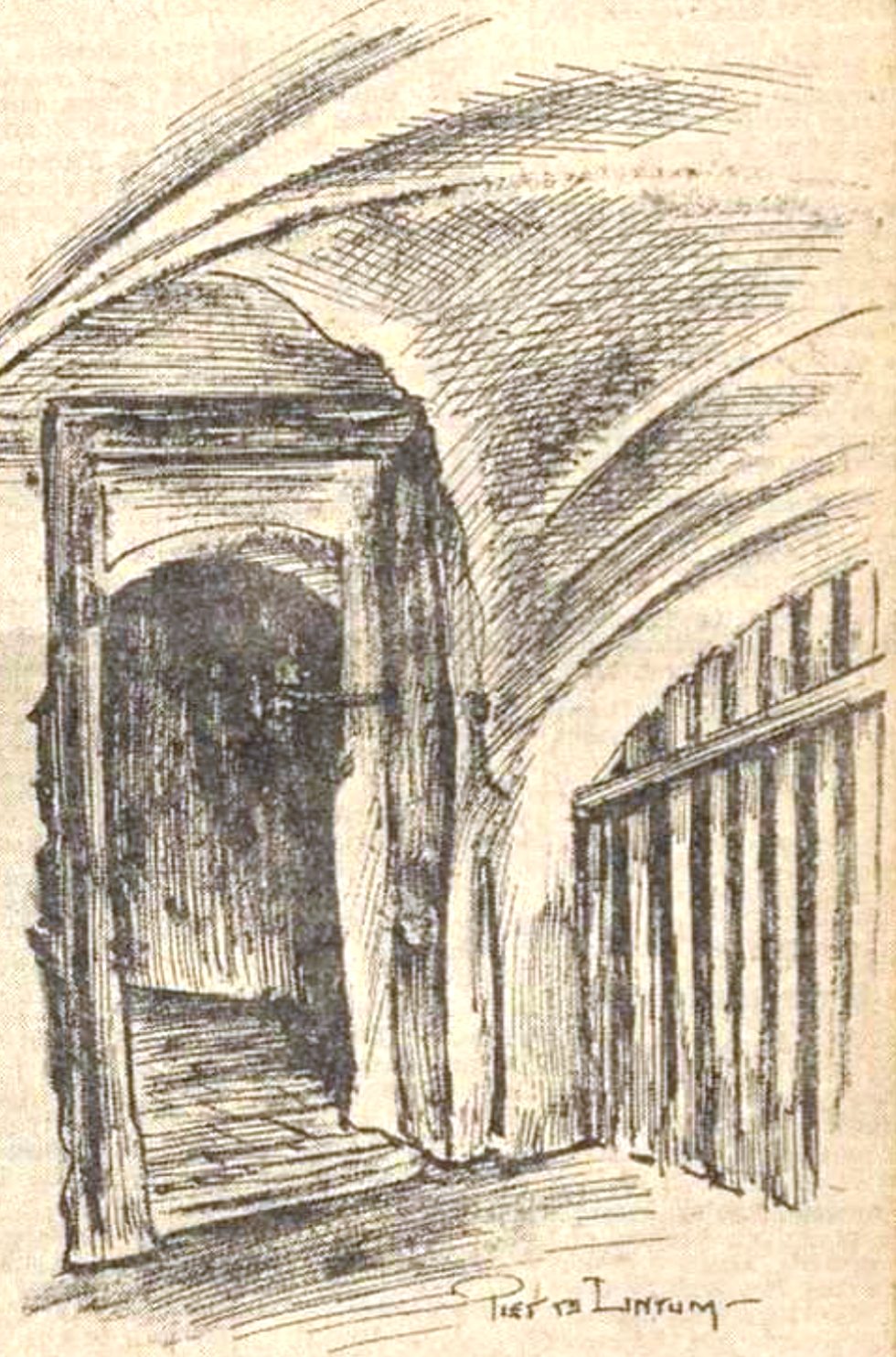
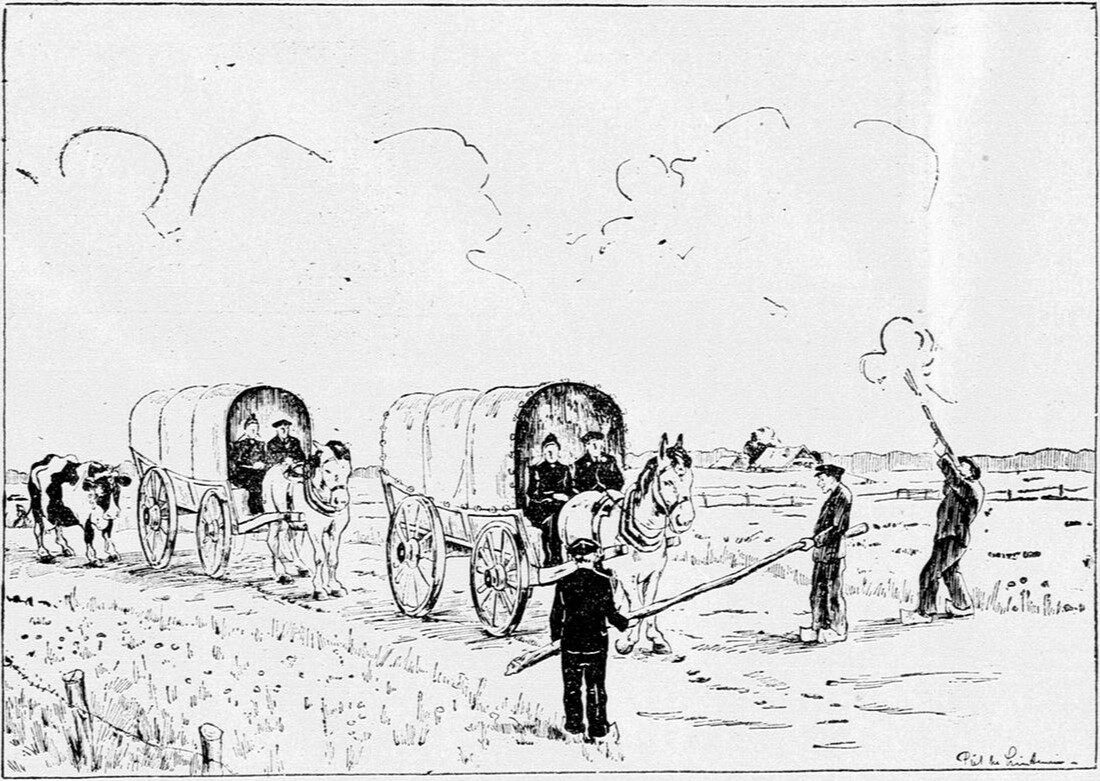
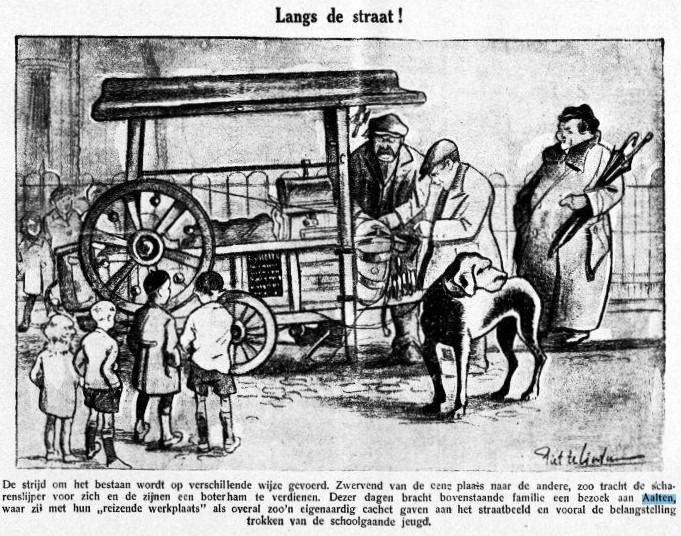
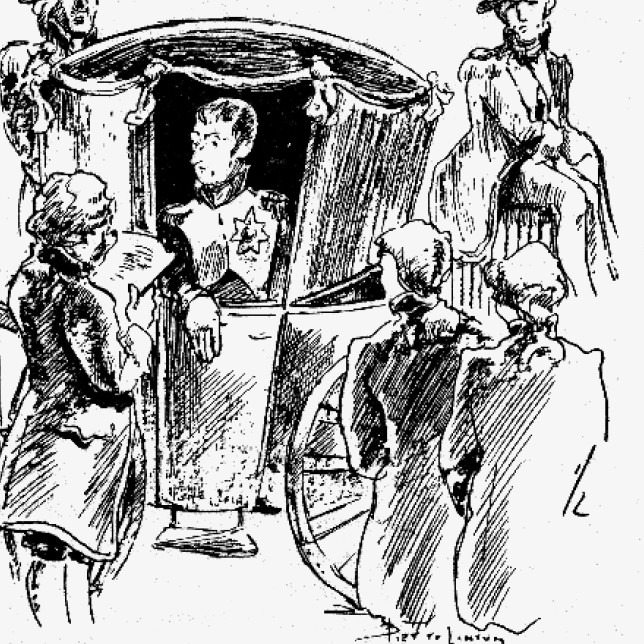
    A selection of works by Piet te Lintum:

    Recommended reading

    • Wat ik te zeggen heb…‘, Piet te Lintum’s picturesque journey through the Achterhoek and the nearby border region
      Hans de Beukelaer en Jos Betting
    • Schilders uit de Achterhoek & Liemers, 1850-1950′
      Jan Stap en Jacob Schreuder
    • An article about Piet te Lintum was published in the March 2021 issue (Oer/39) of the cultural-historical magazine for the Achterhoek and Liemers. This magazine is still available from the ECAL (Heritage Centre Achterhoek and Liemers) in Doetinchem.
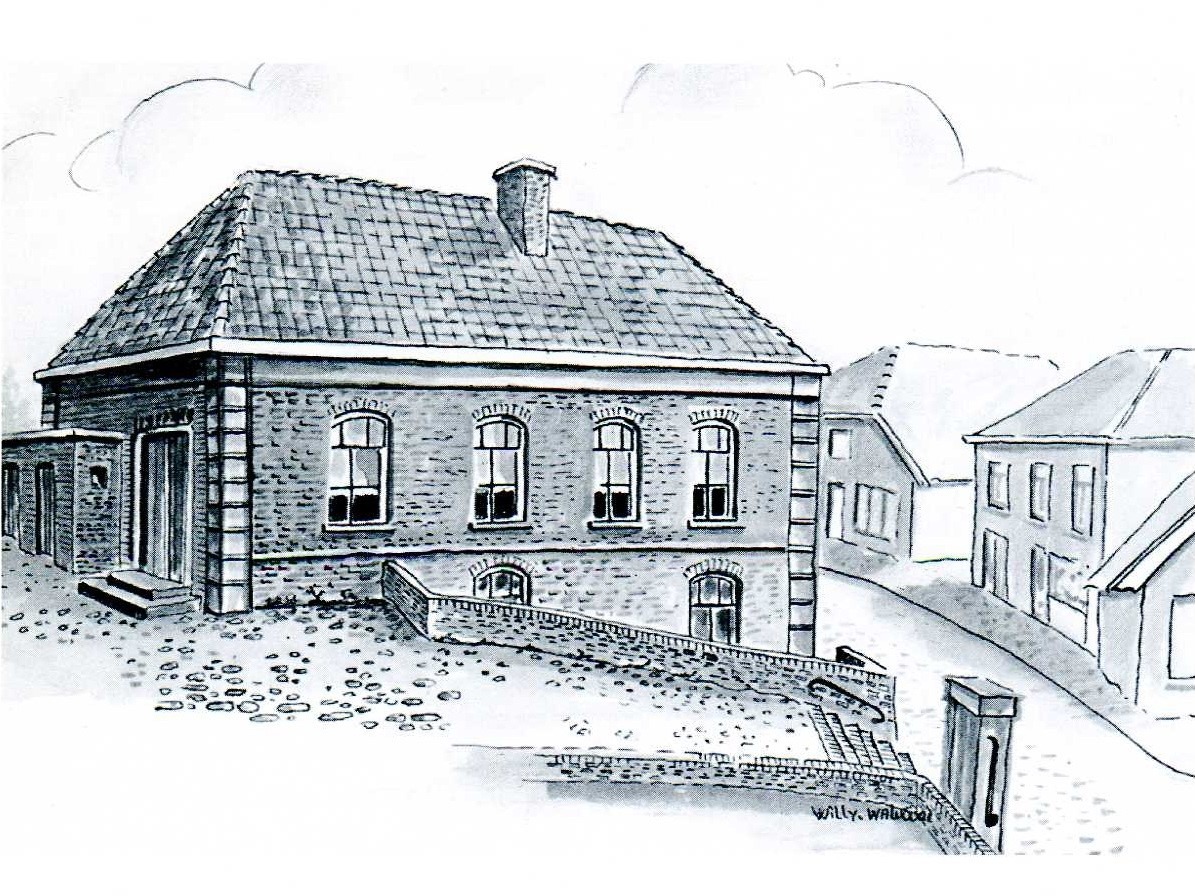
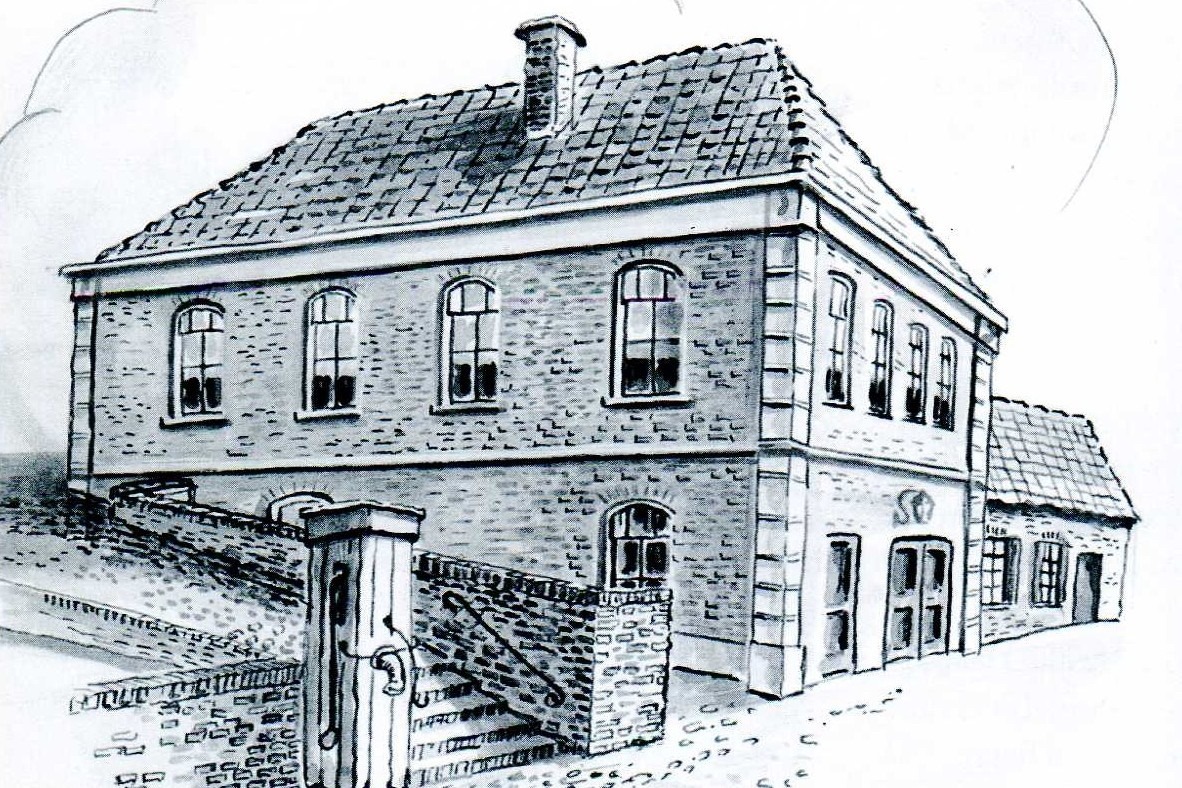
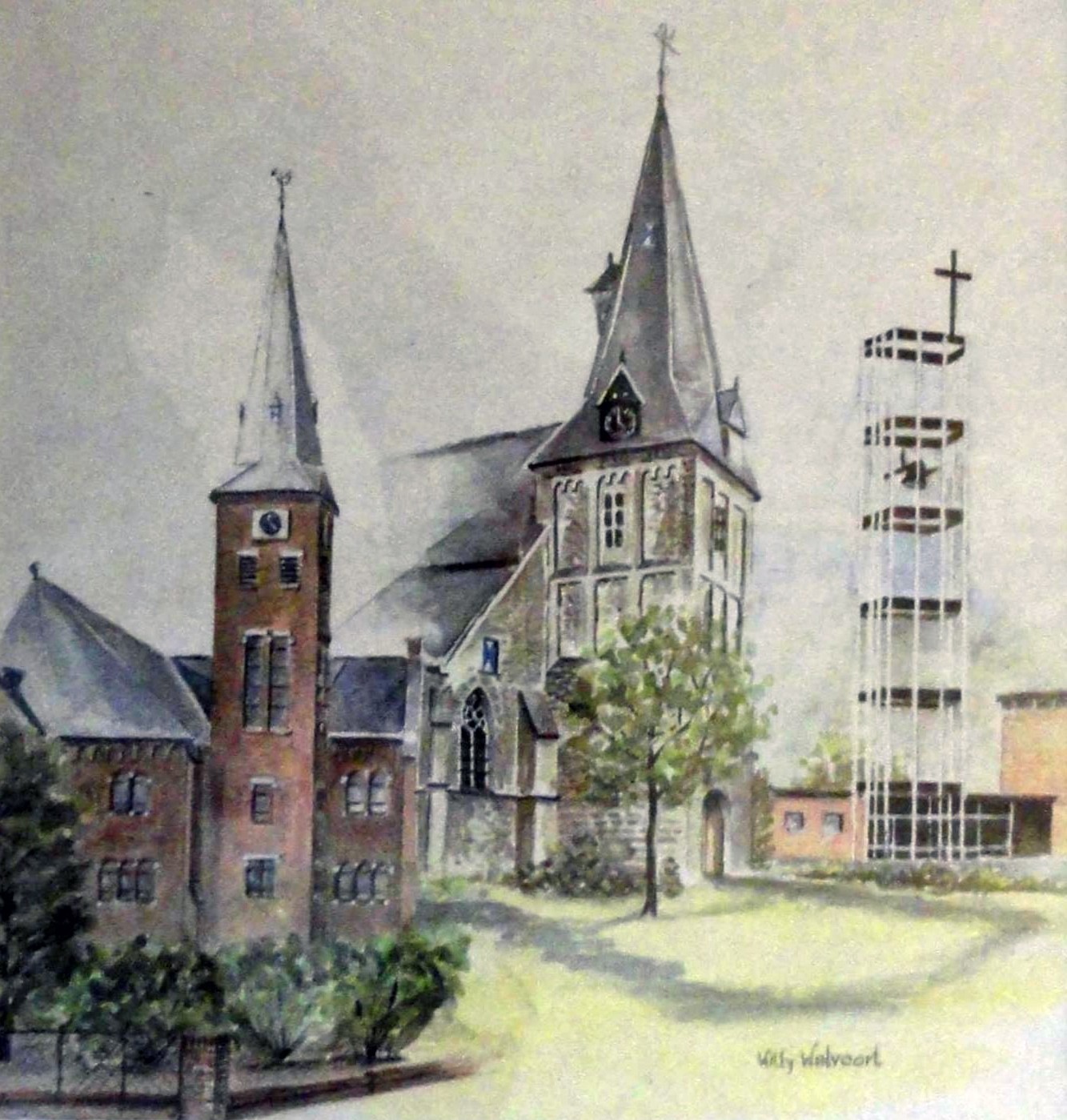
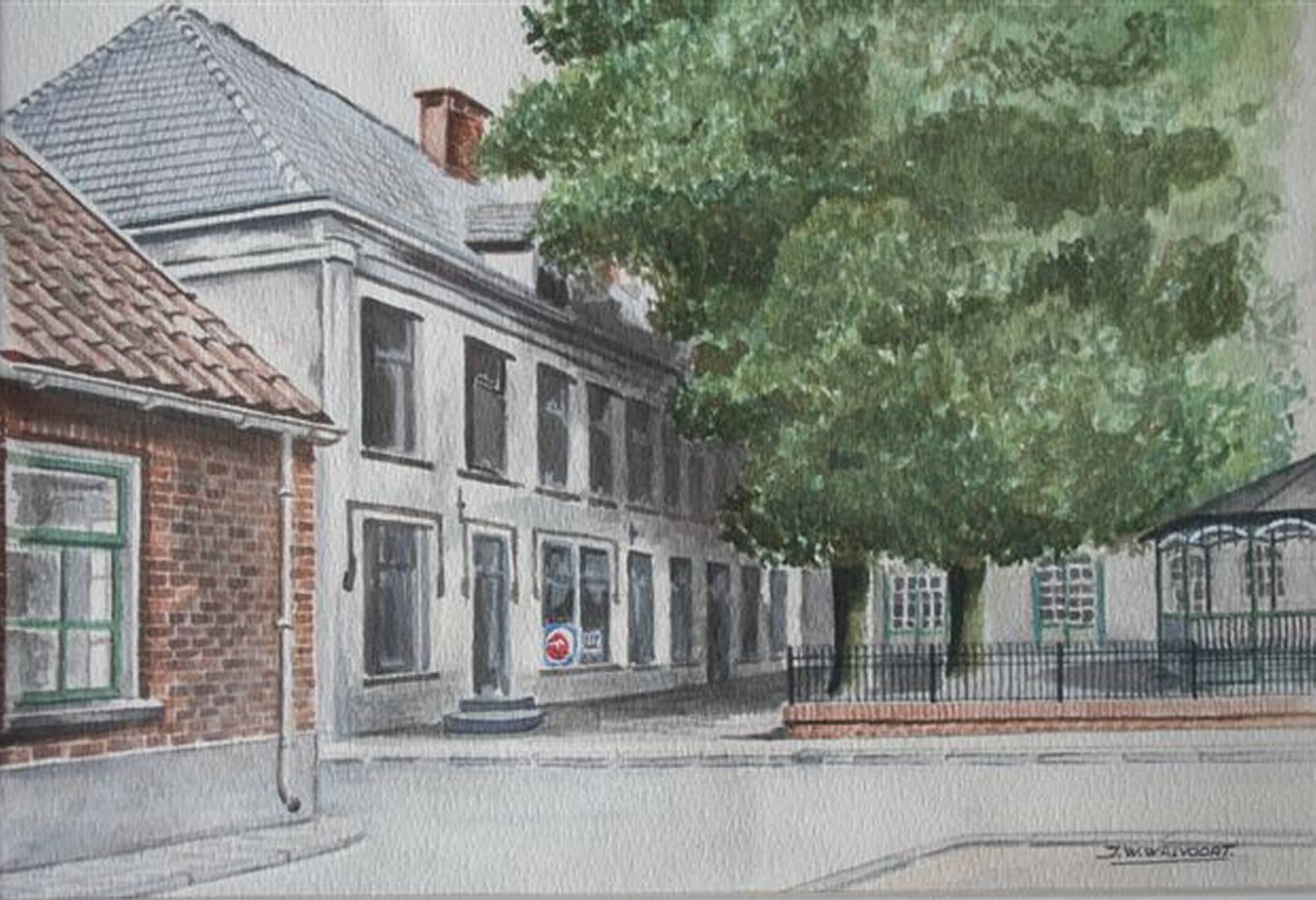
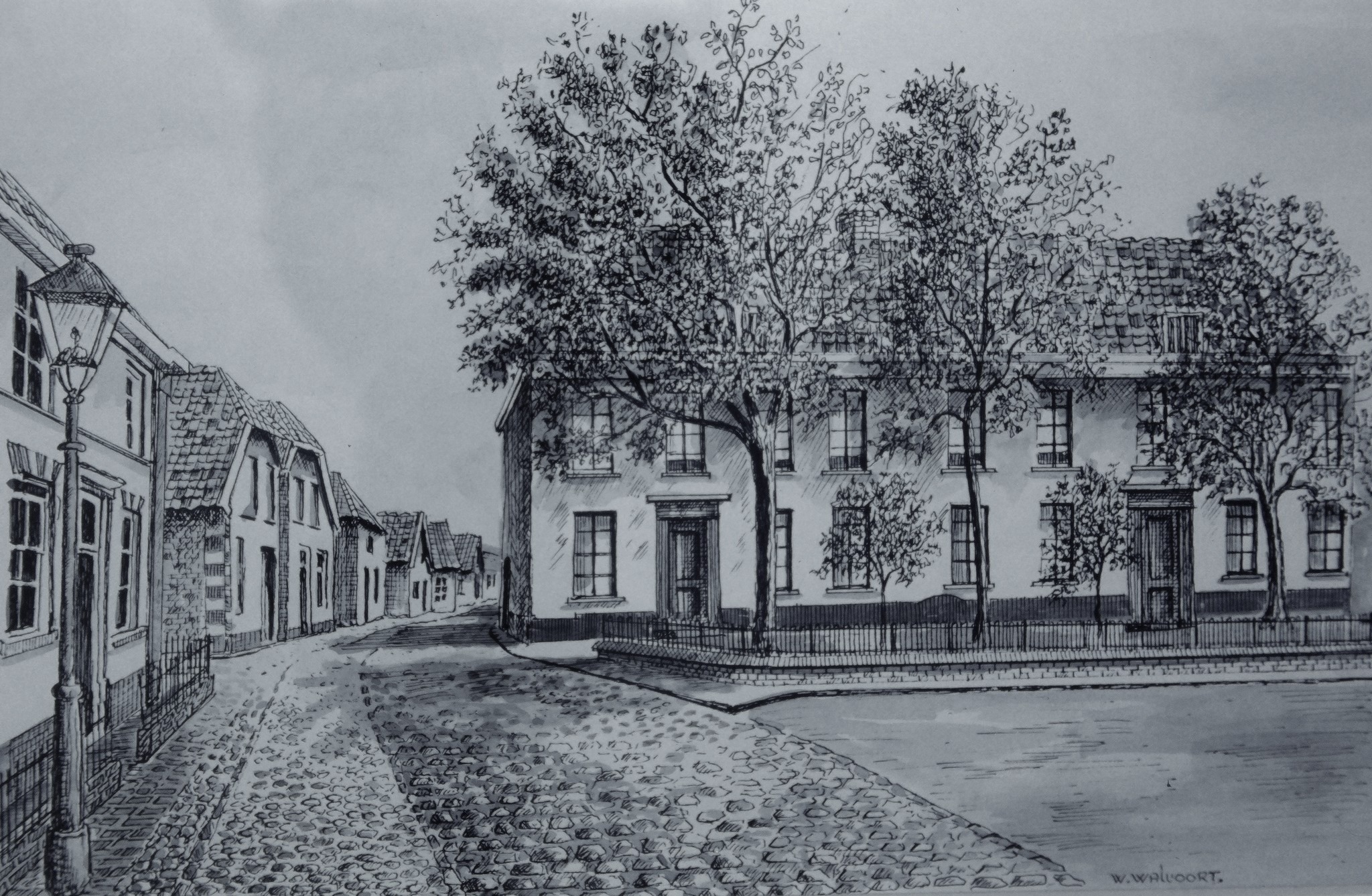
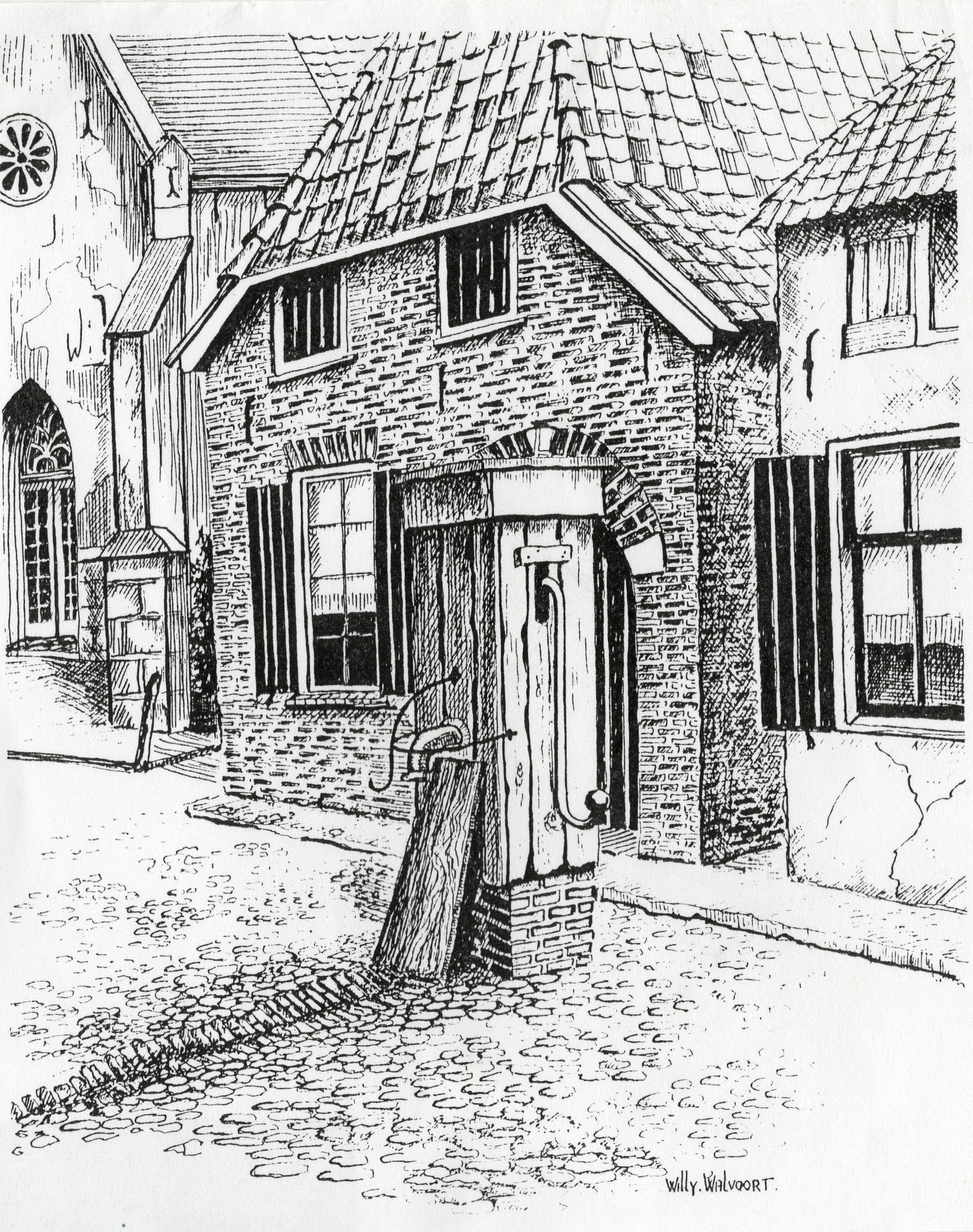
  • Willy Walvoort

    Willy Walvoort

    Jan Willem (Willy) Walvoort was born on July 17, 1935, in Aalten, as the son of factory worker Johannes Walvoort and Berendina Geertruida Prinsen. He worked professionally as a maintenance man for the Vereniging Volkshuisvesting (later De Woonplaats), but gained local fame as a draftsman and painter. Walvoort captured numerous locations in Aalten, Bredevoort, and the surrounding area. He passed away on January 16, 2018, at the age of 82.

    Youth, education, and profession

    Walvoort showed an interest in drawing and painting from an early age. Mr. Siebrands of the Public Primary School in Aalten advised Walvoort’s parents to send their son to the Art Academy. However, his parents were not in favor of this. They considered it more important to “learn a good trade to earn a living.”

    After primary school, he attended the Technical School, training in carpentry and masonry. Subsequently, he specialized in technical drawing. His career led him to the Volkshuisvesting, where he worked as a maintenance man for many years.

    Oeuvre of drawings, paintings, and illustrations

    Alongside his work, Walvoort steadily built an oeuvre consisting primarily of pen drawings and paintings featuring recognizable village and cityscapes. In a 1999 interview, he named the Achterhoek painter Piet te Lintum as his greatest inspiration—“the painting ambassador of the Achterhoek”. Modest as he was, Willy stated in an interview that an excessive amount of talent is not required to draw and paint. “If you are willing and able to put a lot of love and time into it, you will go a long way!”

    Walvoort gained fame as a book illustrator in 1995. He illustrated the reissue of Henk Krosenbrink’s novel Het Beloofde Land (The Promised Land). In 1997, he provided the cover illustration for Jos Wessels’ book: Nazareth en zijn katholieken (Nazareth and its Catholics). Nout Wellink, then president of the Dutch Central Bank and born in Bredevoort, was presented with the first copy.

    Final years and passing

    In the final stage of his life, Walvoort spent some time in a nursing home in Varsseveld. He passed away on January 16, 2018; the funeral took place in private. Hundreds of drawings and paintings in private and local collections keep the memory of this artist alive.


    Gallery

    A selection of work by Willy Walvoort:

  • Anton Kuijsten

    Anton Kuijsten

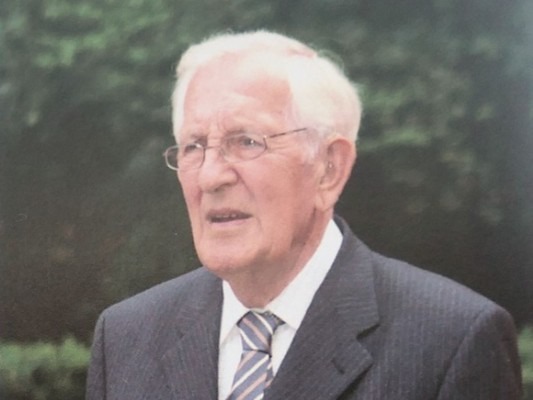
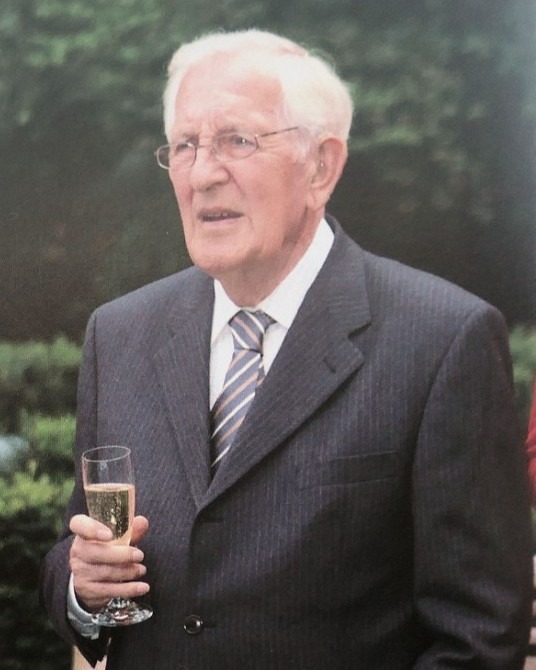
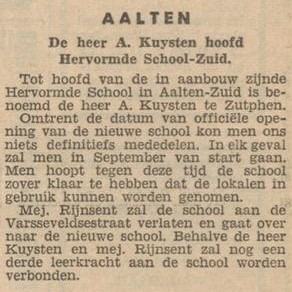
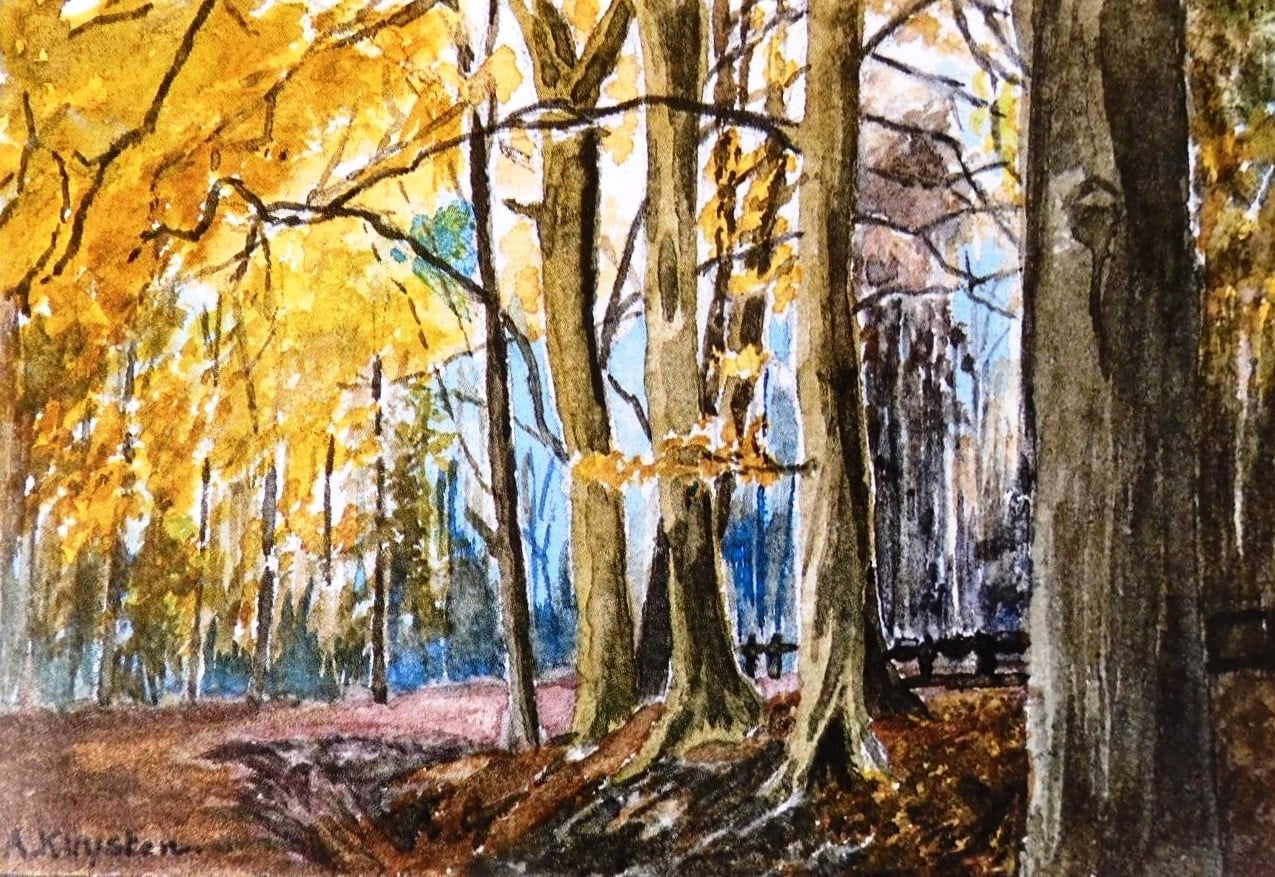
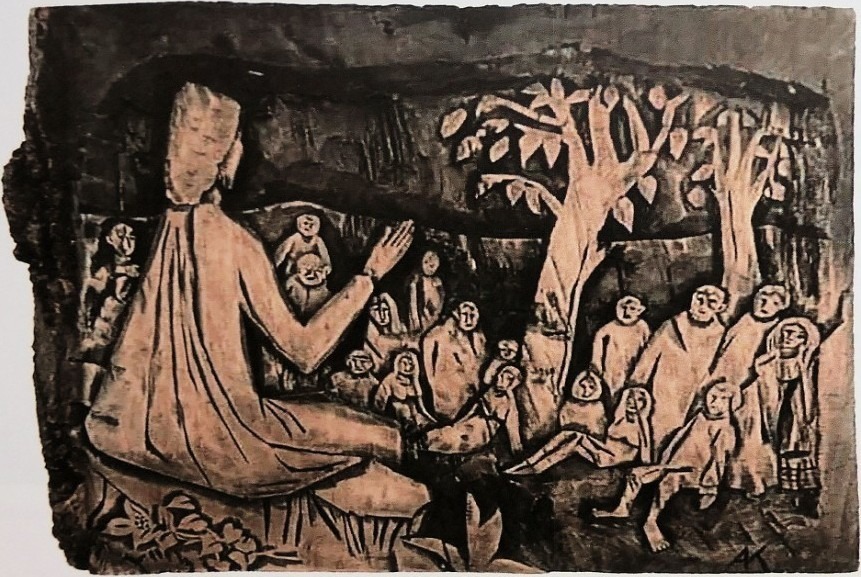
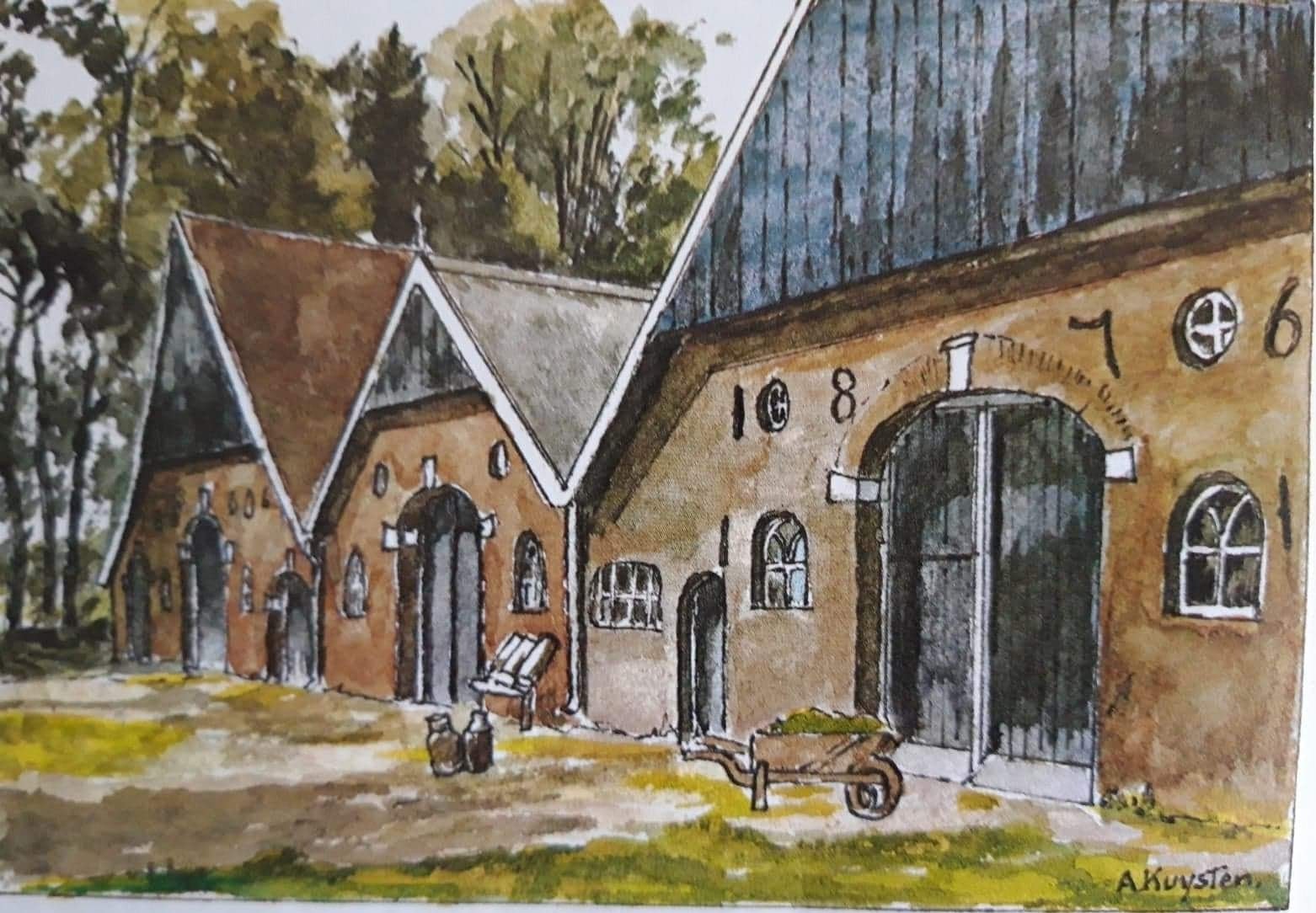
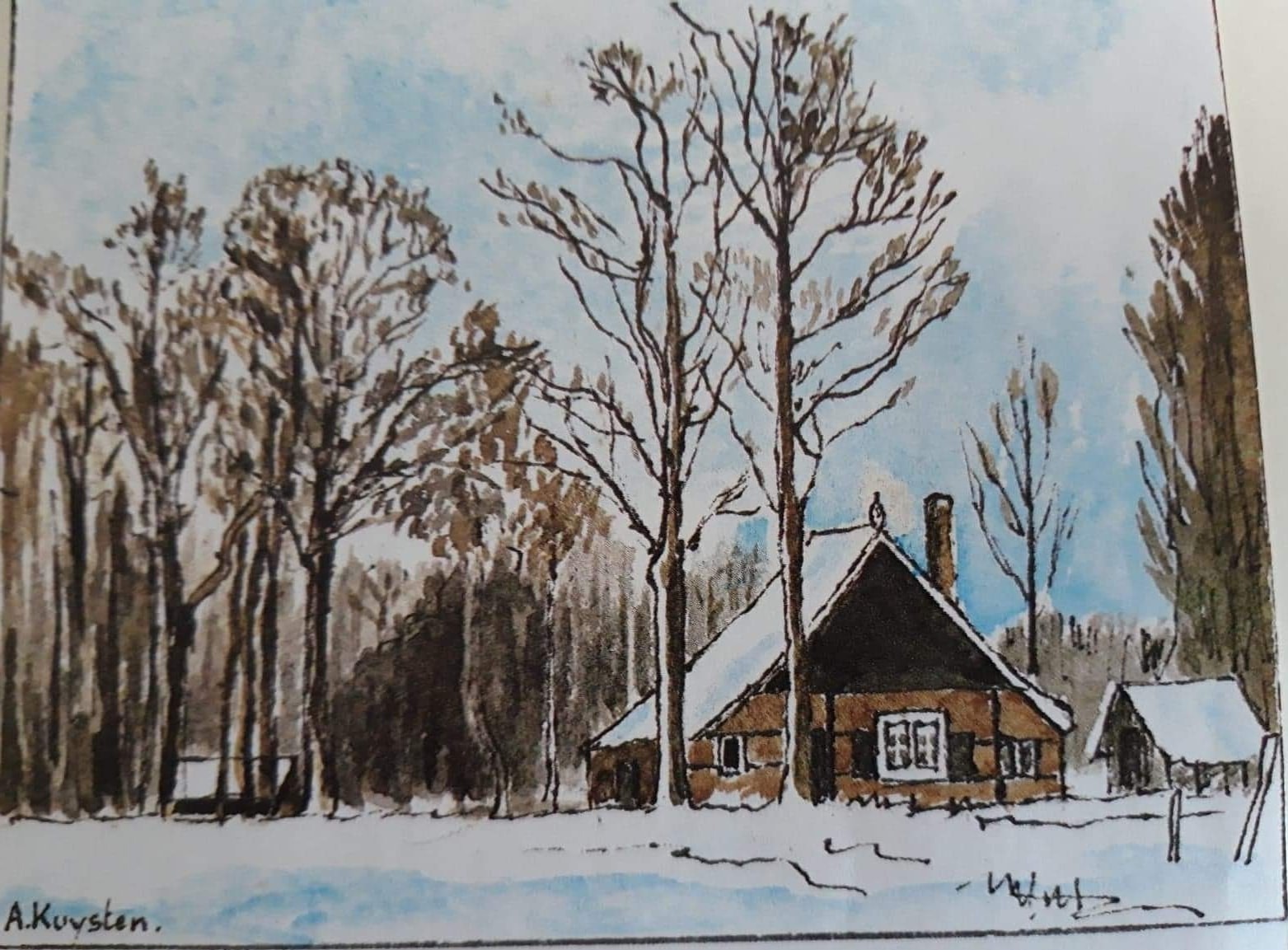
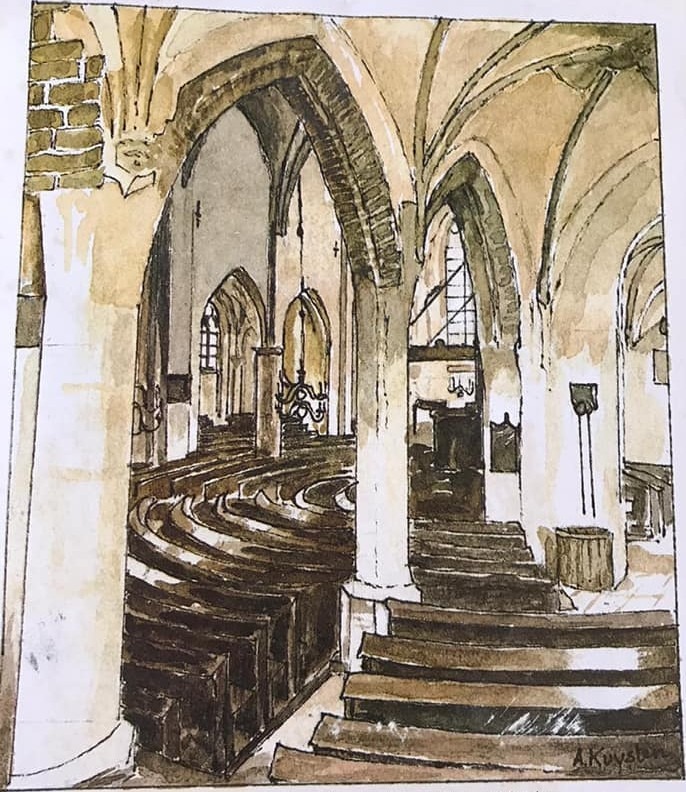
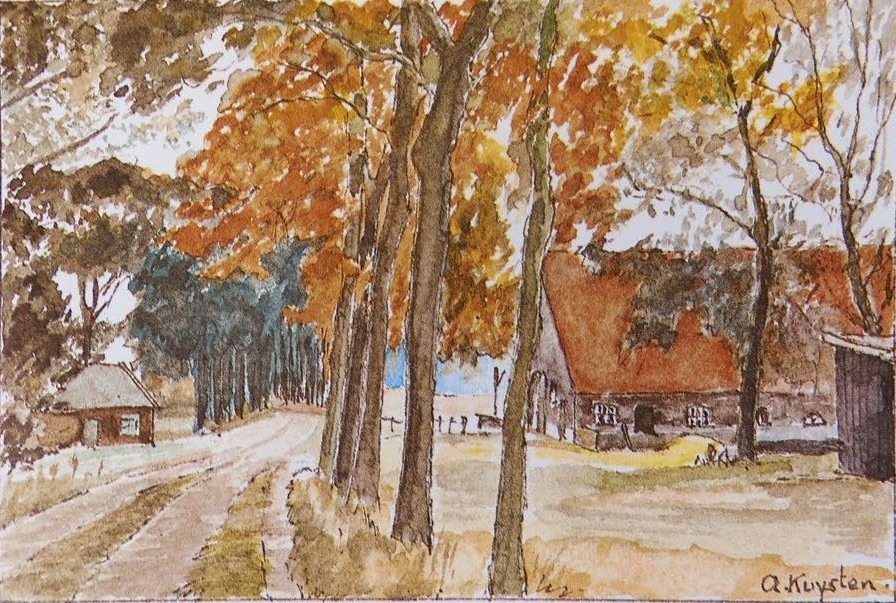
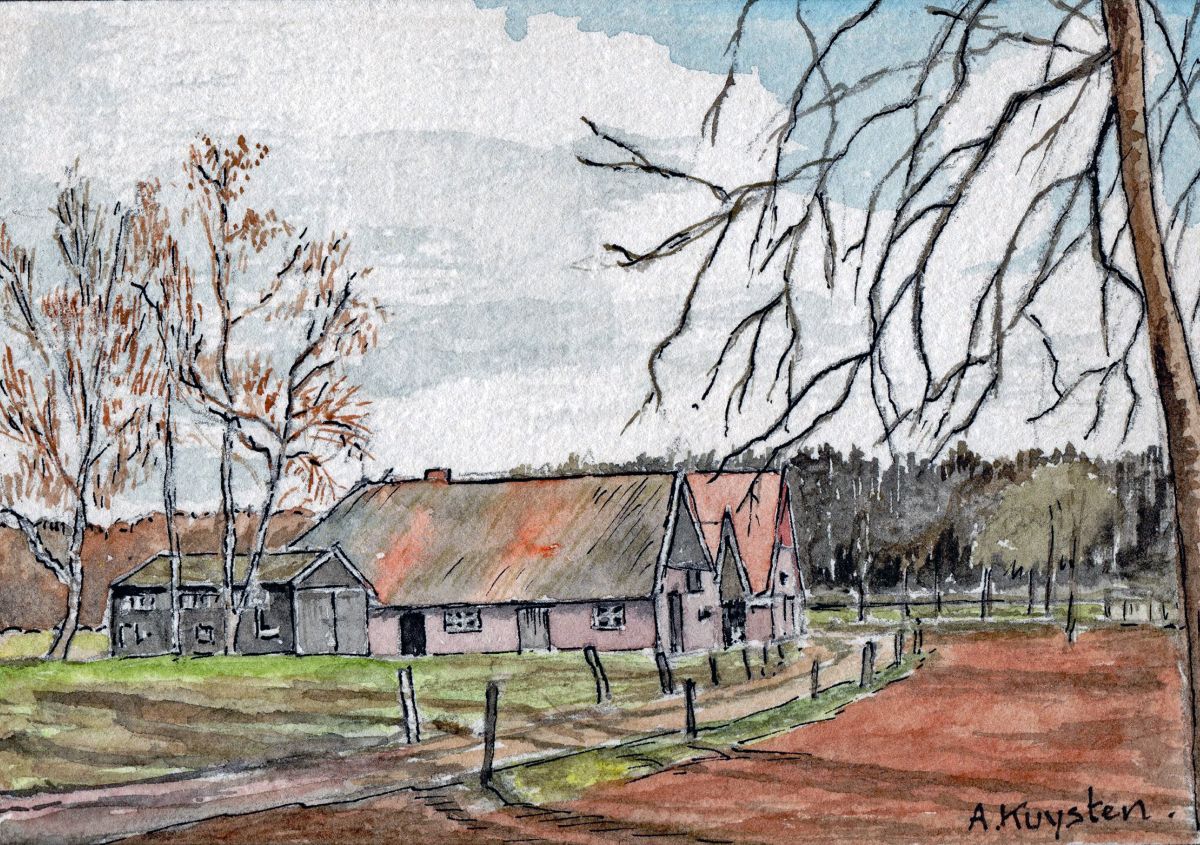
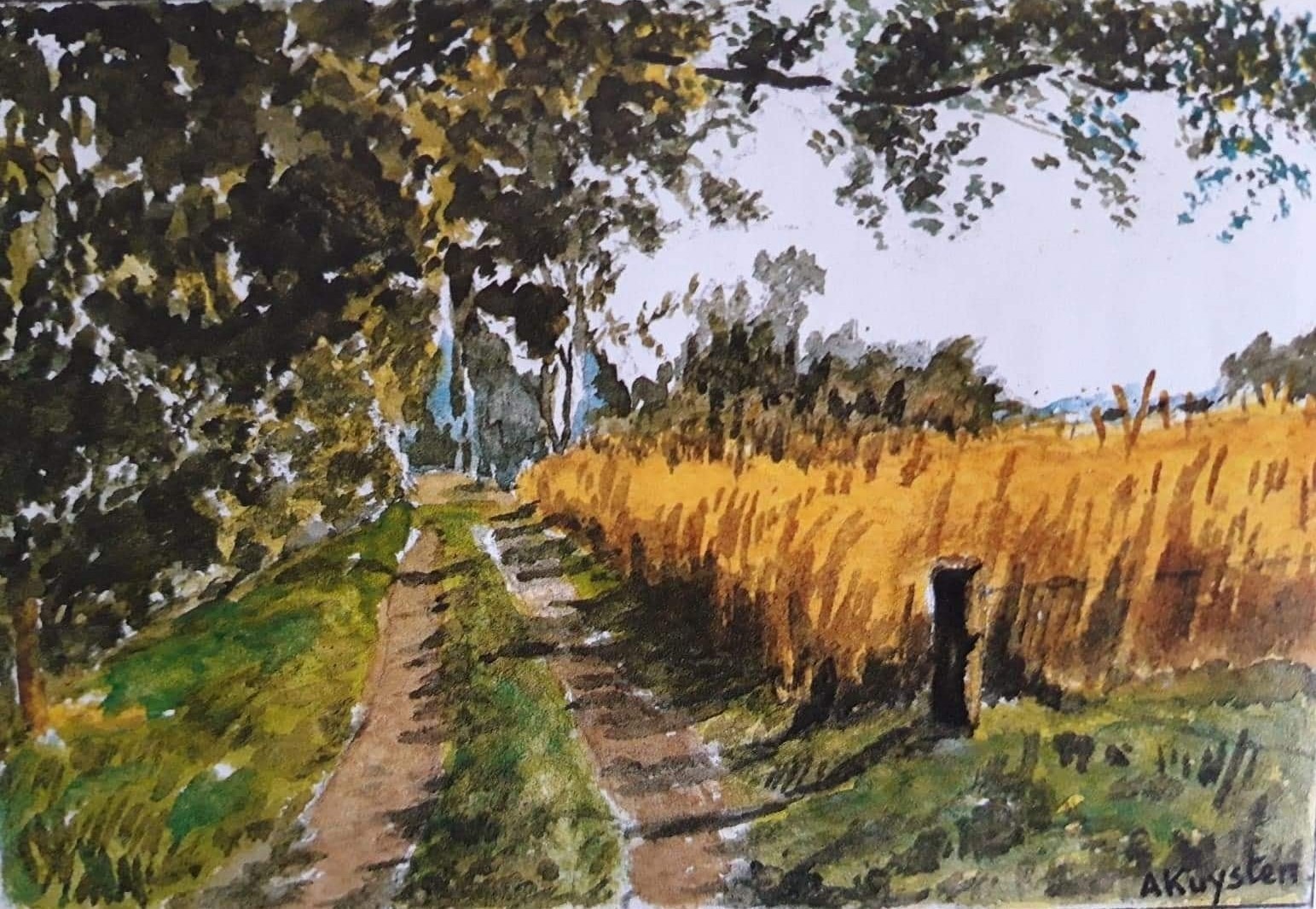
    Antonie (Anton) Kuijsten (1917–2007) was a teacher and headteacher in Aalten, as well as a self-taught woodcarver, draughtsman and watercolourist. From its founding until his retirement, he led the Reformed (Hervormde) School Aalten-Zuid (later renamed De Broekhof). His surname is also frequently spelt as Kuysten.

    Kuijsten was born on 5 October 1917 in Huizen. His mother passed away when he was eight years old, but thanks to the way his father supported the family and the live-in housekeeper who remained with them for a long time, he still enjoyed a happy childhood.

    After graduating from the teacher training college (kweekschool) in Amsterdam, Kuijsten taught at various locations, including Naarden, Muiden, Rheden—where he met his future wife—and Zutphen. During the final months of the occupation, he went into hiding to avoid being forced to work for the occupying forces. On 11 April 1947, he married Hendrina Groenewoud in Rheden.

    Upon the opening of the 2nd Dutch Reformed School Aalten-Zuid in 1954 (which later became the Broekhofschool), he was appointed as headteacher. Kuijsten was renowned as a storyteller who brought history lessons to life “as if he had been there himself”. By 1967, the family was living at Wilhelminastraat 4 in Aalten. He was also highly active within the Protestant Church: for over twenty years, he led the children’s church services in Aalten-Zuid, and he served as an elder for a period of time.

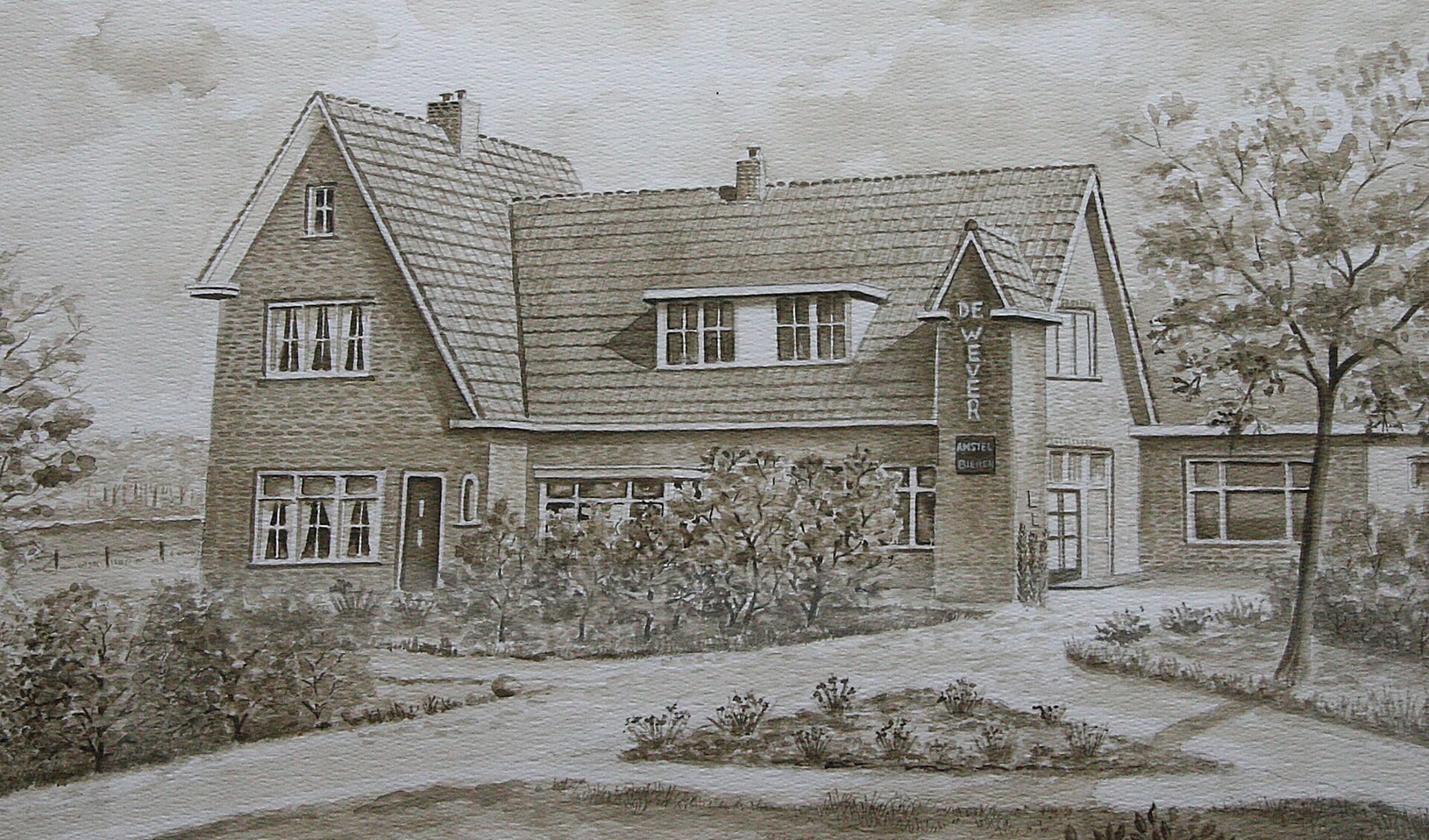
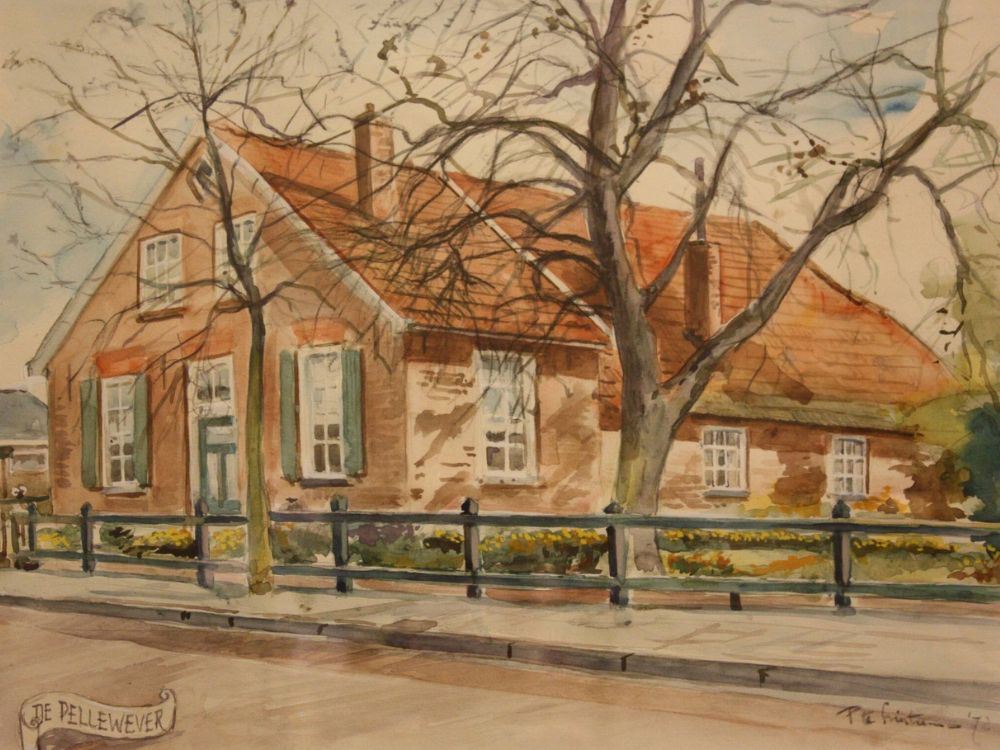
    Alongside his teaching career, Kuijsten developed his skills as a self-taught woodcarver, draughtsman and painter. In addition to watercolours, he produced drawings using liquid watercolour (ecoline). He also created items such as birthday calendars. He is featured in the book Kunstig Aalten (2021), an overview of artists from Aalten compiled by Leo van der Linde.

    The sudden death of his wife in 1987 was a profound loss. For several years, he laid down his brush and pencil, though he fortunately managed to resume his creative work later on. In the final phase of his life, he faced frail health. Following an admission to the hospital in Winterswijk and a short stay at the ’t Hoge Veld care home, he ultimately passed away in hospital. The funeral took place on 1 December 2007, following a thanksgiving service at the Old Helenakerk in Aalten. He was laid to rest at the Berkenhove cemetery.

    Gallery

    A selection of works by Anton Kuijsten:

  • Joop and Truus Doodeheefver

    Joop and Truus Doodeheefver

    Joop and Truus Doodeheefver were an artist couple who moved from Amsterdam to Aalten in 1973 and remained active there for decades. In Aalten, Joop (1924–2001) focused on drawings and transparent watercolours of landscapes and farms. Truus (1928–2004) created portraits, animal figures and independent work in bronze, aluminium and wood. They regularly exhibited together within the region and further afield.

    Johannes Christoffel (Joop) Doodeheefver was born in Amsterdam on 6 June 1924. He trained in the studio of Nel Fernhout and worked for approximately thirty years as a designer-colourist at his father’s wallpaper factory, the firm Rath & Doodeheefver. In 1945, he married Truus Kremer.

    Geertruida Jeannette Frederika (Truus) Kremer was born in Leiden on 15 February 1928. Shortly afterwards, the family moved to Amsterdam. She learned sculpting from Adrianus Remiëns and married Joop Doodeheefver in 1945.

    Move to Aalten

    The couple had long cherished the desire to one day leave hectic Amsterdam behind and settle in the “as yet unspoilt east”. In 1973, they put their words into action and settled with their family at the monumental farmhouse De Kiefte in the Aalten hamlet of Heurne.

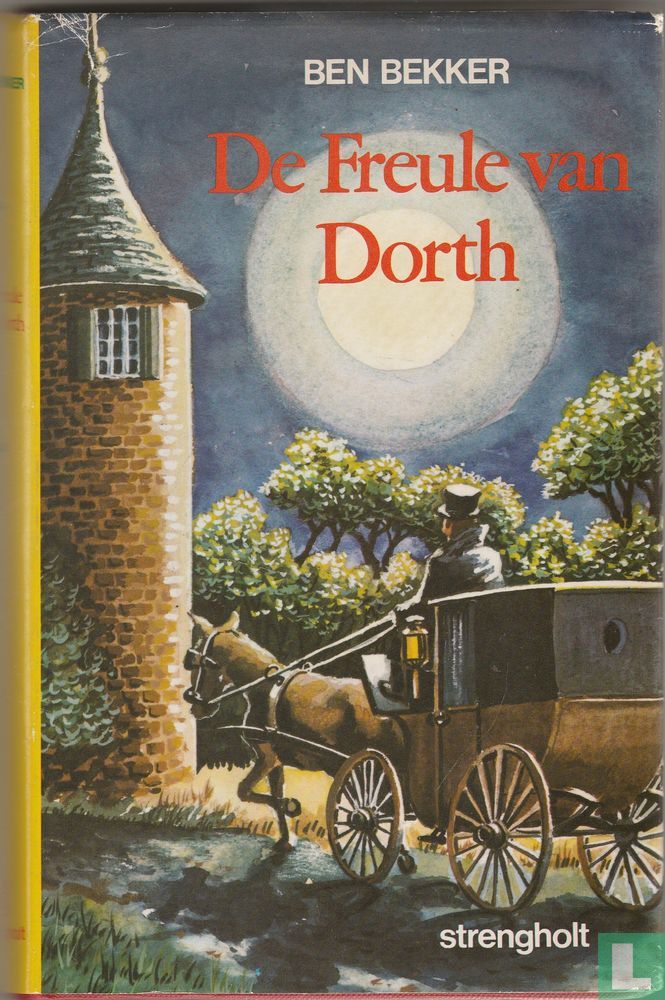
    Here, Joop dedicated himself to sketching and painting watercolours of the surrounding landscapes and farms. He also undertook a great deal of commissioned work to capture objects, individuals and landscapes for future generations. Additionally, he provided the illustrations for the book De Freule van Dorth (The Noblewoman of Dorth), written by Ben Bekker (1974).

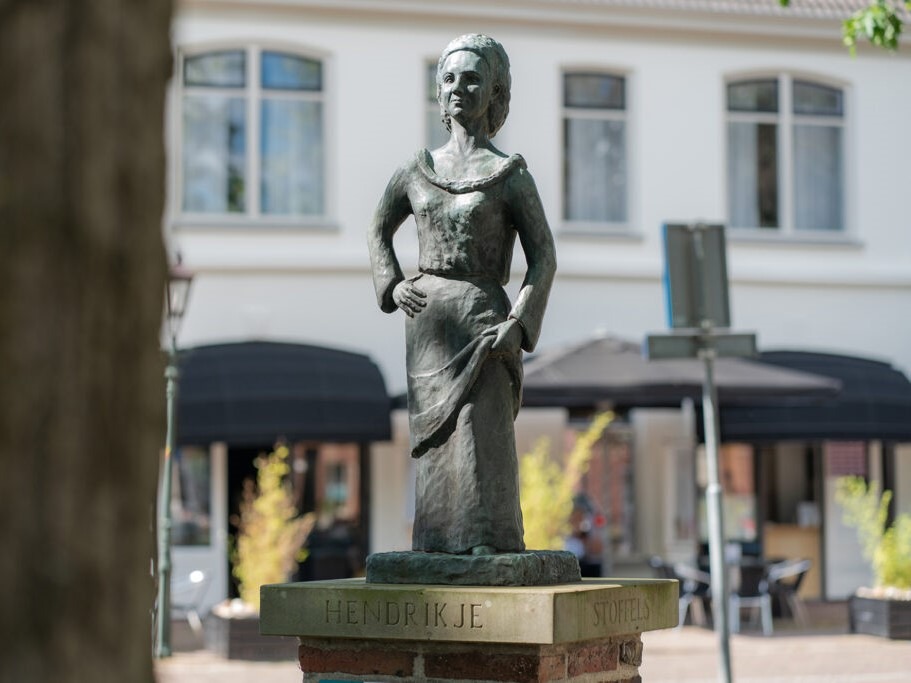
    Truus sculpted naturalistic portraits and animal figures, and also produced woodcarvings. A well-known piece by her hand is the statuette of Hendrickje Stoffels at ’t Zand in Bredevoort (1977).

    They exhibited successfully both jointly and individually, both in the Netherlands and abroad.


    Gallery

    A selection of works by Joop and Truus Doodeheefver:

  • Piet Bloot

    Piet Bloot

    Pieter (Piet) Bloot (1924–1982) came to Aalten from the bombed city of Rotterdam in the summer of 1940 as a sixteen-year-old boy. On the initiative of the Calvinist (gereformeerde) minister Th. Delleman—formerly a minister in Aalten and later in Rotterdam-Kralingen—an appeal was published in the Aalten church magazine to offer Rotterdam children from affected families a carefree summer holiday. Piet was one of the fortunate ones.

    What began as a holiday turned into a five-year stay. During this period, Bloot worked in the horn industry in Aalten. Because he had a passion for drawing, he returned to Rotterdam after the liberation, where he studied commercial drawing at the Academy of Fine Arts.

    However, Piet could no longer settle in Rotterdam and returned to the Achterhoek region at the end of 1947. He went to work for the electrical installation company ERBA Van Lochem in Aalten. In September 1949, he met Johanna Wildenbeest, who was born at the De Kiefte farmhouse in De Heurne. They married in 1952 and had three children.

    In the early 1950s, Bloot and his colleague Leendert Rhebergen started their own business at the bottom of the Hogestraat: Rhebergen en Bloot, an electrical installation company with a shop selling electrical appliances.

    Piet Bloot passed away on 30 January 1982, aged 57, and was buried at the Berkenhove cemetery.
    Publications

    In 2016, the Fagus publishing house released Zo ik niet had geloofd, brieven van mijn moeder (Had I Not Believed: Letters from My Mother), based on around 160 letters and postcards his mother had sent him from Rotterdam between 1940 and 1945, supplemented by his own memories. Bloot is also featured in Kunstig Aalten (2021), an overview of artists from Aalten compiled by Leo van der Linde.


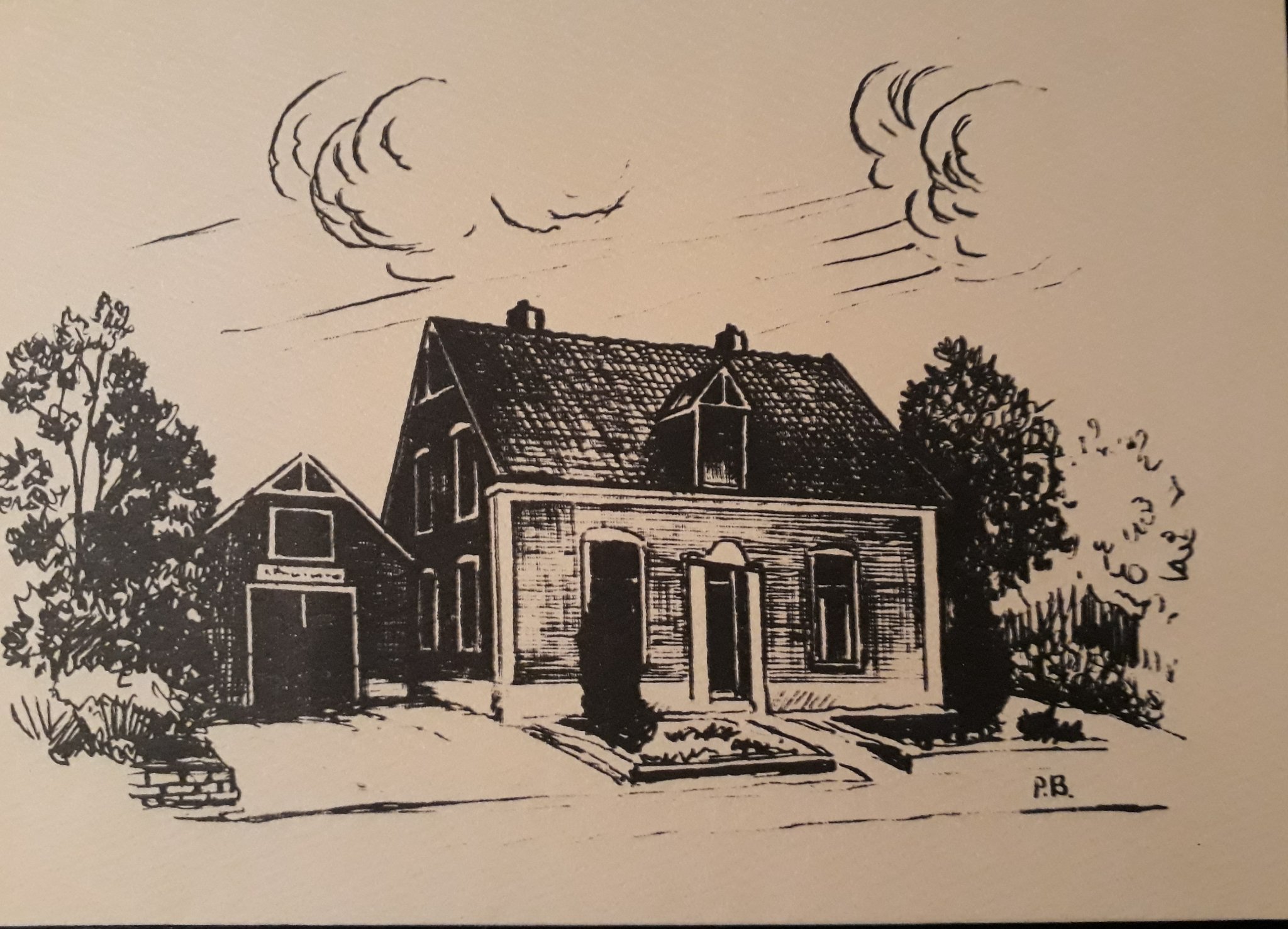
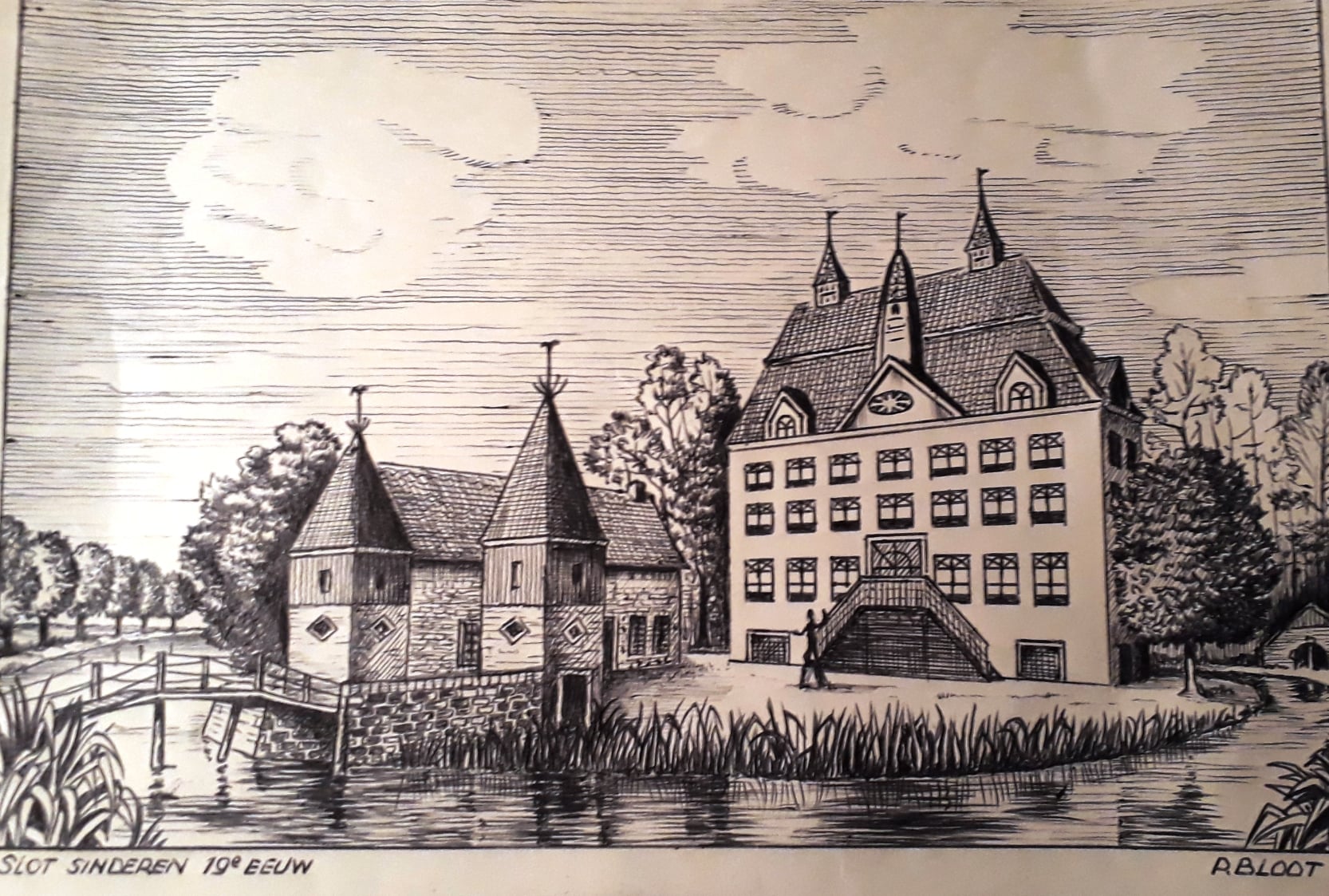
    Gallery

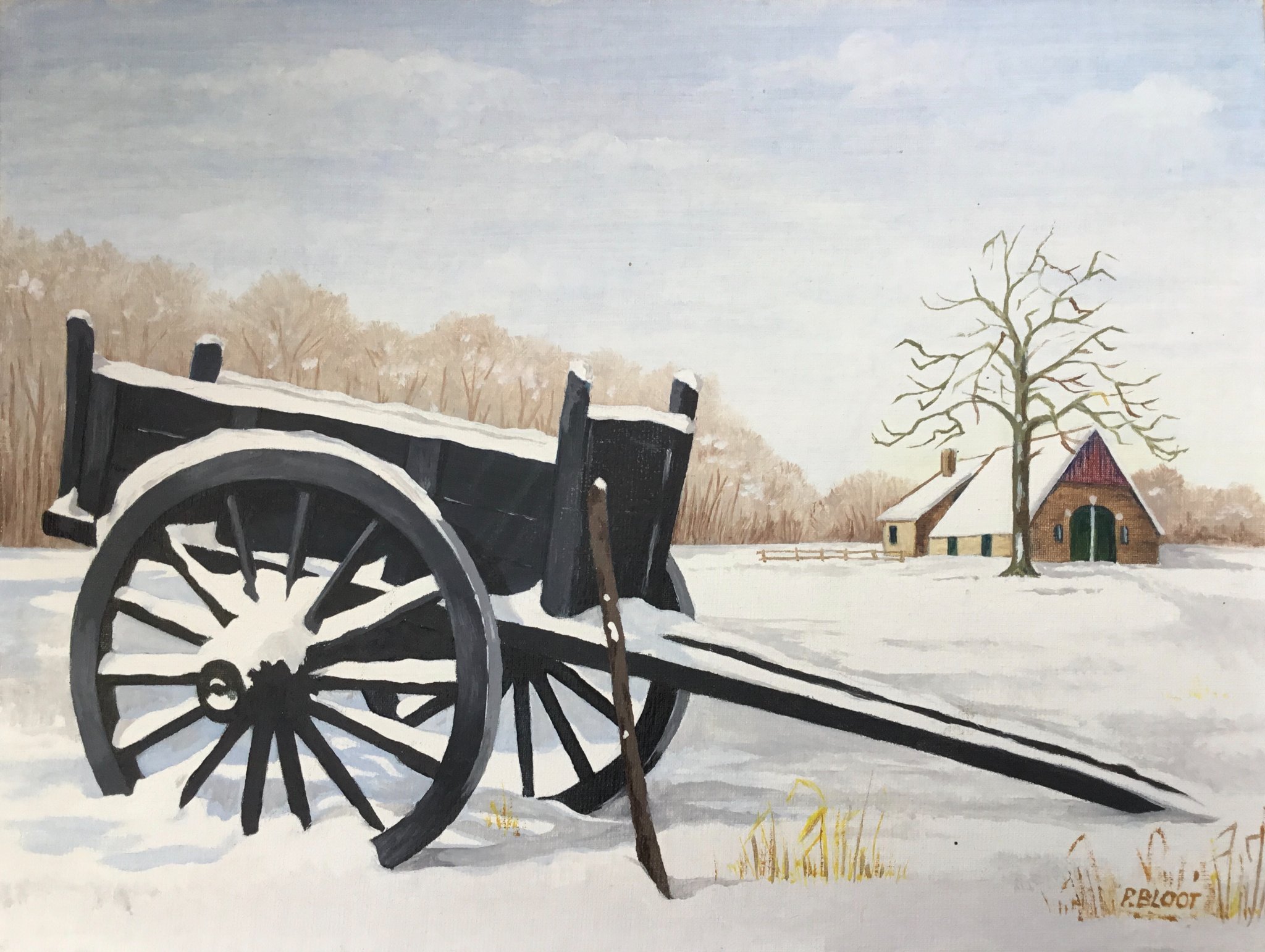
    A selection of works by Piet Bloot:

  • Wilhelm Albertus Lammers

    Wilhelm Albertus Lammers

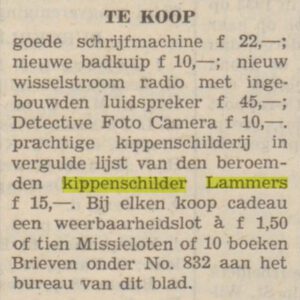
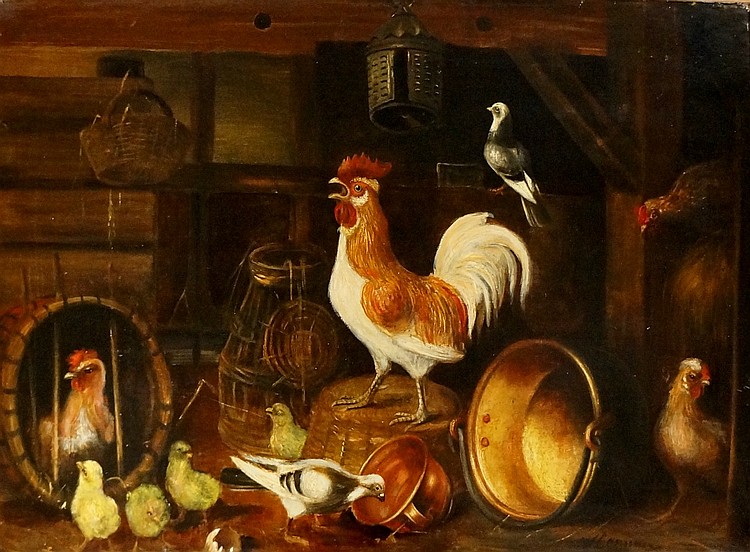
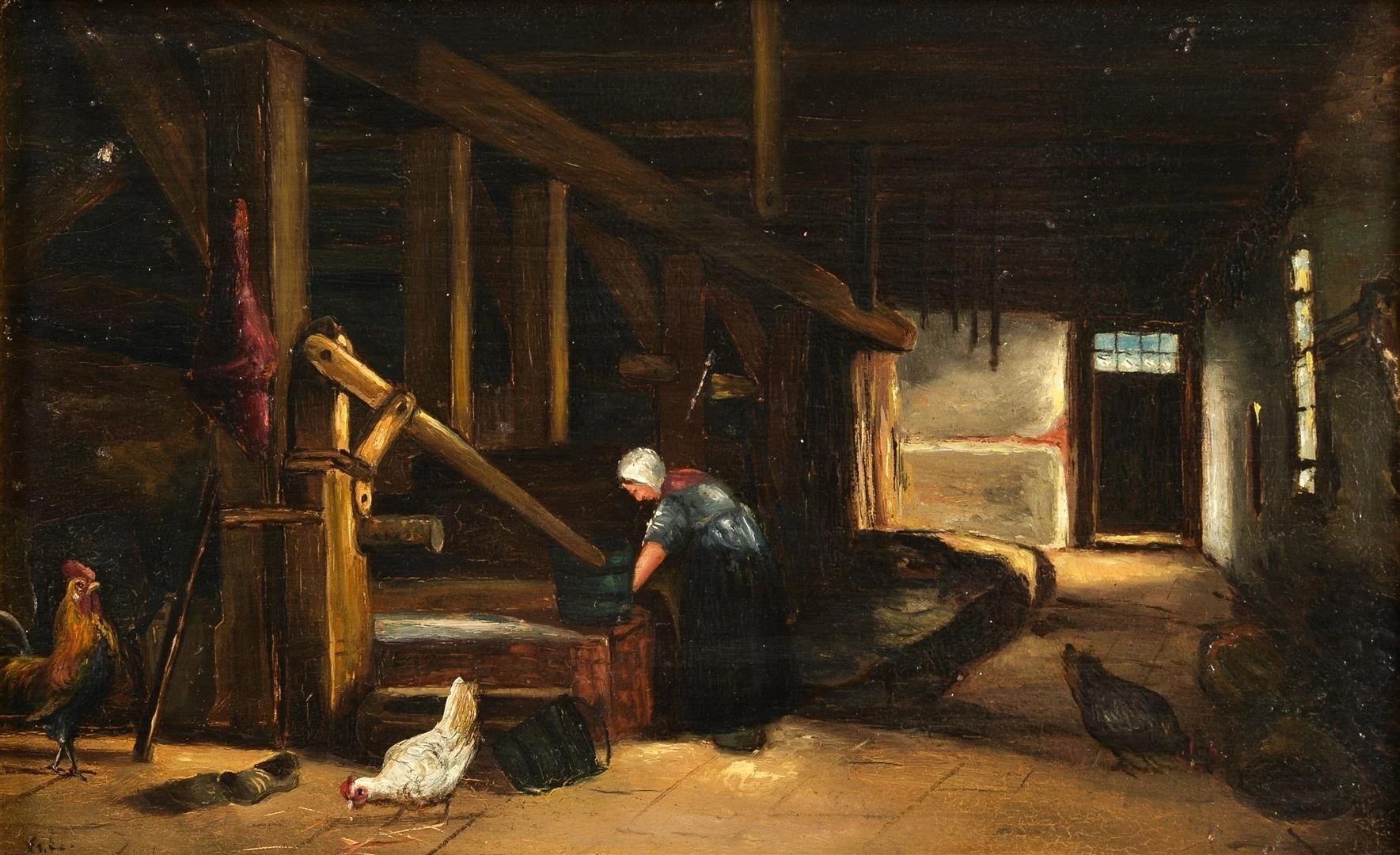
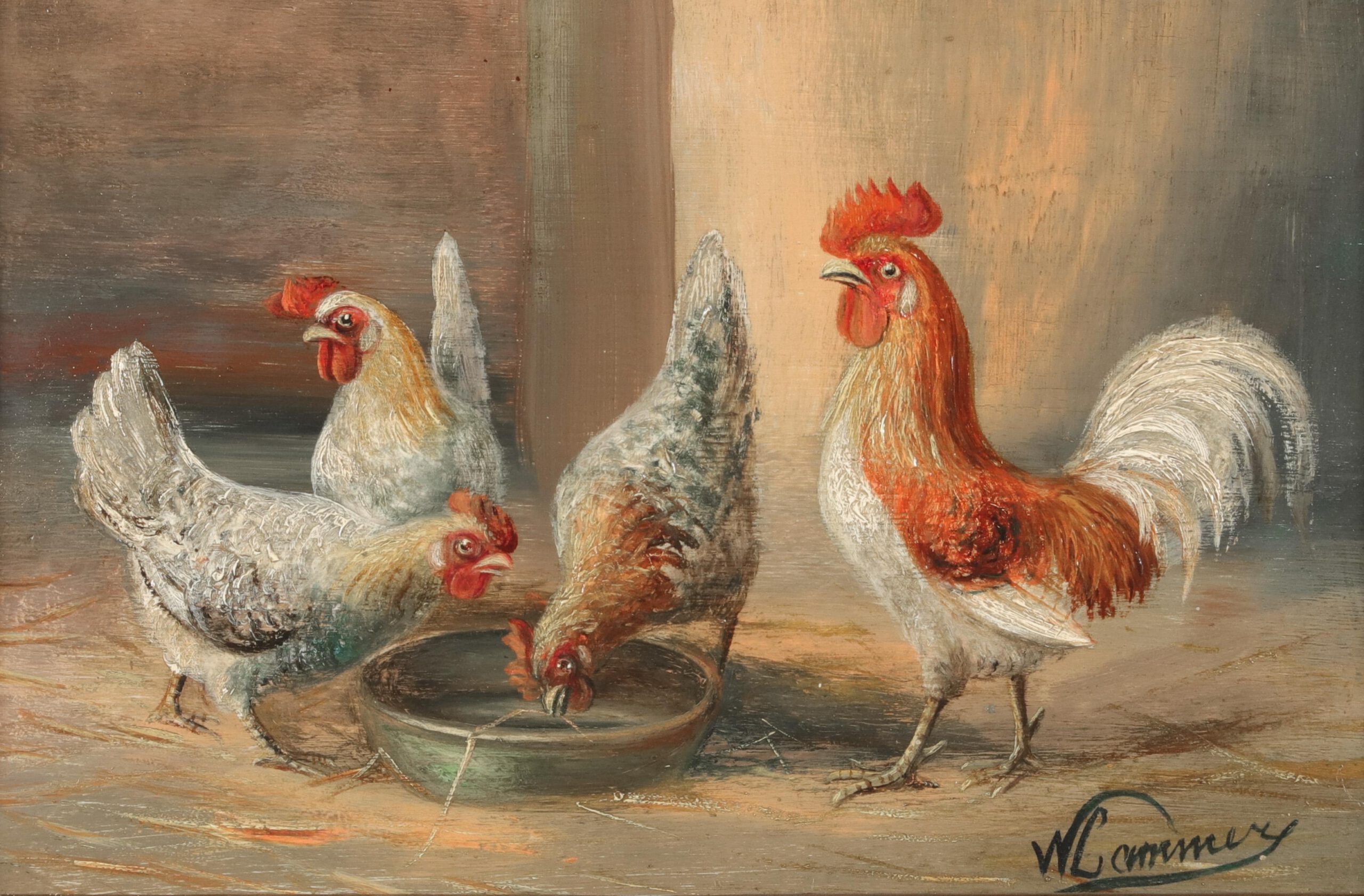
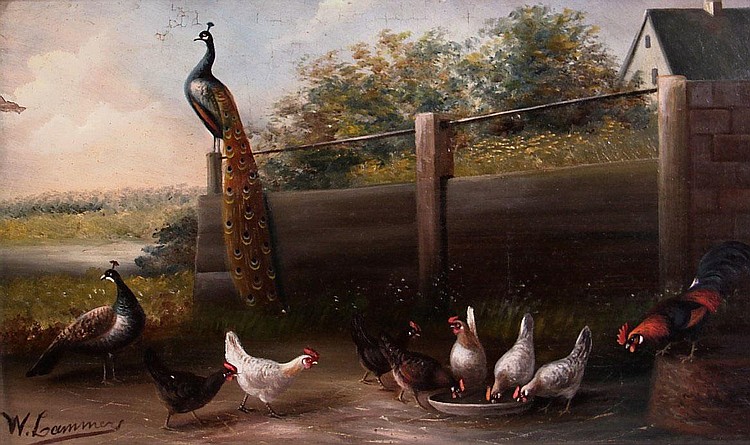
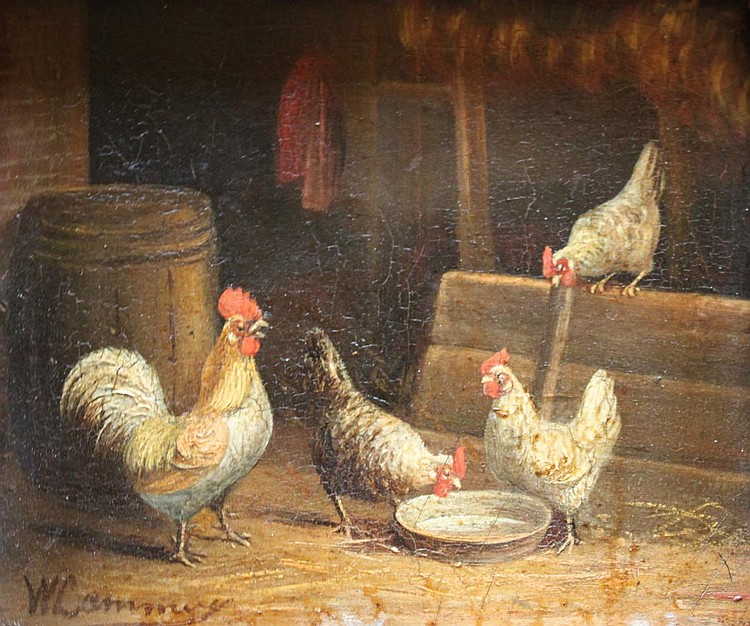
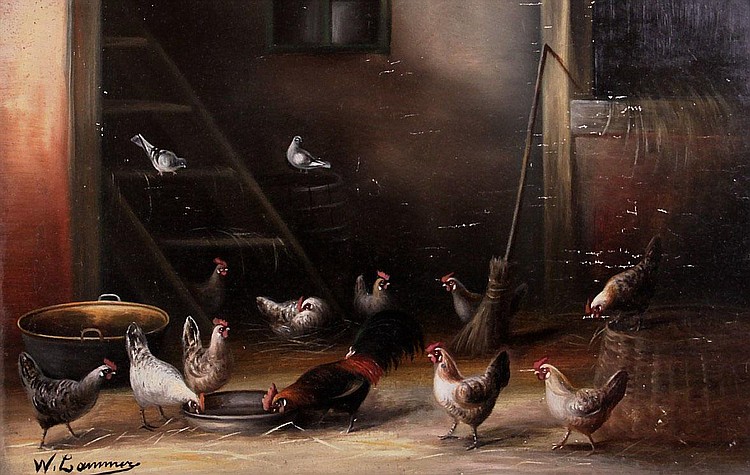
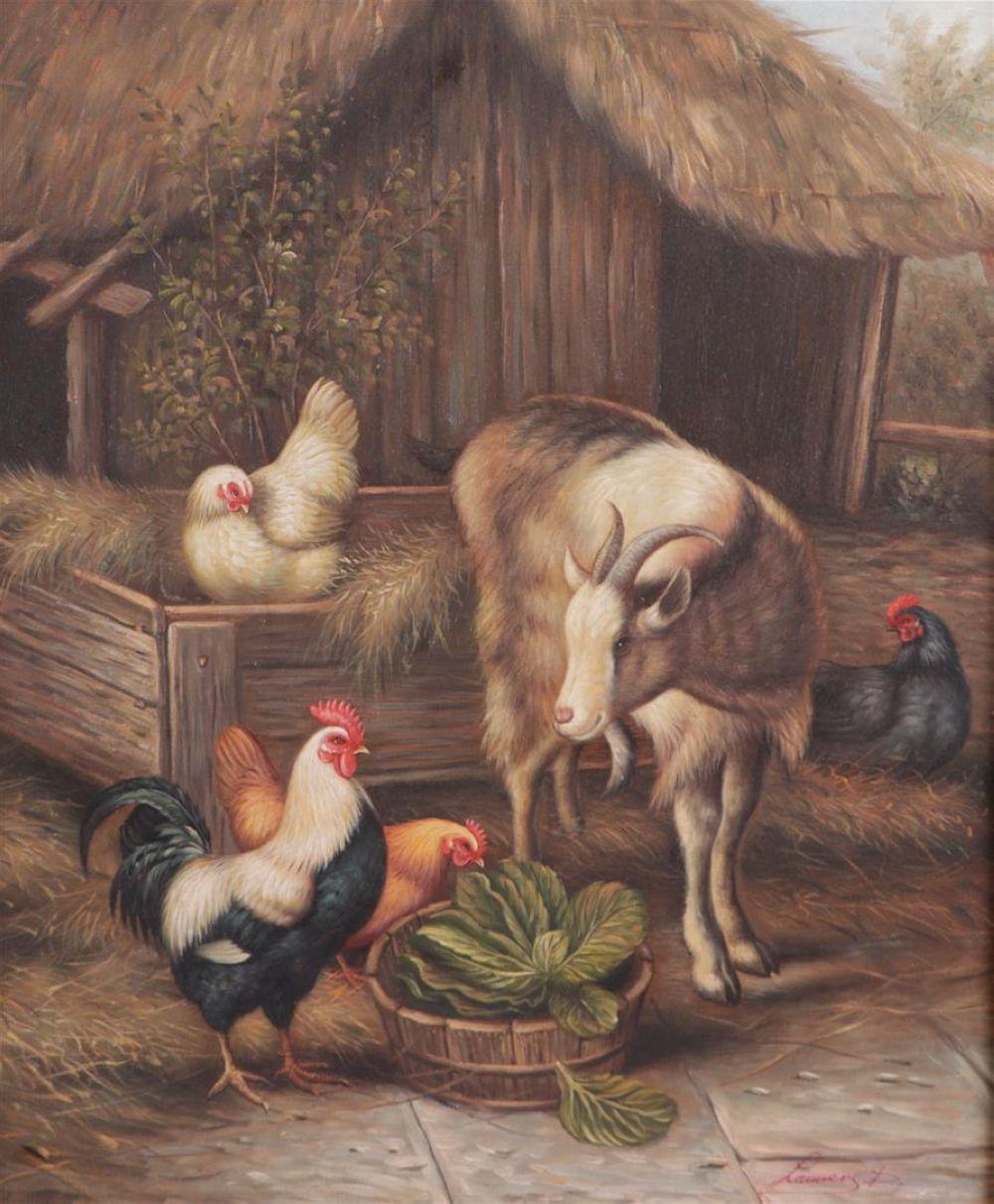
    Wilhelm Albertus (Willem) Lammers (Aalten, 1857 – Ginneken, 1913) was a Dutch painter with a remarkable specialisation: poultry scenes. Until the end of the 19th century, hardly any attention was paid to the living conditions of poultry. Chickens typically slept in a farm barn or in trees. The painter managed to capture this vividly on canvas.
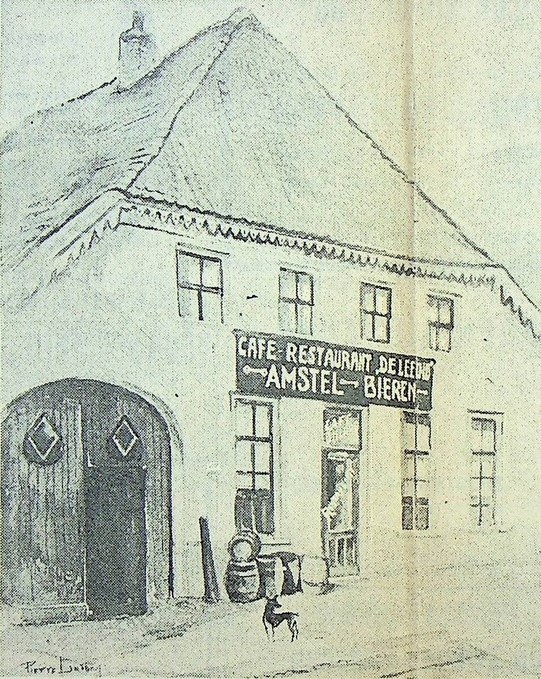
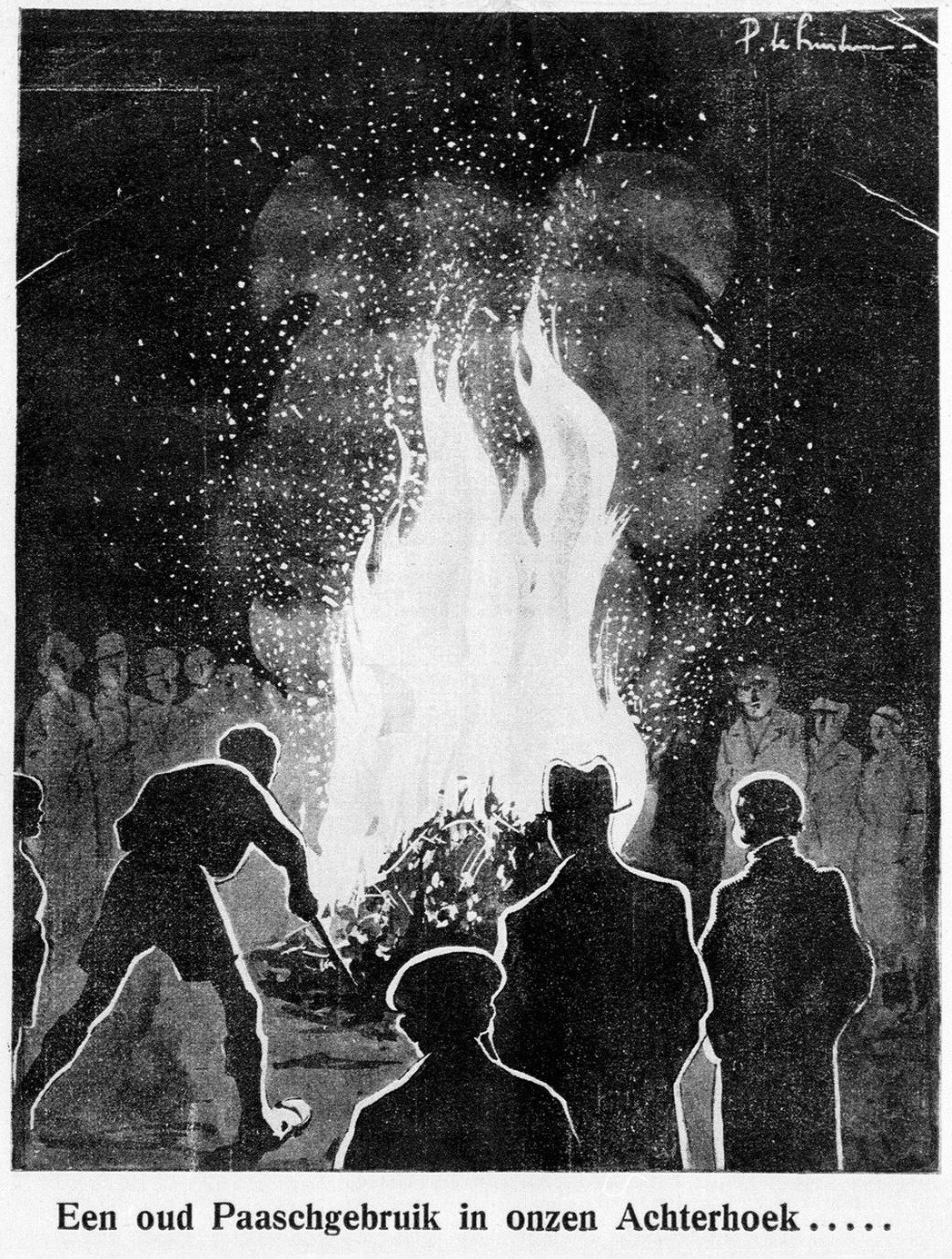
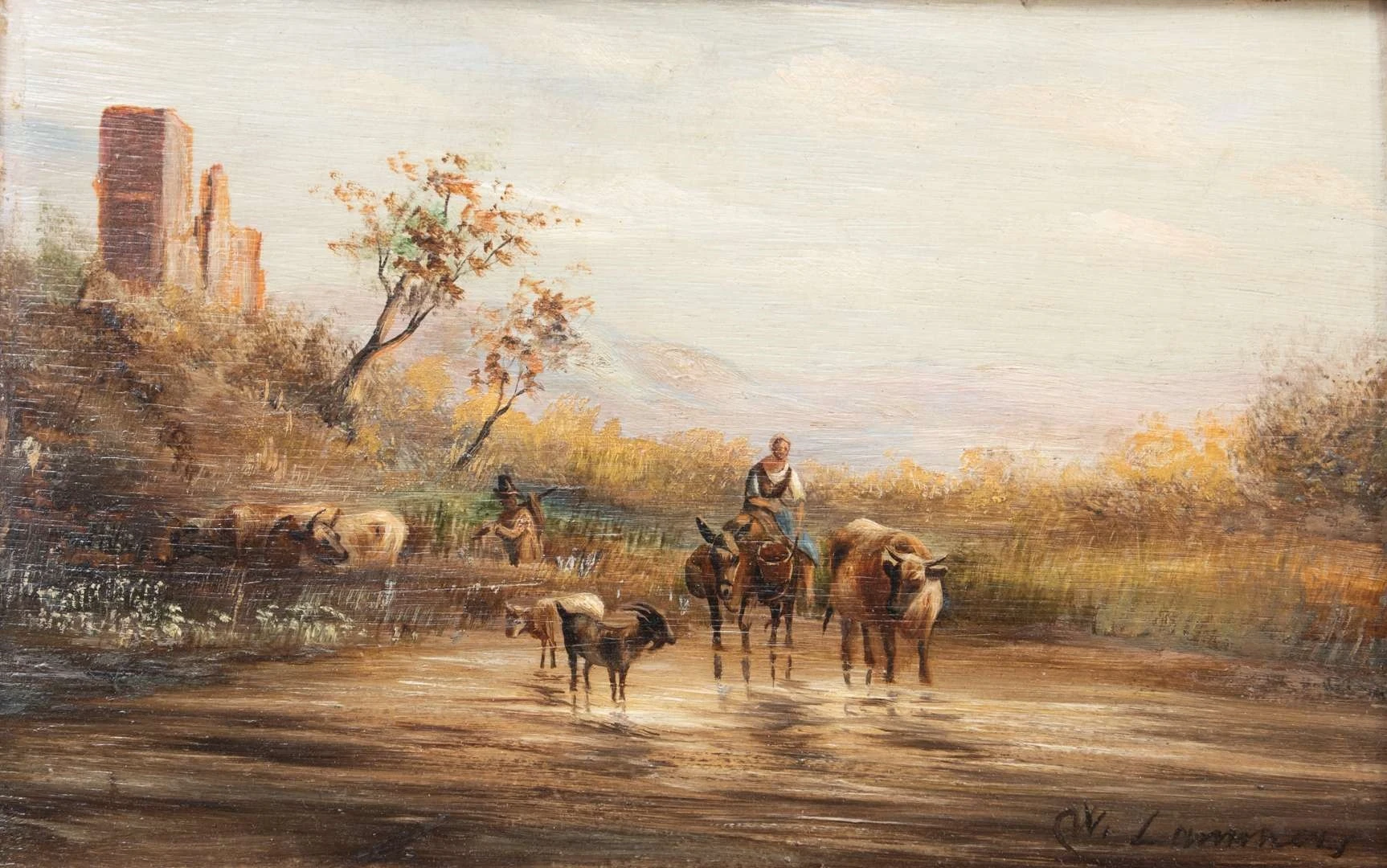
    Lammers was born on 3 April 1857 at the Schulenkamp farm in the Dale hamlet near Aalten, as the son of Albertus Lammers and Theodora Huls. The family moved several times within Aalten – first to Kerkstraat, then to Dijkstraat and Hoekstraat. Willem Lammers was initially a shoemaker by trade. In 1880, he left for Gaanderen, and a few years later, he lived in Amsterdam.

    In 1887, the Court-Martial in ‘s-Hertogenbosch sentenced him to four months of military detention for desertion. Upon his registration, his occupation was recorded as painter, his religion as Roman Catholic, his height as 1.66 m, with blonde hair, blue eyes, and a curly beard.

    On 24 July 1890, Lammers married Wilhelmina van den Akker in Breda. The couple lived briefly in Aalten (Dijkstraat) and moved to Breda in April 1891. Eight children were born there: seven daughters—one of whom was stillborn—and one son. Lammers passed away on 4 February 1913 in Ginneken (municipality of Breda).

    Arts

    As an artist, Lammers was self-taught. He worked mainly in oil on canvas or panel, mostly in small to medium formats. His scenes depict chickens, chicks, and cockerels in their daily environment: around the feeding area, by the haystack, or inside a barn. He signed his work as “W.A. Lammers”, “W. Lammers”, or with the monogram “W.L.”.

    Gallery

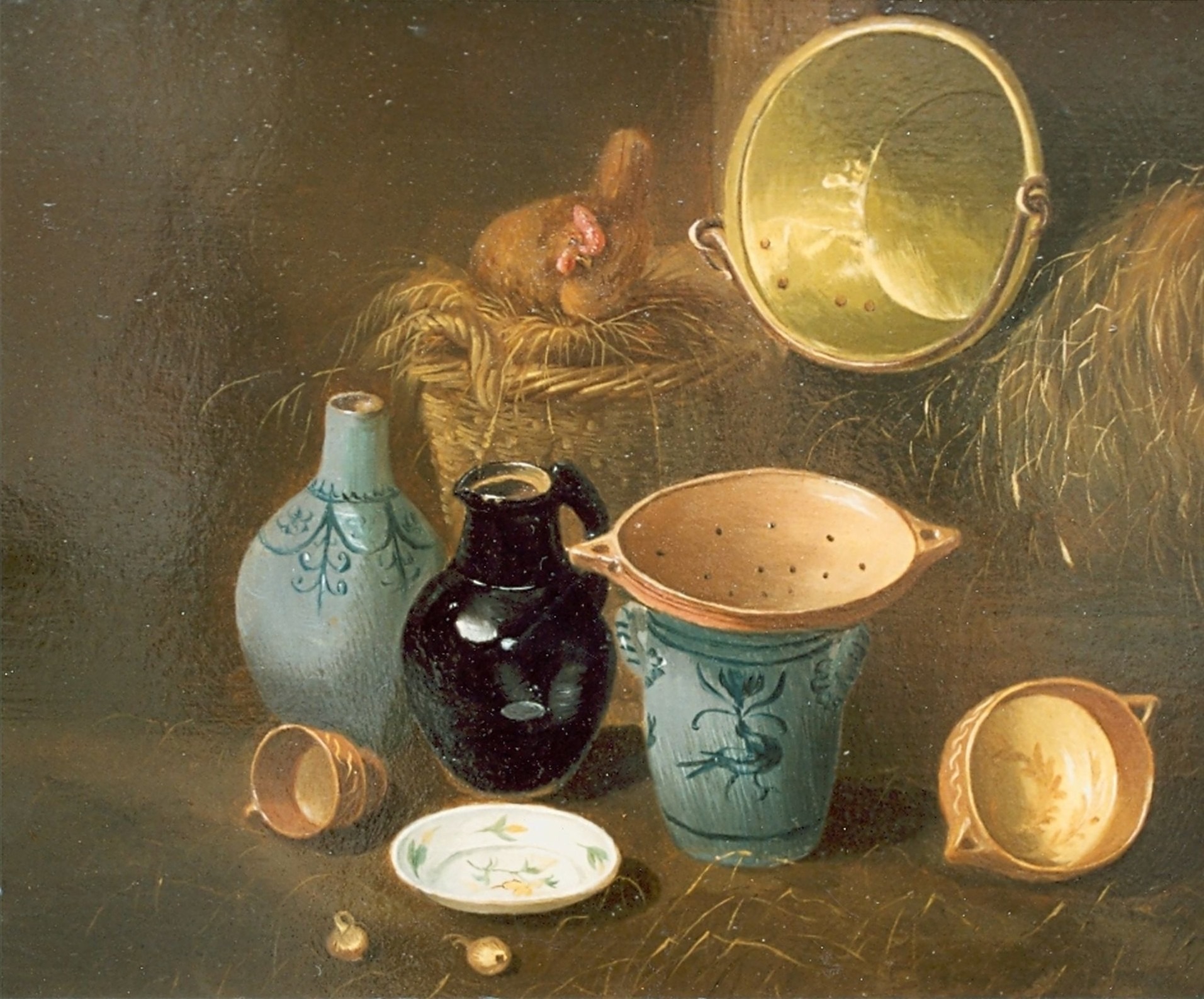
    A selection of the work of Wilhelm Albertus Lammers: