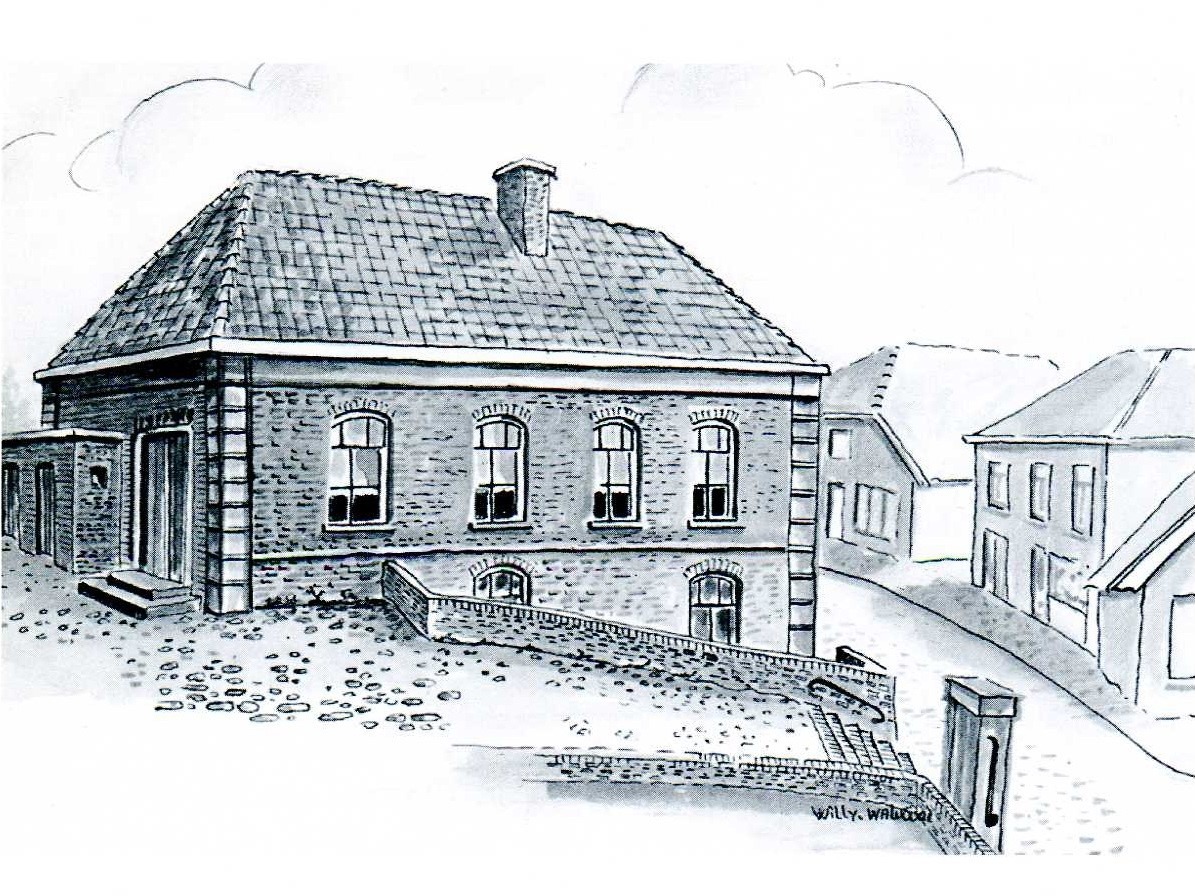
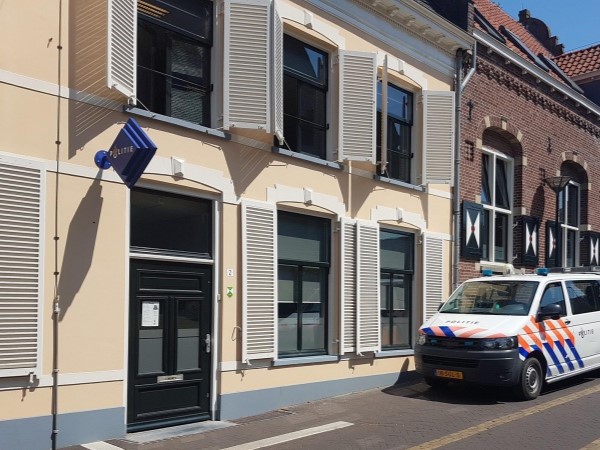
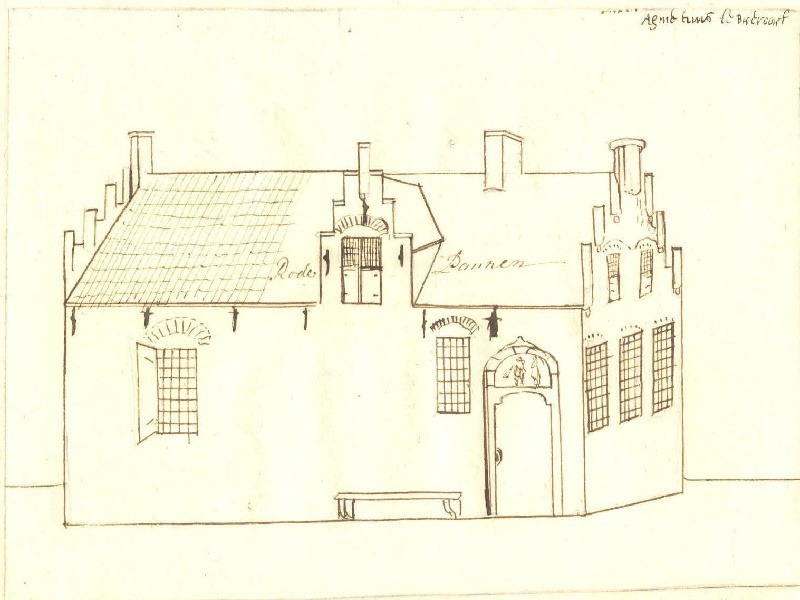
The first known predecessor of a police station in Aalten can be found on Landstraat, in the building that currently houses Ter Maat barbershop.
The accompanying drawing of the building in question was made by the Aalten artist Willy Walvoort, who passed away in 2018. He wrote: “The village school in 1824. Above: the entrance was on the church hill. Below: on Landstraat, the night watch, prison, and fire brigade.”
It is (as yet) unknown until when the night watch and/or constables had their headquarters here. We also do not yet know which other addresses served as police stations before 1941.
Public Primary School Landstraat, by Willy Walvoort
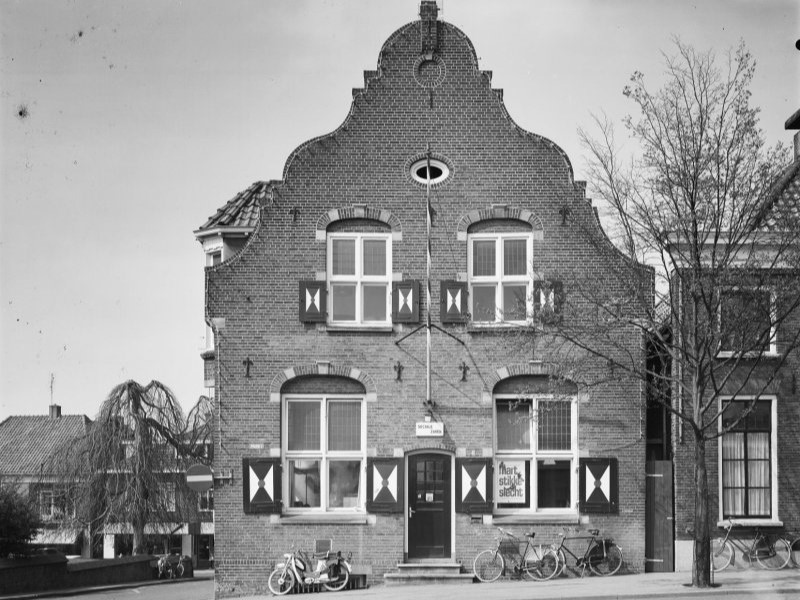
Markt 3, Aalten (1972)
Markt 3
In 1941, the Aalten municipal police moved into the characteristic building with the elegant bell gable at Markt 3. When the station was put into use, Chief Constable Wijnands was the head of the Aalten police. In 1947, the municipal police transitioned into the national police.
After the war, the municipal services suffered from a lack of space. In 1949, the municipality of Aalten therefore purchased a building on the opposite side of the Markt (number 4) to house the police station.
The Social Services office was housed in Markt 3. Today, the building is still part of the Aalten town hall.
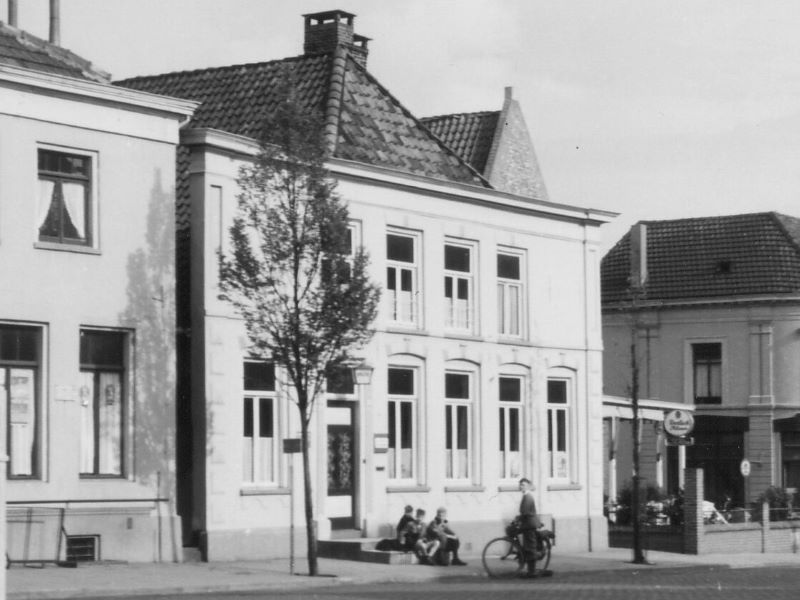
Markt 4
The building at Markt 4 was privately inhabited before the war and had a notorious reputation in Aalten during the war, as it had served as the clubhouse for the NSB (National Socialist Movement). After the war, the building fell under the Management department of the Council for the Restoration of Rights. They sold the building to the municipality of Aalten in 1949, and the local police station was established there.
In 1969, the Tubantia newspaper reported that the municipality of Aalten had informed the Government Buildings Agency that they were terminating the lease of the police station. The municipal services were once again bursting at the seams and desperately needed the space. The police moved to a new station on Polstraat.
Shortly before the move, the garage collapsed behind the police station, which was located on Peperstraat.
The building at Markt 4 now houses the catering establishment De Geste.
Markt 4, Aalten
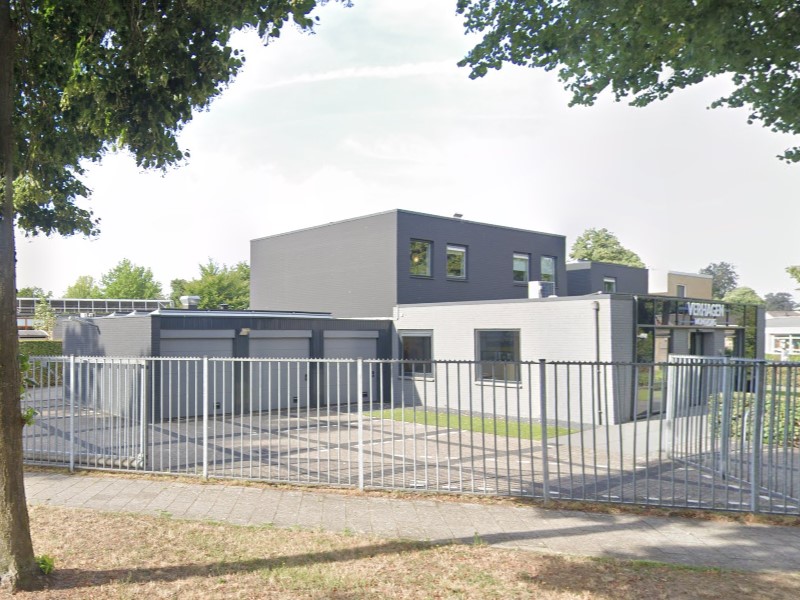
Polstraat 36, in the year 2022 (source: Google Streetview)
Polstraat 36
As early as February 1963, the site on the corner of Polstraat and Bonifaciusstraat was purchased by the municipality of Aalten, including the small farmhouse of the widow Scholten. It was likely already the intention then to demolish it and realize a new police station and a number of houses on the site.
In 1965, the Aalten municipal council discussed the private sale of a section of the building plot, measuring 1,500 square metres, for the construction of a group and district office for the National Police (Rijkspolitie) in Aalten.
It would take until the early 1970s before the new police station was completed. The Aalten police remained stationed here until 2018, when they moved to the Köstersbulte. A dental practice has since established itself in the former police station on Polstraat.
Köstersbulte 2
Since 2018, the police have had a support point in the town hall, with its own entrance on Köstersbulte. The support point serves as a workplace for community officers during their shifts. There are no official opening hours. If someone wishes to file a report, for example, it is advised to make an appointment.
Notaris, plaatsvervangend kantonrechter en lid Provinciale Staten
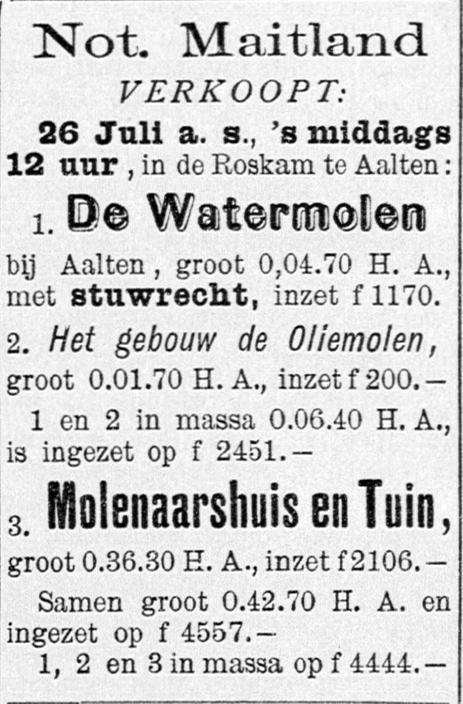
John Bernard William Maitland (1826-1894) was onder andere notaris in Dinxperlo en van 1882 tot 1894 in Aalten. Daarnaast was hij plaatsvervangend kantonrechter en lid van de Provinciale Staten van Gelderland.
John Bernard William Maitland werd op 7 mei 1826 geboren in Vorden, zoon van gepensioneerd kapitein John Maitland en Catharina Willemina Mellink. Hij trouwde op 28 oktober 1862 in Dinxperlo met Bernarda Aleida Schepers. Uit dit huwelijk werden drie zonen en een dochter geboren, allen in Dinxperlo.
Alle drie de zonen overleden op jonge leeftijd, eveneens in Dinxperlo; één al na 15 dagen (Bernard), de andere twee werden slechts 8 (John) en 17 (Dirk) jaar oud. Alleen dochter Catharina Antoinette Bernarda werd volwassen, trouwde en kreeg zelf ook kinderen.
Beroep en woonplaats
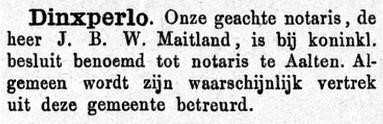
Op 16 december 1859 werd Maitland bij koninklijk besluit benoemd tot notaris te Dinxperlo. Hij was tot dat moment nog kandidaat-notaris in Vorden. Twee maanden later, op 16 februari 1860, werd hij tevens benoemd tot plaatsvervangend kantonrechter te Aalten. Deze functie bekleedde hij tot het kantongerecht Aalten in 1877 werd opgeheven.
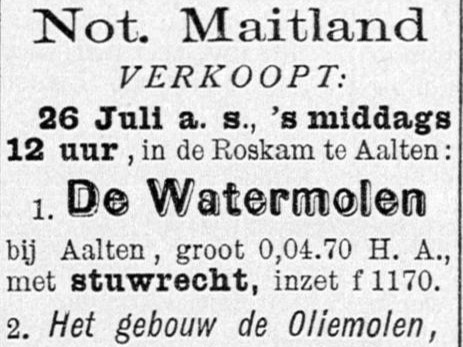
Op 18 juli 1882 werd Maitland benoemd tot notaris te Aalten, als opvolger van notaris B.A. Roelvink, die eerder dat jaar was overleden. Samen met zijn vrouw en dochter neemt hij zijn intrek in het huis van wijlen notaris Roelvink aan de Gasthuisstraat (tegenwoordig Haartsestraat). Omstreeks 1886 verhuizen zij naar een statig huis in de Landstraat, wat tegenwoordig nummer 41 heeft.
Maatschappelijke nevenfuncties
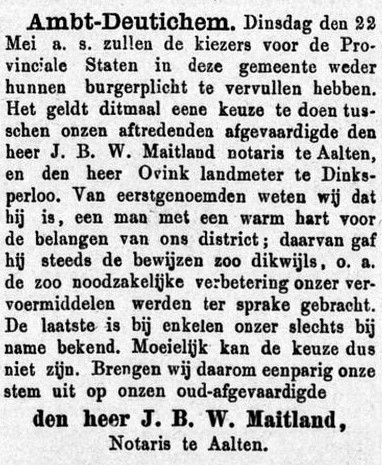
Naast zijn werk was Maitland ook actief op maatschappelijk vlak. Zo is hij in Dinxperlo directeur geweest van zangvereniging ‘Aurora’. Van 1877 tot 1885 was Maitland lid van de Provinciale Staten van Gelderland namens het kiesdistrict Aalten.
En in 1892 nodigde Maitland ‘een aantal ingezetenen’ van Aalten uit in de sociëteit, om van gedachten te wisselen over de oprichting van een plaatselijke VVV. Om dat doel te bereiken zouden “van de schoonste punten photographiën genomen worden en wandelkaarten gemaakt”. Wij hebben echter geen aanwijzingen kunnen vinden dat dit ook daadwerkelijk heeft plaatsgevonden.
Overlijden
John Bernard William Maitland overleed op 11 oktober 1894 in Aalten. Hij werd begraven op de Oude Begraafplaats aan de Varsseveldsestraatweg.
Hij werd opgevolgd door P. Losecaat Vermeer, die tot dan kandidaat-notaris was in Nijmegen.
Graafschapbode, 29 juli 1882Graafschapbode, 19 mei 1883Graafschapbode, 23 juli 1890
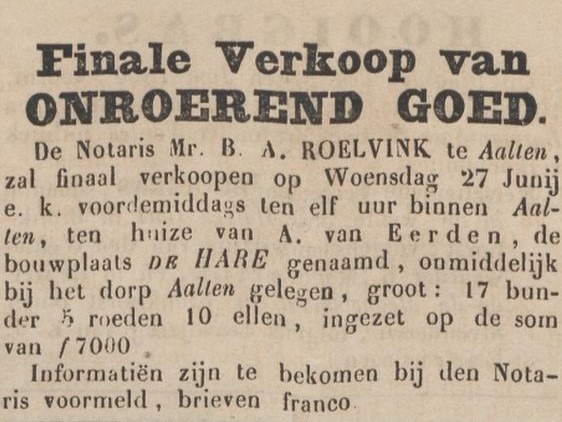
Bernard Andries Roelvink werd op 22 november 1818 geboren in Bredevoort, als zoon van burgemeester Arnoldus Florentinus Roelvink en Elzabé Maria Theodora ten Cate.
Van 1843 tot 1852 was Roelvink griffier van het kantongerecht te Aalten, daarvoor was hij substituut-officier van justitie bij de arrondissementsrechtbank te Zutphen. Op 6 april 1852 werd hij bij koninklijk besluit benoemd tot notaris in Aalten en volgde daarmee zijn vader op.
Van 8 maart 1853 tot zijn overlijden was Roelvink tevens lid van de Provinciale Staten van Gelderland namens het kiesdistrict Aalten.
Bernard Andries Roelvink bleef ongetrouwd en overleed op 17 april 1882 op nr. 385 te Aalten (Haartsestraat 10).
Na zijn overlijden werd hij opgevolgd door J.B.W. Maitland, die tot dan notaris was in Dinxperlo.
Nederlandsche Staatscourant, 9 april 1852Zutphensche Courant, 23 juni 1866
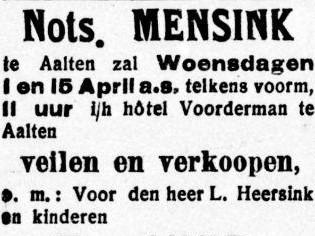
Jan Hendrik Willem Mensink (1869-1943) was van 1909 tot 1939 notaris in Aalten.
Jan Hendrik Willem Mensink werd geboren op 19 maart 1869 in Miste (Winterswijk), als zoon van landbouwer Hendrik Jan Mensink en Hanna Catharina Tenkink.
Mensink trad op 21 oktober 1926 in Aalten, op 57-jarige leeftijd, in het huwelijk met de 11 jaar jongere Grada Gesina Wensink.
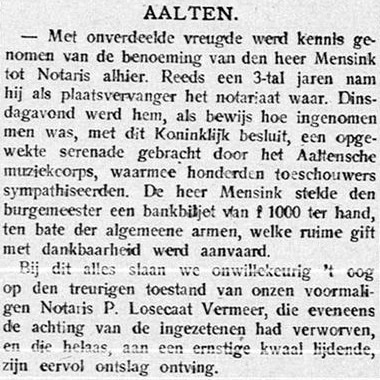
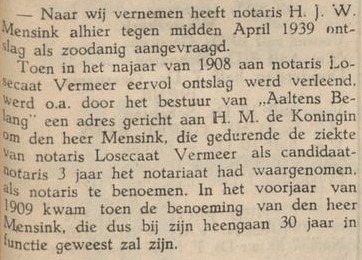
Hij volgde in 1909 P. Losecaat Vermeer op als notaris in Aalten. Hij was toen al drie jaar waarnemend notaris, omdat Losecaat Vermeer ziek was. Mensink vroeg in 1938 ontslag aan, hij was toen 69 jaar oud. Hij werd in 1939 opgevolgd door W.C. Krijgers Janzen.
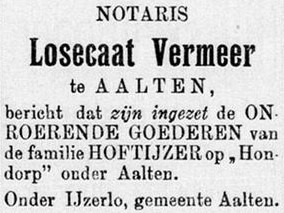
Notaris Losecaat Vermeer woonde en werkte eerst aan de Hogestraat 2a (later bekend als het pand van zadelmaker Gerstmann) en vanaf ongeveer 1930 aan de Markt 18 (later ABN-AMRO).
Jan Hendrik Willem Mensink overleed op 4 februari 1943 in Aalten. Hij werd begraven op begraafplaats Berkenhove.
De Graafschapbode, 6 februari 1909Aaltensche Courant, 25 november 1938
Pieter Losecaat Vermeer (1856–1909) served as a notary in Aalten from 1894 to 1908.
Pieter Losecaat Vermeer was born on 8 January 1856 in Beek (Ubbergen), the son of Pieter Anthoni Jacobus Losecaat Losecaat Vermeer and Ephraïma Bartha Johanna De Jong.
At the end of 1894, he was appointed notary in Aalten, succeeding notary J.B.W. Maitland, who had passed away shortly before. At the time of his appointment, he was working as a trainee notary (kandidaat-notaris) in Nijmegen.
Notary Losecaat Vermeer lived and worked at various addresses in Aalten, successively: Landstraat 23-25 (now Kuypers Florist), Markt 1 (now the police station on Köstersbulte) and Hogestraat 2a (later known as the premises of saddler Gerstmann).
On 18 May 1905, at the age of 49, Pieter Losecaat Vermeer married Paulina Cornelia Johanna Antoinetta de Wilde from Schoonhoven, who was 21 years his junior, in Haarlem.
Illness
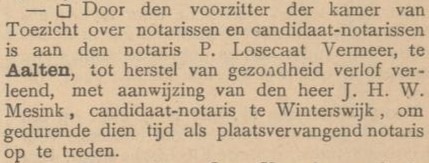
In early 1906, illness forced him to step down from his duties. J.H.W. Mensink, until then a trainee notary in Winterswijk, was appointed as deputy notary. Unfortunately, Losecaat Vermeer did not recover from his illness. In November 1908, he was granted an honourable discharge by Royal Decree, and Mensink was appointed as his successor.
At the end of November 1908, Pieter and his wife moved to Haarlem. Just a few months later, on 20 March 1909, Pieter Losecaat Vermeer passed away there. He was buried at the General Cemetery in Schoonhoven.
Algemeen Handelsblad, 23 December 1894Arnhemsche Courant, 10 January 1906De Graafschapbode, 6 February 1909
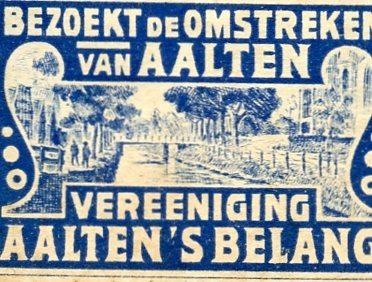
The association Aaltens Belang was founded on 14 December 1898 by a number of local dignitaries. The association’s objectives included campaigning for a better connection with Bocholt, the improvement of public transport, the installation of urinals on the Market Square and at the edges of the village, and improvements to both the postal service and housing.
The board consisted of thirteen members, matching the number of seats on the Aalten municipal council at the time. “Why,” it was argued, “should Aaltens Belang make do with fewer?”
The board took a broad view of its objectives. They also dedicated themselves to matters such as the operation of a commercial evening school and a tourist information office (VVV), the management of the local Loohuisbos nature reserve, and the organisation of trade fairs or the annual outing for the elderly.
Merged into the VVV
In its early years, the association was instrumental in establishing both the first refuse collection service and the Museum Frerikshuus. In later years, the association focused primarily on organising activities and providing information regarding tourism and recreation. When these tasks were professionalised and transferred to a new VVV (Tourist Office) organisation, the association merged into it in the mid-1980s.
Bench, Loohuisbos, and Nannielaantje
To mark its 25th anniversary in 1923, the Aaltens Belang association presented the local community with a stone bench. This bench can still be found today along the footpath by the Slinge stream, near the bridge on Polstraat, behind the De Slinger primary school.
In 1928, Aaltens Belang saved the Loohuisbos (‘Loohuis Forest’)—an area of 21 hectares—by purchasing it before it could be cleared for cultivation. However, the association could not raise the necessary funds and subsequently sold the property to the Society for the Preservation of Nature Monuments (Vereniging tot Behoud van Natuurmonumenten). As a result, it was preserved as a piece of the historic Achterhoek landscape.
When the farmstead Het Smees was sold by the heirs of Slichter van Bath in 1934, Aaltens Belang entered into discussions with the buyer. There were fears that the “well-known and naturally beautiful” Nannielaantje (Nannie’s Lane) would disappear. Thanks to the efforts of Aaltens Belang, this popular lane was fortunately preserved.
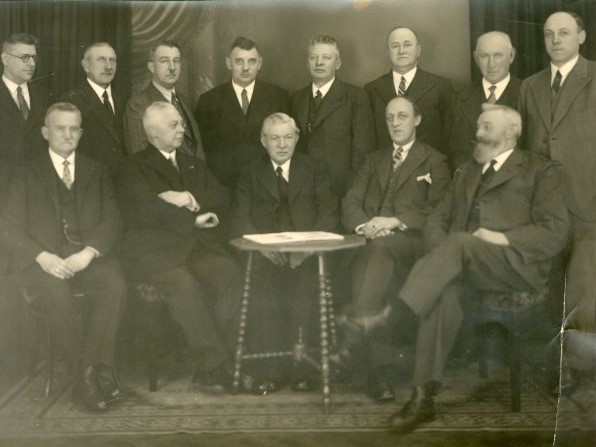
The board of ‘Aaltens Belang’ in 1923, on the occasion of its 25th anniversary. Seated L-R: J. Beernink, Jos Driessen (Chairman), H. ten Dam (Vice-Chairman), G.W. Vaags (Secretary), A.H. Bulten. Standing L-R: R. de Boer, H.J. Vreede, W. te Gussinklo, M. Ackerman, G.A. Wieland, G.J. Prinsen, A.J. Vaags, J.H. van Lochem. Seal of Aaltens Belang
‘Hide the outcasts; Do not betray him who escapes’. This text (Isaiah 16:3) was used by several pastors at the beginning of World War II. With this, the congregation members were called upon to contribute to helping people fleeing the Nazi regime. And with success: at one point, one in five residents of Aalten was in hiding, relatively more than anywhere else in the Netherlands.
The inhabitants of Aalten played an important role in protecting people in hiding during the war. Their courage and determination have saved the lives of many. The church’s involvement, close family ties and rural location are seen as reasons for the great willingness to offer help. It is relatively easier to hide people in a remote farmyard than in a city. But despite that, helping people in hiding and other refugees took a lot of courage and sometimes cost lives.
Hiding and resistance
During the war years, there were several reasons why people chose to go into hiding. For example, Jews tried to escape deportation to concentration camps. In addition, there were people who wanted to avoid the Arbeitseinsatz or who wanted to resist the German occupier.
Heleen Kuipers-Rietberg from Winterswijk, better known as Aunt Riek, provided hiding places for many people who refused to work and Jews. Together with Uncle Jan Wikkerink, a contractor from Aalten and leader of the local resistance organization, and with Reverend Slomp, she stood at the cradle of the National Hiding Organization (LO).
People in hiding were often hidden in attics, in barns, in secret rooms or in remote places in the landscape. Although there was always a risk of betrayal and arrest, relatively few people in hiding in Aalten were discovered by the German occupiers. The local population had a strong mutual solidarity and the resistance was well organized. Moreover, there was an active network that helped people in hiding to cross the border to safer areas abroad.
In 1947, former people in hiding presented the people of Aalten with a monument as a token of gratitude for their hospitality and to the resistance fighters who were the driving force in accommodating the people in hiding. The monument is located in the Stationsstraat, opposite the train station.
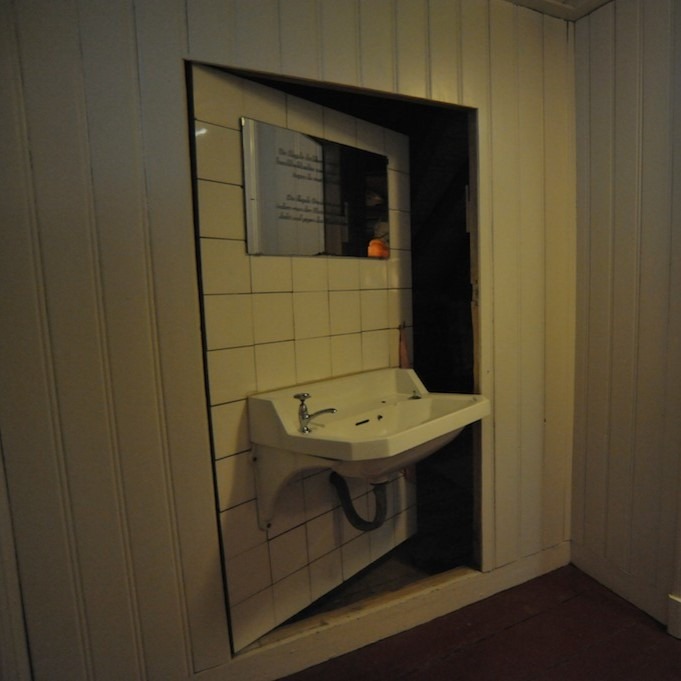
Secret door, Markt 12 in Aalten (Nationaal Onderduikmuseum)
Most probably the beautiful village in the Gelderschen Achterhoek Aalten was the place that housed proportionally the most people in hiding during the war. The village has only 11,000 inhabitants and no less than 2500 people were placed in hiding. For the time being, we will be able to assume that this is a record in the Netherlands.
Aalten’s task is not finished with this. Above this number, there have been hundreds of children, especially from Rotterdam and the surrounding area, who have spent their summer holidays there. We are not exaggerating that thousands in the country have benefited from the hundreds of thousands of rye bread, bags of flour and oatmeal, bacon and eggs, which have been sent into the country from this village. The director of the Aalten post office bore the name among his colleagues of rye bread director.
We will remain grateful to Aalten for this war activity. The 2500 people in hiding are too. They sent a request to H.M. the Queen and asked her to visit Aalten during a trip through the liberated Netherlands. We sincerely hope that it will happen. Aalten deserves it.
Almost a quarter of a century after the liberation, on March 14, 1970, the newspaper Trouw wrote in an article about a planned reunion of former people in hiding and former combatants:
In the years that the Germans occupied the Netherlands, in the small, agricultural town of Aalten, there was hardly a house in which there were no people in hiding. The people who live there are closed by nature. The Hague resident and the Amsterdammer, who went under water, had to get used to it. The Germans too, by the way, and once an SD officer spoke in anger of ‘abscheuliche Leute’ and he added: ‘Wir sind Luft, Luft!’ However, the silence of the Aaltenaar has benefited many people in hiding.
During the war years, Rev. J. Klijn (of De Open Deur), Rev. P. Kuyper and Rev. J. van Dijken respectively as a reformed, reformed and christian-reformed minister. One evening, two farmers, who had made a long bike ride for it, arrived at one of the three rectories. It matters little which one. They told the preacher about a naober, who was unwilling to take in people in hiding. In some houses there are eight, why doesn’t he want to accommodate one? Can’t the pastor go and talk to that man and point out his responsibility? They get the promise from the pastor that he will exchange a hearty word with the brother in question. It turned out not to be necessary. On the day that the Allied tanks thunder into Aalten, the farmer, who has been complained about, stands in front of his stee, laughing and waving. He is there with his wife and his family, but also with a bunch of Jews. He accommodated them, without the nearest neighbors having any suspicion of it.
Not all Jews who were given shelter in Aalten survived the years of occupation. A number of them were discovered, sent to Poland and liquidated there.
Church services
Aalten would not be Aalten if it had only provided the people in hiding with equipment. The churches held special church services for people in hiding, usually on remote farms, where people met in smaller groups. The congregation of God started to function here as a hidden church, in the summer the services were held on the deel, in the winter in the large Achterhoek kitchen. People did not ‘go’ in large numbers, but came with two or three people at a time. Guard posts were often posted to be alert to danger. There were also special catechisms for people in hiding. Even separate Jewish catechisms. A number of Jews came to believe in the Messiah.
At the beginning of ’44, during a regular service in the Reformed Westerkerk, the Germans surrounded the church. One young man who left the church in Scheveningen women’s clothes escaped. How did that boy get that Scheveningen robe? In passing, Aalten had also hospitably welcomed a large group of Scheveningers who had to leave the coastal region. 48 people in hiding were loaded into a truck and transported to Amersfoort, and from there for a large part to Germany. The Christian Reformed Church was also attacked on a Sunday. A dozen people in hiding were caught.
Some boys did not return. In an issue of De Open Deur, which appeared the following year, Rev. Klijn of a service that was held on Christmas Eve ’44 on a farm in Aalten. We quote a few passages: “The Christmas Gospel was read in many wonderful places last year, in that time of need and misery, of shelters and shelters. But it was robbery in order. Also here in this simple peasant kitchen with its international circle of resistance fighters, herded together from all over the world; Achterhoek farm boys, heavily wanted illegals, navy people in hiding and secretarial staff, and allied pilots from San Francisco and Florida. Brighton and Plato Sask, Canada. It was as quiet as in a church, when the familiar words of Luke 2 were read, first in Dutch and then from the Moffat translation in English. And there was a twilight of emotion over some of those tough faces, when the old Christmas message came to them in their own language, here, so far from home, Christmas after all, the Christmas message: Today you have a Saviour born in the town of David, the Lord Messiah. And in the silence of Christmas night, their hearts, filled with thoughts of war by day and by night, knocked on the door of a different peace from that for which they were fighting, the peace of which the English sang: Glory to God in high heaven, and peace on earth for men whom the favours! By a puzzling achievement, the underground from the Achterhoek had also collected a few English church books and so the Christmas carols were sung bilingually: Honor be to God, Now sijt wellecome and the Silent Night, Holy Night, known all over the world…”
Nationaal Onderduikmuseum
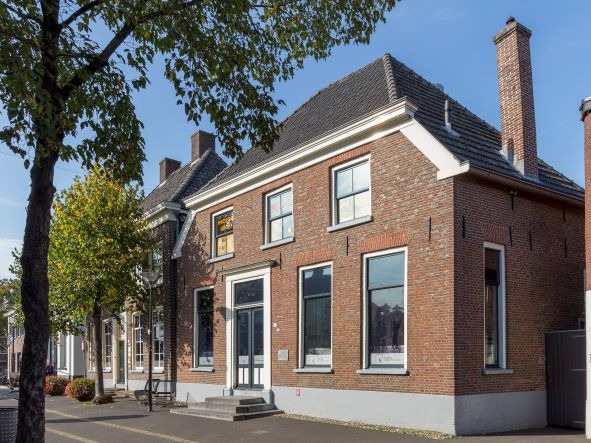
‘Hiding house’ Markt 12, Aalten
To record the memory of this part of history and to keep it alive, the National Hiding Museum was established in Aalten. The museum focuses on showing and documenting the stories of people in hiding and the people who helped them. It shows how ordinary people can show courage and humanity in extraordinary circumstances.
The museum is partly housed in a building with a special history of hiding: Markt 12. At the time, this was the home of a family with children, but people in hiding were (temporarily) hidden in the attic and the basement was the hiding place for local residents during bombings. Extra remarkable: the large living room had been requisitioned by the occupying forces and was used as an ‘Ortskommandatur’.
The Nationaal Onderduikmuseum also has an escape room. Players are confronted with issues and dilemmas that everyone will encounter when they have to flee. If you choose to flee from your world, you have to renounce what you know and know. You will have to do everything in your power to keep yourself going in your new situation.
It is now important that you have insight into that new situation, have a sharp vision, so that you can recognize signs, dare to make decisions and distance yourself from what you have known until now. “Can you manage to dive under the radar, become invisible, become inaudible to the enemy?”
Your contribution is welcome! We would appreciate receiving more (historical) information and photographs regarding traveller caravans, families, residential sites, and related matters within the municipality of Aalten. Can you help us? Please comment below or send us a message!
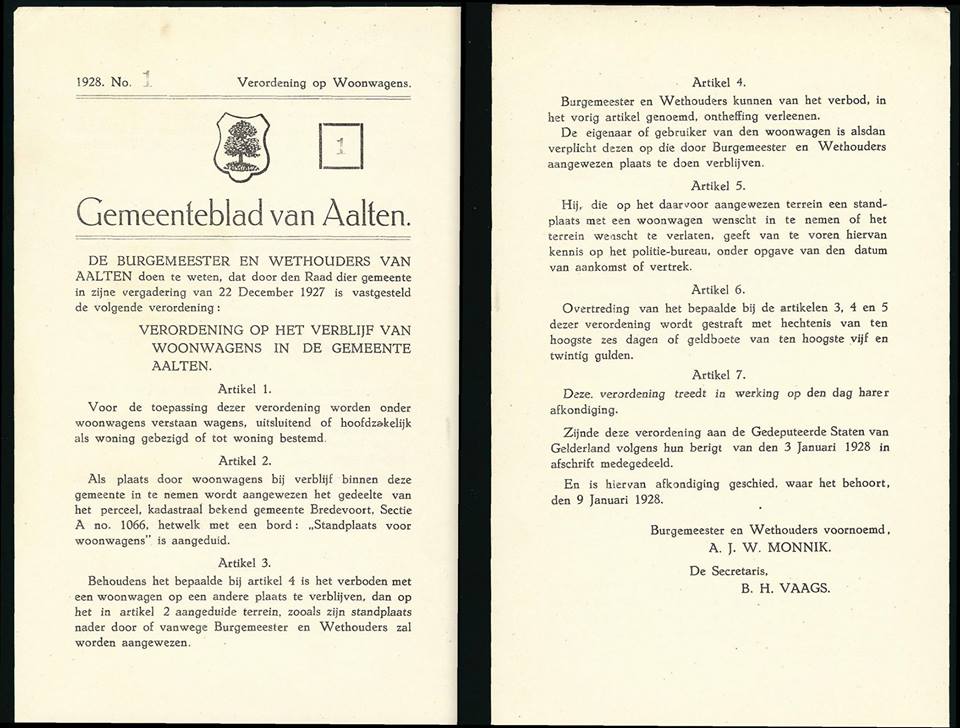
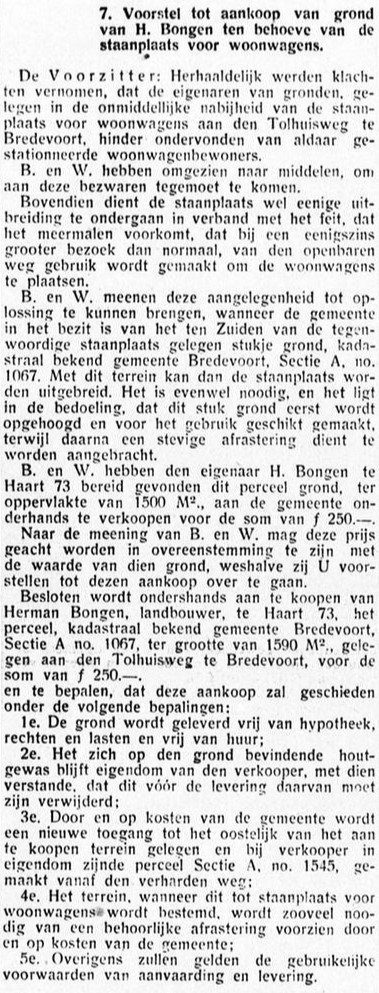
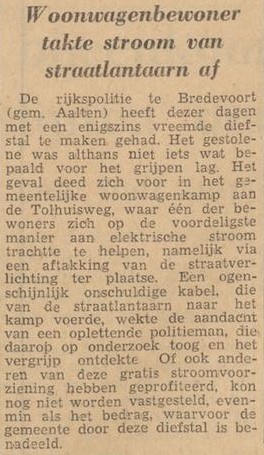
In 1928, the municipality of Aalten published an ‘Ordinance on Caravans’. This designated a site on Tolhuisweg as the only location where caravans were permitted to park.
Ordinance of 22 Dec 1927 regarding the designation of a site for caravans in Bredevoort
World Travellers in Bredevoort
De Graafschapbode, 22 February 1935:
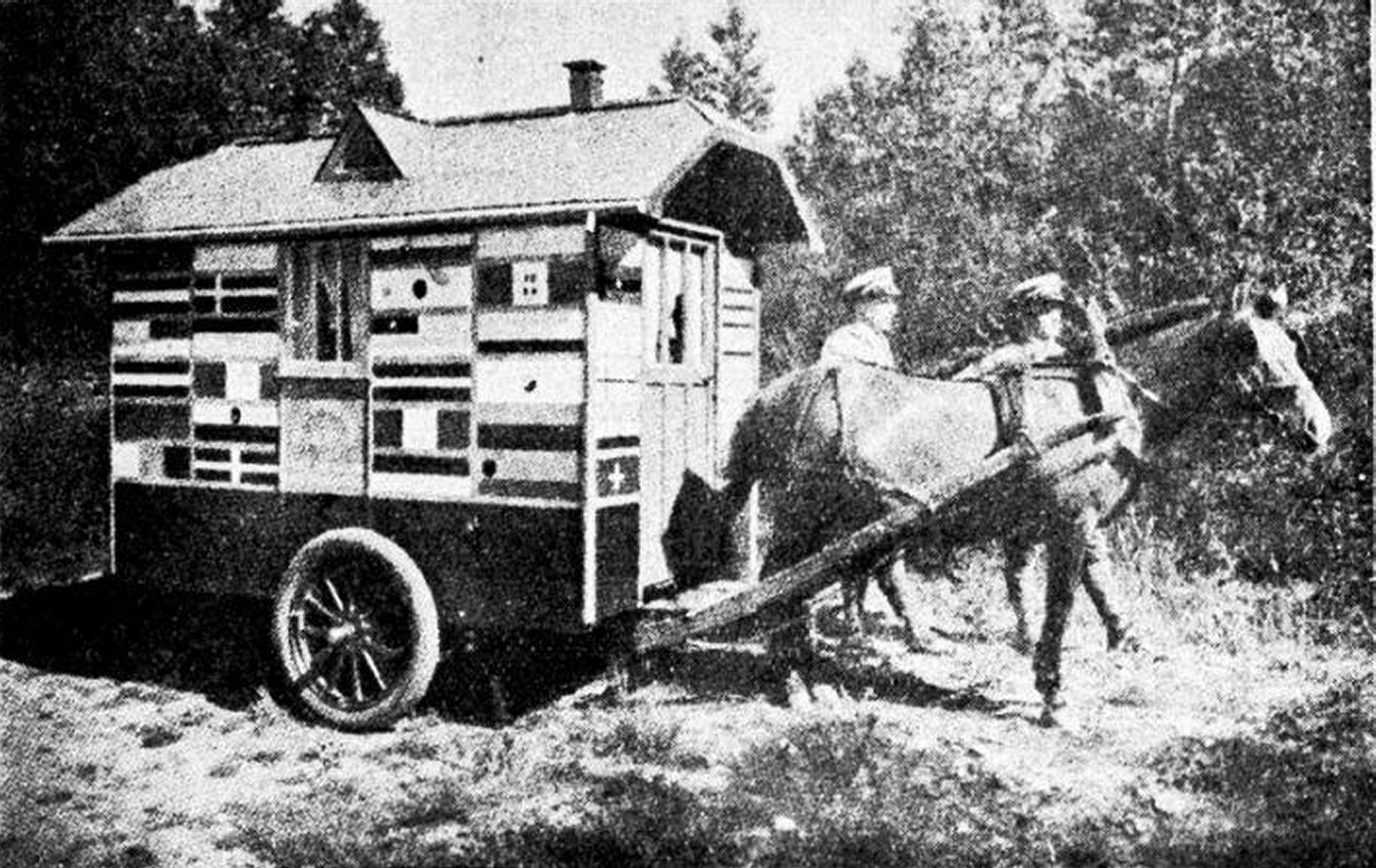
“Our Gelderland Achterhoek region is currently enjoying the honour of a visit from two ‘world travellers’, who are housed in the pictured, very practically and efficiently equipped caravan. In the front section is the sleeping area for the pair, as is understandable primitive in design, yet just sufficient. They provide for their livelihood by selling postcards.
From a chat with the travellers, it emerged that they originate from South Slavia, one of the Balkan states. Since 1928, they have been busy completing their ‘Journey Around the World’. A large part of the mainland of the European continent has already been ‘covered’, while currently, the Dutch—in this case, Achterhoek—soil is the focus of their visit.
The living area in the wagon contains ‘furniture’ of, believe it or not, a table and two chairs. The wall decoration consists of an extensive and certainly noteworthy collection of postcards from almost most countries and larger cities in Europe. To the question: ‘How is travelling here in Holland?’ we received the reply in broken Dutch that it is far preferable here to most other countries. A police officer might come to your bedside at night, but they have had almost no trouble with raids by rowdy youths or, as sometimes happens, from bandits trying to make their move. We also learned that another four years will be needed before the trip can be considered finished as a whole.”
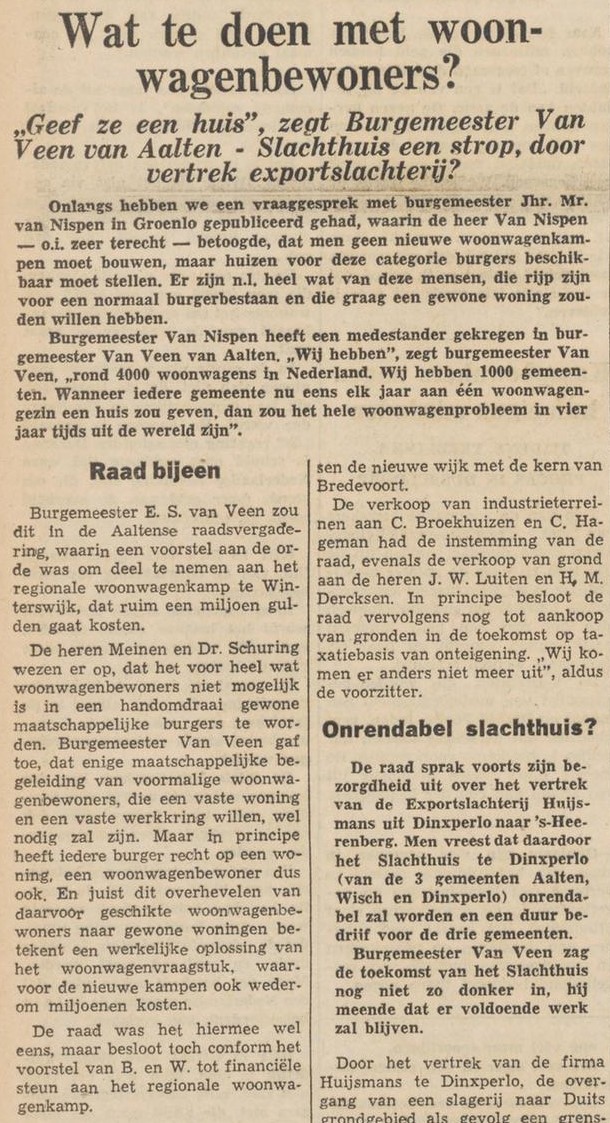
What to do with Travellers?
Graafschapbode, 15 October 1937
Nieuwe Winterswijksche Courant, 21 October 1964
1968 Caravan Act
In 1968, the national government prohibited the nomadic lifestyle of the Traveller community as a result of a new Caravan Act (Woonwagenwet). They were forced to relocate to large, regional caravan sites. On 1 May 1970, the regional camp ‘Dennenoord’ was opened in Winterswijk.
All Traveller families, from Winterswijk to Zevenaar, were obliged to live at this site. The site featured a primary school, a clubhouse, and a scrapyard. There were paved roads, and every caravan had its own toilet.
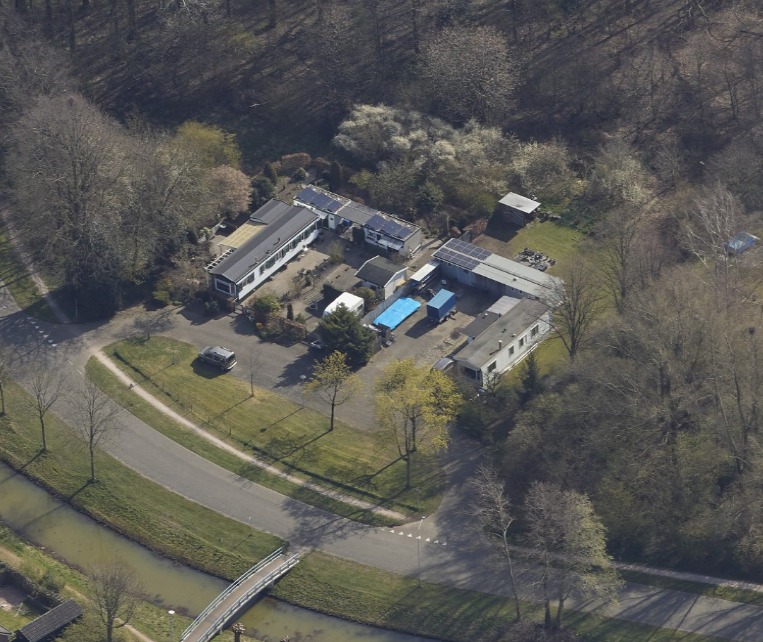
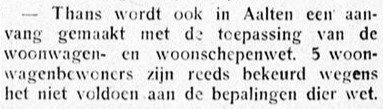
With the abolition of the Caravan Act in 1999, housing policy for Traveller communities became the responsibility of local municipalities. In the municipality of Aalten, there are currently only a few residential sites for caravans remaining on the Singelweg.
Traveller site, Singelweg, Aalten
Newspaper clippings
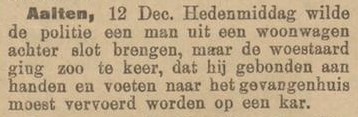
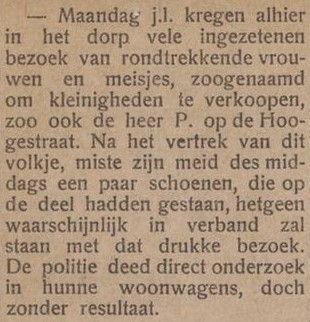
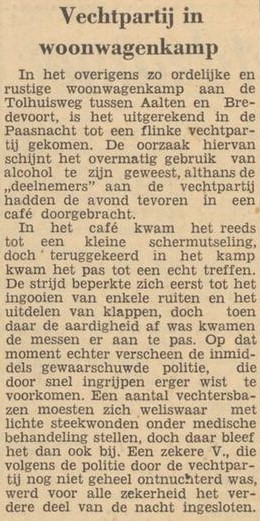
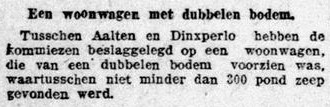
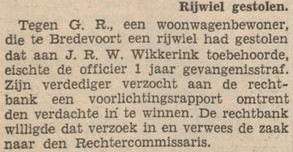
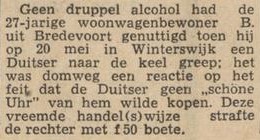
Whenever Traveller families were mentioned in the Aalten news, it was often in a negative context. A search on Delpher yielded, among other things, the following reports:
Zutphensche Courant, 14 December 1904Aaltensche Courant, 23 October 1917Tubantia, 14 November 1951Tubantia, 28 June 1962
Arnhemsche Courant, 9 December 1912Nieuwe Aaltensche Courant, 6 July 1923Graafschapbode, 19 December 1924Tubantia 19 April 1960
De Telegraaf, 5 April 1917Zutphensch Dagblad, 14 April 1947Tubantia, 8 August 1961Tubantia, 19 October 1961
During the final years of the Second World War, many people in hiding (onderduikers) found refuge in the Achterhoek region. Aalten topped the list, with an estimated 2,400 people pursued by the Germans. “The inhabitants were not only devout, but also linked that faith to providing shelter to those who had been driven from their homes.”
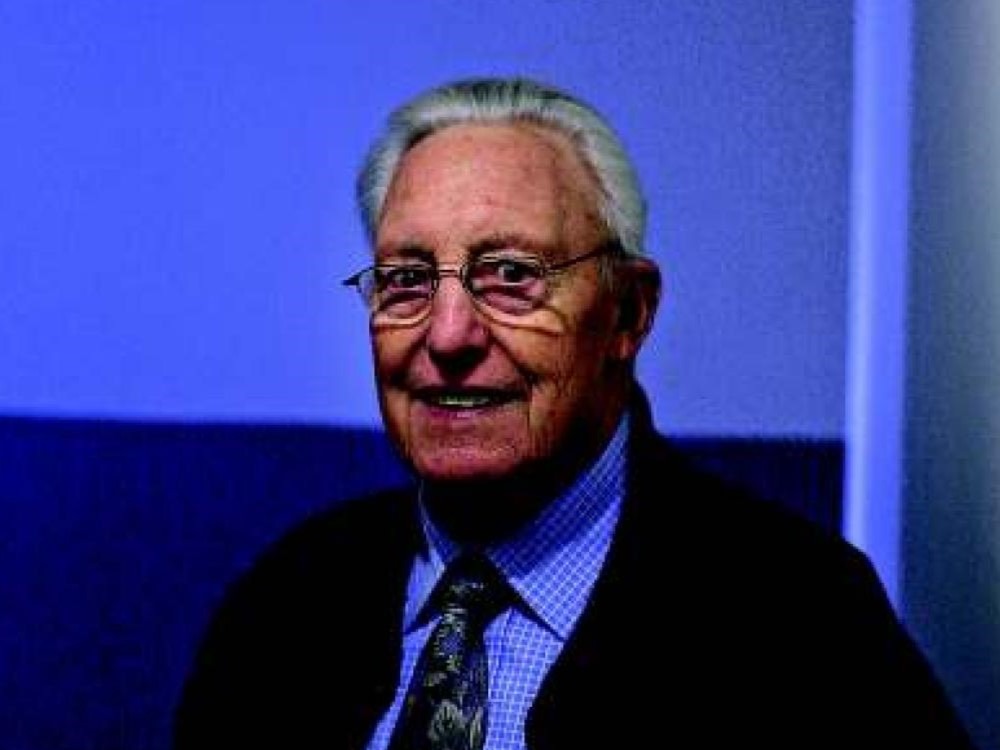
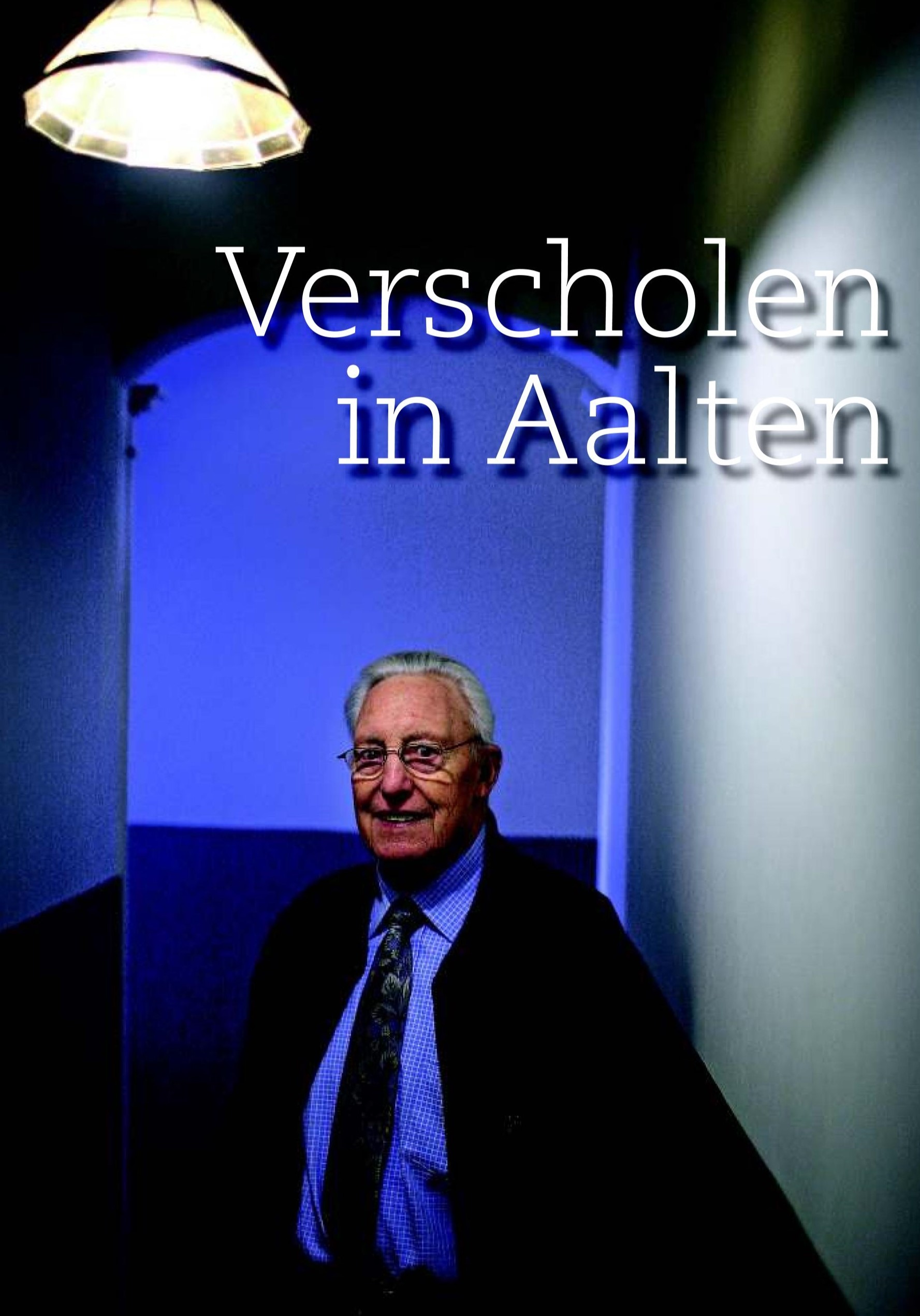
Pieter Schaap (84) now lives in a tidy apartment in the centre of Aalten, having purchased the property with his wife, who is nearly 80, several years ago. “We lived a little further away, but the house was too big, and we could no longer keep up with the garden.”
That is not to say that the Aalten resident and his wife are not spry. The couple regularly visits their children in the west of the Netherlands and travels by plane to visit a son in Norway. Pieter’s wife regrets that they can no longer make those trips by car and boat. “You see so much more that way.”
The Aalten resident, distinguished by a thick shock of grey hair, still drives in the Netherlands. Among other things, he delivers meals for Tafeltje Dekje (Meals on Wheels). “But the physical ailments are starting to show. I recently had cataract surgery on one eye, and my hands shake a little; I can no longer write properly. I am considering stopping with the meal deliveries this year.”
Spoiled butter
Sixty-five years ago, Pieter Schaap came to the Achterhoek for the first time. The native of The Hague was forced to report to Winterswijk in late 1942 following a summons from the Germans, who were coercing young men into forced labour. “I reported to Kamp Vosseveld as instructed. It was very German there, very strict. We were allowed to go to church on Sundays, at least.”
Schaap grew up in a Reformed family but later joined the Gereformeerde church. “After the service, the minister invited us for coffee. We were regularly allowed to stay for a meal. They thought we were starving in that camp. That wasn’t true, but as a young guy, you could always manage a bit extra.”
Photo: Jan Ruland van den Brink
He disliked the conditions. “We repaired backroads and replaced sections of railway track. Everything was done by hand. You only had a spade and a wheelbarrow. Meanwhile, you were being drilled. We had to sing all sorts of nasty songs. I didn’t like the regime. I spoke about it, and then the minister said: ‘Why don’t you go into hiding?’ He said he could arrange an address. However, we were being watched closely; there were constant roll calls, making it impossible to escape. Until the moment we were served spoiled butter. That was early 1943; I don’t remember the exact date. Almost everyone had diarrhoea, and there was no roll call. That was when I slipped away. Together with Henk Bossemeijer, a lad from the Alphen aan den Rijn area.”
Pieter and Henk exchanged their uniforms at a family’s home in Winterswijk, put on civilian clothes that had been laid out for them, and boarded the train to Aalten. “The minister had said we would be taken care of. And indeed, we were met by members of the resistance. Through Ome Jan, the leader in Aalten, we were given shelter for the night. The next day, we went to ‘t Paske farm in the rural district of Dale.”
Schaap immediately felt that the presence of him and Bossemeijer was too much of a burden on the farming family. “The responsibility for two people in hiding was too great. ‘Do you know of another place for one of us?’ I asked. After a few weeks, I was able to go to ‘t Heegt farm in Lintelo, another rural district. There, with the Rensink family, I stayed until the end of the war.”
A hollow above the horse stable
The young man from the west with a technical background was quickly retrained as a farmer. He ploughed and harrowed the land using horses, cleaned stables, and fed the cows. “I even learned to milk, thanks to the family’s eldest daughter, who had just taken a course in it.”
At first, Schaap slept in the opkamer (parlour) of the farmhouse. Later, a group of 500 people from Scheveningen arrived in Aalten, having been driven from their village by the Germans in connection with the construction of the Atlantikwall. Schaap remembers it well. “The Gereformeerde evacuees went to Aalten, while the Hervormde evacuees from Scheveningen went to Winterswijk. That had been agreed upon with the local churches. Some of the Scheveningen evacuees were also offered shelter at ‘t Heegt.”
For the rest of the war, he slept in a hollow above the horse stable. “Above the manger where the horses ate. If I stood on that, I could just reach a small hatch that couldn’t be seen from below. I had a bed there, and some light fell in through a glass roof tile.”
He was not there often. Pieter spent most of his time in the fields. The man in hiding did not find it truly dangerous. “We didn’t have much trouble from the Germans. We did have to watch out for landwachters (Dutch collaborators), but they were always spotted in this area long in advance. I would usually go to a piece of land further away, somewhat hidden behind the trees. Or I would crawl away. I never stayed on the farm if there was trouble.”
A wagon full of crispbread
He stayed at ‘t Heegt for two and a half years, amidst many other people in hiding. Aalten was teeming with them. “There were more and more of them. The Germans also began to notice, and on 30 January 1944, the Westerkerk was surrounded by SS soldiers during a service. A number of people in hiding tried in vain to escape past the organ. The churchgoers were checked and fined if they had left their identity cards at home.”
The story of Gerrit Hoopman (19), a person in hiding, is well-known; in the chaos, he was provided with an outer skirt, a shawl, and a traditional headpiece by a woman from Scheveningen, allowing him to escape the church. That did not apply to a large group of other people in hiding; more than forty men were arrested.
Schaap, a faithful visitor to the Westerkerk, was not there that day. “We felt it was becoming too dangerous, so that Sunday we organised a service in a secret location for one of the first times. We called that the ‘underground church’. We did that at farms, always at different addresses. Often one of the boys would lead the service; sometimes we had a minister.”
Later, German soldiers were billeted at the farm. “They were young boys, paratroopers who no longer had any planes and therefore had to serve in the infantry.” He had little trouble from them. “To them, I belonged to the family. When they requisitioned a horse and wagon from the farmer at one point and gave the command ‘Bauer mit!’ (Farmer, come with us!), I jumped onto the driver’s seat. We headed toward Bocholt, but during a bombing raid, my passengers quickly disappeared—they looked for cover elsewhere. I waited for a while until I saw farmers with horses and wagons driving back and forth from a large warehouse in the area. I went over and said I had been sent to pick something up. I was given a wagon full of knäckebröd (crispbread), ha ha! I drove back with that.”
He was also part of the farming family to others. “All those years, I was ‘Piet van ‘t Heegt’. Some people still know me by that name today. We were recently at a gathering where we met an acquaintance from that time. She lives in Zeeland now. ‘Hey, there’s Piet van ‘t Heegt,’ she said.”
He did not suffer from hunger in the Achterhoek. “Every two weeks, I even sent a large rye bread to my parents. The postman was called ‘the baker’ at their place; he helped distribute the bread.”
Until his retirement, Schaap worked as a technician for the Royal Netherlands Army. His pre-war ideal of becoming a marine engineer did not come to fruition due to the war. In the hamlet, Pieter met his future wife. “She lived a few farms away.” The courtship did not go smoothly, as her father thought she was too young, and after the liberation, Pieter signed up as a volunteer for the Dutch East Indies. Only years later did he return to Aalten, where the farmer’s daughter was still waiting for him. “We have now been married for 56 years. We were truly destined for one another.”
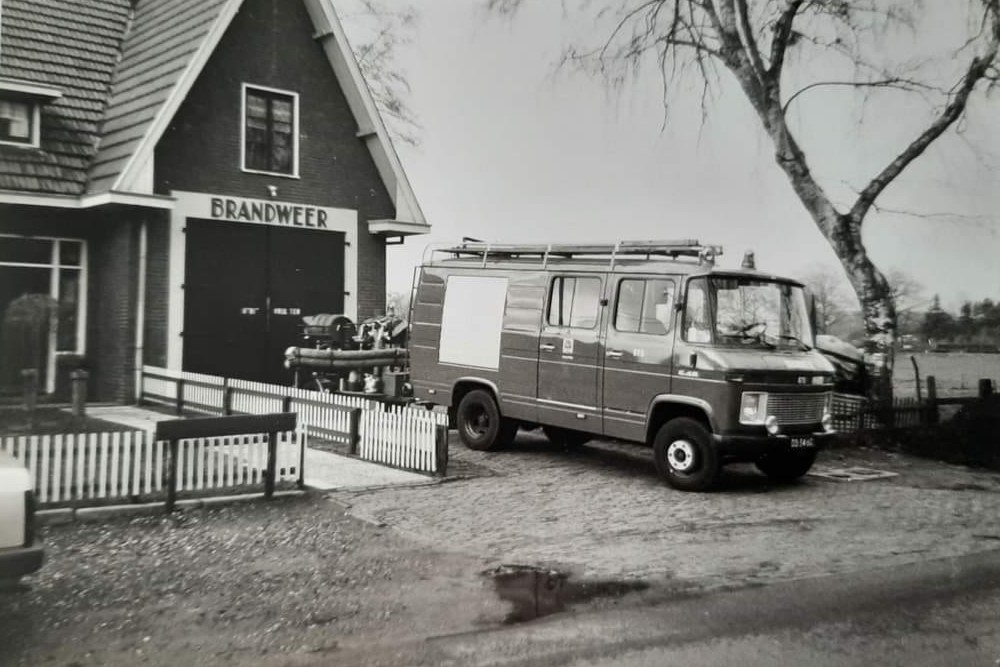
The photograph above shows the former house (partially visible) with the adjacent garage of the Bredevoort volunteer fire brigade, close to the Grote Gracht. Willem Kobus, a gravedigger by trade, lived in that house. When he retired, he moved to Tramstraat. Willem Demkes and his family then moved into the fire station property.
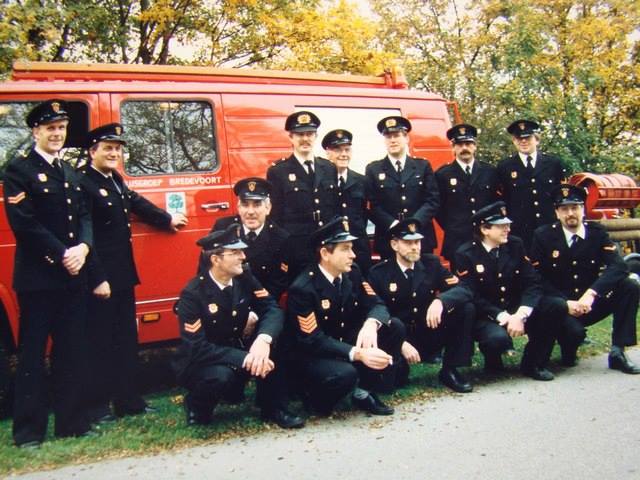
The photograph below dates from 1987. In that year, shortly before the ‘Bredevoort 800’ celebrations, the fire brigade was disbanded by the Municipality of Aalten. The firefighters resigned en masse.
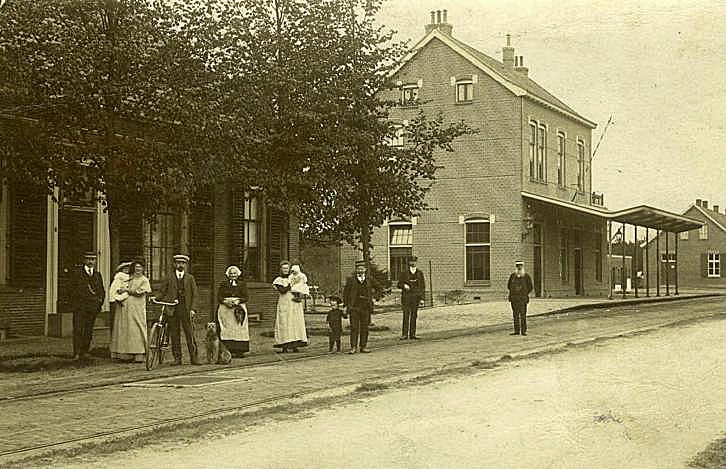
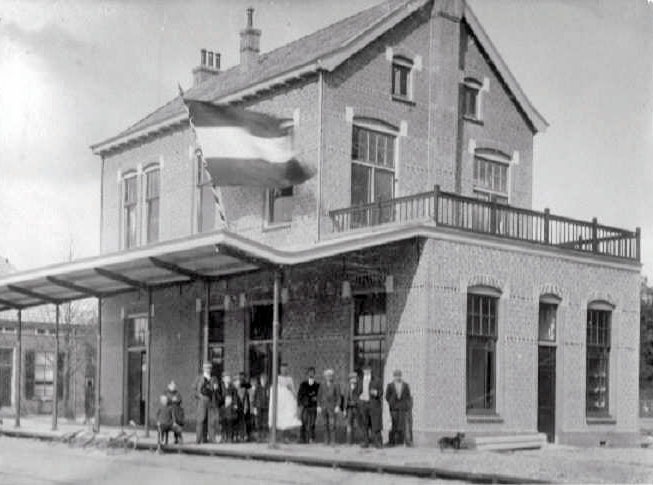
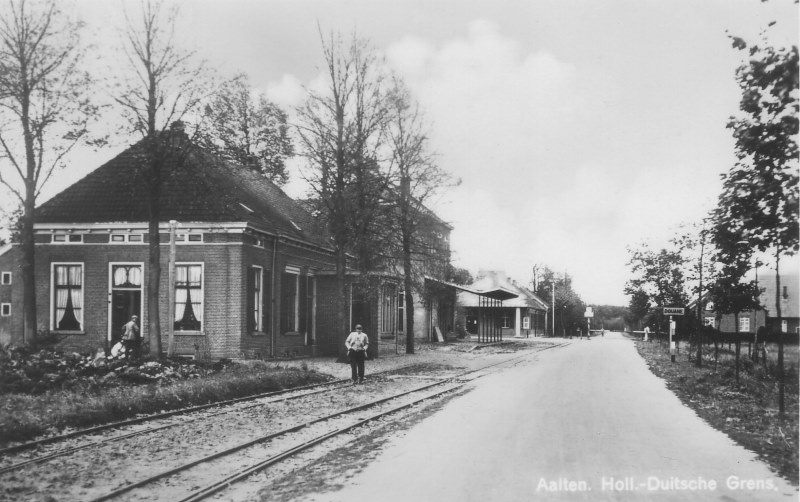
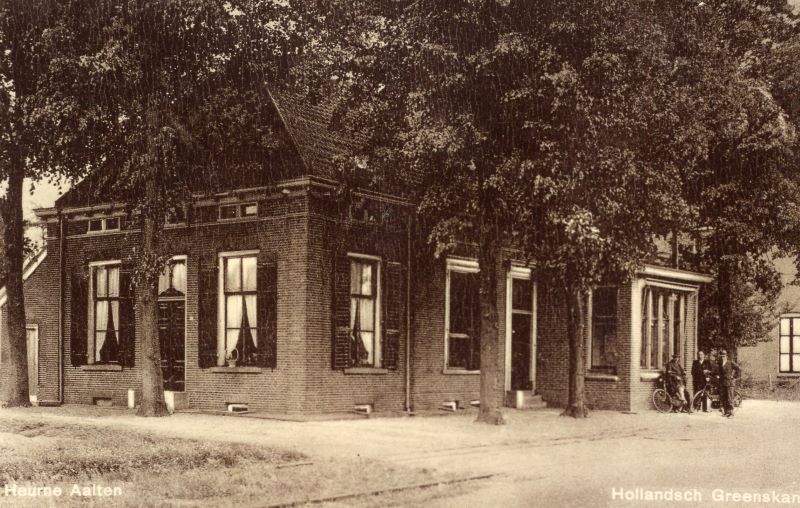
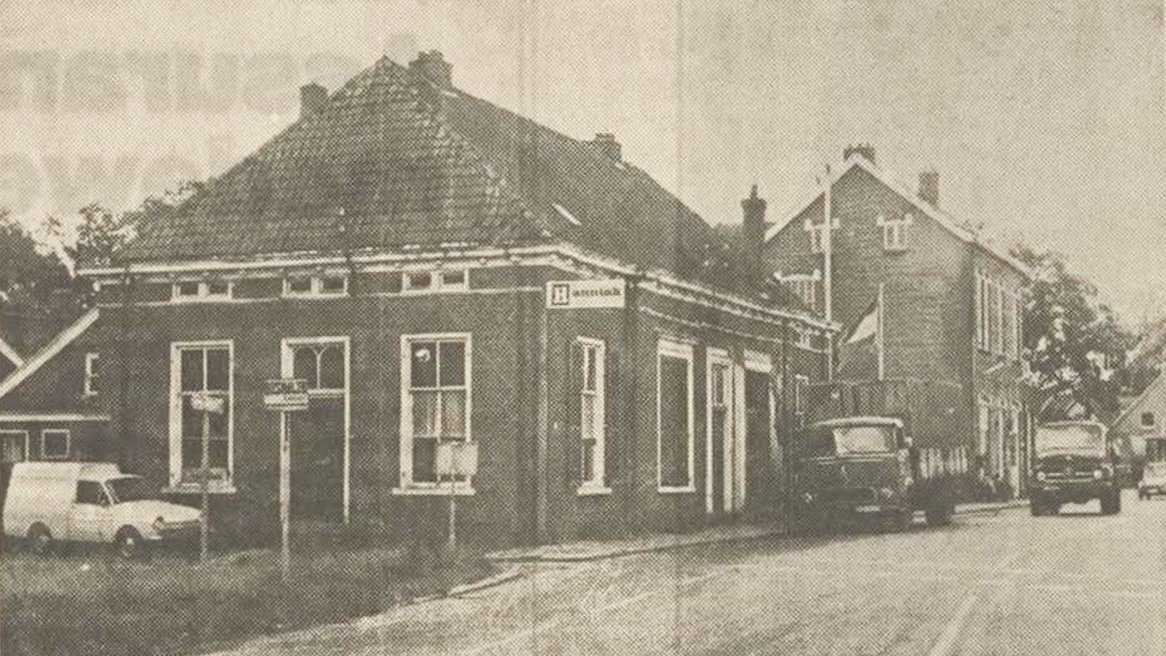
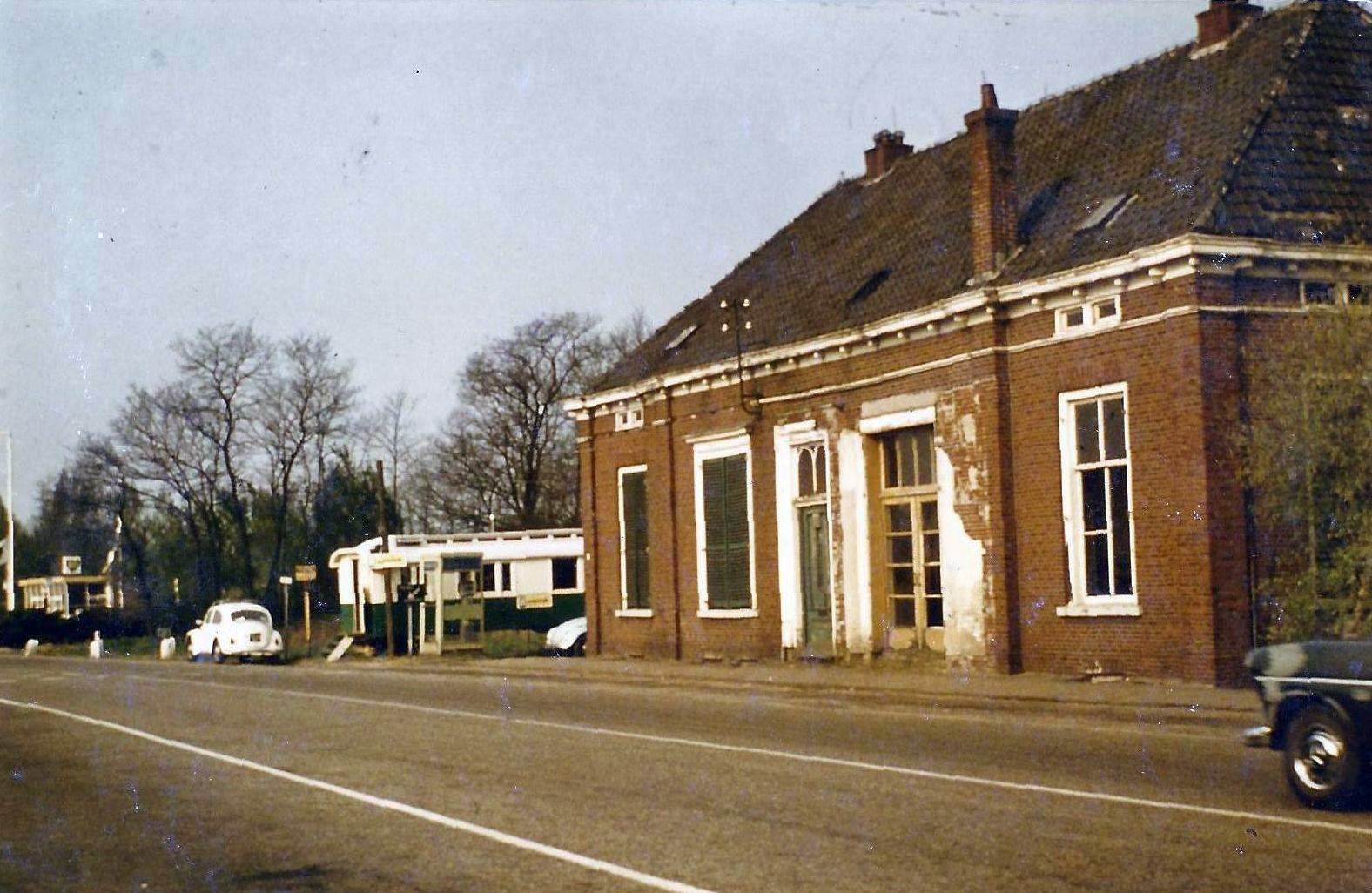
Border office (left) and tram station (with veranda), Heurne
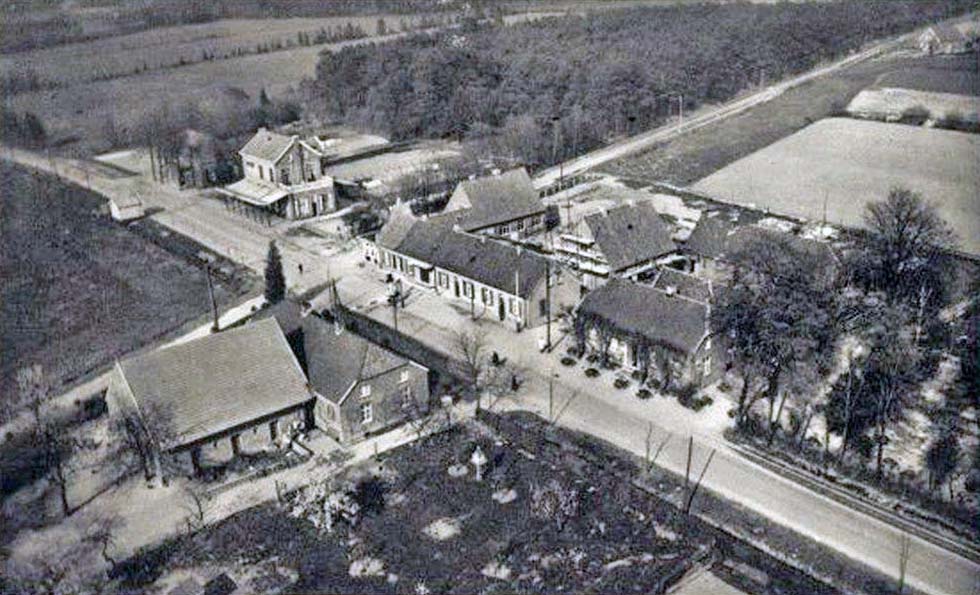
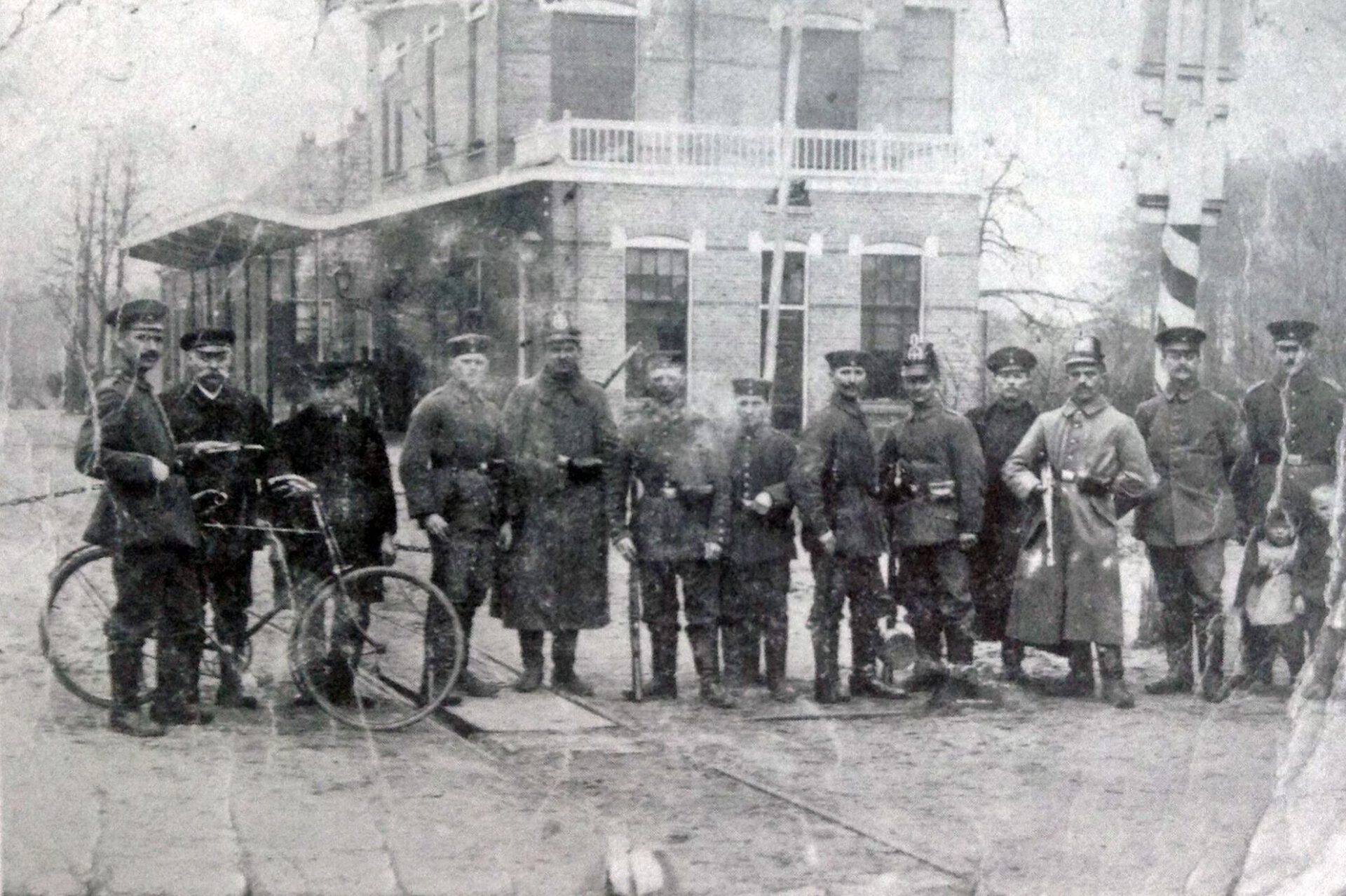
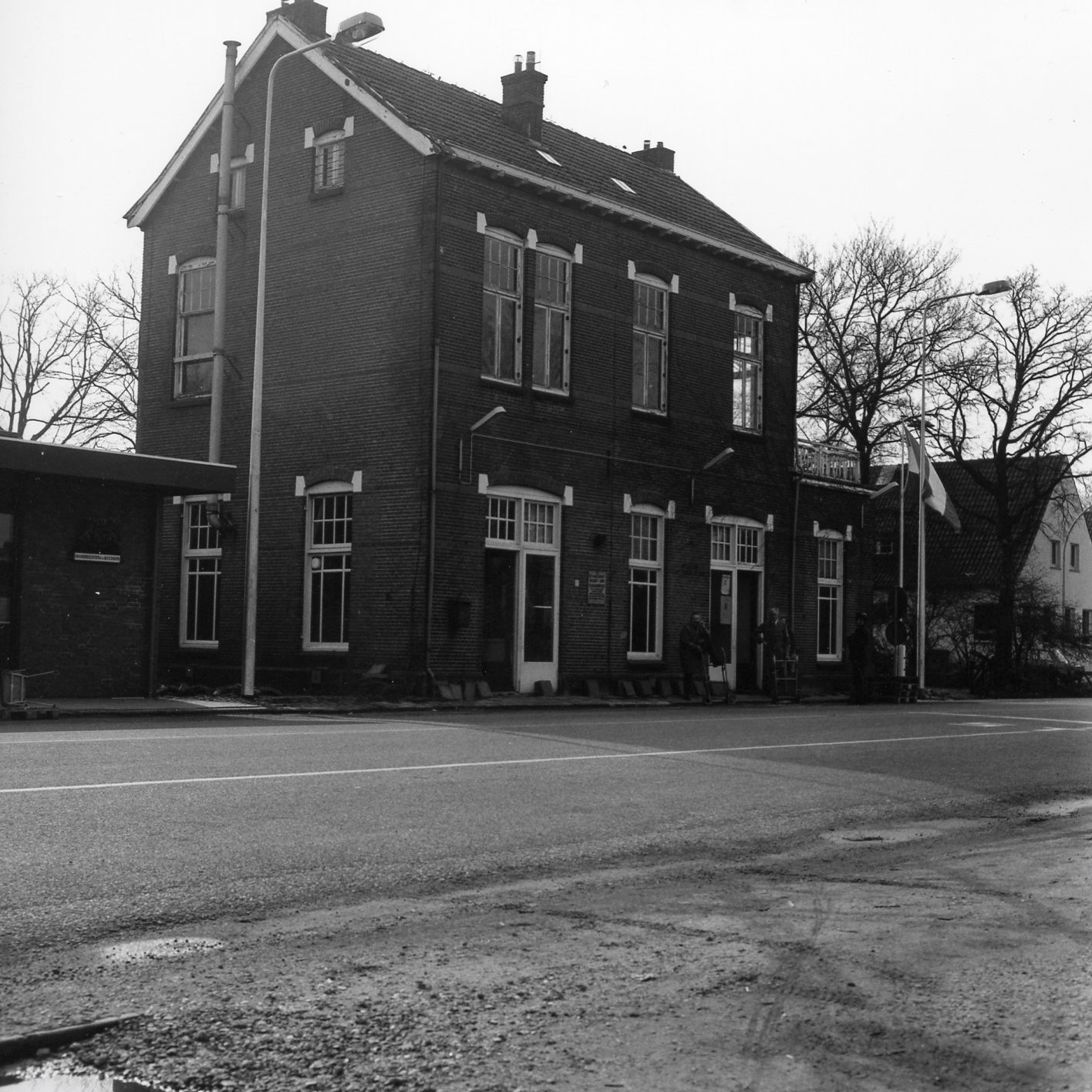
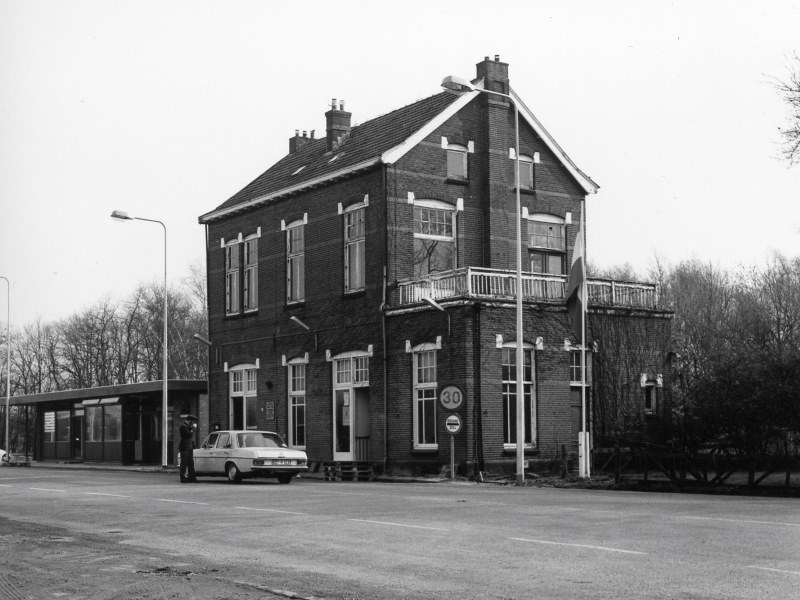
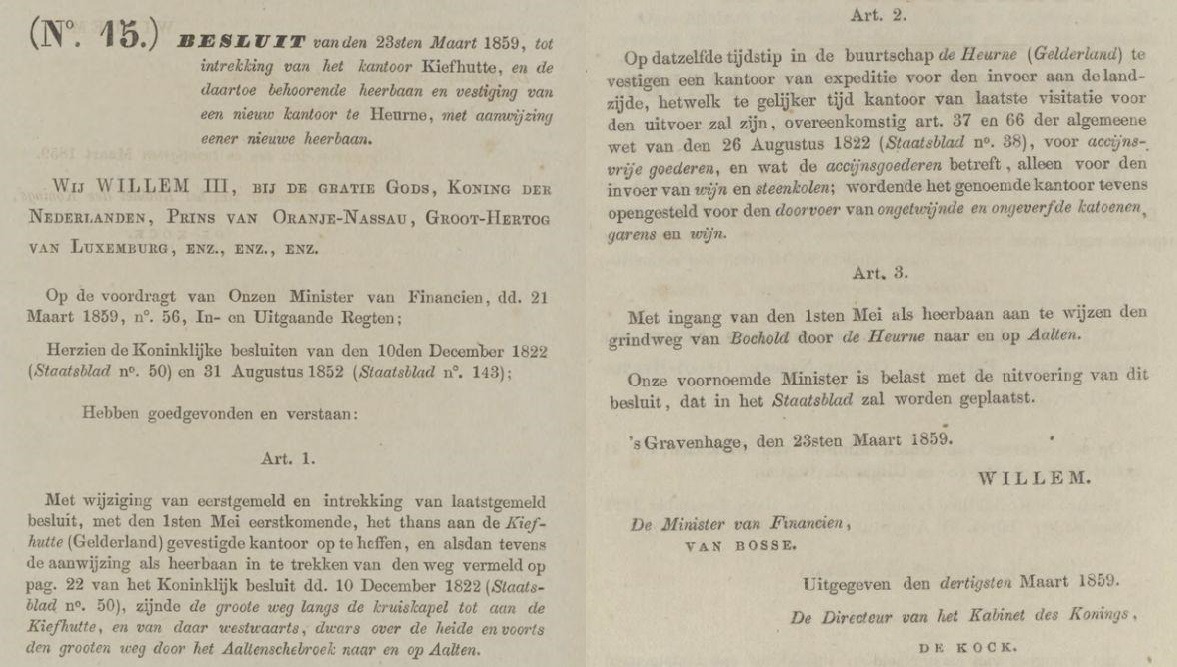
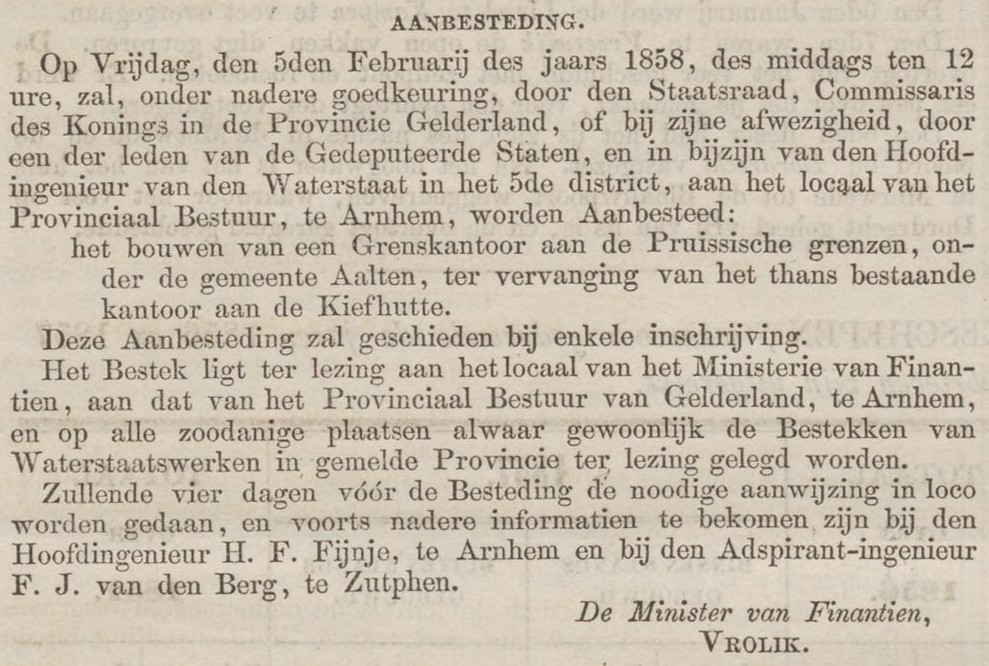
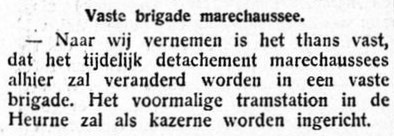
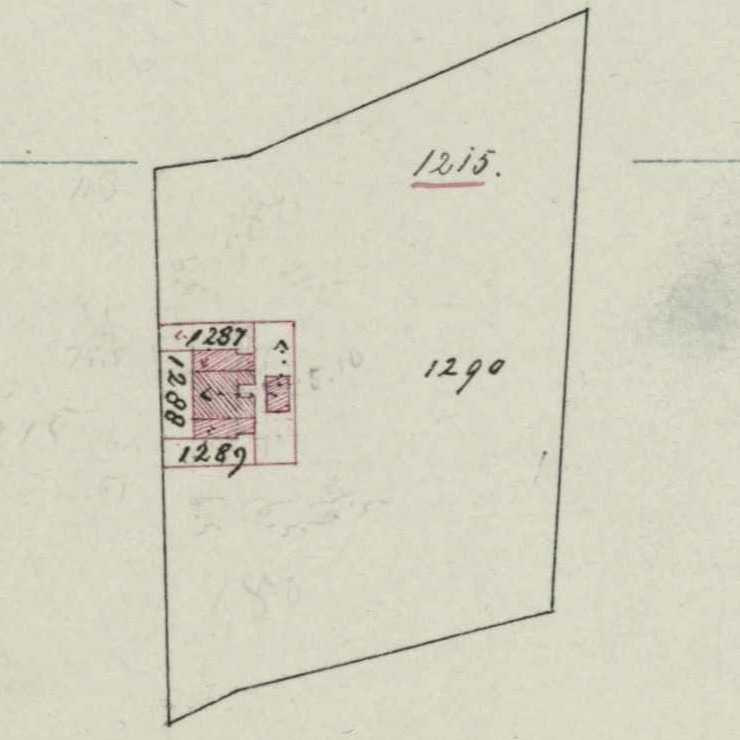
In 1859, the border office in the Aalten Heurne was moved from the Bodendijk (now Kiefteweg) to the former Bocholtscheweg, the current Hamelandroute. This was the building on the left in the photo above.
Tram and marechaussee
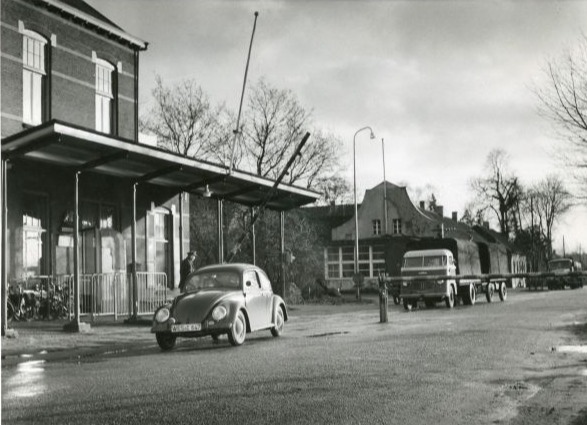
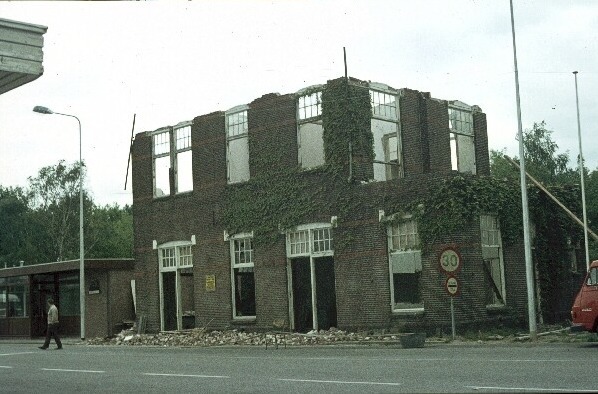
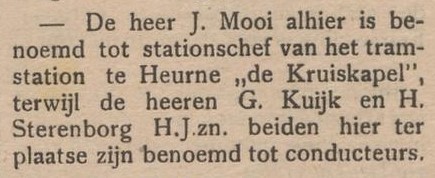
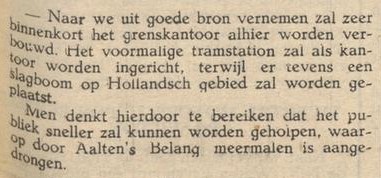
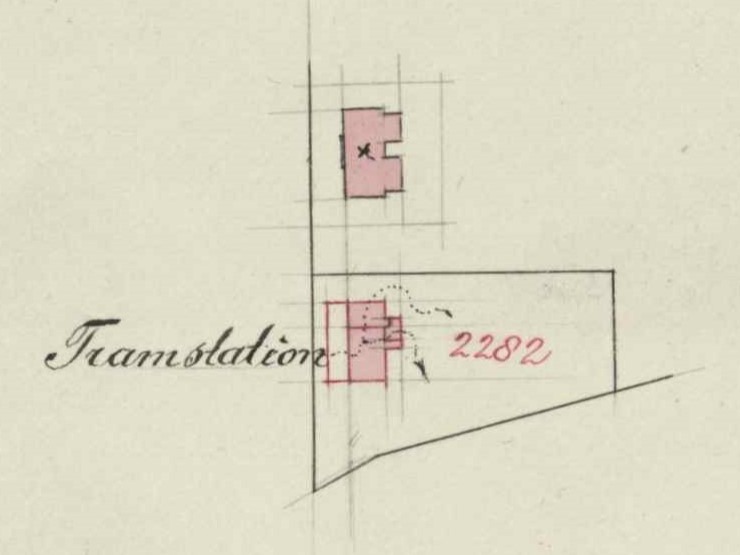
In 1910, a station for the steam tram on the Bocholt-Aalten-Lichtenvoorde line was erected next to the border office (the building with the veranda, on the right in the photo above). In 1932, this tram station was converted into a marechaussee barracks. In the late 1930s, the marechaussee moved to a new barracks on the Ringweg. The former tram station was converted into a border office. Around 1960, the ‘new’ border office was stripped of its characteristic veranda.
Border Office
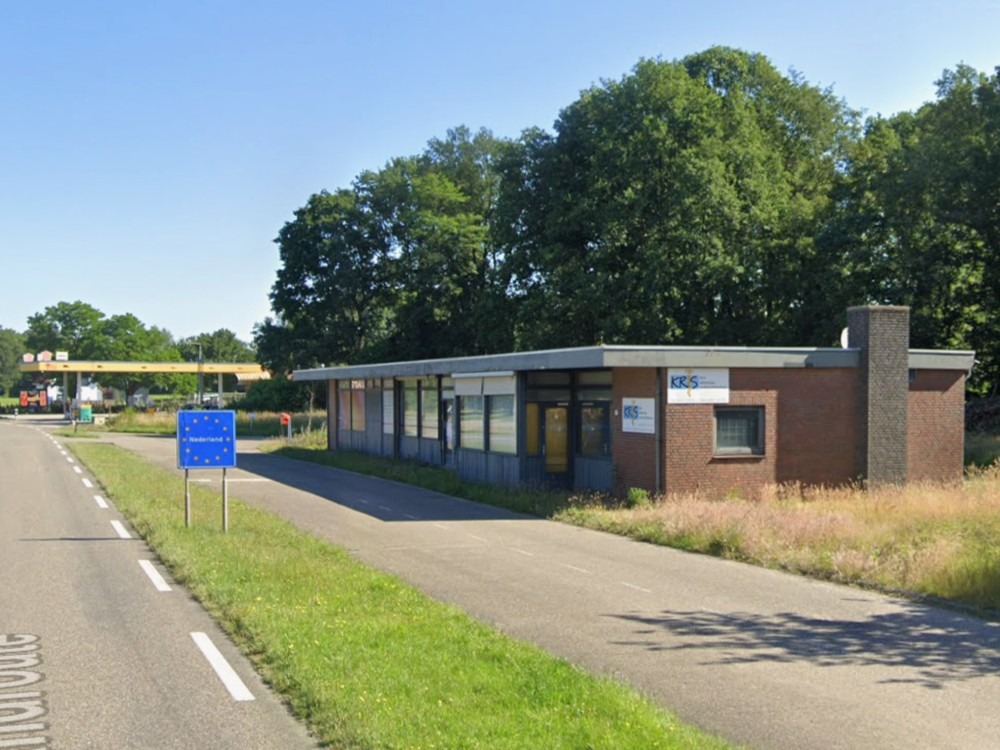
In the mid-1970s, the old border office from 1859 was demolished. Subsequently, a modern single-storey office was built on the same site. After this new building was completed, the former tram station was also demolished.
It was a busy border crossing. The customs post was manned 24 hours a day. During peak periods, fifty to sixty customs officers sometimes worked there. Following the establishment of the Schengen Agreement, the customs post was permanently closed on December 31, 1992. The office remained in use for years afterward by various small businesses. It was demolished in 2024.
In 1813 the Israelite Congregation in Aalten consisted of the following members:
Jacob Gompers Vles(+) (1753), church administrator (1810) ⚭ Sara Isaac (Stadtlohn/D, 1763 – 1825) with 4 children: • Gompert Jacob Vles, 17 years old, ovl. 1854; ⚭ Brandje Simon • Isac Jacob Vles, 14 years old • Gumken Jacob Vles, 25 years old, ⚭ 1815: Simon Jacob Schaap • Fijken Jacob Vles, 21 years old
David Isak Franken (Aalten, 1753 – Aalten, 1823) with 1 child: • Aleida David Franken (Aalten, 1799 – Aalten, 1865), ⚭ Benjamin van Beek
David Jacob Schaap, ⚭ (1) 1789: Duifken Levie, *Elten, 1771, ovl. 1811; ⚭ (2) 1815: Hanna Gompert, *Groenlo, 1767, ovl. 1844; with 1 child: • Levi David Schaap, 6 years old, ovl. 1840, unmarried
David Isac de Haas(+) (Aalten, 1767 – Aalten, 1855); address 1823: Landstraat 31 ⚭ Sophia Gompers (Groenlo, 1772 – Aalten, 1853) with 4 children: • Isac David de Haas (Aalten, 1803 – 1883) • Gompert David de Haas (Aalten, 1809 – 1877) • Eva David de Haas (Aalten, 1806 – 1866) • Sebilla David de Haas (Aalten, 1812)
Moses Jacob de Haas ⚭ 1802 Sophia Isaac (Jilchen/D) with 4 children: • Levi Mozes de Haas, 8 years old • Jacob Mozes de Haas, 6 years old • Sara Mozes de Haas, 2 years old • Hendele Mozes de Haas, 4 years old
Simon Jacob Schaap (Aalten, 25-12-1780 – Aalten, 30-03-1825) ⚭ Sara Casper Cohen (Winterswijk, 1787 – Aalten, 11-04-1814) with 4 children: • Scheune, Simon Schaap (Aalten, 08-11-1807 – Aalten, 20-11-1869) • Klara Simon Schaap (Aalten, 03-10-1809 – Aalten, 18-12-1878) • Diena Simon Schaap (Aalten, 04-01-1811 – Zevenaar, 14-08-1872) • Jacob Simon Schaap (Aalten, 02-02-1813 – Aalten, 28-11-1876)
Sara Joseph, wed. Aron Gompert van Gelder (A.G. van Gelder was born between 1798 and 1804)(+); with 5 children: • Joseph Aron van Gelder (Aalten, 15-03-1778 – Aalten, 20-03-1847) • David Aron van Gelder (Aalten, 06-06-1784 – Aalten, 19-06-1859) • Rachel Aron van Gelder (Aalten, c. 1785) • Gompert, Aron van Gelder (Aalten, 11-11-1792 – Aalten, 08-09-1836) • Liefman Aron van Gelder (Aalten, 05-01-1800 – Aalten, 07-04-1866)
Bilha Abraham van Gelder (= Sibilla Moses), with 1 illegitimate son: • Philip van Gelder, 44 years old
Hindele Ansel van Beek (= Hendele Jacobs, 1772 – Aalten, 1841), with 1 illegitimate son: • Benjamin Nathan van Beek (Aalten, 1800 – Aalten, 1873)
Eliaser / Lazer Levie de Haas
Isaac Abraham de Haas
Samson Jacob Schaap, *1785; ovl. between 1813 and 1823, unmarried
(+) This sign refers to the article by Peter Lurvink in Mishpoge II / 1, Jan. 1989: “David Markus and his descendants, a Jewish family in Aalten”.
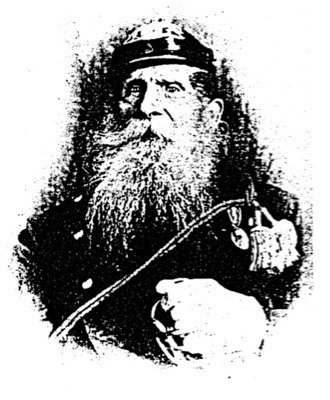
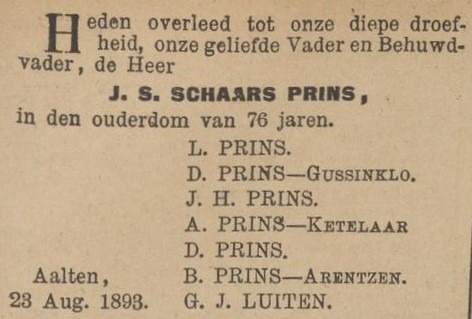
Jan Steven Schaars Prins was born in Aalten on February 23, 1817, the son of farmer Laurens Prins and Anna Elisabeth Hiebink. In 1823, the family lived at the address Aalten 3, currently Kerkstraat 5, and his father was listed with the profession of innkeeper.
On April 20, 1843, Jan Steven Schaars Prins married Johanna Walvoort. Together they had three children. After Johanna passed away in 1851, he remarried Berendeken Walvoort in 1853. They had six children together.
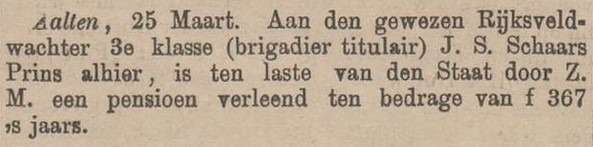
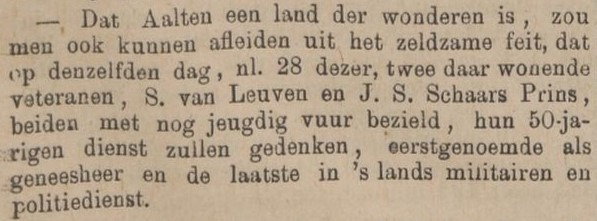
From 1858 to 1885, Jan Steven Schaars Prins was a state constable in Aalten. The mere mention of his name was enough to strike fear into people’s hearts. The youth would retreat into their shells when his name was mentioned, and it was used to get naughty rascals to go to bed.
But adults also held him in awe. He was an imposing figure, which in itself helped to restore order. And when he took action, order was restored immediately.
Schaars Prins was, so to speak, a powerhouse who had faced many a challenge. He often went out alone to cite dangerous poachers, but he also demonstrated his strength against criminals. Reportedly, he was once overpowered by poachers in the Aaltense Goor and tied to a tree. He was freed by a passerby several hours later.
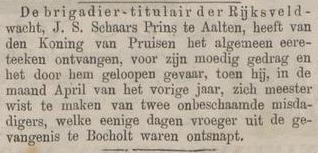
In 1876, Schaars Prins received an honorable distinction from King Wilhelm I of Prussia for courageous behavior shown the previous year during the arrest of two German murderers who had escaped from the prison in Bocholt.
Jan Steven Schaars Prins passed away on August 23, 1893, in Aalten.
Newspaper reports
Het Vaderland, March 7, 1876
Zutphensche Courant, March 26, 1886Zutphensche Courant, April 17, 1886
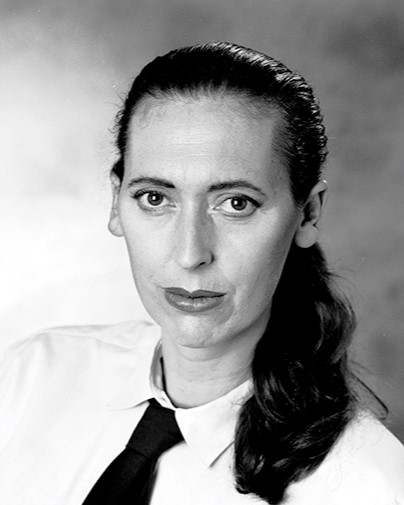
Dela Maria (Marja) Vaags was born on 29 December 1956 in Aalten. As a child, she lived at Bredevoortsestraatweg 105. She later achieved national fame as an actress, primarily for her role as Regina Jongschaap in the drama series Vrouwenvleugel. In 1994, the series won the Gouden Televizier-Ring (Golden Televizier Ring) for best television programme.
Vaags graduated from the Academy for Expression through Word and Gesture (Academie voor Expressie door Woord en Gebaar) in 1981. Following these studies, she took private lessons with tutors including Ton Lutz, Shireen Strooker, Hans Hoes, Rudolf Lucieer, Warren Robertson, and Ad van Kempen. After her training, she co-founded the theatre group Dames & Heren alongside Martine van Os and others.
Furthermore, she had guest roles in Goede tijden, slechte tijden and Medisch Centrum West, and appeared, among other projects, in several of the Sinterklaas films by Martijn van Nellestijn. In addition, she performed for a season with John Lanting’s Theater van de Lach. Her other stage credits included Edward Albee’s The Zoo Story with Stichting de Verwarring, and the play De Overgang with Stichting de Nel.
In 2007, Vaags was diagnosed with cervical cancer. Four years later, on 29 July 2011, she passed away at the age of 54 in her hometown of Amsterdam due to the complications of this illness. She was survived by a son.
Co-founder of the Dairy Factory, Agriculture and Farmers’ Credit Bank, council member and alderman, among others.
Johan Obbink was born on January 23, 1869, at the Rikkert farm in the Aalten rural district of Heurne. He was a twin brother of the theologian and court chaplain Herman Theodorus Obbink. On June 25, 1891, he married Berendina Hendrika Sondern from Groot Heinen in Lintelo. Together they had three sons and two daughters.
In 1919, he purchased the Nieuw Slaa farm together with his son Hendrik Willem and went to live there.
Social contributions
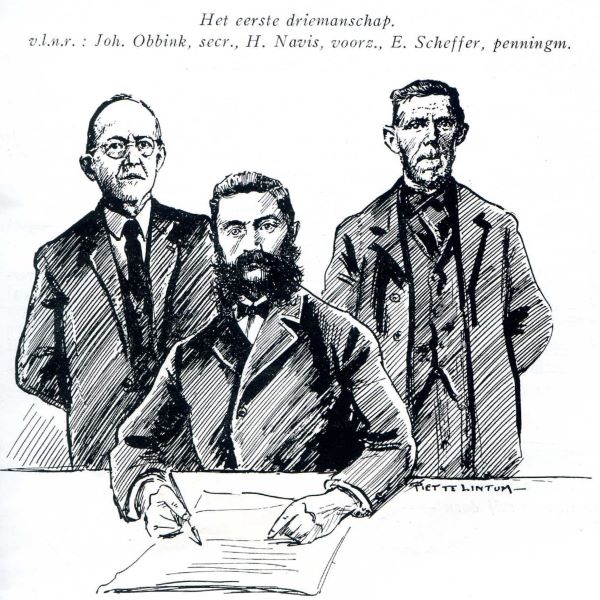
Johan Obbink held a prominent position in public life in Aalten for many years. For instance, in 1896 he was one of the founders of the Coop. Dairy Factory and in 1898 of the Coop. Agricultural Association, institutions which he served as a board member for many years. On his initiative, the Coöp. Farmers’ Credit Bank was founded in 1903, where he served as cashier for more than a quarter of a century.
Furthermore, Obbink was chairman of the ‘De Graafschap’ Ring of Farmers’ Credit Banks, a member of the Provincial Council of Gelderland, a commissioner for the P.G.E.M., and a member of the local committee of the Gelderland Agricultural Crisis Support Foundation, a council member and later alderman for the municipality of Aalten, a board member of the Mutual Farmers’ Insurance Fund, polder master of the “De Baakse Beek” water board, co-founder of the Association of Purchasing Societies in Gelderland, a member of the Supervisory Board of the State Agricultural Winter School in Winterswijk, and president-churchwarden of the Dutch Reformed Church in Aalten.
The interests of the agricultural population in particular were always at the forefront for him, which led to Obbink being not only honored but also feared for the fierce tenacity with which he fearlessly defended his opinions. It was precisely this trait that certainly made him a pioneer for the ideals he set, and in his struggle for them, Obbink achieved a great deal.
For his exceptional services, Obbink was appointed Knight of the Order of Orange-Nassau by H.M. the Queen.
Johan Obbink passed away on May 9, 1957, at the age of 88, at home in the Aalten Heurne. He was buried at the Old Cemetery on the Varsseveldsestraatweg in Aalten.
‘The first triumvirate’ of the Coop. Agricultural Association, drawing by Piet te Lintum
Funeral
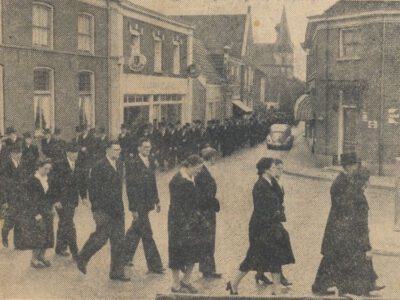
Funeral procession for the burial of Johan Obbink (De Graafschapbode, May 15, 1957)
His funeral took place with a very large attendance. The funeral service was held in Old St Helen’s Church, led by Rev. D. Groeneboer. On behalf of the municipal government, the service was attended by Mayor E.S. van Veen and Alderman J. te Roele; furthermore, the attendees included many directors of the organizations in which Mr. Obbink had played an active role, from local, regional, and national circles.
After the funeral service, a long procession, in which numerous floral arrangements were carried, departed for the cemetery at half past two. Upon arrival, the coffin containing the remains was carried to the final resting place by neighbors of the Obbink family.
Here, Mayor E.S. van Veen spoke on behalf of the municipality. The mayor described Mr. Obbink as a community man in the broadest sense of the word.
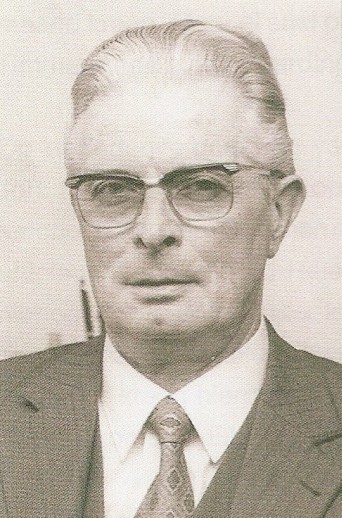
Mr. T.G. Elkink from Ruurlo, chairman of the De Graafschap Ring of Farmers’ Credit Banks and Obbink’s successor, spoke in a similar vein. Elkink outlined the great influence Johan Obbink had among farmers; even outside Aalten, Mr. Obbink’s voice often had a predominant and decisive influence.
On behalf of the national association of farmers’ credit banks, Mr. H.J. Hendriksen, deputy director of the Raiffeisenbank in Utrecht, spoke: “The name of Johan Obbink is recorded in the annals of this bank, for it is with gratitude that we commemorate the blessed work performed by three, at most four, pioneers for hundreds of thousands of farmers, and of these pioneers, Mr. Obbink from Aalten was not the least.”
Anthonius Julius Hendrikus (Ton) Kötter was born on November 9, 1906, in Aalten, at number 184a (Hogestraat). Two years after his birth, the family moved to Groesbeek. On May 23, 1929, Kötter married Tobina Anna Maria van Spreeken (Rotterdam, October 11, 1896) in Ubbergen.
When he was twelve years old, he received private trumpet lessons. At the age of 14, he took violin and trumpet lessons at the music school in Nijmegen. He subsequently studied music theory and composition privately. He became a member of the Marinierskapel der Koninklijke Marine as a trumpeter. At the Hochschule für Musik in Berlin, he studied composition and orchestral conducting under Professor Freidenberg and Wilhelm Furtwängler.
After World War II, Kotter became the conductor of various concert and fanfare bands, including the Police Band in Nijmegen. In 1948, he became the conductor for several orchestras in the Tilburg area, including the well-known Koninklijke Harmonie “Sophia’s Vereeniging” in Loon op Zand, and from 1950 to 1965, the Andels Fanfare Corps, Andel. He later conducted Soli Deo Gloria in Enschede. In 1965, he became a lecturer at the Conservatorium Enschede. From 1967 to 1977, he served as the conductor of Excelsior Eibergen.
Dutch Reformed minister, theologian, Bible translator, and court chaplain
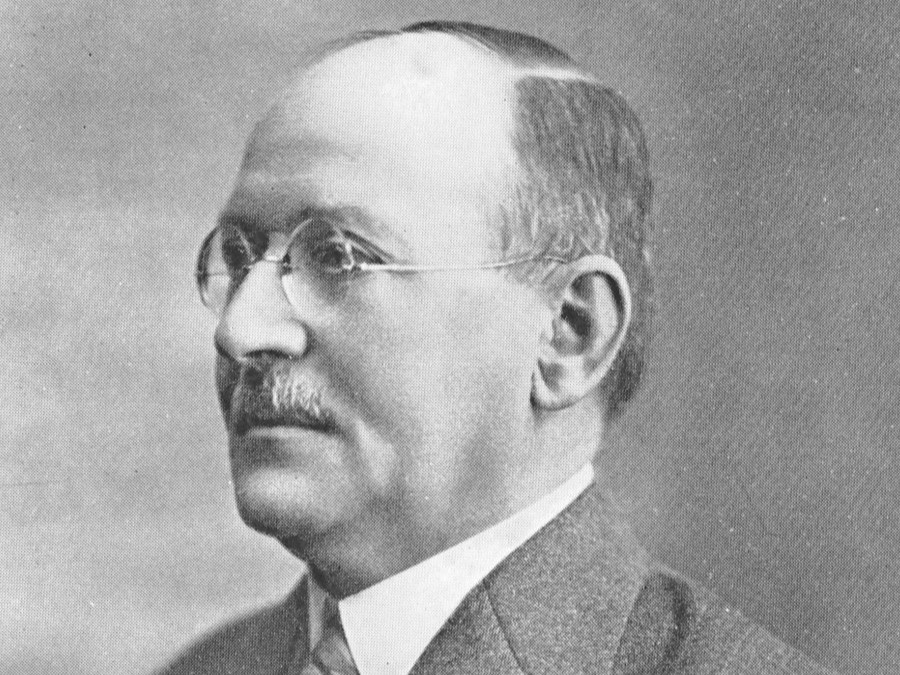
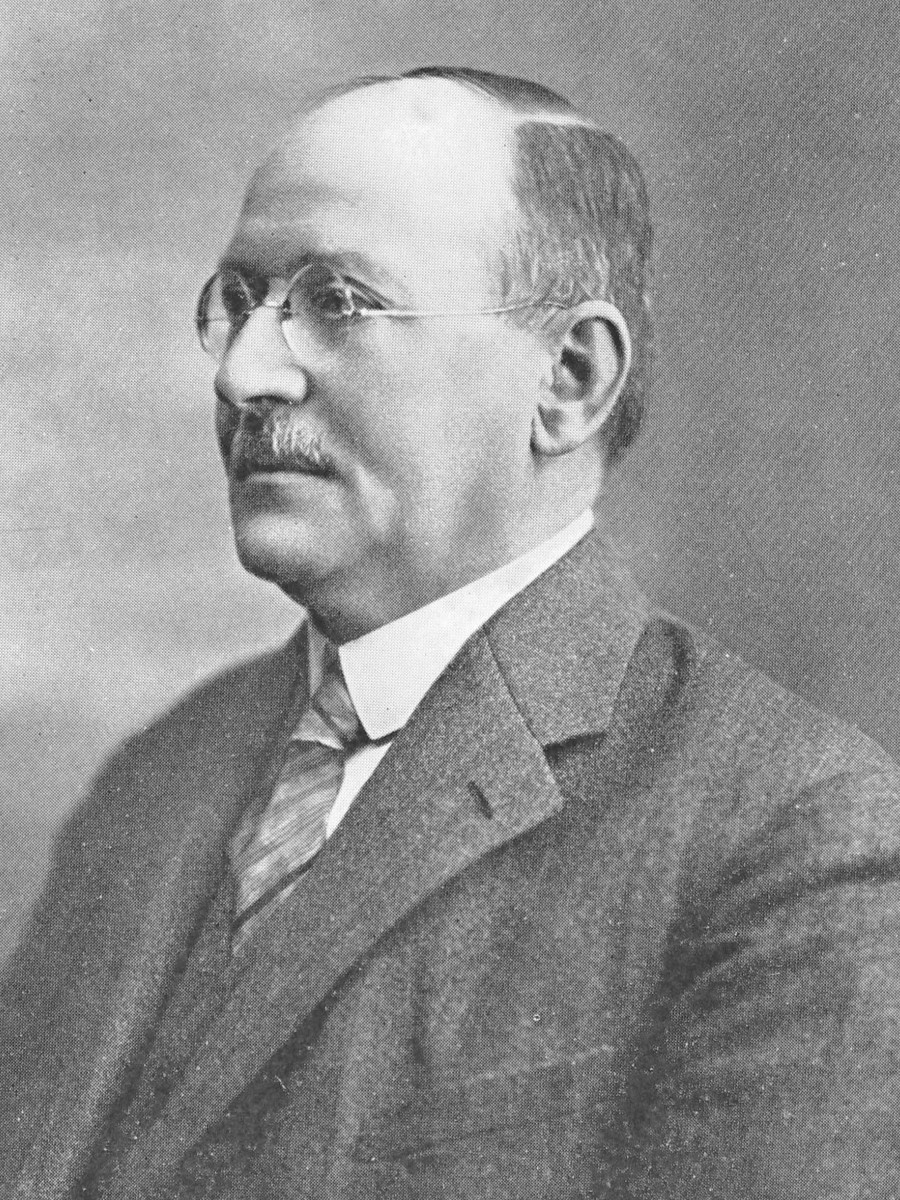
Herman Theodorus Obbink was born on January 23, 1869, at the Rikkert farm in the Aalten rural district of Heurne. He was a twin brother of Johan Obbink, who was, among other things, co-founder of the Dairy Factory and ‘de Landbouw’ in Aalten.
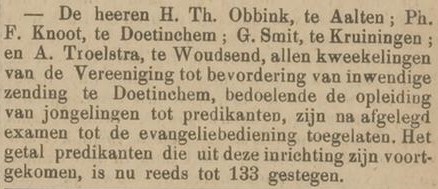
On 1889-09-16, Herman, aged 20, left for Doetinchem, and lived there on the Burg. van Nispenstraat (link). The Latin school (later State Gymnasium / Municipal Lyceum) was located there.
On September 20, 1892, he left Doetinchem for Utrecht, where he studied at Utrecht University. Subsequently, he served as a minister in Hoogersmilde, Kamperveen, Middelburg, and The Hague. On December 2, 1901, he obtained his doctorate in Utrecht with the thesis “The Holy War according to the Quran”.
On April 20, 1897, he married Jantine Gérardine ten Cate (1874-1949). The couple had three sons.
Professor
In 1910, he was appointed professor at the University of Amsterdam with the teaching assignment “General History of Religion and the History of the Israelite Religion”. His inaugural lecture was titled “The Significance of Egypt and Babylonia in the Ancient Religious World”.
In 1913, he was appointed Professor of Theology and History of Religion at Utrecht University. His inaugural lecture was titled “On Ancient Egyptian Conceptions regarding Death and Life”. The subjects of both lectures reflect his interest in the Egyptian and Babylonian-Assyrian world, which he always studied in connection with the Old Testament. At Utrecht University, he also gave language lectures in Assyrian and Ancient Egyptian.
Bible translator and court chaplain
In 1924, Obbink’s translation of the Old Testament was published. This was supplemented in 1927 with a translation of the New Testament by his colleague Annéus Marinus Brouwer (1875-1948). The translation, the “Utrecht translation“, is usually referred to as “Obbink and Brouwer”. He was rector of Utrecht University in 1928/1929. In 1939, he retired; his son Hendrik Willem Obbink succeeded him.
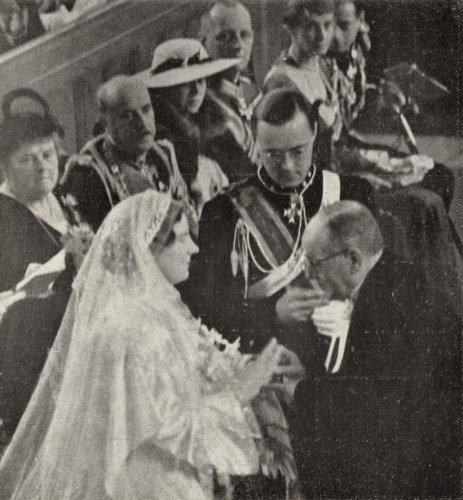
From 1929 to 1947, Obbink was a court chaplain. In that capacity, he officiated at the wedding of Queen Juliana and Prince Bernhard in 1937. He also baptized Princess Beatrix and led the funerals of Queen Emma and Prince Hendrik, the husband of Queen Wilhelmina (source).
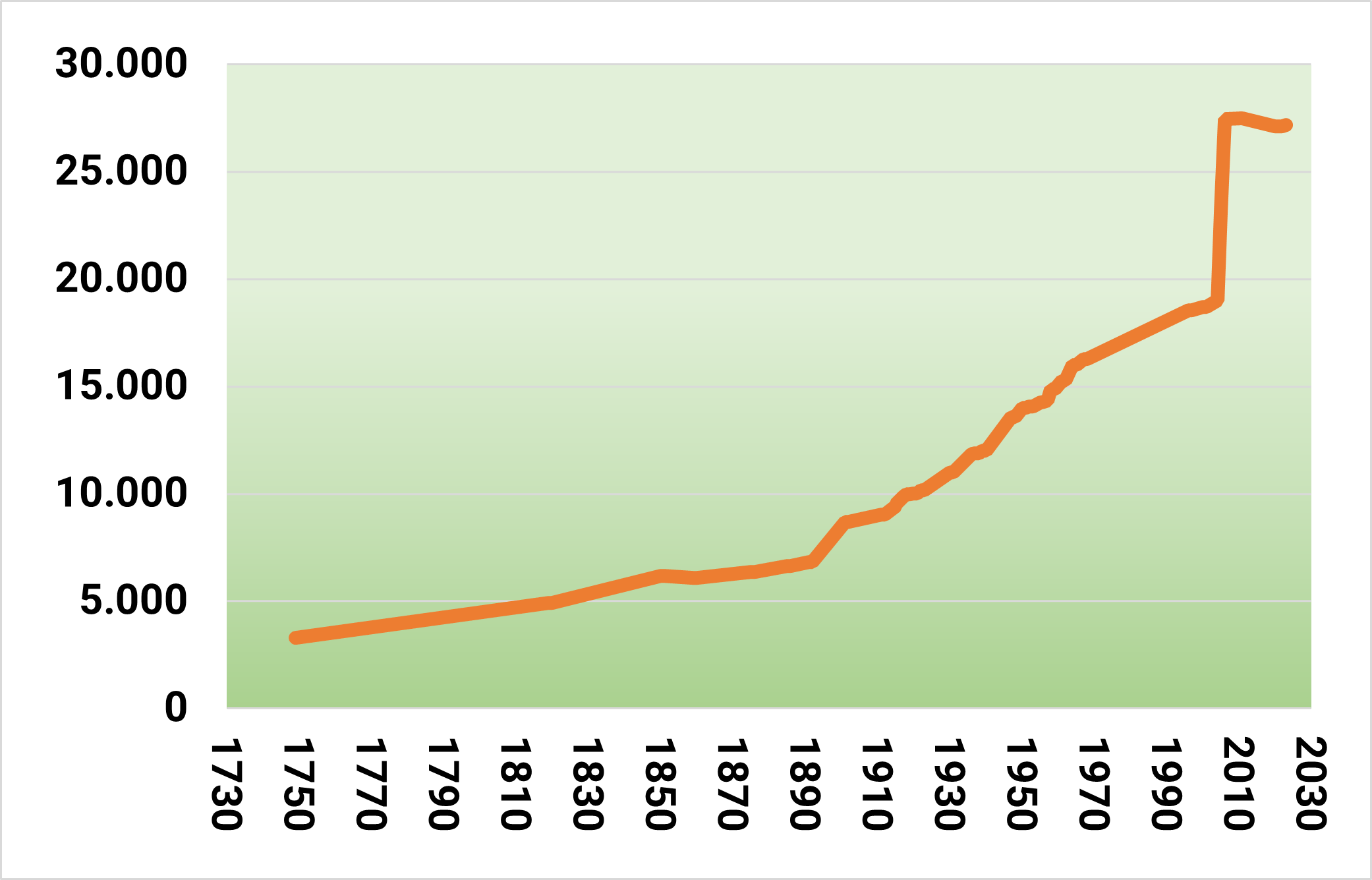
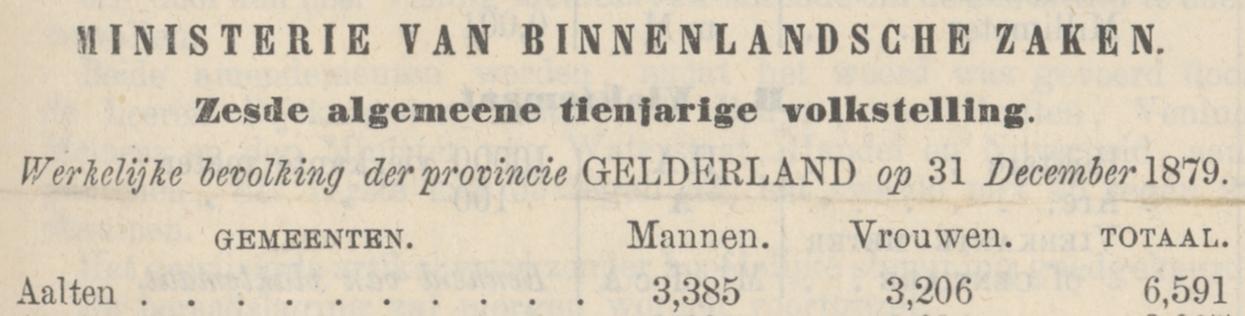
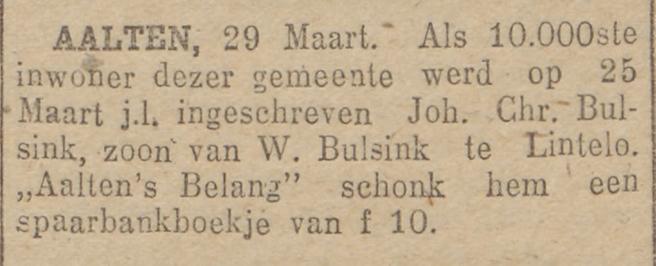
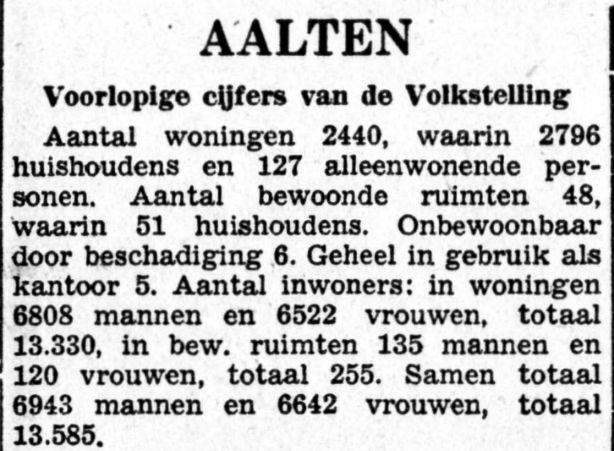
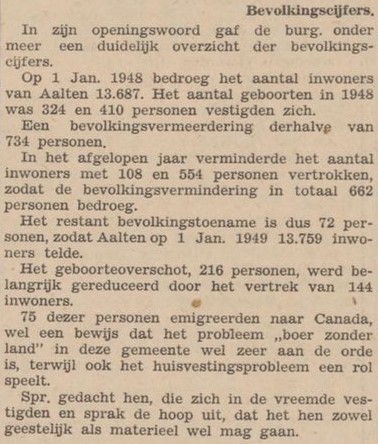
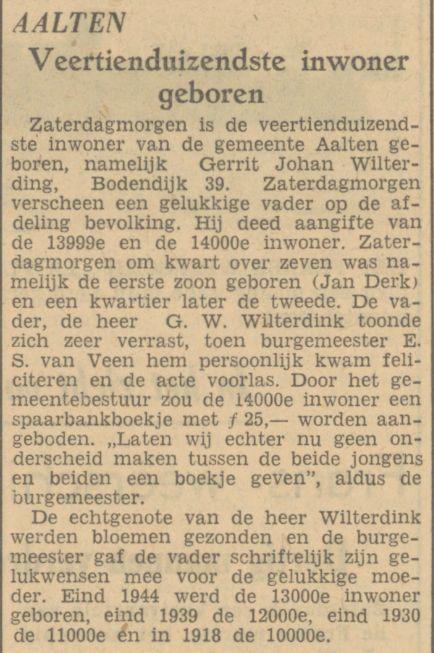
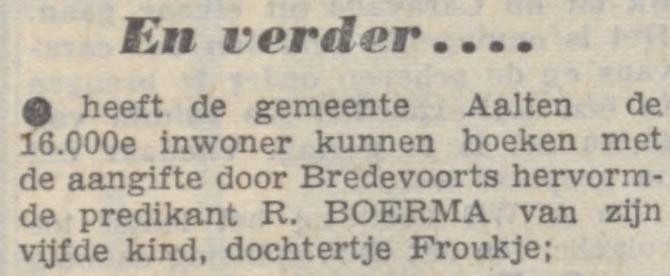
The population trend of the municipality of Aalten. Please note: in 2005, the former municipalities of Aalten and Dinxperlo were merged into the municipality of Aalten. This explains the significant jump in the number of inhabitants in that year.
Do you have any additions to these figures (including source)? Please let us know!
* On October 30, 1954, the Tubantia newspaper wrote about a sociographic study on “Settlements in Gelderland” written fifty years earlier by Prof. Dr. H. Blink:
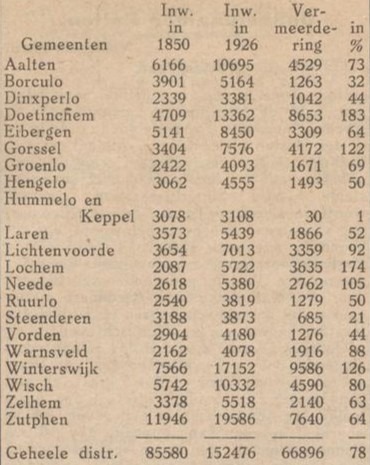
It is undoubtedly interesting to also examine how the development of the municipality of Aalten has progressed over the last fifty years. First, regarding the population. The figures provided by Prof. Blink in his report must refer to the village of Aalten (excluding the rural districts). After all, according to the census of 1748, the number of souls in the parish of Aalten was 3,298 in that year. Of these, 1,163 lived in the village of Aalten. In 1819, the population officially numbered 4,913, of which 692 lived in Bredevoort and the remainder in Aalten and the rural districts. In the course of fifty years, the population of Aalten (village) has nearly tripled. Currently, approximately 6,500 people reside in the village.
Newspaper reports
Census number of inhabitants Aalten, 187910,000th inhabitant of the municipality of Aalten,1918Population development in the Graafschap 1850-1926
Number of inhabitants of the municipality of Aalten, 1947Aaltensche Courant, 14 January 1949
14,000th inhabitant of the municipality of Aalten, 195016,000th inhabitant of the municipality of Aalten, 1964
Gooswijn van der Lawick or Goosen van der Lauwick (Diepenheim, ca. 1547 – Bredevoort, June 23, 1629) was a captain, Lord of Geldermalsen, vassal of ter Hegge and ten Velde, bailiff of Bredevoort, and a member of the knighthood of Zutphen and Nijmegen.
Gooswijn was a son of Goossen van der Lawick, Lord of Geldermalsen and bailiff of Buren, and Anna van Asperen van Vueren. He married the widow of Floris van Buckhorst, Joanna Bentinck, and was consequently enfeoffed with the castle and lordship of Buckhorst near Zalk in Overijssel. Two of his sons, Christoffel and Georg Nicolaas, would later also become bailiffs of Bredevoort.
Service to the States
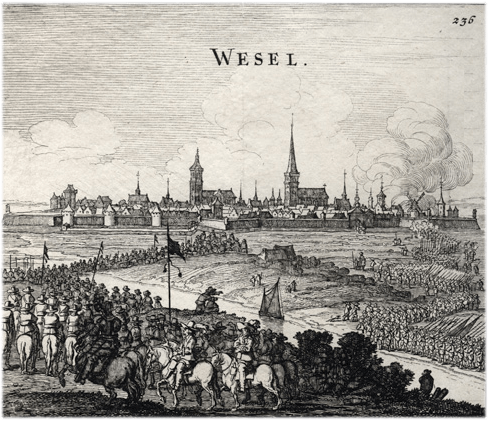
Gooswijn van der Lawick became famous during the siege and relief of Bredevoort in 1606. After the Spaniards managed to overrun Bredevoort, the citizens and garrison were able to flee to Bredevoort Castle to continue the defense of the city while awaiting relief from surrounding States’ armies. However, the Spaniards had no powder and shot. These had coincidentally been brought into the castle by Gooswijn van der Lawick the day before. As a result, the Spaniards failed to take the town; they ran out of ammunition. In 1629, as commander, Van der Lawick also participated in the Capture of Wesel, together with Wolf Mislich.
Captain Wolf Misslich was the commander of the States’ garrison in Bredevoort during the early 17th century. In 1629, he participated in the capture of Wesel, for which he was rewarded by the States-General. Later that same year, he was appointed governor of the Lordship of Bredevoort. His substantial legacy to the poor established him as one of the greatest benefactors in the history of the town.
Misslich and his troops captured two Spanish redoubts on the Lippe. For his services, he received a gold medal valued at one hundred rijksdaalders from the States-General.1
Following these military successes, Misslich was appointed governor of Bredevoort, a strategically located fortified town in the east of Gelderland.
Family, legacy, and charity
In a deed dated June 27, 1629, Misslich is referred to as “van Paterborn” (Paderborn), indicating his place of origin.2 He was initially married to Catharina van Jeveren; from this marriage, a daughter, Anna Margaretha, was born. Anna Margaretha married Captain Robert van Giffen; they had a daughter named Catharina. Both Anna Margaretha and her daughter passed away in the summer of 1639, shortly before Misslich himself. After the death of his first wife, Misslich remarried his maidservant, Nelleke Servaes.3
In a will dated December 26, 1628, Misslich already demonstrated his philanthropic nature. In it, he bequeathed, among other things, 500 Carolus guilders to the poor of Emmerich; he named his daughter Anna Margaretha as the heir to the rest of his estate and also left five hundred guilders to his nephew (his namesake, Sergeant Wolf Misslich), three hundred guilders to his—then—maidservant Nelleken, and twenty rijksdaalders and a cloak to his servant Jurrien. 4
His charitable work took further shape in the following years. In 1637, he purchased a house with a barn, garden, and appurtenances within the town of Bredevoort from the Deputies of the County of Zutphen, with the provision that the property would pass to the poor after his death.5 On July 13, 1639, he bequeathed 6,000 Carolus guilders to the New Orphanage in Zutphen and 100 rijksdaalders to the poor of Lochem.6
The house of Misslich (Agnietenhuis)
However, the most well-known part of his legacy went to the poor of Bredevoort. According to his will, he left his house, garden, and associated lands to the city’s poor relief—a donation later estimated at 15,000 guilders, an exceptionally large sum for that time. This gift gave rise to the local saying: “The poor of Bredevoort are rich.”7
Misslich’s house was likely located near the Ambthuis. The rental income from the property was entirely dedicated to poor relief. Until the nineteenth century, the fund resulting from his legacy was still managed by the church’s deacons and provisors. In 1808, the fund still represented a value of over 6,000 guilders.
One of the properties that passed to the poor of Bredevoort was the Erff und Guedt Lenckhoff in Aalten, which Misslich had purchased in 1638 from Count Georg Ernst van Limburg Stirum.8 This estate was situated in the area between the current Bodenvoor, Bredevoortsestraat, and Haartsestraat (later known as Lankhaverstegge) and extended to the Smees. The Lankhofstraat is named after it.
Death
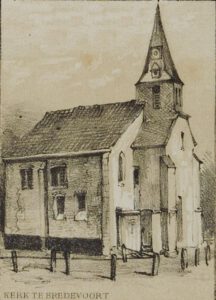
Saint George’s Church in the 19th century (illustrative image)
On August 1, 1639, Misslich transferred part of his assets to his son-in-law Robert van Giffen, including an estate in Nieuw Vossemeer near Steenbergen and significant annuities in the Veluwe and Emmerich.9
Shortly thereafter, Misslich passed away; on August 17, 1639, his will was opened.10 He was buried in Saint George’s Church in Bredevoort.11
In 1661, he is still mentioned in the archives as “the stern and valiant governor” in connection with the sale of a house “for the benefit of the poor”.12
Wolf Misslich was not only a capable military officer and administrator but also a man with a profound social conscience. His generous donations ensured that the poor of Bredevoort received support for generations. Nearly four centuries after his death, his name lives on in the history of the town he served.
Deze website gebruikt cookies voor een optimale ervaring en analyse van bezoekgegevens. Ga je hiermee akkoord? Zonder toestemming werken sommige onderdelen van de site mogelijk minder goed.
Functioneel
Always active
De technische opslag of toegang is strikt noodzakelijk voor het legitieme doel het gebruik mogelijk te maken van een specifieke dienst waarom de abonnee of gebruiker uitdrukkelijk heeft gevraagd, of met als enig doel de uitvoering van de transmissie van een communicatie over een elektronisch communicatienetwerk.
Voorkeuren
De technische opslag of toegang is noodzakelijk voor het legitieme doel voorkeuren op te slaan die niet door de abonnee of gebruiker zijn aangevraagd.
Statistieken
De technische opslag of toegang die uitsluitend voor statistische doeleinden wordt gebruikt.De technische opslag of toegang die uitsluitend wordt gebruikt voor anonieme statistische doeleinden. Zonder dagvaarding, vrijwillige naleving door je Internet Service Provider, of aanvullende gegevens van een derde partij, kan informatie die alleen voor dit doel wordt opgeslagen of opgehaald gewoonlijk niet worden gebruikt om je te identificeren.
Marketing
De technische opslag of toegang is nodig om gebruikersprofielen op te stellen voor het verzenden van reclame, of om de gebruiker op een site of over verschillende sites te volgen voor soortgelijke marketingdoeleinden.