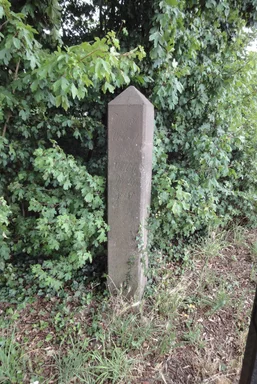
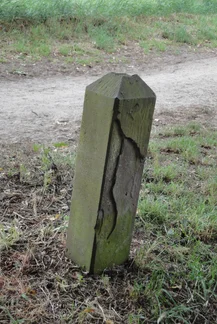
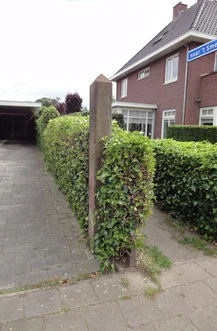
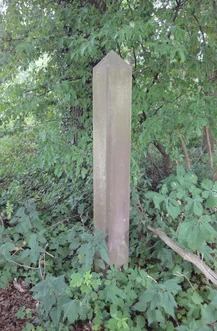
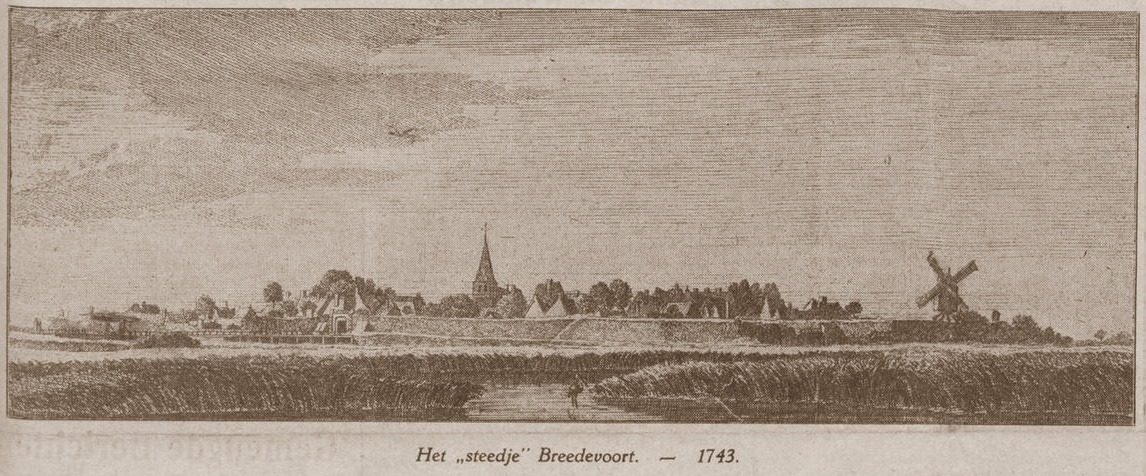
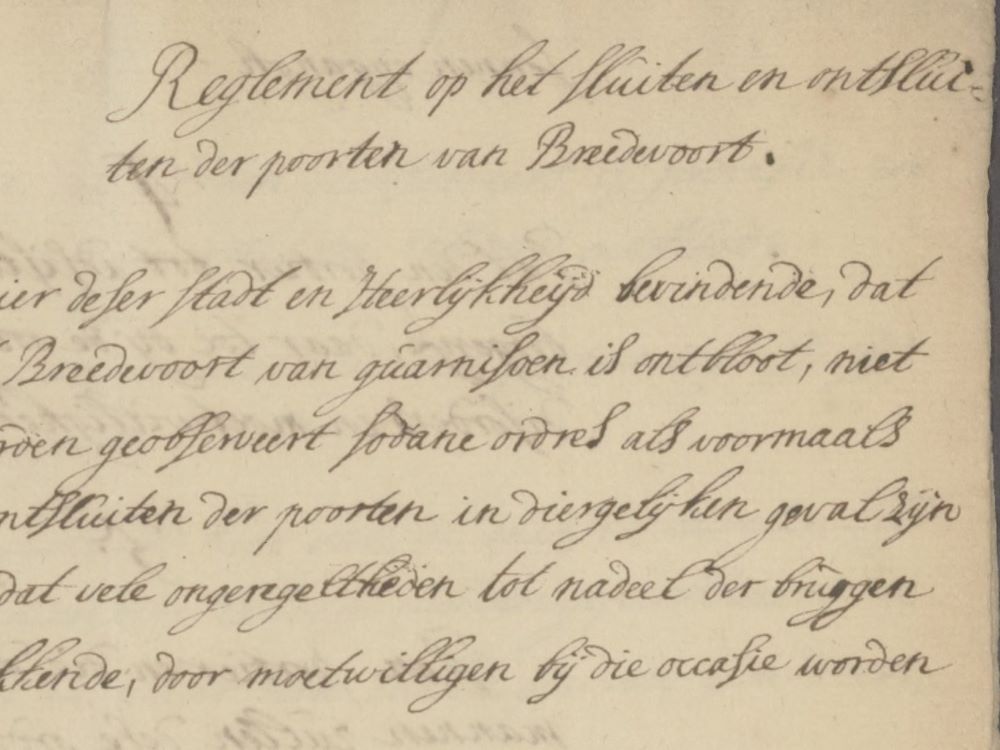
| Bredevoort | A4 | Misterstraat 89 | Gerrit Jan Demmink, brouwer te Bredevoort | 780 m² huis en erf | Meinen |
| Bredevoort | A8 | Misterstraat 87 | Grades Brummelstroet, landbouwer te Bredevoort | 600 m² huis, schuur en erf | Leste Stuver |
| Barlo | A15 | Groot Deunkweg 4 | Jan Willem Ansink, landbouwer te Bredevoord | 590 m² huis en erf | Oonk |
| Barlo | A16 | Groot Deunkweg 4 | wed. Derk Deunk, landbouwster te Aalten | 690 m² huis en erf | Oonk |
| Barlo | A24 | Groot Deunkweg 2 | wed. Derk Deunk, landbouwster te Aalten | 600 m² huis en erf | Huikert |
| Barlo | A29 | Lichtenvoordsestraatweg 101 (bij) | Hendrik Jan Abbink, landbouwer te Aalten | 670 m² huis en erf | Veenemaat (Abbink) |
| Barlo | A41 | Groot Deunkweg 1 | wed. Derk Deunk, landbouwster te Aalten | 300 m² huis en erf | Hengeveld (Oonk) |
| Bredevoort | A42 | Stadsbroek 6 (bij) | Louis du Pré, leerlooier en ontvanger te Bredevoort | 290 m² huis en erf | |
| Barlo | A44 | Lichtenvoordsestraatweg 93a/b | Jan Willem Beestman, steenbakker te Aalten | 800 m² huis en erf | Nieuw Pakkebier/Götter |
| Barlo | A51 | Lichtenvoordsestraatweg 89 | Gemeente Aalten | 1210 m² huis en erf | Veldzicht |
| Bredevoort | A51 | Bleekwal 21-23 (bij) | Jan Berend Top, bleeker te Bredevoort | 40 m² huisje | |
| Bredevoort | A83 | Kloosterdijk 1 | Albert Aalbers, looijer te Bredevoort | 176 m² huis en erf | Balke |
| Barlo | A143 | Nijhofsweg 2 | Teunis Veldkamp | 740 m² huis en erf | Roomse Scheper |
| Barlo | A150 | Nijhofsweg 1 | Jan Willem Ansink, landbouwer te Aalten | 1060 m² huis en erf | Scheper/Steenkamp |
| Barlo | A163 | Ligterinkweg 6 | Petrus Driessen, koopman te Bocholt | 1760 m² huis en erf | Ligterink |
| Barlo | A218 | Lichtenvoordsestraatweg 77a | Gerrit Zweenen, landbouwer te Aalten | 1060 m² huis, schuur en erf | Zweenen |
| Barlo | A243 | Markerinkdijk 38 (bij) | J.H. Nijhof e.c., landbouwer te Aalten | 700 m² huis en erf | Keuper |
| Barlo | A249 | Markerinkdijk 32 | Jacob Manschot e.c., landbouwer te Aalten | 1990 m² huis, schuur en erf | Markerink |
| Barlo | A256 | Ligterinkweg 1 | wed. Willem Gussinklo, landbouwersche te Aalten | 690 m² huis en erf | Wolterink |
| Barlo | A263 | Ligterinkweg 2 | Engelbert Schutte, landbouwer te Aalten | 430 m² huis en erf | Grevenbrink/Brink |
| Barlo | A289 | Lichtenvoordsestraatweg 67(c) | Hendrik Jan Jentink, landbouwer te Aalten | 790 m² huis en erf | Fukker |
| Barlo | A340 | ‘t Villeken 7 | Louwrens Becking e.c., jeneverbrander te Aalten | 183 m² water als weiland | Maris |
| Bredevoort | A375 | Misterstraat 68 | wed. Jan Berend Bennink te Winterswijk | 860 m² huis, schuur en erf | Den Diek (Diekman) |
| Bredevoort | A387 | Misterstraat 91 | Arend Jan Klomps, landbouwer te Bredevoort | 380 m² huis, schuur en erf | Klomps-/Voagshuus |
| Bredevoort | A389 | Misterstraat 85 | Janus te Molder, landbouwer te Bredevoort | 870 m² huis, schuur en erf | Coenraad |
| Barlo | A409 | Meinenweg 7 | Louwrens Becking e.c., jeneverbrander te Aalten | 1170 m² huis, schuur en erf | Lubbers |
| Bredevoort | A423 | Bekendijk 16 (bij) | Hermanus Gijsbers, bleker te Bredevoort | 72 m² huisje | |
| Barlo | A430 | Barloseweg 14 | Gerrit te Hennepe, landbouwer te Aalten | 420 m² huis en erf | Nachtegaal |
| Barlo | A441 | Meinenweg 4 | Jan Willem Walvoort, bakker en knecht te Zutphen | 1610 m² huis, schuur en erf | Meijnen |
| Barlo | A466 | Markerinkdijk 59 | Harmen Jan Pennings | 530 m² huis, schuur en erf | Lankhof |
| Barlo | A485 | Markerinkdijk 42 (t.o.) | Gerrit Jan Vossers, landbouwer te Aalten | 390 m² huis en erf | |
| Barlo | A488 | Markerinkdijk 57 | wed. Willem Gussinklo, landbouwersche te Aalten | 1840 m² huis, schuur en erf | Swijtink |
| Barlo | A495 | Markerinkdijk 44 | wed. Arend Jan Westendorp | 1020 m² huis, schuur en erf | Klomps |
| Barlo | A505 | Barloseweg 22 (bij) | Hendrik Jan ten Haken, landbouwer te Aalten | 430 m² huis, schuur en erf | Oolthuis (Ools) |
| Barlo | A507 | Barloseweg 24 | Antonie Houwers e.c., landbouwer te Aalten | 480 m² huis en erf | Tolkamp |
| Barlo | A508 | Barloseweg 26 | Gerrit Jan Luiten, landbouwer te Aalten | 880 m² huis en erf | Greute (Greutink) |
| Barlo | A510 | Barloseweg 26 | Arend Jan Graven e.c., landbouwer te Bredevoord | 700 m² huis, schuur en erf | Greute (Greutink) |
| Barlo | A524 | Barloseweg 9 | Roelof Arentzen e.c., assessor te Aalten | 1710 m² huis, schuur en erf | Winkelhorst |
| Barlo | A540 | ‘t Villeken 7(a) | Gerrit Prinsen, landbouwer te Aalten | 1480 m² huis, schuur en erf | Maris |
| Barlo | A554 | Gandvoortweg 2 | Gerrit Straks, landbouwer te Aalten | 1320 m² huis, schuur en erf | Leeland |
| Barlo | A560 | Gandvoortweg 4 | Derk Willem Tammel e.c., landbouwer te Aalten | 2930 m² huis, schuur en erf | Gantvoort |
| Barlo | A612 | Aladnaweg 11 | Bernardus Hendrikus Gantvoort e.c., landbouwer te Aalten | 1780 m² huis, schuur en erf | Sligte (Slichtman) |
| Barlo | A620 | Aladnaweg 15 | wed. Hendrik Manschot e.c., landbouwer te Aalten | 1230 m² huis en erf | Sligte (Bongen) |
| Barlo | A634 | Aladnaweg 19 | Derk Willem Tammel e.c., landbouwer te Aalten | 980 m² huis, schuur en erf | Hakstege |
| Barlo | A748 | Groot Deunkweg 12 | Joseph Reichman e.c., med. dokter te Winterswijk | 2680 m² huis, schuur en erf | Klein Deunk |
| Barlo | A759 | Straksweg 3-5 | H.J. Lubbers, landbouwer te Aalten | 600 m² huis, schuur en erf | Pakkebier |
| Barlo | A769 | Aladnaweg 28 | G. Wijnveen, landbouwer te Aalten | 950 m² huis, schuur en erf | Wijnveen |
| Barlo | A776 | Aladnaweg 26 | wed. Jan Berend Hoens te Aalten | 870 m² huis, schuur en erf | Hoens |
| Barlo | A788 | Groot Deunkweg 9 | J.H. Wesselink e.c., rentenier te Aalten | 420 m² huis en erf | Wesselinkhutte |
| Barlo | A807 | Groot Deunkweg 5 | Joseph Reichman e.c., med. dokter te Winterswijk | 2900 m² huis, schuur en erf | Groot Deunk |
| Barlo | A814 | Groot Deunkweg 7 (bij) | J.H. Wesselink e.c., rentenier te Aalten | 520 m² schuur en erf | |
| Barlo | A819 | Groot Deunkweg 7 | J.H. Wesselink e.c., rentenier te Aalten | 420 m² huis en erf | Wesselink |
| Barlo | A824 | Bullenssteeg 8 | wed. J. Tongerlo e.c. | 2620 m² huis, schuur en erf | Bullens |
| Barlo | A828 | Straksweg 4 | Jan Berend Tukkink, landbouwer te Aalten | 620 m² huis en erf | Straks |
| Barlo | A847 | Nijhofsweg 6a (bij) | J.H. Nijhof | 1910 m² huis en erf | Nijhof |
| Barlo | A849 | Nijhofsweg 6a | J.H. Nijhof | 1830 m² huis, schuur en erf | Nijhof |
| Barlo | A863 | Nijhofsweg 10 | Eimert Goorman | 440 m² huis en erf | Goorman |
| Barlo | A865 | Nijhofsweg ong. | A. Koskamp | 210 m² huis en erf | |
| Barlo | A899 | Neethweg 4-6 | J. Wijnveen e.c., koopman te Aalten | 3300 m² huis, schuur en erf | Neeth |
| Barlo | A915 | Neethweg 2 | Berend Schutte, landbouwer te Aalten | 1090 m² huis, schuur en erf | Schutte |
| Barlo | A924 | Nijhofsweg 5 | Antonie Veldkamp, landbouwer te Aalten | 640 m² huis, schuur en erf | Goorman |
| Barlo | A938 | Aladnaweg 18 | Antonie Koskamp | 1420 m² huis, schuur en erf | Nijland |
| Barlo | A953 | Aladnaweg 14 | Jan Willem Arentzen e.c., gem. ontvanger te Aalten | 800 m² huis, schuur en erf | Kleine Luthe |
| Barlo | A959 | Barloseweg 28-30 | Jan Willem Arentzen e.c., gem. ontvanger te Aalten | 1170 m² huis, schuur en erf | Grote Luthe |
| Barlo | A976 | Barloseweg 24b-c | wed. B. Kramer e.c., borstelmaker te Aalten | 920 m² huis en erf | Hillen |
| Barlo | A983 | Markerinkdijk 40-42 | Hendrik Hulshof e.c., landbouwer te Lichtenvoorde | 530 m² huis en erf | Kuier |
| Barlo | A989 | Markerinkdijk 34 | Antonij Neeth e.c. | 480 m² huis, schuur en erf | Blaauwen |
| Bredevoort | B5 | Kruittorenstraat 6 | Albert Jansen, koopman te Bredevoort | 230 m² huis en erf | |
| Bredevoort | B11 | ‘t Zand 25 | Gemeente Bredevoort | 132 m² school | school |
| Bredevoort | B15 | Hozenstraat 3 | Hendrik Isaak, landbouwer te Bredevoort | 56 m² huis en erf | |
| Bredevoort | B16 | Hozenstraat 3 | Hendrik Isaak, landbouwer te Bredevoort | 67 m² huis en erf | |
| Bredevoort | B17 | Hozenstraat 5 | Herman Jan Bennink | 51 m² huis en erf | |
| Bredevoort | B18 | Hozenstraat 5-7 | Jan Willem Beestman, dagloner te Bredevoort | 30 m² huis en erf | |
| Bredevoort | B19 | Hozenstraat 7 | Hendrikus Brusse, smid te Bredevoort | 36 m² huis en erf | |
| Bredevoort | B20 | Hozenstraat 5-7 | Jan Willem Ansink, wever te Bredevoort | 70 m² huis en erf | |
| Bredevoort | B21 | Hozenstraat 3-5 (achter) | Israëlische Gemeente Bredevoord | 340 m² kerkhof | kerkhof |
| Bredevoort | B26 | Hozenstraat 26 | Hendrik Jan Villekes, landbouwer te Bredevoort | 104 m² huis en erf | |
| Bredevoort | B27 | ‘t Zand 11 (bij) | Jan Derk Vreman, metselaar te Bredevoort | 200 m² huis en erf | |
| Bredevoort | B28 | Hozenstraat 24 | Gerrit Jan Wubbels te Bredevoort | 85 m² huis en erf | |
| Bredevoort | B29 | Hozenstraat 22 | Jan Plettenburg, dagloner te Bredevoort | 100 m² huis en erf | |
| Bredevoort | B32 | Hozenstraat 20 | Peter Gijsbers, slagter te Bredevoort | 103 m² huis en erf | |
| Bredevoort | B33 | Hozenstraat 20 (bij) | Hermanus Piek, metselaar te Bredevoort | 48 m² huis en erf | |
| Bredevoort | B34 | Hozenstraat 18 | Gart Jan Veltboom, dagloner te Bredevoort | 64 m² huis en erf | |
| Bredevoort | B36 | Hozenstraat 16 | Jan Hendrik Scholten, draaier te Bredevoort | 160 m² huis en erf | |
| Barlo | B37 | Lichtenvoordsestraatweg 76-78 | Hendrik Jan Jentink, landbouwer te Aalten | 910 m² huis, schuur en erf | Grievinkpas |
| Bredevoort | B37 | Hozenstraat 14 | Wed. Jan Gerrit Ubbink | 90 m² huis en erf | |
| Bredevoort | B38 | Hozenstraat 12 | Fredrik Wisman, schoenmaker te Bredevoort | 76 m² huis en erf | |
| Bredevoort | B39 | Hozenstraat 10 | Hendrik Willem Kempink, wever te Bredevoort | 45 m² huis en erf | |
| Bredevoort | B40 | Ambthuiswal 24 | Evert Hoftijzer, timmerman te Bredevoort | 156 m² huis en erf | |
| Bredevoort | B41 | Ambthuiswal 22 | Jan Albert Slotboom, landbouwer te Aalten | 105 m² huis en erf | |
| Bredevoort | B43 | Ambthuiswal 20 | Willem Hendrik Bloemers | 126 m² huis en erf | |
| Bredevoort | B45 | Ambthuiswal 18 | Willem Leijtink | 120 m² huis en erf | |
| Bredevoort | B46 | verdwenen | Gerrit Jan Koks, dagloner te Bredevoort | 42 m² huis en erf | |
| Bredevoort | B47 | verdwenen | Didrik Herman Hamel, wever te Bredevoort | 67 m² huis en erf | |
| Bredevoort | B48 | Ambthuiswal 14 | Gerrit Jan te Beest, kleermaker te Bredevoort | 74 m² huis en erf | |
| Bredevoort | B49 | Ambthuiswal 14 | Gerrit Jan te Beest, kleermaker te Bredevoort | 134 m² huis en erf | |
| Bredevoort | B50 | Ambthuiswal 12 | H.J. Weijnveen | 64 m² huis en erf | |
| Bredevoort | B55 | Ambthuiswal 7a | Anthony Baten te Bredevoort | 103 m² huis en erf | |
| Bredevoort | B56 | Gasthuisstraat 7 | Salomon Blekking | 130 m² huis en erf | |
| Bredevoort | B58 | Ambthuiswal 9 | Gerrit Willem Oonk, dagloner te Bredevoort | 192 m² huis en erf | |
| Bredevoort | B59 | verdwenen | Kinderen van Jacobus Heijink te Bredevoort | 93 m² huis en erf | |
| Bredevoort | B60 | Hozenstraat 8(a) | Hendrik Willem Wegchelaar, smid te Bredevoort | 250 m² huis en erf | |
| Bredevoort | B61 | Hozenstraat 6 | Hendrik Zwartenkot, wever te Bredevoort | 180 m² huis en erf | |
| Bredevoort | B62 | Hozenstraat 4 | Wed. Gerrit Hendrik Hinkamp te Bredevoort | 154 m² huis en erf | |
| Bredevoort | B63 | Hozenstraat 2 | Hendrik Jan Lensink, winkelier te Bredevoort | 185 m² huis en erf | |
| Bredevoort | B64 | Hozenstraat 2a | Nicolaas Raben, bode te Bredevoort | 93 m² huis en erf | |
| Bredevoort | B65 | ‘t Zand 3 | Harmen Gabriel, landbouwer te Bredevoort | 45 m² huis en erf | |
| Bredevoort | B66 | ‘t Zand 2 | Johannes Christiaan Bekking, landbouwer te Bredevoort | 250 m² huis en erf | |
| Bredevoort | B67 | ‘t Zand 1 | Willem Pas, klompenmaker te Bredevoort | 162 m² huis en erf | |
| Bredevoort | B68 | Gasthuisstraat 1 | Jan Kappers, dagloner te Bredevoort | 100 m² huis en erf | |
| Bredevoort | B69 | Gasthuisstraat 3 | Lambertus Hoftijzer, landbouwer te Bredevoort | 134 m² huis en erf | |
| Bredevoort | B70 | Gasthuisstraat 5 | Jan Brusse Sr. e.c., kledermaker te Bredevoort | 91 m² huis en erf | |
| Bredevoort | B71 | Gasthuisstraat 20 | Manus Baten, landbouwer te Bredevoort | 93 m² huis en erf | |
| Bredevoort | B72 | Ambthuiswal 7 | Barend Brussen, kledermaker te Bredevoort | 230 m² huis en erf | |
| Bredevoort | B76 | Gasthuisstraat 10-16 | Anthony Lurvink, koopman te Bredevoort | 690 m² huis, schuur en erf | |
| Bredevoort | B77 | Markt 1(a-b) | Jan Berend Swijtink, bakker te Bredevoort | 360 m² huis, schuur en erf | |
| Barlo | B79 | Buddinkdijk 1 | wed. Gerrit Jan Oonk, landbouwer te Aalten | 144 m² huis en erf | Oonk |
| Bredevoort | B80 | Markt 3 | Hervormde Kerk Bredevoord | 280 m² kerk | Sint-Joriskerk |
| Bredevoort | B81 | Boterstraat 3 | Jan Albert Tebink, wever te Bredevoort | 166 m² huis en erf | |
| Bredevoort | B84 | Boterstraat 6-8 | Berend Jan Lensink, wever te Bredevoort | 280 m² huis en erf | |
| Bredevoort | B85 | verdwenen | Jan Hendrik Slats, wever te Bredevoort | 97 m² huis en erf | |
| Bredevoort | B86 | Boterstraat 2 | Dries Raven | 182 m² huis en erf | |
| Bredevoort | B87 | Boterstraat 2 | Jan Vreman, landbouwer te Bredevoort | 108 m² huis en erf | |
| Bredevoort | B88 | Markt 5 | Johannes Theodorus Goossens, winkelier te Bredevoort | 187 m² huis en erf | |
| Bredevoort | B89 | Markt 7 | Johannes Christiaan Bekking, landbouwer te Bredevoort | 120 m² huis en erf | |
| Barlo | B90 | Bolwerkweg 7 | Wander ten Bokkel e.c., landbouwer te Aalten op Groot Bokkel | 1220 m² huis, schuur en erf | Bokkel |
| Barlo | B91 | Bolwerkweg 7 | Wander ten Bokkel e.c., landbouwer te Aalten op Groot Bokkel | 3060 m² huis, schuur en erf | Bokkel |
| Bredevoort | B91 | Markt 7 | Anthony Rijks, timmerman te Bredevoort | 96 m² huis en erf | |
| Bredevoort | B92 | Markt 7 | Anthony Rijks, timmerman te Bredevoort | 71 m² huis en erf | |
| Bredevoort | B93 | Landstraat 9 | Jan Brusse Sr. e.c., kledermaker te Bredevoort | 112 m² huis en erf | |
| Bredevoort | B94 | Landstraat 9 | Willem Slats, timmerman te Bredevoort | 93 m² huis en erf | |
| Bredevoort | B95 | Landstraat 11 | Simon IJzerstit, grondeigenaar te Bredevoort | 250 m² huis en erf | |
| Barlo | B96 | Bolwerkweg 7 | Wander ten Bokkel e.c., landbouwer te Aalten op Groot Bokkel | 880 m² huis, schuur en erf | Bokkel |
| Bredevoort | B97 | Landstraat 13 | Wed. de Haan | 168 m² huis en erf | |
| Bredevoort | B98 | Ambthuiswal 1-01 t/m 1-16 | Jan Hendrik Vogdes, schoenmaker te Bredevoort | 320 m² huis en erf | |
| Bredevoort | B99 | Ambthuiswal 1-04 t/m 1-20 | Kasper Wolfkoten e.c., wever te Bredevoort | 180 m² huis en erf | |
| Bredevoort | B100 | Ambthuiswal 1 t/m 1-17 | Kasper Wolfkoten e.c., wever te Bredevoort | 171 m² huis en erf | |
| Bredevoort | B102 | Ambthuiswal 1-01 t/m 1-16 | Louis du Pré, leerlooier en ontvanger te Bredevoort | 174 m² huis en erf | |
| Bredevoort | B103 | Ambthuiswal 1-01 t/m 1-16 | Jan Wubbels, hoedenmaker te Bredevoort | 60 m² huis en erf | |
| Bredevoort | B104 | Ambthuiswal 1 t/m 1-17 | Jan Barend Top, bleeker te Bredevoort | 390 m² huis en erf | Ambthuis |
| Bredevoort | B108 | Landstraat 30 | Anthony Busker | 170 m² huis en erf | |
| Bredevoort | B109 | Landstraat 28 | Jan Wubbels, hoedenmaker te Bredevoort | 170 m² huis en erf | |
| Bredevoort | B110 | verdwenen | Jan Hendrik Freriks, wever te Bredevoort | 115 m² huis en erf | |
| Bredevoort | B111 | verdwenen | Wed. Jan Derk Worms te Bredevoort | 73 m² huis en erf | |
| Bredevoort | B112 | Vismarkt 3 | Bernardus te Kampe, landbouwer te Bredevoort | 104 m² huis en erf | |
| Bredevoort | B114 | verdwenen | Willem Kamphof, timmerman te Bredevoort | 82 m² huis en erf | |
| Bredevoort | B115 | Vismarkt 5 | Willem Kamphof, timmerman te Bredevoort | 250 m² huis en erf | |
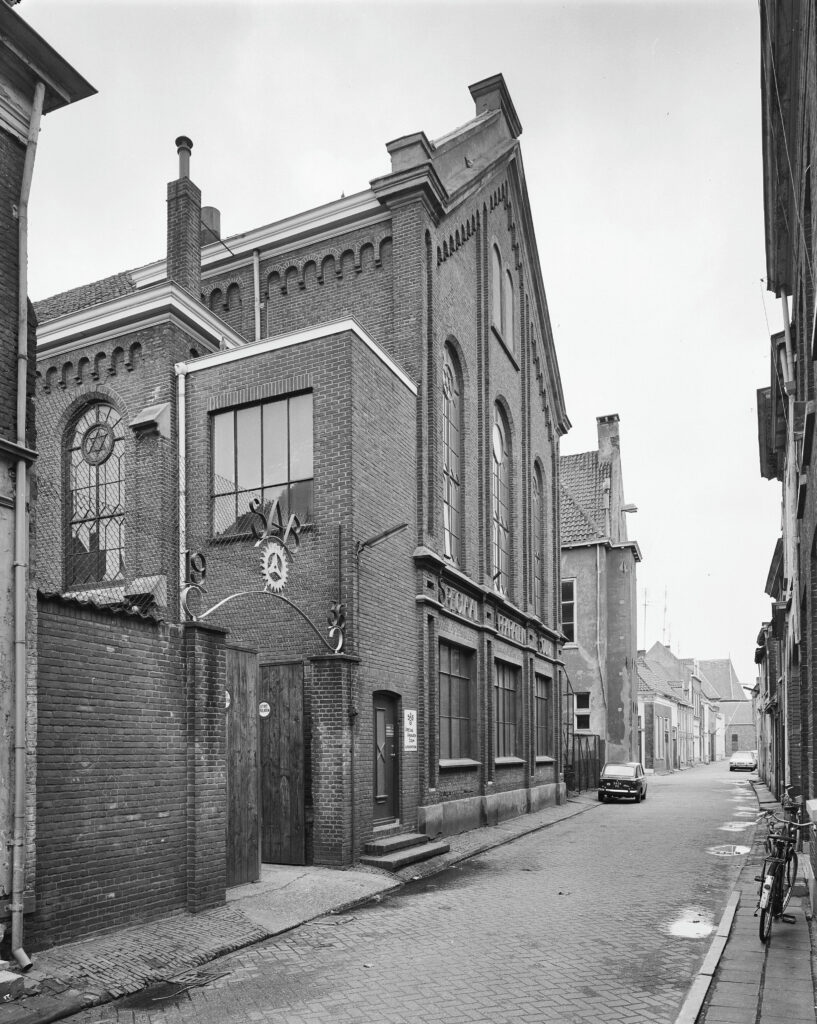
| Bredevoort | B116 | Vismarkt 9 | Israelische Gemeente van Bredevoord | 220 m² kerk | synagoge |
| Bredevoort | B117 | verdwenen | Israelische Gemeente van Bredevoord | 48 m² huis en erf | |
| Bredevoort | B118 | Vismarkt 11 | Wed. Schops te Bredevoort | 106 m² huis en erf | |
| Bredevoort | B121 | Landstraat 32-34 | Gerrit Willem Heusinkveld, molenaar te Bredevoort | 25 m² korenmolen | molen |
| Barlo | B123 | Lichtenvoordsestraatweg 68 | Jan Hendrik Wevers, landbouwer te Aalten | 1090 m² huis, schuur en erf | Nieuw Bokkel |
| Bredevoort | B124 | verdwenen | Gemeente Bredevoord | 66 m² huis | |
| Bredevoort | B125 | verdwenen | Gemeente Bredevoord | 117 m² huis en erf | |
| Bredevoort | B126 | Vismarkt 10 | Armen Gasthuis van Bredevoord | 24 m² huis en erf | armenhuis |
| Bredevoort | B127 | Vismarkt 10 | Armen Gasthuis van Bredevoord | 26 m² huis en erf | armenhuis |
| Bredevoort | B128 | Vismarkt 10 | Armen Gasthuis van Bredevoord | 22 m² huis en erf | armenhuis |
| Bredevoort | B129 | Vismarkt 10 | Armen Gasthuis van Bredevoord | 25 m² huis en erf | armenhuis |
| Bredevoort | B131 | Vismarkt 2 | Gerrit Jan Bettinck | 192 m² huis en erf | |
| Bredevoort | B132 | Landstraat 24 | Johannes Theodorus Top, bleeker te Bredevoort | 185 m² huis en erf | |
| Bredevoort | B133 | Landstraat 22 | Gerrit Jan Sikking | 70 m² huis en erf | |
| Bredevoort | B135 | Landstraat 20 | Hermanes Gijsbers, bleker te Bredevoort | 320 m² huis en erf | |
| Bredevoort | B136 | Landstraat 18 | Wed. G.J. Koks | 144 m² huis en erf | |
| Bredevoort | B137 | Officierstraat 1a | Hendrik Otten, wolspinner te Bredevoort | 220 m² huis en erf | |
| Bredevoort | B138 | Officierstraat 1b | Gerrit Jan Demmink, brouwer te Bredevoort | 210 m² huis en erf | |
| Bredevoort | B140 | Officierstraat 3-5 / ‘t Walletje 5 | Gerrit Willem Heusinkveld, molenaar te Bredevoort | 300 m² huis en erf | |
| Bredevoort | B141 | ‘t Walletje 3 | Hendrik Aalbers, landbouwer te Bredevoort | 55 m² huis | |
| Bredevoort | B142 | Officierstraat 7 | Gerrit Willem Heusinkveld, molenaar te Bredevoort | 154 m² huis en erf | |
| Bredevoort | B144 | Koppelstraat 9 | R.C. Gemeente Bredevoord | 143 m² kerk | RK kerk |
| Bredevoort | B145 | Koppelstraat 9 | R.C. Gemeente Bredevoord | 320 m² huis en erf | |
| Bredevoort | B147 | Officierstraat 4 | Wed. Abraham Stoltenberg, wever te Bredevoort | 157 m² huis en erf | |
| Bredevoort | B149 | Officierstraat 2 | Wed. Johannes Theodorus Schaveld, arbeidster te Bredevoort | 36 m² huis en erf | |
| Barlo | B150 | Lichtenvoordsestraatweg 74 | Derk H. te Pasker e.c., landbouwer te Aalten | 2690 m² huis, schuur en erf | Bokkelder Brasse |
| Bredevoort | B150 | Officierstraat 2 | Wed. Johannes Theodorus Schaveld, arbeidster te Bredevoort | 47 m² huis en erf | |
| Bredevoort | B151 | Officierstraat 2 | Wed. Johannes Theodorus Schaveld, arbeidster te Bredevoort | 27 m² huis en erf | |
| Bredevoort | B152 | Landstraat 16 | G.J. Heusinkveld, landbouwer te Bredevoort | 176 m² huis en erf | |
| Bredevoort | B153 | Landstraat 14 | E.J. Lam, gepens. officier te Bredevoort | 81 m² huis en erf | |
| Bredevoort | B154 | Landstraat 12 | E.J. Lam, gepens. officier te Bredevoort | 340 m² huis en erf | |
| Bredevoort | B155 | Landstraat 10 / Koppelstraat 2-4 | Gerrit Jan Demmink, brouwer te Bredevoort | 690 m² huis en erf | |
| Bredevoort | B156 | Landstraat 8 | Marten Schoenmaker, schoolonderwijzer te Bredevoort | 400 m² huis en erf | |
| Bredevoort | B157 | Koppelstraat 6 | Jannes Rots, wever te Bredevoort | 168 m² huis en erf | |
| Bredevoort | B158 | Landstraat 6 (a) | Christiaan Ernestus Lans, koopman te Bredevoort | 330 m² huis en erf | |
| Bredevoort | B159 | verdwenen | Gerrit Jan Demmink, brouwer te Bredevoort | 95 m² huis en erf | |
| Bredevoort | B160 | Kerkstraat 5 | Heinrich Wilhelm Steinbrecher, wever te Bredevoort | 58 m² huis en erf | |
| Bredevoort | B161 | verdwenen | Gerrit Jan Demmink, brouwer te Bredevoort | 50 m² huis en erf | |
| Bredevoort | B162 | Kerkstraat 7 | Steven Herdes | 52 m² huis en erf | |
| Bredevoort | B163 | Kerkstraat 9 | Harmen Jan Lobeek, dagloner te Bredevoort | 48 m² huis en erf | |
| Bredevoort | B164 | Kerkstraat 11 | Jacob Heimans, koopman te Bredevoort | 133 m² huis en erf | |
| Bredevoort | B165 | Koppelstraat 8 | Hendrik Groot Holtink, kledermaker te Bredevoort | 59 m² huis en erf | |
| Bredevoort | B166 | Koppelstraat 10 | Wed. Hendrik Jentink, dienstbode te Bredevoort | 35 m² huis en erf | |
| Bredevoort | B167 | Kerkstraat 13 | Hendrik Meerdink, dagloner te Bredevoort | 120 m² huis en erf | |
| Bredevoort | B168 | Koppelstraat 10-12 | Gerrit Willem Wiggers, dagloner te Bredevoort | 210 m² huis en erf | |
| Bredevoort | B169 | Koppelstraat 12 | Gereformeerde Diaconie van Bredevoord | 30 m² huis en erf | |
| Bredevoort | B170 | Koppelstraat 12 | Gereformeerde Diaconie van Bredevoord | 34 m² huis en erf | |
| Bredevoort | B171 | Koppelstraat 14 | Jan Hulshof, tapper te Bredevoort | 144 m² huis en erf | |
| Bredevoort | B173 | verdwenen | Hendrik Vrenker, wever te Bredevoort | 95 m² huis en erf | |
| Bredevoort | B174 | verdwenen | Jan Barend Weekamp | 126 m² huis en erf | |
| Bredevoort | B176 | Kerkstraat 14 | Wed. Barend Deunk te Bredevoort | 93 m² huis en erf | |
| Bredevoort | B177 | Kerkstraat 14 | Matthijs Deunk, dagloner te Bredevoort | 54 m² huis en erf | |
| Bredevoort | B179 | Kerkstraat 12 | Jan Willem Gijsbers e.c., wever te Bredevoort | 184 m² huis en erf | |
| Bredevoort | B180 | Kerkstraat 10 | Jan Willem Bent, dagloner te Bredevoort | 24 m² huis en erf | |
| Bredevoort | B181 | Kerkstraat 10 | Jan Willem Bent, dagloner te Bredevoort | 100 m² huis en erf | |
| Bredevoort | B182 | Kerkstraat 8 | Gerrit Jan Demmink, brouwer te Bredevoort | 105 m² huis en erf | |
| ‘t Klooster | B186 | Bolwerkweg 3 | G. Bouwhuis, landbouwer te Aalten | 530 m² huis en erf | Vieverink |
| Bredevoort | B187 | Kerkstraat 4 | Hendrik Piek | 99 m² huis en erf | |
| Bredevoort | B188 | Kerkstraat 2e | Gerrit Walvaart, wever te Bredevoort | 76 m² huis en erf | |
| Bredevoort | B189 | Landstraat 4(a) / Kerkstraat 2 | Gemeente Bredevoord r.v.e. Wed. Harmen Jan Geelink | 260 m² huis en erf | |
| Bredevoort | B197 | Prinsenstraat 18-20 | Levy Mozes Haas | 230 m² huis en erf | |
| Bredevoort | B199 | Prinsenstraat 18 (bij) | Albert Aalbers, looijer te Bredevoort | 198 m² huis en erf | |
| Bredevoort | B200 | Prinsenstraat 12-14 | Lambertus Duitshof, landbouwer te Bredevoort | 370 m² huis en erf | |
| Bredevoort | B203 | Prinsenstraat 10 | Diderik Christoffel van Hopbergen, gepens. officier te Bredevoort | 270 m² huis en erf | |
| Bredevoort | B204 | Prinsenstraat 8 | Everhardus Johannes Lam, gepens. officier te Bredevoort | 107 m² huis en erf | |
| Bredevoort | B205 | Prinsenstraat 6 | Wed. Jannes Thomson te Bredevoort | 60 m² schuur en erf | |
| Bredevoort | B206 | ‘t Zand 23 | Wed. Jannes Thomson te Bredevoort | 450 m² huis en erf | St. Bernardus |
| Bredevoort | B208 | ‘t Zand 23 | Arnoldus Florentinus Roelvink, burgemeester te Bredevoort | 220 m² huis en erf | St. Bernardus |
| ‘t Klooster | B208 | Bolwerkweg 16(a) | G. Bouwhuis, landbouwer te Aalten | 1700 m² huis en erf | Olde Bouwhuis |
| Bredevoort | B209 | ‘t Zand 23 | Arnoldus Florentinus Roelvink, burgemeester te Bredevoort | 550 m² huis en erf | St. Bernardus |
| Bredevoort | B211 | ‘t Zand 23 | Arnoldus Florentinus Roelvink, burgemeester te Bredevoort | 220 m² schuur en erf | St. Bernardus |
| Bredevoort | B212 | ‘t Zand 22 | Gerrit Jan Demmink, brouwer te Bredevoort | 174 m² brouwerij en erf | |
| Bredevoort | B216 | ‘t Zand 21ab | Gereformeerde Diaconie van Bredevoord | 60 m² huis en erf | |
| Bredevoort | B217 | ‘t Zand 21ab | Johanna Sophia Vreman, schoolonderwijzeres te Bredevoort | 128 m² huis en erf | |
| Bredevoort | B218 | ‘t Zand 21 | Gerrit Hendrik Ubbink, timmerman te Bredevoort | 270 m² huis en erf | |
| ‘t Klooster | B218 | Bolwerkweg 20 | Gerrit Jan Sturris, landbouwer te Aalten | 1030 m² huis, schuur en erf | Sturris |
| Bredevoort | B219 | ‘t Zand 20 | Hendrik Kolste, wever te Bredevoort | 200 m² huis en erf | |
| Bredevoort | B220 | ‘t Zand 20 | Hendrik Kolste, wever te Bredevoort | 24 m² huis en erf | |
| Bredevoort | B221 | ‘t Zand 19 | Berend Hendrik Ubbink, timmerman te Bredevoort | 108 m² huis en erf | |
| Bredevoort | B224 | ‘t Zand 26-34 | Berend Lensink, wever te Bredevoort | 230 m² huis en erf | |
| Bredevoort | B225 | ‘t Zand 26-34 | Gerrit Willem Slats, landbouwer te Bredevoort | 230 m² huis en erf | |
| Bredevoort | B227 | Markt 2 | Gereformeerd Pastorie van Bredevoord | 300 m² huis en erf | |
| Bredevoort | B228 | Prinsenstraat 1(a) | Gerrit Jan Raben, grondeigenaar te Bredevoort | 150 m² huis en erf | |
| Bredevoort | B229 | Prinsenstraat 3(a) | Jan Lueb, bakker te Bredevoort | 310 m² huis en erf | |
| Bredevoort | B230 | Prinsenstraat 5 | Gerrit Hendrik Voltman, kastelein te Bredevoort | 270 m² huis en erf | |
| ‘t Klooster | B230 | Heidedijk 2 (bij) | Derk Tolkamp e.c., landbouwer te Aalten | 610 m² huis en erf | |
| Bredevoort | B231 | Landstraat 5(a) | Wed. Gerrit Hendrik Boveld te Bredevoort | 430 m² huis en erf | |
| Bredevoort | B232 | Markt 10 | Gerrit Jan Slats, schoenmaker te Bredevoort | 35 m² huis en erf | |
| ‘t Klooster | B232 | Heidedijk 2 | Gerrit Wikkerdink, landbouwer te Aalten | 920 m² huis en erf | Kokshuisje |
| Bredevoort | B233 | Markt 10 | Gerrit Jan Slats, schoenmaker te Bredevoort | 128 m² huis en erf | |
| Bredevoort | B234 | Markt 8 | Willem Andries Kolster, kledermaker te Bredevoort | 192 m² huis en erf | |
| Bredevoort | B235 | Markt 6 | Wed. N. Schoenmaker te Rekken | 97 m² huis en erf | |
| Bredevoort | B236 | Prinsenstraat 5 | Gerrit Hendrik Voltman, kastelein te Bredevoort | 15 m² huis en erf | |
| Bredevoort | B237 | Muizenstraat 4 | Jan Willem Gijsbers, slagter te Bredevoort | 49 m² huis en erf | |
| Bredevoort | B238 | Markt 4 | Cornelis Kappers, voerman te Bredevoort | 320 m² huis en erf | |
| ‘t Klooster | B248 | Oude Scheperweg 2 | Dorus Bresser, landbouwer te Aalten | 520 m² huis en erf | Oude Scheper |
| ‘t Klooster | B262 | Oude Scheperweg ong. | G. Jan Demmink, bierbrouwer te Bredevoort | 1470 m² huis, schuur en erf | |
| ‘t Klooster | B268 | Kloosterdijk 9 | Evert Meijnen, landbouwer te Borculo | 450 m² huis en erf | Bouwhuis Wever |
| ‘t Klooster | B271 | Kloosterdijk 4(a) | A.F. Roelvink, burgemeester te Bredevoord | 1080 m² huis en erf | Waterkooi |
| ‘t Klooster | B276 | Oude Scheperweg ong. | erven Lammert Huitink te Aalten | 1690 m² huis, schuur en erf | |
| ‘t Klooster | B335 | Hoeninkdijk 6-8 | Wander ten Bokkel e.c., landbouwer te Aalten op Groot Bokkel | 1560 m² huis, schuur en erf | Hoenink |
| ‘t Klooster | B365 | Guttersdijk 2 | Noël Sebastiaan Bengevoord e.c., landeigenaar te Winterswijk | 470 m² huis, schuur en erf | Götter |
| ‘t Klooster | B384 | Kloosterdijk 18 | Noël Sebastiaan Bengevoord e.c., landeigenaar te Winterswijk | 1380 m² huis, schuur en erf | Freriks |
| ‘t Klooster | B402 | Kloosterdijk 20 | Noël Sebastiaan Bengevoord e.c., landeigenaar te Winterswijk | 1000 m² huis, schuur en erf | Van Eerden (Schaer) |
| ‘t Klooster | B430 | Klumperdijk 2 (bij) | Louwiza Schaddenberg, landbouwster te Bredevoort | 380 m² huis, schuur en erf | Tente |
| ‘t Klooster | B438 | Klumperdijk 1 (bij) | Noël Sebastiaan Bengevoord e.c., landeigenaar te Winterswijk | 1000 m² huis en erf | Klumper |
| ‘t Klooster | B444 | Kloosterdijk 26-28 | Jan Willem Draiers, landbouwer te Aalten | 560 m² huis en erf | |
| Dale | C34 | Boterdijk 6 | Gerrit Fenk, landbouwer te Winterswijk | 420 m² huis en erf | Paskerhutte |
| Dale | C50 | Romienendiek 7 | Jan Hendrik Houwers, landbouwer te Aalten | 3170 m² huis, schuur en erf | Vervelde |
| Dale | C57 | Romienendiek 9 | Gerrit Tenkink e.c., landbouwer te Winterswijk | 2040 m² huis, schuur en erf | Paske |
| Dale | C96 | Welpshofweg 4 | Willem Eppink e.c., landbouwer te Aalten | 1420 m² huis, schuur en erf | Welpshof |
| Dale | C122 | Vellegendijk 2 | wed. Gussinklo, landbouwersche te Aalten | 730 m² huis en erf | Boombeek |
| Dale | C161 | Slatdijk 5 | Hendrik Jan Pennings, landbouwer/kleermaker te Aalten | 1410 m² huis en erf | Olde Nooitgedacht |
| Dale | C163 | Slatdijk 5 | Jan Berend Pennings, landbouwer te Aalten | 1290 m² huis en erf | Olde Nooitgedacht |
| Dale | C172 | Elshoekweg 18-20 | Peter Driessen, koopman te Bocholt | 147 m² huis | Grote Maat (Bleek) |
| Dale | C173 | Elshoekweg 18-20 | Peter Driessen, koopman te Bocholt | 460 m² huis en erf | Grote Maat (Bleek) |
| Dale | C175 | Elshoekweg 18-20 | Peter Driessen, koopman te Bocholt | 450 m² huis en erf | Grote Maat (Bleek) |
| Dale | C185 | Elshoekweg 7 / Slatdijk 2a | Jan Albert Glieuwen, landbouwer te Aalten | 1140 m² huis, schuur en erf | Glieuwe |
| Dale | C192 | Elshoekweg 16 / Slatdijk 6 | Tonie Saalmans e.c. | 1970 m² huis en erf | Krieger (Saalmans) |
| Dale | C200 | Elshoekweg 5 | wed. Arend Heidemans, landbouwer te Aalten | 1270 m² huis, schuur en erf | Peerdeboer (Ebbers) |
| Dale | C209 | Aladnaweg 2 (bij) | wed. Berend ter Horst, landbouwer te Aalten | 840 m² huis en erf | Bekerbrusse |
| Dale | C219 | Aladnaweg 2 (bij) | Willem Eppink, landbouwer te Aalten | 920 m² huis en erf | Bekerhuis |
| Dale | C297 | Elshoekweg 6 | Domeinen | 2160 m² huis, schuur en erf | Neerhof |
| Dale | C310 | Aladnaweg 6 | Hendrik Jan Driessen, kledermaker te Aalten | 440 m² huis en erf | Koekoek (Klein Hennepe) |
| Dale | C311 | Aladnaweg 6a | Engelbertus Stapelkamp, landbouwer te Aalten | 440 m² huis en erf | Koekoek (Klein Hennepe) |
| Dale | C321 | Aladnaweg 8 | Gerrit Jan ten Grotenhuis, landbouwer te Aalten | 1090 m² huis, schuur en erf | Slat |
| Dale | C327 | Romienendiek 3 | wed. Jan Wamelink, logementhouder te Aalten | 1350 m² huis en erf | Hennepe |
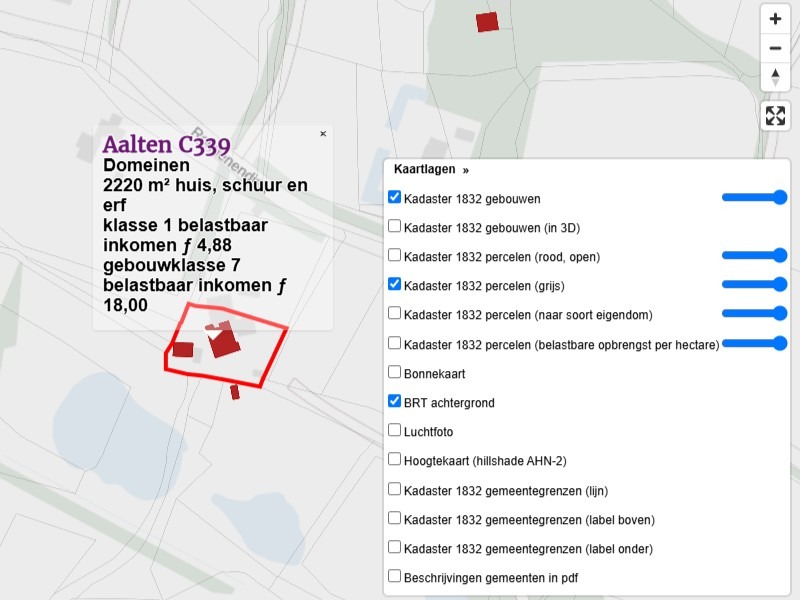
| Dale | C339 | Romienendiek 1 | Domeinen | 2220 m² huis, schuur en erf | Nonhof |
| Dale | C371 | Romienendiek 4 | Willem Eppink, landbouwer te Aalten | 1430 m² huis en erf | Eppink |
| Dale | C396 | Aladnaweg 10 | W. Wubbels, landbouwer te Aalten | 1510 m² huis, schuur en erf | Welink |
| Dale | C405 | Welinkweg 4-6 | Gerrit Hendrik Rusink, arbeider te Aalten | 730 m² huis en erf | Liezen |
| Dale | C408 | Welinkweg 4-6 | Antonij Meinen | 790 m² huis, schuur en erf | Liezen |
| Dale | C414 | Welinkweg 8 | Peter Driessen, koopman te Bocholt | 1210 m² huis, schuur en erf | Heurne |
| Dale | C423 | Romienendiek 6 | Fredrik Albers, dagloner te Aalten | 45 m² huis | Slikkertap |
| Dale | C429 | Welinkweg 10a | Engelbertus Beekhuis, koopman te Stadloon | 1100 m² huis en erf | Beusink |
| Dale | C480 | Welinkweg 11 | Gereformeerde Diaconij Aalten | 1000 m² huis en erf | Lammers |
| Dale | C487 | Bruninkweg 3 | Jan Kappers, landbouwer te Aalten | 1450 m² huis en erf | Kappers (Brunink) |
| Dale | C488 | Bruninkweg 3 | Jan Kappers, landbouwer te Aalten | 990 m² huis en erf | Kappers (Brunink) |
| Dale | C503 | Welinkweg 9 | erven Waander te Kloeze te Aalten | 700 m² huis en erf | Kloeze |
| Dale | C507 | Welinkweg 5 | Hermanus Slegte, timmerman te Aalten | 480 m² huis en erf | ‘t Villeken |
| Dale | C508 | Welinkweg 3 | Hendrik te Nonhof | 620 m² huis en erf | ‘t Villeken |
| Dale | C515 | ‘t Villeken 8 | Jan Berend Heunink, landbouwer te Aalten | 600 m² huis en erf | Oude Maas |
| Dale | C518 | Aladnaweg 7 | Hendrik Rutgers, landbouwer te Aalten | 1010 m² huis en erf | Riete |
| Dale | C524 | Aladnaweg ong. | Willem Bongen, landbouwer te Aalten | 1190 m² huis en erf | Houwer |
| Dale | C527 | Welinkweg 2 | Willem Wubbels, landbouwer te Aalten | 2050 m² huis, schuur en erf | Wubbels |
| Dale | C536 | Romienendiek 10 | Derk ter Horst, landbouwer te Aalten | 950 m² huis en erf | Stegge |
| Dale | C549 | Engelandsdijk 3 | Harmen Jan Veldhuis, landbouwer te Aalten | 750 m² huis en erf | Timpert |
| Dale | C568 | Engelandsdijk 3 (bij) | Derk Heinen, dagloner te Aalten | 63 m² huis | |
| Dale | C595 | Aladnaweg 12 (bij) | Gerrit Jan Westendorp, landbouwer te Aalten | 220 m² huis en erf | |
| Dale | C596 | Aladnaweg 12 | Gerrit Jan Westendorp, landbouwer te Aalten | 860 m² huis en erf | Nieuwe Maas |
| Dale | C604 | ‘t Villeken 12 | Jan te Slaa, landbouwer te Aalten | 500 m² huis en erf | Smoege |
| Dale | C605 | ‘t Villeken 12 | Jan Teube Rensink, landbouwer te Aalten | 250 m² huis en erf | Smoege |
| Dale | C630 | ‘t Villeken 18 | wed. Barend Jan Jentink, landbouwer te Aalten | 430 m² huis, schuur en erf | Kolstee |
| Dale | C631 | ‘t Villeken 18 | Fredrik Fukking, timmerman te Aalten | 380 m² huis, schuur en erf | Kolstee |
| Dale | C640 | ‘t Villeken 16/20 | Jan Willem Arentzen e.c., gem. ontvanger te Aalten | 1720 m² huis, schuur en erf | Wiechers |
| Dale | C647 | Barloseweg 3-5 | Gemeente Aalten | 240 m² huis | |
| Dale | C653 | Barloseweg 1 | Gerrit Jan te Paske e.c., landbouwer te Aalten | 2650 m² huis en erf | Ruwhof |
| Dale | C748 | Hofstedeweg 2 | Jan Willem Beestman e.c., steenbakker te Aalten | 1020 m² huis en erf | Hofstee |
| Dale | C759 | Hofstedeweg 4 | wed. Arnoldus Hesselink e.c. | 1230 m² huis, schuur en erf | Nijenhuis |
| Dale | C765 | Hofstedeweg 6 | Lourens Bekkink e.c., jeneverbrander te Aalten | 1720 m² huis, schuur en erf | Pennings |
| Dale | C777 | Barloseweg 6a-b | Roelof Arentzen e.c., assessor te Aalten | 1100 m² huis, schuur en erf | Hunink |
| Dale | C896 | Batenweg 3 | Gerrit Jan Baten, landbouwer te Aalten | 1040 m² huis, schuur en erf | Olde Baten |
| Dale | C950 | Batenweg 4 | Adrianus te Kloeze e.c., landbouwer te Aalten | 1300 m² huis en erf | Pöppink |
| Dale | C1118 | Bijnenweg 3 | Roelof Kappers e.c., landbouwer te Aalten | 380 m² huis en erf | Giezenbosch |
| Dale | C1176 | Tolhuisweg 12 | Gijsbert te Lindert, landbouwer te Aalten | 540 m² huis en erf | Vleeschhal |
| Dale | C1190 | Hollenberg 4 | Gerrit Jan Hunink, landbouwer te Lichtenvoorde | 730 m² huis en erf | Galgenhutte (Peppink) |
| Dale | C1193 | Bredevoortsestraatweg 116 | Jan baron van Pallandt | 1130 m² huis en erf | Bonte Hek |
| Dale | C1248 | Hessenweg 18 | Lammert Stabelkamp, landbouwer te Aalten | 440 m² huis en erf | Grotenhuis |
| Dale | C1283 | ‘t Smees 1 | Johan Christiaan Ros, gepens. kapitein te Aalten | 1880 m² huis en erf | Smees |
| Dale | C1301 | Oostermanweg 3 | Jan baron van Pallandt | 1780 m² huis, schuur en erf | Oosterman |
| Dale | C1319 | Oostermanweg ong. | Jan baron van Pallandt | 2130 m² huis, schuur en erf | Zand |
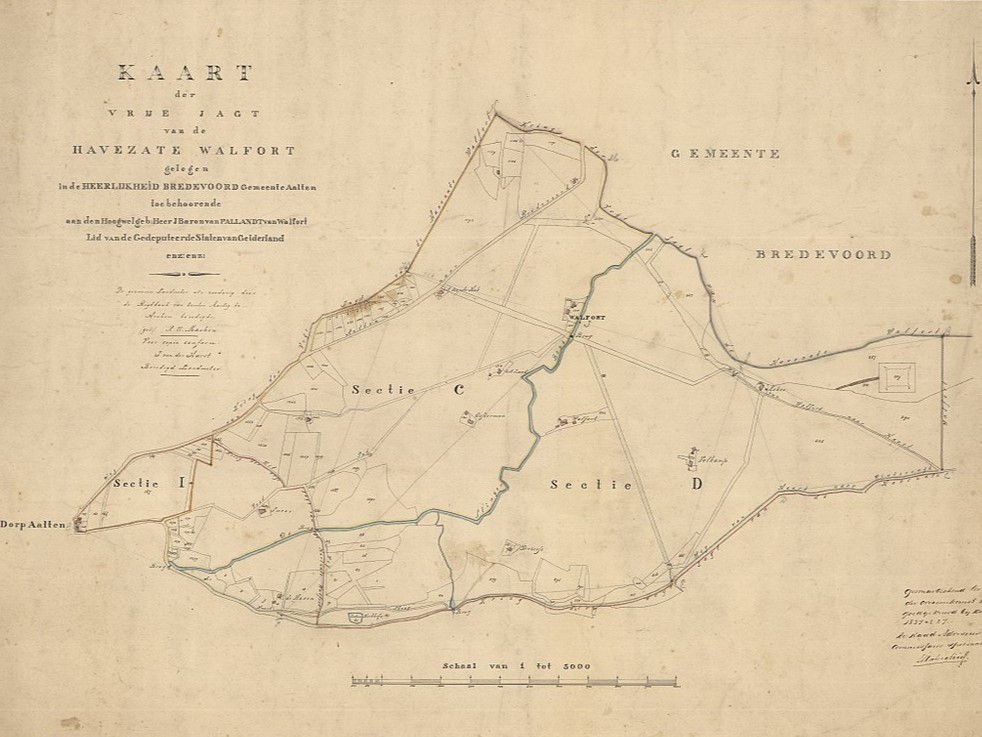
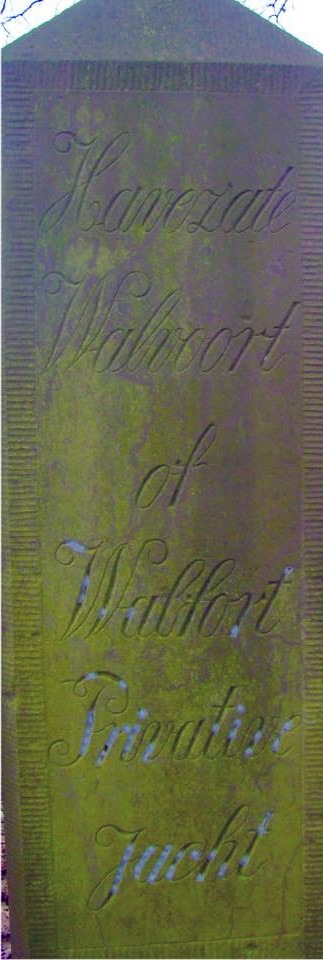
| Dale | C1324 | Walfortlaan 1 | Jan baron van Pallandt | 2850 m² huis, schuur en erf | Walfort |
| Haart | D10 | De Hare | wed. Christiaan Casper Stumph te Aalten | 1880 m² huis en erf | Hare |
| Haart | D30 | Haartsestraat 150 | Israelische Gemeente Aalten | 1650 m² kerkhof | Joodse begraafplaats |
| Haart | D67 | Kriegerdijk 5 | Roelof Arendzen, assessor te Aalten | 2680 m² huis, schuur en erf | Krieger (Zichtvree) |
| Haart | D102 | Kriegerdijk 4 | Harmen Snoeijenbosch, landbouwer te Aalten | 730 m² huis en erf | Oude Seegvree |
| Haart | D147 | Kriegerdijk 9 | Gerrit Tenkink, landbouwer te Winterswijk | 2050 m² huis, schuur en erf | Drommelder (Snoeijenbos) |
| Haart | D162 | Kriegerdijk 11 | H.J. Veldhuis e.c., landbouwer te Aalten | 730 m² huis en erf | Snoeijenbosch |
| Haart | D227 | Kriegerdijk 13 | Gerhardus Arnoldus Worms e.c., landbouwer te Aalten | 1080 m² huis en erf | Snoeijenbosch (Ringkamp) |
| Haart | D281 | Eskesweg 1 | Jan baron van Pallandt | 1131 m² huis en erf | Driessen |
| Haart | D323 | Eskesweg 7 | Jan baron van Pallandt | 470 m² huis, schuur en erf | Walvoort |
| Haart | D375 | Eskesweg 6 | Jan baron van Pallandt | 2300 m² huis, schuur en erf | Tolkamp |
| Haart | D385 | Walfortlaan 3 | Jan baron van Pallandt | 1220 m² huis, schuur en erf | Eskes |
| Haart | D402 | Kleuverspad 2 | Gereformeerde Kerk van Aalten | 195 m² huis en erf | Bijvank |
| Haart | D422 | Heijinkdijk 3 | Harmen Heijink en cons. | 440 m² huis, schuur en erf | Heijink |
| Haart | D435 | Haartseweg 5 | wed. Abraham Hesselink, landbouwster te Winterswijk | 1660 m² huis, schuur en erf | Loohuis |
| Haart | D448 | Heijinkdijk 1 | Harmen Heijink, landbouwer te Aalten | 450 m² huis en erf | Scheper |
| Haart | D456 | Loohuisweg 5 | wed. Abraham Hesselink, landbouwster te Winterswijk | 1200 m² huis en erf | Wever |
| Haart | D483 | Haartseweg 11 | Jan Willem Loohuis, landbouwer te Aalten | 2210 m² huis en erf | Jentink |
| Haart | D497 | Huiskermatedijk 7 | Gerrit Jan te Gussinklo, landbouwer te Aalten | 660 m² huis, schuur en erf | Huiskermate |
| Haart | D550 | Heijinkdijk 4 | Johannes Hendrikus Kamphof | 650 m² huis en erf | Klein Heijink |
| Haart | D586 | Buninkdijk 8 | Wessel Kleuvers e.c., landbouwer te Aalten | 1980 m² huis en erf | Olde Kleuver |
| Haart | D596 | Buninkdijk 6 | D.J. Haartman e.c., landbouwer te Aalten | 290 m² huis, schuur en erf | Haartman |
| Haart | D619 | Haartseweg 13 | Gerrit Jan Jentink, landbouwer te Aalten | 2100 m² huis, schuur en erf | Jentink |
| Haart | D652 | Haartseweg 8 | Gerrit Jan Gussinklo, landbouwer te Aalten | 2480 m² huis en erf | Borninkhof |
| Haart | D664 | Haartseweg 10 | Gemeente Aalten | 27 m² school | (school) |
| Haart | D719 | Buninkdijk 10 | Gereformeerde Kerk te Aalten | 1550 m² erf | Slotboom |
| Haart | D730 | Haartseweg 23 | Hendrika Ormel te Aalten | 1430 m² huis en erf | Slotboom |
| Haart | D739 | Buninkdijk ong. | Derk Tolkamp, landbouwer te Aalten | 630 m² huis en erf | |
| Haart | D753 | Buninkdijk 13 | Harmen Jan Hoornenberg, landbouwer te Aalten | 1240 m² huis en erf | Hoornenborg |
| Haart | D761 | Haartseweg ong. | Gemeente Aalten | 1000 m² huis en erf | |
| Haart | D767 | Lieversdijk 35 | Harmen Jan Walvoort, landbouwer te Aalten | 460 m² huis en erf | Lievers Huisken |
| Haart | D793 | Lieversdijk 33 | Harmen Jan Walvoort, landbouwer te Aalten | 2940 m² huis, schuur en erf | Lievers |
| Haart | D819 | Lieversdijk 4 | Salomon ten Bokkel e.c., landbouwer te Aalten | 1080 m² huis en erf | Pietenpol |
| Haart | D843 | Spiekerdijk 1 | Roelof Arendzen e.c., assessor te Aalten | 2110 m² huis en erf | Oude Drenthel |
| Haart | D876 | Drenthelweg 6 (bij) | Jan Willem Beestman, steenbakker te Aalten | 560 m² steenoven | |
| Haart | D896 | Beestmanweg 1 | Jan Willem Beestman, steenbakker te Aalten | 1060 m² huis, schuur en erf | Beestman |
| Haart | D917 | Beestmanweg 3 | Jan Willem Beestman, steenbakker te Aalten | 600 m² huis en erf | Beestmans Huisje |
| Haart | D922 | Beestmanweg 2 | Jan Willem Beestman, steenbakker te Aalten | 640 m² huis en erf | Beestmans Nieuwhuis |
| Haart | D923 | Beestmanweg 2 | Jan Willem Beestman, steenbakker te Aalten | 830 m² huis en erf | Beestmans Nieuwhuis |
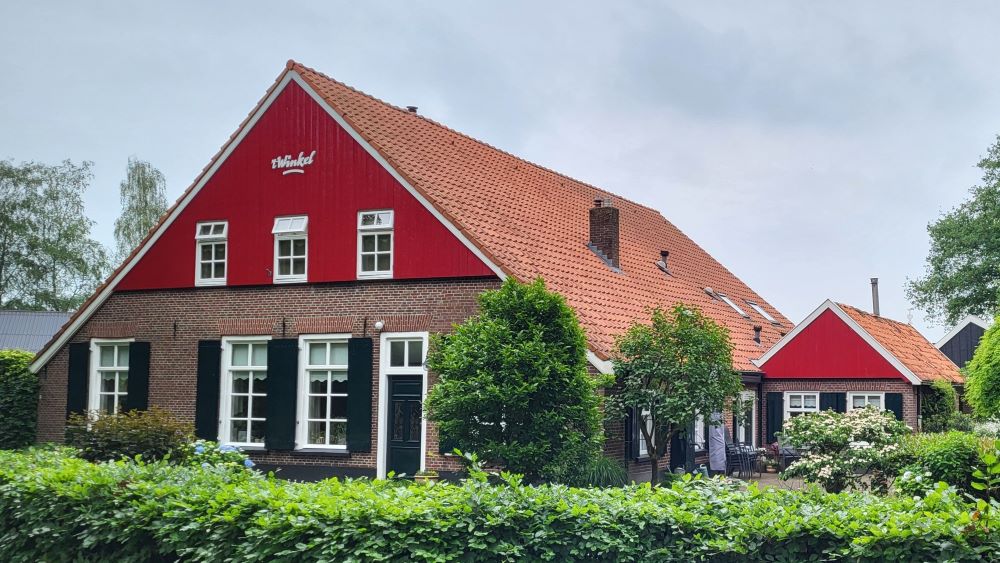
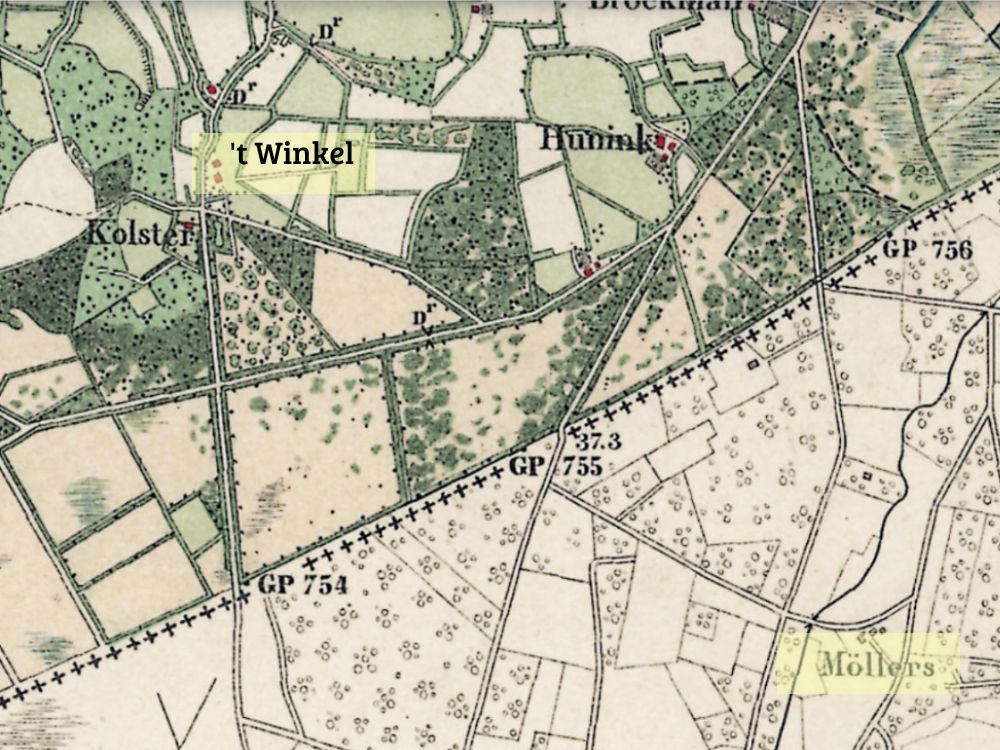
| Haart | D930 | Spiekerdijk 5 | Gerrit Hendrik Smits, griffier vredegerecht te Winterswijk | 1700 m² huis, schuur en erf | ‘t Winkel |
| Haart | D971 | Driehonderdmeterweg 3 | Hendrik Houwers, landbouwer te Aalten | 2810 m² huis, schuur en erf | Hunink |
| Haart | D990 | Driehonderdmeterweg 1 | Hendrik Houwers, landbouwer te Aalten | 790 m² huis en erf | Huninkhuisje |
| Haart | D1001 | Spiekerdijk 6 | G.J. Gussinklo, landbouwer te Aalten | 310 m² huis en erf | Zoere (Kolste) |
| Haart | D1019 | Spiekerdijk 4 | Roelof Arendzen e.c., assessor te Aalten | 1760 m² huis en erf | Drenthel Spieker |
| Haart | D1031 | Spiekerdijk 2 | Roelof Arendzen e.c., assessor te Aalten | 2720 m² huis, schuur en erf | Drenthel Schoppe |
| Haart | D1048 | Bosweg 1 | G.J. Gussinklo, landbouwer te Aalten | 300 m² huis, schuur en erf | Lieftocht aan de Borninkhof |
| Haart | D1056 | Bosweg 3 | G.J. Gussinklo, landbouwer te Aalten | 1390 m² huis, schuur en erf | Nijhuis |
| Haart | D1069 | Bosweg 5-7 | G.J. Gussinklo, landbouwer te Aalten | 900 m² huis en erf | Bestevaer |
| Haart | D1095 | Bosweg 9 | G.J. Gussinklo, landbouwer te Aalten | 1340 m² huis, schuur en erf | Nieuw Kolstee |
| Haart | D1106 | Bosweg 4 | G.J. Gussinklo, landbouwer te Aalten | 1890 m² huis, schuur en erf | Den Bosch |
| Haart | D1118 | Spiekerdijk 9 (bij) | Joseph Elsinkhorst, landbouwer te Bocholt | 230 m² kalkbranderij | |
| Haart | D1152 | Veenhuisweg 4 | Jan baron van Pallandt | 2570 m² huis, schuur en erf | Groot Veenhuis |
| Haart | D1158 | Veenhuisweg 4 (bij) | Jan baron van Pallandt | 210 m² huis en erf | |
| Haart | D1182 | Kriegerdijk 16 | J.H.A. Batenburg van Basten, med. doctor te Lichtenvoorde | 750 m² huis en erf | Klein Veenhuis |
| Haart | D1193 | Veenhuisweg 2 | de Kinderen W. Smeenk e.c. te Winterswijk | 330 m² huis, schuur en erf | Veenhuis Huisje |
| Heurne | E18 | Roelendijk 1 | Hendrik Jan Tervelen | 1170 m² huis, schuur en erf | Roele |
| Heurne | E44 | Dinxperlosestraatweg 84 | Jan Gerard Kraak ten Houten e.c., koopman te Aalten | 2250 m² huis, schuur en erf | Roele |
| Heurne | E56 | Vierde Broekdijk 26 | Gerrit Jan Sluske, landbouwer te Aalten | 180 m² huis en erf | Plok |
| Heurne | E81 | Wikkerinkweg 5 | Herme Jan Veldhuis, landbouwer te Aalten | 1220 m² huis en erf | Wikkerink |
| Heurne | E112 | Dinxperlosestraatweg 70 (bij) | D.W. Hoopman, zadelmaker te Aalten | 320 m² huis en erf | Piepert |
| Heurne | E133 | Wikkerinkweg 7 | Derk Linderd, landbouwer te Aalten | 420 m² huis en erf | Stegge |
| Heurne | E144 | Dinxperlosestraatweg 103 | Berend Hendrik te Paske, landbouwer te Aalten | 680 m² huis en erf | Klaphek |
| Heurne | E151 | Dinxperlosestraatweg 99 | wed. L. Pranger | 580 m² huis en erf | Piepershof |
| Heurne | E152 | Dinxperlosestraatweg 99 | Hendrik Pranger e.c., landbouwer te Aalten | 300 m² huis en erf | Piepershof |
| Heurne | E168 | Kempinkweg 1 | Samuel te Bokkel e.c., jeneverbrander te Aalten | 2090 m² huis en erf | Kempink |
| Heurne | E182 | Wikkerinkweg 8 (bij) | Laurens Becking e.c., jeneverbrander te Aalten | 1020 m² huis, schuur en erf | |
| Heurne | E202 | Wikkerinkweg 2 | Samuel te Becking e.c. | 1470 m² huis en erf | Kleine Rikkert |
| Heurne | E244 | Kiefteweg 2-4 | Evert van Eerden, timmerman te Aalten | 300 m² huis en erf | Stapelkamp |
| Heurne | E288 | Hamelandroute 68-70 | Jan Matthijs Prins e.c., assessor te Aalten | 3100 m² huis, schuur en erf | Slaa |
| Heurne | E289 | Hamelandroute 72 | Jan Matthijs Prins e.c., assessor te Aalten | 2490 m² huis, schuur en erf | Groot Slaa |
| Heurne | E297 | Hamelandroute 69 | Laurens Becking e.c., jeneverbrander te Aalten | 420 m² huis, schuur en erf | Klein Slaa |
| Heurne | E360 | Kiefteweg 11 | Josephus Elzinkhorst e.c., landbouwer te Bocholt | 1730 m² huis en erf | Kiefte |
| Heurne | E369 | Kiefteweg 10 | Domeinen | 380 m² huis, schuur en erf | Achterop |
| Heurne | E393 | Hondorpweg 2 | de Hervormde Armen van Aalten e.c. | 1650 m² huis en erf | Ongena |
| Heurne | E434 | Hondorpweg 1 | Johannes Florentius Roelvink, burgemeester te Bredevoord | 1310 m² huis, schuur en erf | Groot Kortbeek |
| Heurne | E443 | Hondorpweg 5 (bij) | wed. Wander Honderp, landbouwster te Aalten | 290 m² huis en erf | |
| Heurne | E445 | Hondorpweg 5 | wed. Wander Honderp, landbouwster te Aalten | 1050 m² huis, schuur en erf | Oude Hondorp |
| Heurne | E458 | Hondorpweg 4 | Johannes Florentius Roelvink, burgemeester te Bredevoord | 1090 m² huis en erf | Klein Kortbeek |
| Heurne | E478 | Kiefteweg 8 | Josephus Elzinkhorst e.c., landbouwer te Bocholt | 1020 m² huis, schuur en erf | Kiefte |
| Heurne | E511 | Hondorpweg 7 (bij) | wed. Waander Honderp, landbouwster te Aalten | 530 m² huis, schuur en erf | |
| Heurne | E531 | Brethouwerweg 5 | Anthoon Threurde e.c., rentenier te Bocholt | 1680 m² huis, schuur en erf | Olde Brethouwer |
| Heurne | E541 | Kappersweg 1 | Hendrik Jan Groot Kappers, landbouwer te Aalten | 6790 m² huis, schuur en erf | Groot Kappers |
| Heurne | E584 | Kappersweg ong. | H.J. Veldhuis, landbouwer te Aalten | 620 m² huis en erf | |
| Heurne | E602 | Damheideweg 1 | Peter Albertus Vaags e.c., landbouwer te Aalten | 580 m² huis en erf | Oosterbosch |
| Heurne | E614 | Middelkampweg 5 | H.J. Veldhuis, landbouwer te Aalten | 1280 m² huis en erf | Klodde (Veldhuis Hutte) |
| Heurne | E630 | Middelkampweg 3 | H.J. Veldhuis, landbouwer te Aalten | 1700 m² huis en erf | Middelkamp |
| Heurne | E646 | Velsdijk 1 (bij) | H.J. Veldhuis, landbouwer te Aalten | 310 m² huis en erf | |
| Heurne | E658 | Velsdijk 6 | Berend Snoeijenbosch, landbouwer te Aalten | 2180 m² huis en erf | Legters |
| Heurne | E672 | Velsdijk 4 | Josephus Elzinkhorst e.c., landbouwer te Bocholt | 100 m² huis en erf | Klein Goorhuis |
| Heurne | E673 | Velsdijk 4 | Josephus Elzinkhorst e.c., landbouwer te Bocholt | 84 m² huis en erf | Klein Goorhuis |
| Heurne | E688 | Velsdijk 2 (bij) | Josephus Elzinkhorst e.c., landbouwer te Bocholt | 670 m² huis en erf | |
| Heurne | E714 | Velsdijk 1 (bij) | Gerrit Willem Duenk, landbouwer te Aalten | 660 m² huis en erf | |
| Heurne | E718 | Velsdijk 1 | H.J. Veldhuis, landbouwer te Aalten | 1230 m² huis, schuur en erf | Vels (Veldhuis) |
| Heurne | E731 | Kappersweg 2 | Josephus Elzinkhorst e.c., landbouwer te Bocholt | 1400 m² huis en erf | Klein Kappers |
| IJzerlo | F22 | Klokkemakersweg 15 | Gerrit Fukkink, dagloner te Aalten | 530 m² huis, schuur en erf | Oude Loo |
| IJzerlo | F23 | Klokkemakersweg 15 | Evert Nijman, kleermaker te Aalten | 530 m² huis, schuur en erf | Oude Loo |
| IJzerlo | F38 | Rengelinkweg 1 | Jan Derk Eeltink, landbouwer te Aalten | 2900 m² huis, schuur en erf | Nieuw Rengelink |
| IJzerlo | F53 | Rengelinkweg 8 | Steven Ovink, landbouwer te Dinxperlo | 2900 m² huis, schuur en erf | Oud Rengelink |
| IJzerlo | F80 | Rengelinkweg 5a | Antoon Diepenbroek, rentenier te Bocholt | 920 m² huis, schuur en erf | Ansink |
| IJzerlo | F87 | Rengelinkweg 5 | Wessel Somsen, landbouwer te Aalten | 580 m² huis, schuur en erf | Japikshuus (Wolbers) |
| IJzerlo | F96 | Rengelinkweg 12 | Goverdina Jagerink e.c., rentenierster te Dinxperlo | 2090 m² huis, schuur en erf | Eekink |
| IJzerlo | F119 | Rengelinkweg 7 | Jan Willem Stottelder e.c., landbouwer te Winterswijk | 230 m² huis, schuur en erf | Prins |
| IJzerlo | F155 | Westendorpweg 2 | Gerhardus Arnoldus Worms e.c., landbouwer te Aalten | 2640 m² huis, schuur en erf | Westendorp |
| IJzerlo | F179 | Westendorpweg 6 | Hendrik Wolterink, logementhouder te Zutphen | 1570 m² huis, schuur en erf | Somsenhuus |
| IJzerlo | F196 | Rengelinkweg 6 (bij) | Stoffel Heijdeman, landbouwer te Aalten | 670 m² huis, schuur en erf | |
| IJzerlo | F218 | Westendorpweg 1 | Arend Seesink, landbouwer te Aalten | 1830 m² huis, schuur en erf | Aalbers |
| IJzerlo | F274 | Thijsweg 4 | L. Klompenhouwer, landbouwer te Aalten | 340 m² huis en erf | Luuksenhuus (Seinhorst) |
| IJzerlo | F276 | Thijsweg 7 | Gerrit Jan Tolkamp, landbouwer te Aalten | 220 m² huis en erf | Hoge Wind |
| IJzerlo | F321 | Thijsweg 1 | wed. Arnoldus Hesselink e.c. | 1540 m² huis, schuur en erf | Thijs |
| IJzerlo | F345 | Thijsweg 5 | Johannes Kerkhof, arbeider te Aalten | 580 m² huis en erf | Oude Kerkhof |
| IJzerlo | F351 | Lurvinksteeg 6 | B. Ormel e.c., landbouwer te Aalten | 164 m² huis en erf | Welink |
| IJzerlo | F352 | Lurvinksteeg 6 | B. Ormel e.c., landbouwer te Aalten | 440 m² huis en erf | Welink |
| IJzerlo | F388 | Klokkemakersweg 11 | Gerrit Jan Kerkhof, arbeider te Aalten | 1150 m² huis en erf | Hagenbroek |
| IJzerlo | F406 | Lurvinksteeg 3 | G.W. Lurvink, kleermaker te Aalten | 1660 m² huis, schuur en erf | Lurvink |
| IJzerlo | F408 | Lurvinksteeg 4 | Gerrit Jan Lurvink e.c. te Aalten | 1740 m² huis, schuur en erf | Koskamp |
| IJzerlo | F435 | Kruisdijk 12 | G.W. Eppink te Aalten | 2440 m² huis en erf | Klumpenhouwer |
| IJzerlo | F453 | Kruisdijk 14 | Arnoldus Florentius Roelvink e.c. | 3750 m² huis, schuur en erf | Hoftijzer |
| IJzerlo | F473 | Kruisdijk 10a | Arnoldus Florentius Roelvink e.c. | 136 m² erf | |
| IJzerlo | F475 | Kruisdijk 10 | Arnoldus Florentius Roelvink e.c. | 2220 m² huis en erf | Woerd |
| IJzerlo | F488 | Kruisdijk 15 | G.J. Lurvink te Aalten | 175 m² huis en erf | Matheüshuis |
| IJzerlo | F517 | Klokkemakersweg 18 | Wessel Fukkink te Aalten | 620 m² huis en erf | Kampe |
| IJzerlo | F528 | Klokkemakersweg 12 | de Hervormde Armen van Aalten r.v.o. Jan Westendorp | 360 m² huis en erf | Klokkemaker |
| IJzerlo | F541 | Huisstededijk ong. | G.J. Hibbelink | 170 m² huis en erf | |
| IJzerlo | F553 | Klokkemakersweg 7 | Berent Ormel e.c., landbouwer te Aalten | 168 m² huis en erf | Klooster |
| IJzerlo | F554 | Klokkemakersweg 7 | Berent Ormel e.c., landbouwer te Aalten | 144 m² huis en erf | Klooster |
| IJzerlo | F567 | Klokkemakersweg 8 | G.J. Smalbraak e.c., predikant te Kootwijk | 270 m² huis, schuur en erf | Roele |
| IJzerlo | F575 | Klokkemakersweg 10 | G.J. Hilbelink | 3650 m² huis, schuur en erf | Lensink |
| IJzerlo | F600 | Huisstededijk 10 | B.H. Huisstede e.c., landbouwer te Aalten | 1890 m² huis, schuur en erf | Huisstede |
| IJzerlo | F621 | Huisstededijk 5 | H.J. Korten e.c., landbouwer te Aalten | 910 m² huis en erf | Korten |
| IJzerlo | F644 | Klokkemakersweg 4 | Derk Siebelink, landbouwer te Aalten | 340 m² huis, schuur en erf | Siebelink |
| IJzerlo | F653 | Klokkemakersweg 6 | Gerrit Jan Smalbraak e.c., predikant te Kootwijk | 1940 m² huis en erf | Roele |
| IJzerlo | F699 | Dinxperlosestraatweg 102 | Jan Hendrik Lageschaar e.c., landbouwer te Lichtenvoorde | 2540 m² huis, schuur en erf | Groot Paske |
| IJzerlo | F705 | Koskampweg 5 | Jan Hendrik Lageschaar e.c., landbouwer te Lichtenvoorde | 870 m² huis en erf | Klein Paske |
| IJzerlo | F723 | Dinxperlosestraatweg 88 | wed. Hendrik Ansink, landbouwster te Aalten | 590 m² huis en erf | Ansink Hutte |
| IJzerlo | F733 | Velsdijk 10 | Hendrik Jan Batenburg | 290 m² huis en erf | Lindert |
| IJzerlo | F761 | Dinxperlosestraatweg 129 | Jan M. Prins e.c., assessor te Aalten | 780 m² huis, schuur en erf | Nieuw Mekkink |
| IJzerlo | F773 | Dinxperlosestraatweg 131 | Jan M. Prins e.c., assessor te Aalten | 1740 m² huis en erf | Leemhorst |
| IJzerlo | F829 | Essinkweg 2 | Berend Vriezen e.c., landbouwer te Winterswijk | 2120 m² huis, schuur en erf | Groot Essink |
| IJzerlo | F843 | Essinkweg 1 | Berend Vriezen e.c., landbouwer te Winterswijk | 410 m² huis, schuur en erf | Oud Essink |
| IJzerlo | F900 | Stokkertweg 1 | wed. Derk Jan Zweers, landbouwer te Aalten | 2520 m² huis, schuur en erf | Bekink |
| IJzerlo | F926 | Stokkertweg 3 | Evert Derk Jan Buenk e.c. | 340 m² huis, schuur en erf | Overbeek |
| IJzerlo | F942 | Stokkertweg 5 | Evert Derk Jan Buenk e.c. | 1930 m² huis en schuur | Klaus |
| IJzerlo | F950 | Stokkertweg ong. | Jan Somsen, landbouwer te Aalten | 420 m² huis, schuur en erf | Devenhuus |
| IJzerlo | F951 | Stokkertweg 2 | wed. Roelof Prinsen, arbeidster te Aalten | 450 m² huis en erf | Roelofshuus |
| IJzerlo | F962 | Stokkertweg 7 | Wessel Eppink te Aalten | 1050 m² huis, schuur en erf | Kuijerman |
| IJzerlo | F968 | Stokkertweg ong. | Derk Jan Eppink, landbouwer te Aalten | 570 m² huis, schuur en erf | Dorushuus |
| IJzerlo | F969 | Stokkertweg 4 | Jan Ongena, landbouwer te Aalten | 530 m² huis, schuur en erf | Kobushuus |
| IJzerlo | F1021 | Dinxperlosestraatweg 159 | Andries ter Maat | 1740 m² huis, schuur en erf | Tuunte |
| IJzerlo | F1045 | Hagtweg 11 | Hendrik Lensink, arbeider te Aalten | 750 m² huis en erf | Lenze |
| IJzerlo | F1053 | Hagtweg 5a | L. Geurink, landbouwer te Aalten | 500 m² huis en erf | ‘t Hacht |
| IJzerlo | F1061 | Hagtweg 19 | Gerrit Prinsen, landbouwer te Aalten | 220 m² huis en erf | ‘t Hacht |
| IJzerlo | F1074 | Hagtweg 4 | Domeinen | 1000 m² huis, schuur en erf | Overkempink |
| Lintelo | G4 | De Driehoek 1 | Antony te Boske, landbouwer te Aalten | 490 m² huis en erf | Boske |
| Lintelo | G5 | De Driehoek 1 | Antony te Boske, landbouwer te Aalten | 400 m² huis en erf | Boske |
| Lintelo | G53 | Gendringseweg 1 | G.F. Westerveld e.c. | 950 m² huis en erf | Schoppert |
| Lintelo | G63 | Gendringseweg 3 | Hendrik Jan Nijhof | 1140 m² huis, schuur en erf | Brasse |
| Lintelo | G79 | Akkermateweg 10 | Gerrit Tenkink e.c. | 3100 m² huis, schuur en erf | Groot Heinen |
| Lintelo | G100 | Varsseveldsestraatweg 65 | Harmen Rensink | 210 m² huis en erf | Hagt |
| Lintelo | G101 | Varsseveldsestraatweg 65 | Harmen Rensink | 360 m² huis en erf | Hagt |
| Lintelo | G260 | Akkermateweg 13 | Engelbert Frans Rhoerde | 1060 m² huis, schuur en erf | Klein Heinen |
| Lintelo | G340 | Sondernweg 2 | Wander Wikkerink, zadelmaker te Aalten | 1550 m² huis, schuur en erf | Klein Sondern |
| Lintelo | G364 | Sondernweg 6a | Antonij Tammel | 840 m² huis en erf | Koster |
| Lintelo | G377 | Sondernweg 6 | Antoon Threurde | 1760 m² huis, schuur en erf | Schenk |
| Lintelo | G399 | Zomerweg 4 | Lammert Kemping | 990 m² huis en erf | Sonderns Tuunte |
| Lintelo | G420 | Sondernweg 3-5 | Arend Jan Pennings e.c. | 1660 m² huis, schuur en erf | Groot Sondern |
| Lintelo | G449 | Veldweg 2a | Arend Jan Derk ten Bokkel, landbouwer te Aalten | 850 m² huis en erf | Eggelsmate |
| Lintelo | G486 | Tammeldijk 2 | Enno Paschen te Enschede | 1420 m² huis, schuur en erf | Rensink |
| Lintelo | G491 | Tammeldijk 4 | Gerrit Jan Tennemaat e.c. | 2800 m² huis, schuur en erf | Groot Rensink |
| Lintelo | G516 | Sondernweg 13 (bij) | wed. Abraham Honders, landbouwer te Aalten | 340 m² huis en erf | |
| Lintelo | G526 | Tammeldijk 5 | Enno Paschen te Enschede | 4040 m² huis, schuur en erf | Groot Tammel |
| Lintelo | G538 | Tammeldijk 6 | J.W. Beestman e.c., steenbakker te Aalten | 1920 m² huis, schuur en erf | Klein Tammel |
| Lintelo | G586 | Sondernweg 15 | Jan Berend Diegelink, landbouwer te Aalten | 1290 m² huis en erf | Mekkinkmaat |
| Lintelo | G599 | Sondernweg 11 | Enno Paschen te Enschede | 1580 m² huis, schuur en erf | Rensink Gradus |
| Lintelo | G615 | Sondernweg 8 | Gerrit Jan Kleuvers | 2180 m² huis, schuur en erf | Groot Doornink |
| Lintelo | G648 | Rosierweg 1 | Gerrit Jan Oberink | 1730 m² huis, schuur en erf | Rosier |
| Lintelo | G662 | Gendringseweg 9 | Hendrik Jan Niehof, landbouwer te Aalten | 650 m² huis en erf | Freershof |
| Lintelo | G663 | Gendringseweg 9 | Hendrik Jan Niehof, landbouwer te Aalten | 410 m² huis en erf | Freershof |
| Lintelo | G669 | Gendringseweg 11 | de Gereformeerde Armen van Aalten | 2600 m² huis, schuur en erf | Zoerens |
| Lintelo | G671 | Gendringseweg 13 | Antonij Hoftijzer | 1280 m² huis, schuur en erf | Mate |
| Lintelo | G715 | Rosierweg 4 | J.A.H. Prins | 670 m² huis en erf | Klein Doornink |
| Lintelo | G717 | Rosierweg 4 | Jan Willem Walvoort | 370 m² huis en erf | Klein Doornink |
| Lintelo | G760 | Gendringseweg ong. | Arend Jan Fukking, timmerman te Aalten | 780 m² huis en erf | Klein Freers |
| Lintelo | G799 | Heegtweg 2 | Waander Ormel en cons. | 1050 m² huis, schuur en erf | Heegt |
| Lintelo | G845 | Navisweg 4 | Gerrit Jurris | 720 m² huis en erf | Snijdershuis |
| Lintelo | G870 | Brakenweg 4 | Adolf Jan Huisstee, landbouwer te Aalten | 380 m² huis en erf | Brake |
| Lintelo | G871 | Brakenweg 4 | Hendrik Willem Wensink, landbouwer te Aalten | 590 m² huis, schuur en erf | Brake |
| Lintelo | G898 | Gendringseweg 33 | G.J. Navis, landbouwer te Aalten | 1230 m² huis, schuur en erf | Nieuw Navis |
| Lintelo | G909 | Gendringseweg 33 (bij) | de Kerk van Aalten r.v.o. Roelof Doornink | 400 m² huis en erf | |
| Lintelo | G910 | Gendringseweg 33 (bij) | de Kerk van Aalten r.v.o. Roelof Doornink | 380 m² huis en erf | |
| Lintelo | G940 | Gendringseweg 36 (bij) | wed. G.J. Gantvoort, landbouwster te Aalten | 154 m² huis en erf | |
| Lintelo | G943 | Gendringseweg 36 | wed. G.J. Gantvoort, landbouwster te Aalten | 1240 m² huis, schuur en erf | Klein Hengeveld |
| Lintelo | G981 | Gendringseweg 33a | Peter Driessen, koopman te Bocholt | 2190 m² huis, schuur en erf | Groot Hengeveld |
| Lintelo | G1015 | Gendringseweg 44 | Jan Berend Roelvink | 2270 m² huis, schuur en erf | Olde Brusse |
| Lintelo | G1024 | Gendringseweg 37 | Gerrit Bernhard van de Paverd Smits | 1740 m² huis en erf | Brussen Spieker |
| Lintelo | G1053 | Koopweg 8 | Peter Driessen, koopman te Bocholt | 1140 m² huis en erf | Nieuwe Koop |
| Lintelo | G1080 | Koopweg 6 (bij) | Peter Driessen, koopman te Bocholt | 650 m² huis en erf | |
| Lintelo | G1082 | Koopweg 6 | Gerrit Willem Helmink | 330 m² huis en erf | Kleine Koop |
| Lintelo | G1095 | Veenweg 4 | Jan Hendrik Asmus, landbouwer te Varsseveld | 250 m² huis en erf | Bultink |
| Lintelo | G1098 | Veenweg 2 | Teunis Vreeman | 1570 m² huis en erf | Vreman |
| Lintelo | G1106 | Koopweg 1 | Willem Winkelhorst te Aalten | 440 m² huis en erf | Ronde |
| Lintelo | G1119 | Brakenweg 5 | D.W. Navis, landbouwer te Aalten | 760 m² huis, schuur en erf | Navis-Frederik |
| Lintelo | G1128 | Brakenweg 3 | Fredrik Lindenhovius e.c. | 990 m² huis, schuur en erf | Looman |
| Lintelo | G1145 | Navisweg 10 | Wessel Navis | 1980 m² huis en erf | Navis |
| Lintelo | G1146 | Navisweg 7a | G.H. Wensink | 112 m² huis en erf | |
| Lintelo | G1147 | Navisweg 7a | wed. Wessel Navis | 168 m² huis en erf | |
| Lintelo | G1155 | Navisweg 5 | wed. Derk Jan Schreurs | 600 m² huis en erf | Rutgers |
| Lintelo | G1199 | Brakenweg 9 | H.W. Navis, landbouwer te Aalten | 260 m² huis en erf | ‘t Loo |
| Lintelo | G1200 | Brakenweg 9 | wed. Hendrik Jan Navis | 860 m² huis en erf | ‘t Loo |
| Lintelo | G1219 | Brakenweg 11 | Hein Jan Lensink | 530 m² huis en erf | Maatkamp |
| Lintelo | G1238 | Brakenweg 6 | H.J. Navis | 290 m² huis en erf | Hemelmate |
| Lintelo | G1239 | Brakenweg 6 | H.W. Navis, landbouwer te Aalten | 780 m² huis en erf | Hemelmate |
| Lintelo | G1289 | Veenweg 6 | de Hervormde Kerk van Aalten | 1560 m² huis, schuur en erf | Vosheurne |
| Lintelo | G1308 | Koopweg 7 | G. Navis | 810 m² huis, schuur en erf | Marode |
| Lintelo | G1313 | Koopweg 9 | Hendrik Jan Lammers | 990 m² huis, schuur en erf | Prange |
| Lintelo | G1322 | Koopweg 12 (bij) | Arend te Beest, landbouwer te Aalten | 1580 m² huis, schuur en erf | |
| Lintelo | G1340 | Koopweg 12 | Jan Hengeveld | 580 m² huis en erf | Kleine Fukker |
| Lintelo | G1371 | De Heurnseweg 1 | Teunis Hijink en cons. | 810 m² huis en erf | Groote Fukker |
| Lintelo | G1395 | Steengroeveweg 3 | Derk Willem Kaspers | 730 m² huis en erf | Steengroeve |
| Lintelo | G1409 | Gendringseweg 52 (bij) | Berend Verholte | 300 m² huis en erf | |
| Lintelo | G1417 | Gendringseweg ong. | Gerrit Jan Venderbosch | 260 m² huis en erf | Boskerslag |
| Lintelo | G1431 | Gendringseweg 48 | Hendrik Jan Nijhof e.c. | 480 m² huis en erf | Grooteman |
| Lintelo | G1471 | Steengroeveweg 1 | wed. G. Lammers e.c., landbouwer te Aalten | 280 m² huis, schuur en erf | Lens |
| Lintelo | H14 | Heuvelweg 8 | H. Rensink te Aalten | 360 m² huis, schuur en erf | Heuvel |
| Lintelo | H15 | Heuvelweg 6 | Hermanus te Slaa | 240 m² huis, schuur en erf | Heuvel |
| Lintelo | H33 | Heuvelweg 3 | wed. Gerrit Jan Hengeveld, landbouwster te Aalten | 1200 m² huis, schuur en erf | Wever |
| Lintelo | H35 | Heuvelweg | G.J. Hoopman, landbouwer te Aalten | 850 m² huis, schuur en erf | Hoopman |
| Lintelo | H40 | Varsseveldsestraatweg 100 | Harmen Bongen, landbouwer te Aalten | 1100 m² huis, schuur en erf | Bongen |
| Lintelo | H42 | Varsseveldsestraatweg 100a | Christiaan Hennepe, arbeider te Aalten | 410 m² huis en erf | |
| Lintelo | H53 | Slatdijk 1 | Harmen Jan Scholten e.c. | 2950 m² huis, schuur en erf | Scholten |
| Lintelo | H60 | Varsseveldsestraatweg 104 | Hendrik Jan ter Horst | 1410 m² huis, schuur en erf | Karsjes |
| Lintelo | H81 | Varsseveldsestraatweg 112 | Manus Bulsink | 1390 m² huis, schuur en erf | Krieger |
| Lintelo | H93 | Vellegendijk 9 | wed. Willem te Gussinklo, landbouwersche te Aalten | 670 m² huis, schuur en erf | Klein Gussinklo |
| Lintelo | H109 | Vellegendijk 11 | wed. Willem te Gussinklo, landbouwersche te Aalten | 3950 m² huis, schuur en erf | Groot Gussinklo |
| Lintelo | H151 | Barnekampsdijk 2 | wed. Willem te Gussinklo | 870 m² huis, schuur en erf | Barnekamp |
| Lintelo | H181 | Beunkdijk 2 | Engelbert Heijink e.c. | 880 m² huis en erf | Klein Goosen |
| Lintelo | H196 | Varsseveldsestraatweg 120 | wed. Derk Willem Nijhoff e.c., landbouwer te Aalten | 1200 m² huis, schuur en erf | Groot Goosen |
| Lintelo | H206 | Varsseveldsestraatweg 116 | E. van Eerden e.c., landbouwer te Aalten | 640 m² huis, schuur en erf | Haverland |
| Lintelo | H209 | Varsseveldsestraatweg 118 | E. van Eerden e.c., landbouwer te Aalten | 470 m² huis en erf | Haverland |
| Lintelo | H229 | Varsseveldsestraatweg 99 | wed. Lammert Buenk, landbouwster te Aalten | 3630 m² huis, schuur en erf | Beunk |
| Lintelo | H245 | Varsseveldsestraatweg 95 | E. van Eerden e.c., landbouwer te Aalten | 310 m² huis en erf | Schurink |
| Lintelo | H246 | Varsseveldsestraatweg 95 | E. van Eerden e.c., landbouwer te Aalten | 1230 m² huis en erf | Schurink |
| Lintelo | H268 | Varsseveldsestraatweg 91 | wed. A. Hesselink e.c. | 2000 m² huis, schuur en erf | Olde Bouwmeester |
| Lintelo | H298 | Gendringseweg 6-8 | Hendrik Jan Niehof, landbouwer te Aalten | 3710 m² huis, schuur en erf | Freers |
| Lintelo | H322 | Gendringseweg 14 | Hendrik Jan Geessink e.c. | 390 m² huis en erf | Oberink |
| Lintelo | H323 | Gendringseweg 14 | Hendrik Jan Geessink e.c. | 570 m² huis en erf | Oberink |
| Lintelo | H425 | Gendringseweg 16a | Derk Veldhorst | 280 m² huis en erf | Wolterink Nieuwhuis |
| Lintelo | H462 | Gendringseweg 21 | Jan Kraienbrink, landbouwer te Aalten | 350 m² huis en erf | Olde Stroete |
| Lintelo | H463 | Gendringseweg 21 | Arend Jan Somsen, landbouwer te Aalten | 340 m² huis en erf | Olde Stroete |
| Lintelo | H474 | Weerkampsweg 2 | Derk Veldhorst e.c. | 760 m² huis, schuur en erf | Wierkamp |
| Lintelo | H484 | Gendringseweg 16b | Antonij Knuevers, landbouwer te Aalten | 1080 m² huis en erf | Kremer |
| Lintelo | H497 | Weerkampsweg 4(a) | Dirk Jan Reimes, landbouwer te Aalten | 360 m² huis en erf | Speelman/Klein Wolterink |
| Lintelo | H498 | Weerkampsweg 4(a) | Jan Soerens | 550 m² huis en erf | Speelman/Klein Wolterink |
| Lintelo | H505 | Wolterinkweg 7 | Derk Veldhorst e.c. | 460 m² huis en erf | Wolterink |
| Lintelo | H512 | Wolterinkweg 5 | Gerrit Jan Bulsink | 1030 m² huis en erf | Klein Bulsink |
| Lintelo | H520 | Wolterinkweg 1 | Jan Willem Roerdink e.c. | 2200 m² huis, schuur en erf | Groot Bulsink |
| Lintelo | H534 | Halteweg 15b | Evert Maatman | 300 m² huis en erf | |
| Lintelo | H535 | Halteweg 15b | Evert Maatman | 260 m² huis en erf | |
| Lintelo | H536 | Halteweg 15 | de Gemeente van Aalten, landbouwer te Eibergen | 50 m² huis | |
| Lintelo | H559 | Halteweg 5 | E. van Eerden e.c., landbouwer te Aalten | 1750 m² huis, schuur en erf | Wensink |
| Lintelo | H570 | Varsseveldsestraatweg 103 | wed. Hendrik Wildenbeest | 1490 m² huis, schuur en erf | Kamp |
| Lintelo | H595 | Halteweg 10 | Jan Hendrik Luitink | 670 m² huis, schuur en erf | Schreur |
| Lintelo | H648 | Tuunterweg 3 | Fredrik Somsen | 540 m² huis, schuur en erf | Snieder |
| Lintelo | H660 | Tuunterweg 4 | Gerrit Jan Wolterink | 810 m² huis, schuur en erf | Tuunte |
| Lintelo | H666 | Halteweg 15a | Adolph van Arragon | 2960 m² huis, schuur en erf | Kemper |
| Lintelo | H674 | Halteweg 17 | Jan Willem Graven | 750 m² huis, schuur en erf | Wolters |
| Lintelo | H679 | Tuunterweg 1 | Hendrik Willem Wevers | 280 m² huis en erf | Reinders Schoppe |
| Lintelo | H680 | Tuunterweg 1 | Hendrik Willem Wevers | 144 m² huis en erf | Reinders Schoppe |
| Lintelo | H681 | Halteweg 14 | Gerrit Klein Wolterink | 530 m² huis en erf | Olde Reinders |
| Lintelo | H685 | Halteweg 14 | wed. Gerrit Geessink | 430 m² huis en erf | Olde Reinders |
| Lintelo | H705 | Schooldijk 2 | Garrit Veldhorst, landbouwer te Aalten | 560 m² huis en erf | Rutgers |
| Lintelo | H718 | Brassendijk 4 | Hendrik Gerrit ten Beest, landbouwer te Aalten | 250 m² huis, schuur en erf | Wendelenhutte |
| Lintelo | H743 | Gendringseweg 34 | Hendrik Jan Buunk | 1400 m² huis, schuur en erf | Klaus |
| Lintelo | H753 | Brassendijk 1 | Teunis Jan Ebbers | 1060 m² huis, schuur en erf | Ebbers |
| Lintelo | H778 | Brassendijk 3 | Hendrik Jan Rutgers | 730 m² huis, schuur en erf | Brassenhutte |
| Lintelo | H820 | Pasdijk 5 (bij) | Jan Willem Lindert | 650 m² huis en erf | |
| Lintelo | H831 | Pasdijk 1 | Gerrit Jan Buenk | 590 m² huis en erf | Jacobshutte |
| Lintelo | H855 | Leemhorstdijk 2 | Hendrik Jan Hengeveld | 930 m² huis en erf | Nieuw Wensink |
| Lintelo | H866 | Varsseveldsestraatweg 124 | Gerrit Jan Buenk | 1920 m² huis, schuur en erf | Meijnen |
| Lintelo | H872 | Varsseveldsestraatweg 124 (bij) | Gerrit Arnoldus r.v.o. Wassink, Wander Worms e.c., landbouwer te Aalten | 880 m² huis, schuur en erf | |
| Lintelo | H894 | Seinsdijk 4 | Berend te Kiefte | 620 m² huis en erf | Tolder |
| Lintelo | H899 | Leemhorstdijk 4 | wed. Lammert Buenk, landbouwster te Aalten | 900 m² huis en erf | Buunkmate |
| Lintelo | H913 | Weversborgdijk 1 | wed. Lammert Buenk, landbouwster te Aalten | 890 m² huis, schuur en erf | Weversborg |
| Lintelo | H936 | Beunkdijk 1c | Hermanus Mebel, landbouwer te Aalten | 300 m² huis en erf | Wever |
| Lintelo | H943 | Varsseveldsestraatweg ong. | erven Berend Hendrik Meinen e.c. | 970 m² huis, schuur en erf | Bullens |
| Lintelo | H985 | Beunkdijk 3 | Derk Willem Rutgers | 1660 m² huis, schuur en erf | Horst |
| Lintelo | H1000 | Seinsdijk 1 | Gerrit Jan Meinen | 270 m² huis en erf | Seins |
| Lintelo | H1004 | Seinsdijk 1 (bij) | de Gereformeerde Armen van Aalten | 470 m² huis | |
| Lintelo | H1022 | Beunkdijk 9 | wed. Hendrik Jan Kolenbrander, rentenierster te Varsseveld | 770 m² huis, schuur en erf | Pater |
| Lintelo | H1036 | Beunkdijk 11 | Jan Bulsink e.c. | 1000 m² huis en erf | Meihuis |
| Lintelo | H1042 | Beunkdijk 13-15 | Gerrit Hendrik Boland | 460 m² huis en erf | Pasop |
| Aalten | I57 | Koningsweg 6 | Engelbert Roerdink e.c., landbouwer te Winterswijk | 2330 m² molen en erf | molen |
| Aalten | I63 | Lichtenvoordsestraatweg 44 | Engelbert Roerdink e.c., landbouwer te Winterswijk | 500 m² huis en erf | Noorden |
| Aalten | I173 | Haartsestraat 22 | Gerrit Hendrik Smalbraak | 220 m² huis en erf | Luutenshuus |
| Aalten | I182 | Polstraat ong. | Roelof Arentzen, assessor te Aalten | 470 m² molen en erf | watermolen |
| Aalten | I185 | Polstraat 9 | Roelof Arentzen, assessor te Aalten | 2940 m² huis, schuur en erf | Pol |
| Aalten | I225 | Polstraat 32 | Roelof Arentzen, assessor te Aalten | 1130 m² huis, schuur en erf | Elferink |
| Aalten | I228 | Polstraat ong. | Roelof Arentzen, assessor te Aalten | 920 m² molen en erf | watermolen |
| Aalten | I240 | Wehmerstraat 2 | Oude Hervormde Pastorie Aalten | 370 m² huis en erf | |
| Aalten | I263 | Boomkampstraat 30-32 | Gerrit Pakkebier | 340 m² huis en erf | Boomkamp |
| Aalten | I264 | Boomkampstraat 30-32 | Bernardus Gussinklo | 550 m² huis en erf | Boomkamp |
| Aalten | I315 | Moerveldweg 5 | Hendrik Jan Becking | 420 m² huis en erf | Pas |
| Aalten | I451 | Dijkstraat 22 | Hendrikus Vaags, smid te Aalten | 560 m² huis en erf | |
| Aalten | I453 | Dijkstraat ong. | Johannes Peters | 400 m² schuur en erf | |
| Aalten | I643 | Hogestraat 69c | Jan Hendrik Prins | 200 m² huis en erf | |
| Aalten | I968 | Lichtenvoordsestraatweg 13 | Bernardus Hendrik Gantvoort, winkelier te Aalten | 420 m² huis, schuur en erf | |
| Aalten | I970 | Lichtenvoordsestraatweg 12 | Antony Hendrikus Vultink, schoenmaker te Aalten | 210 m² huis, schuur en erf | |
| Aalten | I971 | Lichtenvoordsestraatweg 10a | Barend Maris, kleermaker te Aalten | 47 m² huis en erf | |
| Aalten | I972 | Lichtenvoordsestraatweg 10a | Barend Maris, kleermaker te Aalten | 39 m² huis | |
| Aalten | I975 | Lichtenvoordsestraatweg 10 | Gerrit Jan Wevers | 56 m² huis en erf | |
| Aalten | I976 | Lichtenvoordsestraatweg 8 | Jan Derk te Winkel | 56 m² huis en erf | |
| Aalten | I979 | Lichtenvoordsestraatweg 8 | wed. Berend Hendrik Schoppers | 78 m² huis en erf | |
| Aalten | I980 | Lichtenvoordsestraatweg 6 | Barend Kappers | 131 m² huis en erf | |
| Aalten | I981 | Lichtenvoordsestraatweg 4 | Berend Reimers, arbeider te Aalten | 104 m² huis en erf | |
| Aalten | I982 | Lichtenvoordsestraatweg 4 | Joh. Geertr. Hendrik Jansen | 430 m² huis en erf | |
| Aalten | I983 | Lichtenvoordsestraatweg 2 | Berend ter Maat, arbeider te Aalten | 210 m² huis en erf | |
| Aalten | I990 | Prinsenstraat 44 | Barend Frederiks, jeneverbrander te Aalten | 188 m² huis en erf / jeneverbranderij | |
| Aalten | I992 | Prinsenstraat 38 | Tony Essink, rietmaker te Aalten | 470 m² huis en erf | |
| Aalten | I993 | Prinsenstraat 38 | Tony Essink, rietmaker te Aalten | 24 m² huis | |
| Aalten | I994 | Prinsenstraat 36 | Jacob Manschot | 250 m² schuur | |
| Aalten | I997 | Prinsenstraat 34 | Johannes Paul | 168 m² huis en erf | |
| Aalten | I998 | Prinsenstraat 32 | Lammert Wenderink | 185 m² huis en erf | |
| Aalten | I999 | Prinsenstraat 32 | Lammert Wenderink | 18 m² huis | |
| Aalten | I1006 | Prinsenstraat 26 | Johannes Bouwmeester | 77 m² huis en erf | |
| Aalten | I1007 | Prinsenstraat 26 | Derk Jan te Stroete | 106 m² huis en erf | |
| Aalten | I1008 | Prinsenstraat 22-24 | Jacob Hengeveld | 144 m² huis en erf | |
| Aalten | I1010 | Prinsenstraat 20 | Hendrik Nijman | 165 m² huis en erf | |
| Aalten | I1012 | Prinsenstraat 18 | Hendrik Jan Snoeyenbosch, landbouwer te Aalten | 196 m² huis en erf | |
| Aalten | I1013 | Prinsenstraat 16 | Jan Derk Meinen | 148 m² huis en erf | |
| Aalten | I1016 | Prinsenstraat 14 | Hendrik Jan Neerhof | 94 m² huis en erf | |
| Aalten | I1017 | Prinsenstraat 14 | Hendrik Jan te Braake, landbouwer te Aalten | 103 m² huis en erf | |
| Aalten | I1020 | Prinsenstraat 12 | Hendrik Ansink, arbeider te Aalten | 105 m² huis en erf | |
| Aalten | I1021 | Prinsenstraat 10 | Gerrit Jan Seegers | 104 m² huis en erf | |
| Aalten | I1023 | Damstraat 7 | Gerrit Jan Ansink | 75 m² huis en erf | |
| Aalten | I1024 | Damstraat 5 | Jan Berend te Brake | 130 m² huis en erf | |
| Aalten | I1027 | Prinsenstraat 8-I | wed. Lammert Schepers | 128 m² huis en erf | |
| Aalten | I1028 | Prinsenstraat 8 | Dela Brethouwer | 79 m² huis en erf | |
| Aalten | I1029 | Bredevoortsestraatweg 31 | wed. Jan Hendrik Lohuis, landbouwer te Aalten | 171 m² huis en erf | |
| Aalten | I1030 | Bredevoortsestraatweg 31 | wed. Jan Hendrik Lohuis, landbouwer te Aalten | 22 m² huis | |
| Aalten | I1031 | Bredevoortsestraatweg 31 | wed. Jan Hendrik Lohuis, landbouwer te Aalten | 16 m² huis | |
| Aalten | I1032 | Bredevoortsestraatweg 29 | Willem Buesink | 108 m² huis en erf | |
| Aalten | I1033 | Prinsenstraat 1 | Bernardus Buesink | 81 m² huis en erf | |
| Aalten | I1034 | Bredevoortsestraatweg 27 | Bernardus Buesink | 35 m² smitshuis | |
| Aalten | I1035 | Bredevoortsestraatweg 27 | Hendrik Hennepe, metselaar te Aalten | 92 m² huis en erf | |
| Aalten | I1039 | Bredevoortsestraatweg 25 | Gerardus Arnoldus Worms | 28 m² huis | |
| Aalten | I1040 | Bredevoortsestraatweg 25 | Gerardus Arnoldus Worms | 220 m² huis en erf | |
| Aalten | I1042 | Prinsenstraat 5 | Bernardus Brethouwer | 195 m² huis en erf | |
| Aalten | I1043 | Prinsenstraat 7 | Lammert Essink | 135 m² huis en erf | |
| Aalten | I1044 | Prinsenstraat 9 | Lammert te Kloeze, landbouwer te Aalten | 138 m² huis en erf | |
| Aalten | I1045 | Prinsenstraat 11 | Adrianus Prins | 172 m² huis en erf | |
| Aalten | I1046 | Prinsenstraat 13-15 | Hendrik Vervelde | 25 m² huis | |
| Aalten | I1048 | Prinsenstraat 13-15 | Hendrik Vervelde | 170 m² huis en erf | |
| Aalten | I1049 | Prinsenstraat 17 | wed. Hendrikus Boske | 73 m² huis en erf | |
| Aalten | I1052 | Prinsenstraat 17 | Gerrit Jan Fukkink | 67 m² huis en erf | |
| Aalten | I1053 | Prinsenstraat 21 | Hendrik Jan Brinke | 16 m² huis | |
| Aalten | I1054 | Prinsenstraat 21 | Hendrik Jan Brinke | 118 m² huis en erf | |
| Aalten | I1055 | Prinsenstraat 21 | Gerrit Jan Papiermole | 126 m² huis en erf | |
| Aalten | I1056 | Prinsenstraat 23-25 | Jacob Manschot | 200 m² huis en erf | |
| Aalten | I1059 | Prinsenstraat 27 | Hermanus Hietbrink, arbeider te Aalten | 148 m² huis en erf | |
| Aalten | I1060 | Prinsenstraat 27 | Hermanus Hietbrink, arbeider te Aalten | 17 m² huis | |
| Aalten | I1061 | Prinsenstraat 29-31 | wed. Hermanus Tienes, touwslager te Aalten | 188 m² huis en erf | |
| Aalten | I1064 | Markt 16 | Jan Willem Arentzen, gem. ontvanger te Aalten | 730 m² tuin | |
| Aalten | I1066 | Prinsenstraat 37 | Gerrit Jan Hoopman | 350 m² huis en erf | |
| Aalten | I1067 | Prinsenstraat 39 | Barend Frederiks, jeneverbrander te Aalten | 210 m² huis en erf | |
| Aalten | I1069 | Prinsenstraat 41 | Frederik ten Hietbrink, schoenmaker te Aalten | 230 m² huis en erf | |
| Aalten | I1070 | Landstraat 38 | wed. Hendrik Jan van Sark | 210 m² huis en erf | |
| Aalten | I1071 | Landstraat 36 | Hermanus Navis | 270 m² huis en erf | |
| Aalten | I1072 | Landstraat 32 | Jan Klompenhouwer | 118 m² huis en erf | |
| Aalten | I1074 | Markt 20 | Derk Frederiks, landbouwer te Aalten | 350 m² huis en erf | |
| Aalten | I1075 | Markt 18 / Landstraat 30 | G.J. te Gussinklo | 770 m² huis, schuur en erf | |
| Aalten | I1077 | Landstraat 32 | Gerardus Theodorus ten Hietbrink | 110 m² huis en erf | |
| Aalten | I1079 | Markt 14 | Jan Willem Arentzen, gem. ontvanger te Aalten | 590 m² huis, schuur en erf | |
| Aalten | I1080 | Markt 12 | Wolter Huinink | 430 m² huis, schuur en erf | |
| Aalten | I1083 | Bredevoortsestraatweg 1 | Frederik Hendrik Hovius | 280 m² huis en erf | |
| Aalten | I1084 | Bredevoortsestraatweg 3 | Bernardus Hendricus Becking, winkelier te Aalten | 129 m² schuur en erf | |
| Aalten | I1085 | Bredevoortsestraatweg 5 | Bernardus Hendricus Becking, winkelier te Aalten | 300 m² huis en erf | |
| Aalten | I1088 | Bredevoortsestraatweg 7 | Roelof ten Hietbrink, schoenmaker te Aalten | 200 m² huis en erf | |
| Aalten | I1089 | Bredevoortsestraatweg 9 | Jan Meinen | 142 m² huis en erf | |
| Aalten | I1092 | Bredevoortsestraatweg 11 | Jan Gerard Kraak ten Houten, winkelier te Aalten | 240 m² huis en erf | |
| Aalten | I1093 | Bredevoortsestraatweg 13 | Burchard Diederik Muller | 270 m² huis en erf | |
| Aalten | I1095 | Bredevoortsestraatweg 19 | Dirk Willem Koopman, zadelmaker te Aalten | 280 m² huis en erf | |
| Aalten | I1096 | Bredevoortsestraatweg 21 | Gerrit Hendrik te Beest, arbeider te Aalten | 112 m² huis en erf | |
| Aalten | I1098 | Bredevoortsestraatweg 21 | wed. Gerrit Jan Gantvoort | 230 m² huis en erf | |
| Aalten | I1099 | Bredevoortsestraatweg 6-8 | de Erven S.J. Schaap | 200 m² huis en erf | |
| Aalten | I1101 | Haartsestraat 1 | wed. Hendrik Manschot, landbouwer te Aalten | 290 m² huis en erf | Stiemenshuus |
| Aalten | I1102 | Bredevoortsestraatweg 10 | Jacobus Arnoldus Hendrik Prins | 370 m² huis en erf | |
| Aalten | I1104 | Bredevoortsestraatweg 12 | Isaac ten Bokkel | 370 m² huis en erf | |
| Aalten | I1106 | Bredevoortsestraatweg 16 | Hendrik Jan Harmelink | 280 m² huis en erf | |
| Aalten | I1109 | Prinsenstraat 6 / Bredevoortsestraatweg 14 | Jan Prins | 198 m² huis en erf | |
| Aalten | I1110 | Prinsenstraat 4 | Jan Prins | 270 m² huis en erf (brouwerij) | |
| Aalten | I1111 | Prinsenstraat 4 | Jan Prins | 370 m² huis en erf | |
| Aalten | I1116 | Haartsestraat 14 | Hervormde Armen van Aalten | 34 m² huis en erf | Armenhuis |
| Aalten | I1117 | Haartsestraat 14 | Hervormde Armen van Aalten | 17 m² huis en erf | Armenhuis |
| Aalten | I1118 | Haartsestraat 14 | Hervormde Armen van Aalten | 17 m² huis en erf | Armenhuis |
| Aalten | I1119 | Haartsestraat 14 | Hervormde Armen van Aalten | 22 m² huis en erf | Armenhuis |
| Aalten | I1120 | Haartsestraat 16 | Hervormde Armen van Aalten | 17 m² huis en erf | Armenhuis |
| Aalten | I1121 | Haartsestraat 16 | Hervormde Armen van Aalten | 20 m² huis en erf | Armenhuis |
| Aalten | I1122 | Haartsestraat 16 | Hervormde Armen van Aalten | 20 m² huis en erf | Armenhuis |
| Aalten | I1123 | Haartsestraat 16 | Hervormde Armen van Aalten | 19 m² huis en erf | Armenhuis |
| Aalten | I1124 | Haartsestraat 20 | Hervormde Armen van Aalten | 20 m² huis en erf | Armenhuis |
| Aalten | I1125 | Haartsestraat 20 | Hervormde Armen van Aalten | 22 m² huis en erf | Armenhuis |
| Aalten | I1126 | Haartsestraat 20 | Hervormde Armen van Aalten | 49 m² huis en erf | Armenhuis |
| Aalten | I1127 | Haartsestraat 20 | Hervormde Armen van Aalten | 19 m² huis en erf | Armenhuis |
| Aalten | I1128 | Haartsestraat 16 | Hervormde Armen van Aalten | 19 m² huis en erf | Armenhuis |
| Aalten | I1129 | Haartsestraat 16 | Hervormde Armen van Aalten | 20 m² huis en erf | Armenhuis |
| Aalten | I1130 | Haartsestraat 16 | Hervormde Armen van Aalten | 22 m² huis en erf | Armenhuis |
| Aalten | I1131 | Haartsestraat 16 | Hervormde Armen van Aalten | 19 m² huis en erf | Armenhuis |
| Aalten | I1132 | Haartsestraat 14 | Hervormde Armen van Aalten | 21 m² huis en erf | Armenhuis |
| Aalten | I1133 | Haartsestraat 14 | Hervormde Armen van Aalten | 19 m² huis en erf | Armenhuis |
| Aalten | I1134 | Haartsestraat 14 | Hervormde Armen van Aalten | 18 m² huis en erf | Armenhuis |
| Aalten | I1135 | Haartsestraat 14 | Hervormde Armen van Aalten | 36 m² huis en erf | Armenhuis |
| Aalten | I1136 | Haartsestraat 12 | Jan Duenk | 300 m² huis en erf | |
| Aalten | I1139 | Haartsestraat 8 | wed. Hendrikus Prins, landbouwer te Aalten | 440 m² huis en erf | |
| Aalten | I1140 | Haartsestraat 8 | Gerrit Vaags | 240 m² huis en erf | |
| Aalten | I1143 | Peperstraat 8-10 | Theodora Geertruida Evers e.c. | 280 m² huis en erf | |
| Aalten | I1145 | Peperstraat 6 | Frederik Hovius | 197 m² huis en erf | |
| Aalten | I1148 | Peperstraat 4 | Jacobus van Herwaarde | 240 m² huis en erf | |
| Aalten | I1149 | Peperstraat 2 | Hendrik Jan Gantvoord, voerman te Aalten | 270 m² huis en erf | |
| Aalten | I1152 | Peperstraat ong. | wed. Gerrit Jan Wamelink | 490 m² huis, schuur en erf | Logement Stad Munster |
| Aalten | I1153 | Markt 2 / Peperstraat 1 | Lourens Becking | 580 m² huis, schuur en erf | |
| Aalten | I1154 | Markt 4 | W.R. Reigers, apotheker te Aalten | 310 m² huis en erf | |
| Aalten | I1155 | Markt 6-8 | Cornelis Prins | 330 m² huis en erf | |
| Aalten | I1156 | Peperstraat 3 | Cornelis Prins | 76 m² huis en erf | |
| Aalten | I1157 | Peperstraat 3 | Cornelis Prins | 30 m² huis | |
| Aalten | I1158 | Peperstraat 3 | Cornelis Prins | 30 m² huis | |
| Aalten | I1159 | Bredevoortsestraatweg 4 | R.C. Armen van Aalten | 153 m² huis en erf | |
| Aalten | I1160 | Bredevoortsestraatweg 2 | David Aron van Gelder e.c. | 159 m² huis en erf | |
| Aalten | I1161 | Markt 10 | Gerrit Jan Haring | 250 m² huis en erf | |
| Aalten | I1162 | Markt 10 | Arnoldus Lurvink | 188 m² huis en erf | |
| Aalten | I1163 | Markt 1,3,9 | Johannes Peters | 390 m² huis en erf | |
| Aalten | I1165 | Markt 11 | Hermanus Wamelink | 140 m² huis en erf | Café De Landman |
| Aalten | I1166 | Markt 7 | wed. Arnoldus Hesselink, rentenierster te Aalten | 400 m² huis en erf | |
| Aalten | I1167 | Markt 5 | G.J. Westerveld | 340 m² huis en erf | |
| Aalten | I1169 | Kerkstraat 1 | Evert van Eerden | 420 m² huis en erf | Postiljon |
| Aalten | I1172 | Kerkstraat 3 | Jan Vaags | 260 m² huis en erf | |
| Aalten | I1173 | Kerkstraat 5 | Lourens Prins, logementhouder te Aalten | 550 m² huis en erf | |
| Aalten | I1176 | Kerkstraat 7 | Hermanus Bernardus Wamelink | 380 m² huis en erf | |
| Aalten | I1177 | Kerkstraat 9 | Gradus Heebink, hoedemaker te Aalten | 194 m² huis en erf | |
| Aalten | I1178 | Kerkstraat 9 | Gradus Heebink, hoedemaker te Aalten | 15 m² huis | |
| Aalten | I1179 | Kerkstraat 9 | Gradus Heebink, hoedemaker te Aalten | 15 m² huis | |
| Aalten | I1180 | Kerkstraat 9 | Gradus Heebink, hoedemaker te Aalten | 13 m² huis | |
| Aalten | I1181 | Kerkstraat 9 | Gradus Heebink, hoedemaker te Aalten | 26 m² huis | |
| Aalten | I1182 | Kerkstraat 9 | Gradus Heebink, hoedemaker te Aalten | 23 m² huis | |
| Aalten | I1184 | Kerkstraat 11 | Gerarda Arnoldina Johanna Hendrica Evers te Aalten | 630 m² huis, schuur en erf | |
| Aalten | I1185 | Kerkstraat 13 | Gerarda Arnoldina Johanna Hendrica Evers te Aalten | 135 m² huis en erf | |
| Aalten | I1188 | Kerkstraat 15 | R.C. Pastorij van Aalten | 240 m² huis en erf | RK pastorie |
| Aalten | I1189 | Kerkstraat 15 | R.C. Kerk van Aalten | 230 m² kerk en erf | RK kerk |
| Aalten | I1190 | Kerkstraat 17 | Hendrik Jan Manschot | 450 m² huis en erf | |
| Aalten | I1193 | Kerkstraat 19-23 | W.B. Reigers, apotheker te Aalten | 440 m² huis, schuur en erf | |
| Aalten | I1194 | Kerkstraat 25 | W.B. Reigers, apotheker te Aalten | 187 m² huis en erf | |
| Aalten | I1195 | Kerkstraat 27 | Gerrit Jan Kappers | 85 m² huis en erf | |
| Aalten | I1197 | Dijkstraat 1-5 | wed. Derk Jan Mennink | 186 m² huis en erf | |
| Aalten | I1199 | Dijkstraat 7 | Bernardus Vaags | 64 m² huis en erf | |
| Aalten | I1200 | Dijkstraat 7 | Bernardus Vaags | 72 m² huis | |
| Aalten | I1201 | Dijkstraat 9 | Bernardus Vaags | 40 m² huis en erf | |
| Aalten | I1202 | Dijkstraat 9 | Bernardus Vaags | 200 m² huis en erf | |
| Aalten | I1204 | Dijkstraat 4 | Gerrit Jan Lurvink, kleermaker te Aalten | 10 m² huis | |
| Aalten | I1205 | Dijkstraat 4 | Gerrit Jan Lurvink, kleermaker te Aalten | 210 m² huis en erf | |
| Aalten | I1206 | Dijkstraat 6 | Lammert Ebbink | 185 m² huis en erf | |
| Aalten | I1207 | Dijkstraat 6 | Jan Willem Brinke | 192 m² huis | |
| Aalten | I1208 | Dijkstraat 8 | Peter Driessen, koopman te Bocholt | 410 m² huis en erf | |
| Aalten | I1211 | Dijkstraat 8 | J.H.J. Driessen | 220 m² huis | |
| Aalten | I1215 | Dijkstraat 8 | Gerrit Jan Kolwagen | 116 m² huis en erf | |
| Aalten | I1216 | Dijkstraat 8 | Jan Kolwagen | 70 m² huis en erf | |
| Aalten | I1219 | Dijkstraat 10 | Sophia Kolwagen, wever te Aalten | 65 m² huis en erf | |
| Aalten | I1220 | Dijkstraat 10 | de wed. Hendrik Jan Kolwagen | 60 m² huis | |
| Aalten | I1221 | Dijkstraat 10 | Erven Hendrik te Slaa | 84 m² huis en erf | |
| Aalten | I1222 | Dijkstraat 10 | Frederik Hendrik Bennink | 140 m² huis en erf | |
| Aalten | I1225 | Dijkstraat 10b | Gerrit Kempink | 115 m² huis en erf | |
| Aalten | I1227 | Dijkstraat 10b | Gemeente Aalten | 18 m² huis | |
| Aalten | I1228 | Dijkstraat 10b | Hendrik Jan Degenaar | 130 m² huis en erf | |
| Aalten | I1230 | Dijkstraat 12 | Jan Berend Lohuis | 20 m² huis | |
| Aalten | I1231 | Dijkstraat 12 | Jan Berend Lohuis | 199 m² huis en erf | |
| Aalten | I1232 | Dijkstraat 12 | Jan Berend Lohuis | 22 m² huis en erf | |
| Aalten | I1242 | Dijkstraat 4 | Berend Bijvank | 116 m² huis en erf | |
| Aalten | I1243 | Dijkstraat 4 | Berend Wevers | 64 m² huis en erf | |
| Aalten | I1246 | Dijkstraat 2 | Gerrit Jan Scholten | 133 m² huis en erf | |
| Aalten | I1247 | Dijkstraat 2 | Derk Jan Wolbrink e.c., dagloner te Aalten | 230 m² huis en erf | |
| Aalten | I1248 | Dijkstraat 2 | Jan Willem Scheenk | 130 m² huis, schuur en erf | |
| Aalten | I1249 | Landstraat 1 | Gerhard Arnoldus Scheenk, arbeider te Aalten | 88 m² huis en erf | |
| Aalten | I1250 | Landstraat 1 | Gerrit Willem Gielink, timmerman te Aalten | 76 m² huis en erf | |
| Aalten | I1252 | Landstraat 1 | J.H.A. Gildhuis | 178 m² huis en erf | |
| Aalten | I1253 | Landstraat 1 | J.H.A. Gildhuis | 31 m² huis en erf | |
| Aalten | I1254 | Landstraat 2 | Gerardus Koelman, borstelmaker te Aalten | 220 m² huis en erf | |
| Aalten | I1255 | Landstraat 4 / Kerkstraat 16 | Hendrik Duenk | 230 m² huis en erf | |
| Aalten | I1256 | Landstraat 6-8 | wed. Berend Meijerink | 300 m² huis en erf | |
| Aalten | I1257 | Kerkstraat 12 | Herme Jan ten Dam, zilversmid te Kampen | 370 m² huis en erf | |
| Aalten | I1258 | Kerkstraat 10 | Hendrik Schaapveld | 101 m² huis en erf | |
| Aalten | I1259 | Kerkstraat 8 | Gerardus Arnoldus Degenaar, winkelier te Aalten | 230 m² huis en erf | |
| Aalten | I1261 | Kerkstraat 6 | Arend Jan Termaat | 75 m² huis en erf | |
| Aalten | I1262 | Kerkstraat 4 | Hendrik Vultink | 126 m² huis en erf | |
| Aalten | I1263 | Kerkstraat 2 | wed. Gerrit te Hietbrink, arbeider te Aalten | 73 m² huis en erf | |
| Aalten | I1264 | Kerkstraat 2 | Hendrik Gijsbertus Hietbrink, slachter te Aalten | 27 m² huis en erf | |
| Aalten | I1265 | Landstraat 14 t/m 18 | Gemeente Aalten | 123 m² huis en erf | |
| Aalten | I1266 | Landstraat 12 | Gemeente Aalten | 141 m² huis en erf | |
| Aalten | I1268 | Landstraat 10 | Jan Mattijs Prins, heelmeester te Aalten | 350 m² huis en erf | |
| Aalten | I1269 | Landstraat 5 | wed. Jan Hendrik Brethouwer | 38 m² huis en erf | |
| Aalten | I1270 | Landstraat 5 | wed. Jan Hendrik Brethouwer | 51 m² huis en erf | |
| Aalten | I1271 | Landstraat 5 | wed. Jan Hendrik Brethouwer | 192 m² huis en erf | |
| Aalten | I1274 | Landstraat 7 | Hendrik Jan Rensink | 290 m² huis en erf | |
| Aalten | I1275 | Landstraat 9 | Theodoor Wilhelm Meijerink | 400 m² huis en erf | |
| Aalten | I1276 | Stationsstraat 4 | Theodoor Wilhelm Meijerink | 192 m² huis en erf | |
| Aalten | I1278 | Landstraat 11 | Lammert Herdens, arbeider te Aalten | 24 m² huis en erf | |
| Aalten | I1279 | Landstraat 11 | Evert van Eerden | 138 m² huis en erf | |
| Aalten | I1280 | Landstraat 11 | Gerhardus ten Bruin, wever te Aalten | 128 m² huis en erf | |
| Aalten | I1281 | Hogestraat 1 | Willem Welpshof | 134 m² huis en erf | |
| Aalten | I1282 | Hogestraat 3 | Evert van Eerden | 105 m² schuur | |
| Aalten | I1285 | Hogestraat 5-7 | Willem Rudolph Manschot | 220 m² huis en erf | |
| Aalten | I1286 | Hogestraat 9 | Willem Rudolph Manschot | 175 m² huis en erf | |
| Aalten | I1289 | Hogestraat 11 | Antonij Lurvink | 119 m² huis en erf | |
| Aalten | I1290 | Hogestraat 11 | Antonij Lurvink | 15 m² huis | |
| Aalten | I1291 | Hogestraat 13-15 | Derk Hiebink | 37 m² huis | |
| Aalten | I1292 | Hogestraat 13-15 | Derk Hiebink | 210 m² huis en erf | |
| Aalten | I1293 | Hogestraat 13-15 | Derk Hiebink | 17 m² huis | |
| Aalten | I1307 | Hogestraat 17 | Hendrikus Kramer | 320 m² huis en erf | |
| Aalten | I1308 | Hogestraat 19-21 | Derk Willem ten Dam | 420 m² huis en erf | |
| Aalten | I1309 | Hogestraat 33 | wed. Gerrit Antonij Vreede | 250 m² huis en erf | |
| Aalten | I1310 | Hogestraat 35 | Johannes Lambertus Koelman | 61 m² huis en erf | |
| Aalten | I1311 | Hogestraat 35 | Hendrik Koelman | 113 m² huis en erf | |
| Aalten | I1312 | Hogestraat 35 | Adolf Bunnik | 24 m² huis en erf | |
| Aalten | I1317 | Hogestraat 37 | Bernardus Lurvink | 129 m² huis en erf | |
| Aalten | I1318 | Hogestraat 39 | Johannes Osewaldus Koelman, draaijer te Aalten | 16 m² huis en erf | |
| Aalten | I1319 | Hogestraat 39 | Johannes Osewaldus Koelman, draaijer te Aalten | 128 m² huis en erf | |
| Aalten | I1320 | Hogestraat 41 | Gerrit Hendrik Hesselink | 197 m² huis en erf | |
| Aalten | I1321 | Hogestraat 41 | Gerrit Hendrik Hesselink | 23 m² huis | |
| Aalten | I1322 | Hogestraat 41 | Lammert Lurvink | 105 m² huis en erf | |
| Aalten | I1323 | Hogestraat 43 | Peter Hurkes, winkelier te Rotterdam | 138 m² huis en erf | |
| Aalten | I1327 | Steile Dalweg 12 | E. van Eerden, timmerman te Aalten | 37 m² huis | |
| Aalten | I1328 | Steile Dalweg 12 | E. van Eerden, timmerman te Aalten | 119 m² huis en erf | |
| Aalten | I1329 | Steile Dalweg 6 | E. van Eerden, timmerman te Aalten | 169 m² huis en erf | |
| Aalten | I1332 | Steile Dalweg 2 | E. van Eerden, timmerman te Aalten | 159 m² huis en erf | |
| Aalten | I1333 | ‘t Dal 1 | E. van Eerden, timmerman te Aalten | 154 m² huis en erf | |
| Aalten | I1337 | ‘t Dal 2 | Jan Willem Luten | 118 m² huis en erf | |
| Aalten | I1340 | Hogestraat 47 | Derk Jan Hesselink | 125 m² huis en erf | |
| Aalten | I1341 | Hogestraat 51 | E. van Eerden, timmerman te Aalten | 220 m² schuur en erf | |
| Aalten | I1346 | Hogestraat 46 | Arnoldus Christiaan Vaags | 73 m² huis en erf | |
| Aalten | I1347 | Hogestraat 46 | Evert te Lindert, arbeider te Aalten | 80 m² huis en erf | |
| Aalten | I1348 | Hogestraat 46 | Jan Willem van Laak | 129 m² huis en erf | |
| Aalten | I1349 | Hogestraat 44 | Hermanus Mierdink | 13 m² huis | |
| Aalten | I1350 | Hogestraat 44 | Hermanus Mierdink | 23 m² huis | |
| Aalten | I1351 | Hogestraat 44 | Hermanus Mierdink | 179 m² huis en erf | |
| Aalten | I1354 | Hogestraat 42 | Hermanus Obink, arbeider te Aalten | 150 m² huis en erf | |
| Aalten | I1355 | Hogestraat 42 | Hermanus Obink, arbeider te Aalten | 15 m² huis | |
| Aalten | I1356 | Hogestraat 42 | Hermanus Obink, arbeider te Aalten | 12 m² huis | |
| Aalten | I1357 | Hogestraat 38-40 | Derk Jan Neerhof | 126 m² huis en erf | |
| Aalten | I1361 | Hogestraat 38-40 | Steven Fukkink | 134 m² huis en erf | |
| Aalten | I1362 | Hogestraat 36 | Gerrit Jan Schepers | 113 m² huis en erf | |
| Aalten | I1363 | Hogestraat 36 | Gerrit Jan Schepers | 70 m² huis | |
| Aalten | I1364 | Hogestraat 36 | Gerrit Jan Schepers | 66 m² huis | |
| Aalten | I1367 | Hogestraat 34 | Hendrik Jan Luten, timmerman te Aalten | 290 m² huis en erf | |
| Aalten | I1368 | Hogestraat 32 | Kind. van Bernardus Bennink te Aalten | 170 m² huis en erf | |
| Aalten | I1370 | Hogestraat 30 | Erven Engelbert Lohuis te Aalten | 66 m² huis en erf | |
| Aalten | I1371 | Hogestraat 28 | Arend Jan Heusinkveld | 77 m² huis en erf | |
| Aalten | I1372 | Hogestraat 26 | Gerrit Jan Lohuis | 130 m² huis en erf | |
| Aalten | I1375 | Hogestraat 22-24 | Willem Neerhof | 220 m² huis en erf | |
| Aalten | I1376 | Hogestraat 20 | Hendrik Lurvink | 142 m² huis en erf | |
| Aalten | I1381 | Hogestraat 18 | Berend Messink | 154 m² huis en erf | |
| Aalten | I1382 | Hogestraat 16 | Jan Willem Rensink, Administrateur, H.J. Vaags | 180 m² huis en erf | |
| Aalten | I1383 | Hogestraat 16 | Jan Willem Vaags | 12 m² huis | |
| Aalten | I1385 | Hogestraat 14 | Hendrikus Hiebink | 169 m² huis en erf | |
| Aalten | I1386 | Hogestraat 12 | Gerrit Wiggers | 68 m² huis en erf | |
| Aalten | I1387 | Hogestraat 10 | Antonij Bosveld, arbeider te Aalten | 76 m² huis en erf | |
| Aalten | I1388 | Hogestraat 8 | Hermanus Ansink | 84 m² huis en erf | |
| Aalten | I1389 | Hogestraat 8 | Hermanus Ansink | 24 m² huis en erf | |
| Aalten | I1391 | Hogestraat 6 | Antonij Vreede | 157 m² huis en erf | |
| Aalten | I1393 | Hogestraat 4 | Arend Willem Navis | 250 m² huis en erf | |
| Aalten | I1394 | Hogestraat 2f-g | Evert van Eerden | 290 m² huis en erf | |
| Aalten | I1395 | Landstraat 13-15 | Evert van Eerden | 370 m² huis en erf | |
| Aalten | I1396 | Landstraat 17 | Adrianus Prins | 370 m² huis en erf | |
| Aalten | I1397 | Landstraat 19-21 | Herman Schotman | 350 m² huis en erf | |
| Aalten | I1398 | Landstraat 23-25 | Antonij Driessen | 181 m² huis en erf | |
| Aalten | I1400 | Hoekstraat 1 | Willem Obink, slager te Aalten | 60 m² huis en erf | |
| Aalten | I1401 | Hoekstraat 3 | Johannes Tuinte, schoenmaker te Aalten | 63 m² huis en erf | |
| Aalten | I1402 | Hoekstraat 5 | Salomon ten Bokkel | 490 m² huis en erf / jeneverbranderij | |
| Aalten | I1409 | Varsseveldsestraatweg 21 | Gemeente Aalten | 4430 m² kerkhof | |
| Aalten | I1410 | Varsseveldsestraatweg 21 | Gemeente Aalten | 23 m² schuur | |
| Aalten | I1412 | Varsseveldsestraatweg 19 | Arend Jan Veldhuis | 92 m² huis en erf | |
| Aalten | I1413 | Varsseveldsestraatweg 15 | Hendrik Jan Jansen | 108 m² huis en erf | |
| Aalten | I1414 | Varsseveldsestraatweg 11 | Frederik te Loo, arbeider te Aalten | 112 m² huis en erf | |
| Aalten | I1419 | Hoekstraat 15-17 | Hervormde Pastorie van Aalten | 510 m² huis en erf | |
| Aalten | I1421 | Varsseveldsestraatweg 14 | Gerrit Jan Hoetink, deurwaarder te Aalten | 91 m² huis en erf | De Kattenberg |
| Aalten | I1422 | Varsseveldsestraatweg 16 | Willem Mages | 79 m² huis en erf | De Kattenberg |
| Aalten | I1423 | Varsseveldsestraatweg 18 | Barend Tolkamp, landbouwer te Aalten | 17 m² huis | De Kattenberg |
| Aalten | I1424 | Varsseveldsestraatweg 18 | Barend Tolkamp, landbouwer te Aalten | 133 m² huis en erf | De Kattenberg |
| Aalten | I1428 | Varsseveldsestraatweg 20 | Hendrik Willem ter Haar | 91 m² huis, schuur en erf | De Kattenberg |
| Aalten | I1429 | Varsseveldsestraatweg 20 | Derk Hakstege | 70 m² huis en erf | De Kattenberg |
| Aalten | I1436 | Varsseveldsestraatweg ong. | Gemeente Aalten | 720 m² kerkhof | RK begraafplaats |
| Aalten | I1441 | Berkenhovestraat 3 | Roelof Hakstege | 84 m² huis en erf | |
| Aalten | I1443 | Berkenhovestraat 1 | Antonij Bloemers, klompenmaker te Aalten | 142 m² huis en erf | |
| Aalten | I1446 | Lichtenvoordsestraatweg 7-11 | Johannes Bennink | 320 m² huis en erf | |
| Aalten | I1447 | Lichtenvoordsestraatweg 5 | Hermanus Scholten | 390 m² huis en erf | |
| Aalten | I1449 | Lichtenvoordsestraatweg 3 | Arnoldus Bloemers, landbouwer te Aalten | 182 m² huis en erf | |
| Aalten | I1450 | Varsseveldsestraatweg 2 | Frederik Hollink, kleermaker te Aalten | 150 m² huis en erf | |
| Aalten | I1451 | Varsseveldsestraatweg 4 | Barend ter Haar, landbouwer te Aalten | 164 m² huis en erf | |
| Aalten | I1453 | Varsseveldsestraatweg 6 | Derk Willem Navis | 159 m² huis en erf | |
| Aalten | I1454 | Varsseveldsestraatweg 6 | Derk Willem Navis | 21 m² huis | |
| Aalten | I1455 | Varsseveldsestraatweg 8 | Willem te Braake | 106 m² huis en erf | |
| Aalten | I1457 | Varsseveldsestraatweg 10 | G. ten Brinke, landbouwer te Aalten | 115 m² huis en erf | |
| Aalten | I1459 | Varsseveldsestraatweg 3 | Barend Marris, kleermaker te Aalten | 93 m² huis en erf | |
| Aalten | I1460 | Landstraat 49 | Abraham Lenkhof | 54 m² huis en erf | |
| Aalten | I1461 | Landstraat 49 | wed. Gerrit Jan Lenkhof | 32 m² huis en erf | |
| Aalten | I1462 | Landstraat 49 | wed. Gerrit Jan Lenkhof | 450 m² huis en erf | |
| Aalten | I1465 | Landstraat 47 | Jan Hendrik Rots, schoenmaker te Aalten | 193 m² huis en erf | |
| Aalten | I1466 | Landstraat 47 | Jan Hendrik Rots, schoenmaker te Aalten | 28 m² huis | |
| Aalten | I1467 | Landstraat 47 | Jan Hendrik Rots, schoenmaker te Aalten | 20 m² huis | |
| Aalten | I1468 | Landstraat 45 | Gerardus Arnoldus Degenaar, winkelier te Aalten | 20 m² huis | |
| Aalten | I1469 | Landstraat 45 | Gerardus Arnoldus Degenaar, winkelier te Aalten | 178 m² huis en erf | |
| Aalten | I1470 | Landstraat 45 | Hendrik Gijsbert Klomps | 22 m² huis en erf | |
| Aalten | I1474 | Landstraat 43 | Bernardus Hendrich Mölleman | 129 m² huis en erf | |
| Aalten | I1475 | Landstraat 41 | de wed. Jan Willem te Gussinklo | 117 m² huis en erf | |
| Aalten | I1476 | Landstraat 41 | de wed. Jan Willem te Gussinklo | 180 m² huis en erf | |
| Aalten | I1479 | Landstraat 39 | Hermanus Frederiks, bakker te Aalten | 330 m² huis en erf | |
| Aalten | I1480 | Landstraat 37 | A. van Raab van Canstein, ontvanger te Aalten | 220 m² huis en erf | |
| Aalten | I1483 | Landstraat 35 | Gerardus Arnoldus Manschot | 200 m² huis en erf | |
| Aalten | I1484 | Landstraat 33 | Wessel Mierdink | 161 m² huis en erf | |
| Aalten | I1486 | Landstraat 31 | David Isaak de Haas, slager te Aalten | 131 m² huis en erf | |
| Aalten | I1488 | Hoekstraat 6 | Arnoldus Obrink, kuiper te Aalten | 122 m² huis en erf | |
| Aalten | I1489 | Hoekstraat 6 | Peter Gerardus Vaags, kuiper te Aalten | 148 m² huis en erf | |
| Aalten | I1491 | Hoekstraat 4 | Gerardus Lurvink e.c. | 29 m² huis | |
| Aalten | I1492 | Hoekstraat 4 | Gerardus Lurvink e.c. | 24 m² huis | |
| Aalten | I1493 | Hoekstraat 4 | Gerardus Lurvink e.c. | 330 m² huis en erf | |
| Aalten | I1494 | Hoekstraat 4 | H. Greulink | 27 m² huis | |
| Aalten | I1496 | Landstraat 29 | Jan Evers | 175 m² huis en erf | |
| Aalten | I1498 | Landstraat 20-22 / Kerkstraat 2 | Hervormde Kerk van Aalten | 3060 m² kerk en erf | Oude Helenakerk |